

Tag

Earths Structure

All articles tagged with #earths structure

science-and-technology2 years ago

"Exploring Global Gravity: Unveiling the Most Significant Variations"

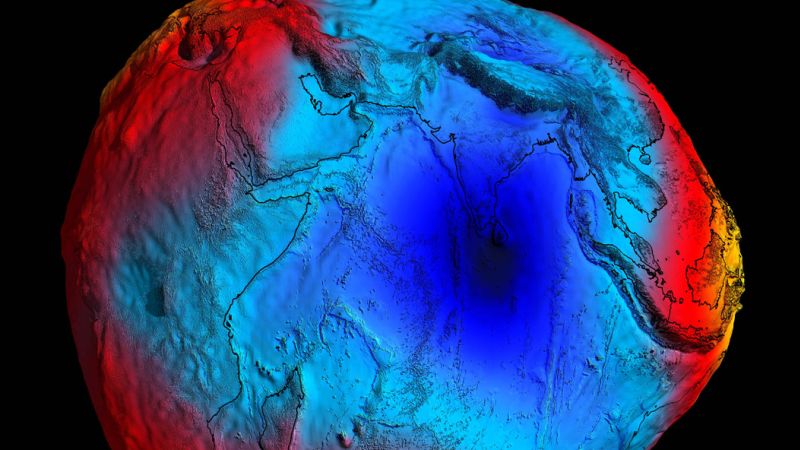
Gravity is not uniform across the Earth due to variations in mass caused by Earth's inner structure and topography. Scientists use advanced instruments and satellite data to measure these small abnormalities. The strongest gravitational forces are found in the eastern Pacific Ocean near Australia and Indonesia, resulting from plate tectonic movements. Gravity anomalies are also observed in regions such as the North American ice sheet depression and an unusual gravity hole in the Indian Ocean. Additionally, human activities, including melting polar ice caps and changes in water reservoirs, are affecting gravity. Understanding these variations is crucial for tracking climate change and water supplies.
science2 years ago

Unraveling the Mystery of the Indian Ocean's 'Gravity Hole'

Scientists from the Indian Institute of Science have proposed a credible explanation for the "gravity hole" in the Indian Ocean, where Earth's gravitational pull is weaker and the sea level dips significantly. Using computer simulations, they found that plumes of magma originating from the disappearance of an ancient ocean between India and Asia could be responsible for the formation of this gravitational anomaly. The simulations showed that the presence of these magma plumes, along with the mantle structure, led to the formation of the "gravity hole." The research provides insights into Earth's complex structure and its impact on gravity.

science2 years ago

Unveiling the Eternal Heat: The Earth's Mysterious Sustained Temperature

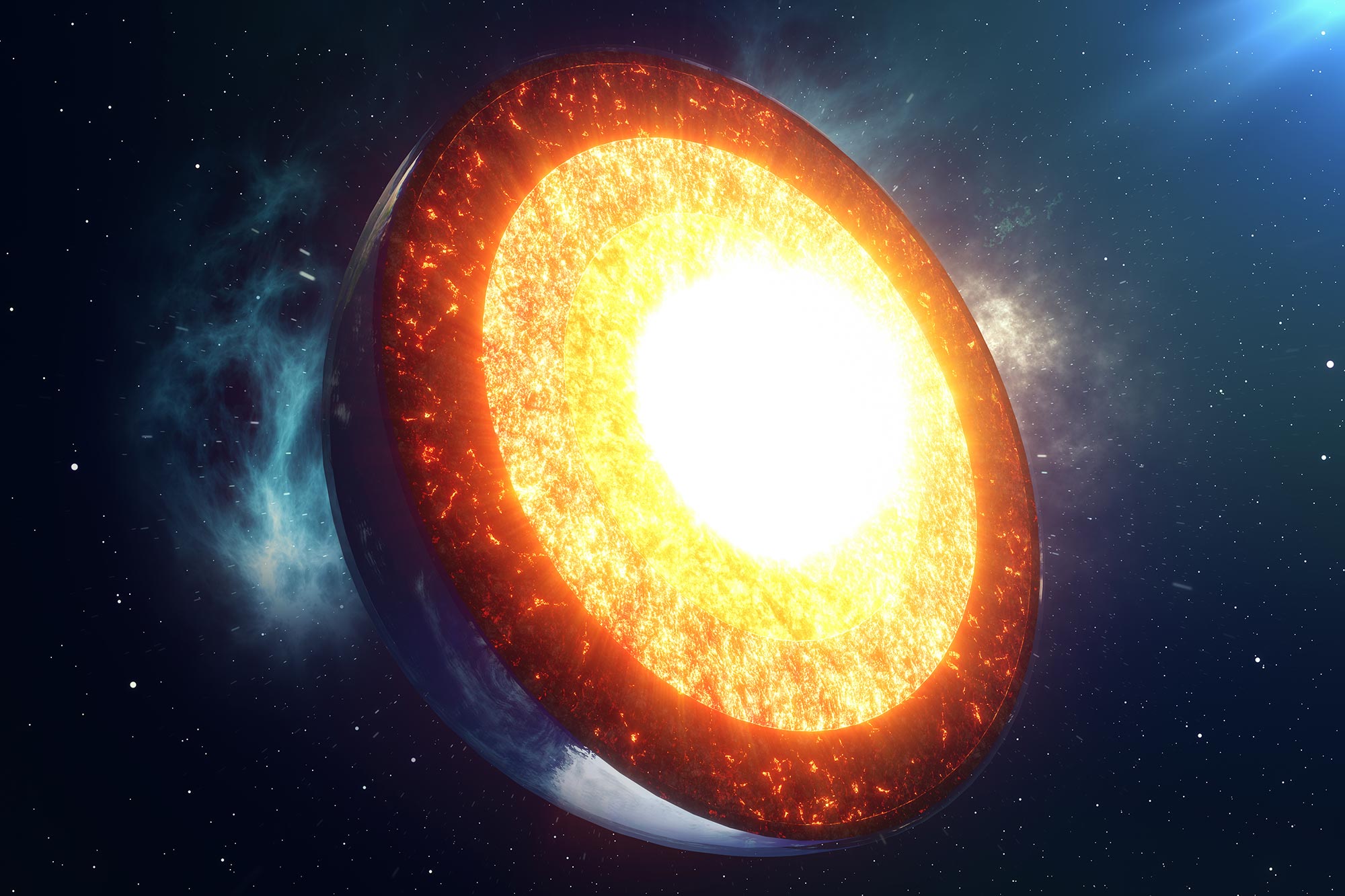
The inside of the Earth has remained as hot as the Sun's surface for billions of years due to the planet's layered structure, which includes moving plates. The Earth's internal heat is generated by remnants of its formation and the decay of radioactive isotopes. Geoscientists use seismic waves to study these internal structures and movements, which are crucial for understanding environmental changes and life evolution on Earth. Plate movements driven by the internal heat contribute to earthquakes, volcanic eruptions, and the creation of new land and oceans, making Earth habitable.