Tag

Early Treatment

All articles tagged with #early treatment

health1 month ago

Restless Legs Syndrome May Signal Increased Parkinson’s Risk

South Korean research shows that patients with restless legs syndrome (RLS) have a higher risk of developing Parkinson's disease, but treatment with dopamine agonists appears to offer a protective effect, delaying or reducing the incidence of Parkinson's. The study suggests early management of RLS could be crucial for long-term neurological health.

health2 years ago

"Leqembi: A Promising Drug for Slowing Alzheimer's Progression, but Not a Cure"

The U.S. FDA has granted traditional approval for Leqembi (lecanemab), a new drug for the treatment of early Alzheimer's disease. Leqembi is a monoclonal antibody that slows the progression of symptoms by targeting the amyloid protein found in the brains of Alzheimer's patients. However, the drug is only indicated for individuals with proven amyloid protein in the brain and early Alzheimer's or mild cognitive impairment. It has shown some success in reducing amyloid protein deposition but has only modestly slowed the progression of the disease. Screening for Alzheimer's with this drug is not a high priority, and other lifestyle interventions such as diet, exercise, and cognitive training may be more beneficial in reducing dementia risk.

multiple-sclerosis-ms2 years ago

"Advancements in MS Treatment: Addressing Spasticity and Early Intervention in Pediatric Onset Cases"

Noninvasive brain stimulation, specifically repetitive transcranial magnetic stimulation (rTMS), has shown promise in reducing spasticity in MS patients when combined with physical therapy. Early diagnosis and treatment are crucial for maintaining cognitive function in relapsing-remitting MS (RRMS). For pediatric-onset MS, aggressive treatment with high-efficacy therapies is recommended to achieve better disease control.

health2 years ago

"Early Intervention for MS: Minimizing Long-Term Disability"

Starting treatment for multiple sclerosis (MS) soon after experiencing symptoms can slow the progression of the disease, according to a study published in Neurology. Individuals who initiated treatment quickly were 45% less likely to advance to moderate disability compared to those who delayed treatment. The study also found that early treatment reduced the likelihood of transitioning to secondary progressive MS and increased the chances of the disease not progressing in the first year of treatment. While there is no cure for MS, early treatment has been shown to reduce symptom severity and delay disease progression.

health2 years ago

"Hand Indicators: Unveiling Underlying Health Conditions like Liver Disease and Cancer"

The appearance of your hands can provide clues about your overall health and help diagnose underlying conditions. For example, the length of a man's ring finger may indicate the likelihood of developing prostate cancer. Finger clubbing, characterized by increased soft tissue under the nail beds, can be a symptom of serious health conditions such as lung cancer, heart problems, liver disease, and inflammatory bowel disease. Changes in the appearance of fingers or hands should be discussed with a healthcare professional for proper diagnosis and treatment.

health2 years ago

Early Intervention Delays Multiple Sclerosis Symptoms, Study Shows

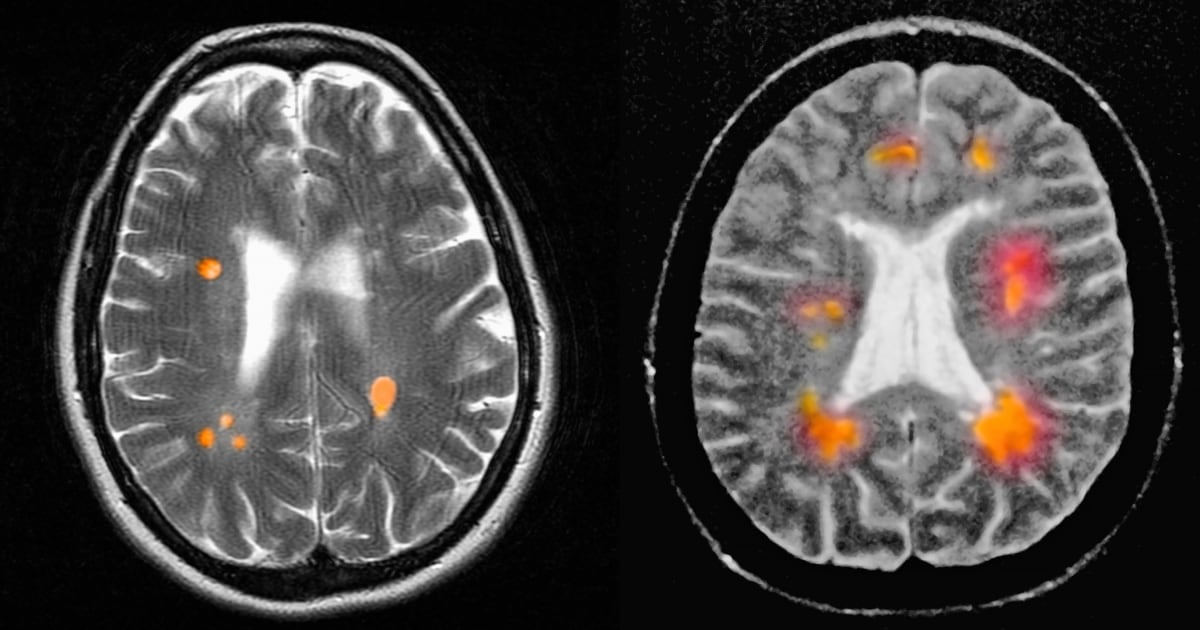
A small Phase 3 clinical trial has shown that early treatment with the drug teriflunomide may delay or prevent multiple sclerosis (MS) symptoms in people with radiologically isolated syndrome (RIS), which causes the same brain and spinal cord lesions seen in people with MS. About half of people with RIS go on to develop MS. The trial included 89 adults from Europe and Turkey with an average age of 40 who were followed for two years. Compared to those who got a placebo, those who were treated with teriflunomide had a 63% decreased risk of developing early symptoms of MS.