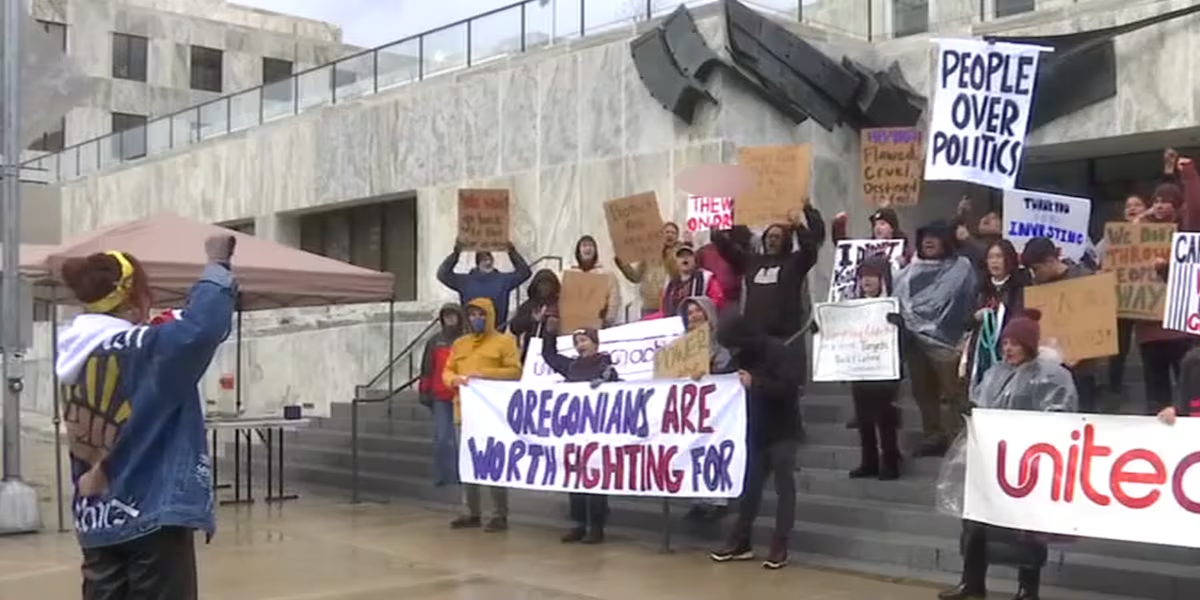
Oregonians rallied in Salem urging Governor Kotek not to sign House Bill 4002, which effectively ends Measure 110, a voter-approved law decriminalizing possession of small amounts of hard drugs. The bill would create an unclassified misdemeanor for drug possession and give law enforcement discretion to send individuals to treatment or jail. Advocates argue that the reform will disproportionately impact people of color, while state leaders emphasize the need to address the addiction crisis.
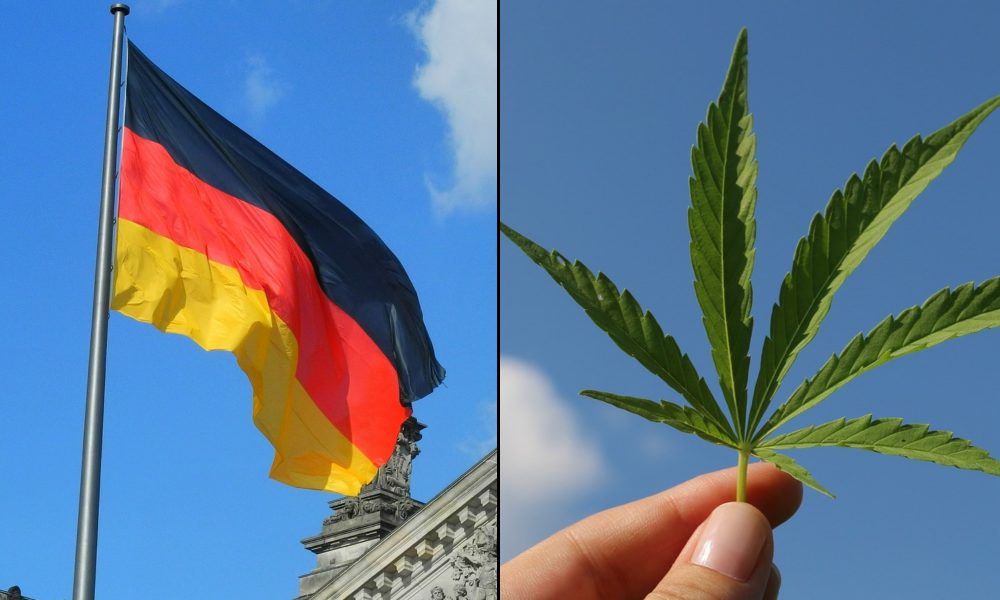
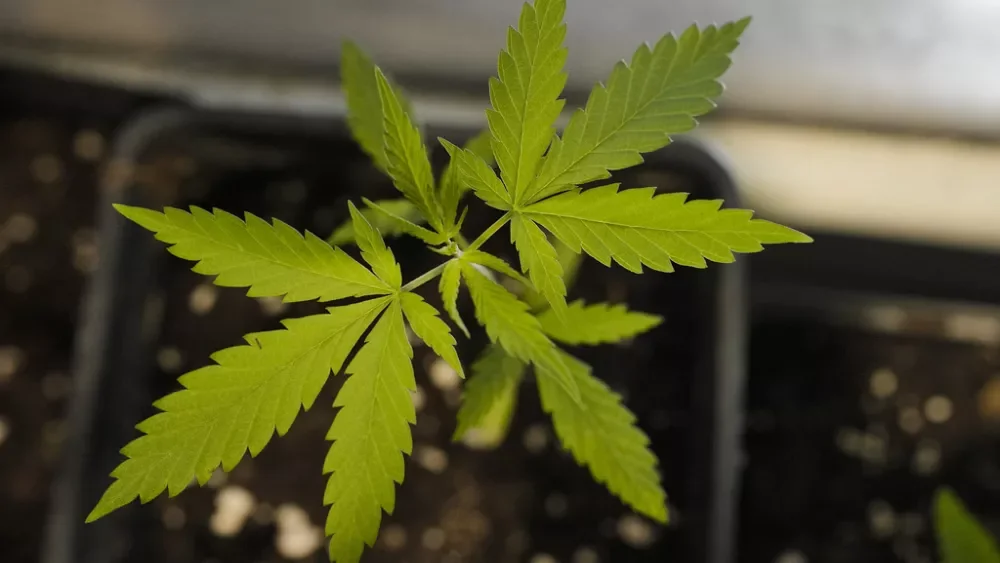
Germany's parliament has approved a bill to legalize marijuana nationwide, with possession and home cultivation becoming legal and social clubs authorized to distribute marijuana to members. The bill now heads to the Bundesrat, and if enacted, legalization could take effect in April. Supporters emphasize the need for modernizing cannabis policy to combat the black market and protect children and young people, while opponents argue it could strain the health system and lead to increased underage consumption. The legislation has faced delays and adjustments, with plans for staggered implementation and eventual pilot programs for commercial sales.
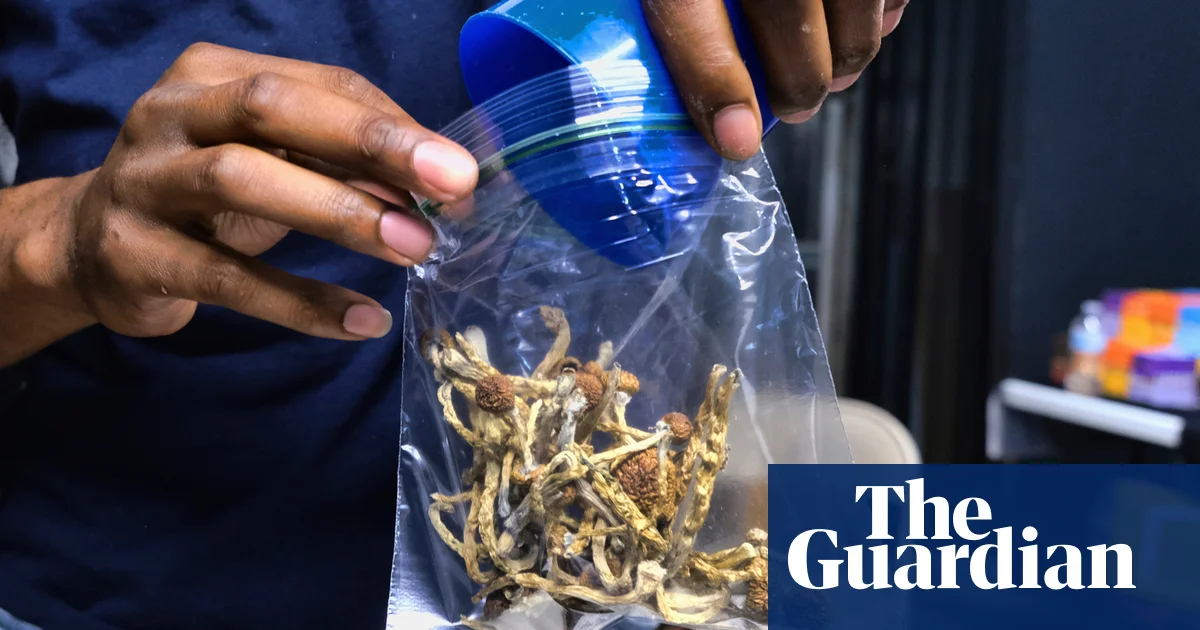
California Governor Gavin Newsom has vetoed a bill that aimed to decriminalize natural psychedelics for personal use, stating that more work needs to be done to establish regulated treatment guidelines before decriminalization can occur. The legislation, which had similarities to measures in Oregon and Colorado, was seen as a way to address the harms of the "war on drugs" and expand mental health treatment options. Despite the veto, advocates are working to place initiatives on the 2024 ballot to expand psychedelic use in California.
The German Cabinet is expected to approve a plan to liberalize the country's cannabis rules, allowing adults to possess up to 25 grams of the drug and grow a maximum of three plants for personal use. The plan also includes the establishment of "cannabis clubs" where members can buy the drug for recreational purposes. The government hopes that legalizing cannabis will combat the black market, protect consumers, and reduce drug-related crime. However, the plan faces opposition from the center-right opposition and German judges, who believe it poses legal and judicial burdens. The government plans to follow this legislation with a second step, testing regulated commercial supply chains in select regions.
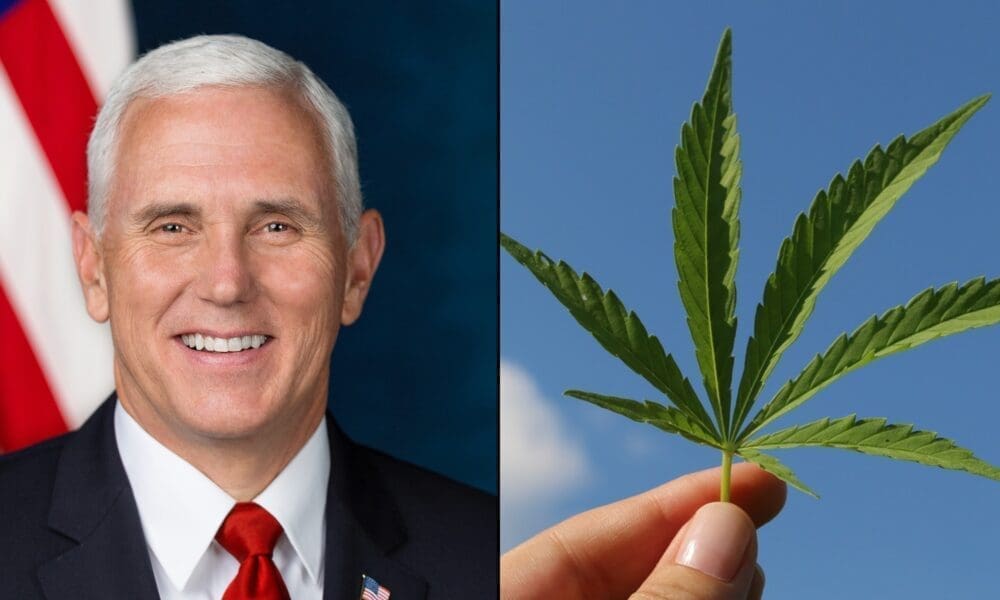
Former Vice President Mike Pence, who is running for the Republican 2024 presidential nomination, has a long history of opposing cannabis reform efforts at both state and federal levels. He has consistently voted against legislation to protect state medical cannabis programs from federal interference and has voiced disapproval of decriminalizing simple possession. Pence has also asserted that he believes cannabis is a gateway to other illicit drugs. As governor of Indiana, he pushed for increased criminalization of illicit substances but signed into law a criminal justice bill that included provisions to reduce penalties for simple marijuana possession.