A surge of mysterious respiratory illnesses in dogs, known as canine infectious respiratory disease complex (CIRDC), has abated after peaking in late 2023, with cases dropping to usual levels within the first few weeks of January. The cause of the wave and its subsequent decline remains elusive, with no single pathogen identified as solely responsible. While concerns arose about a potential link to Covid-19, experts have ruled out SARS-CoV2 as the driving force behind the illnesses. As the situation stabilizes, veterinarians advise dog owners to consider the risks and benefits of returning to dog parks and other social settings, emphasizing the importance of vaccinations and understanding individual risk factors for each dog.
An unidentified respiratory illness affecting dogs in multiple states has caused concern among dog owners. While researchers are still investigating the illness, it is believed to be a combination of familiar pathogens. Symptoms include coughing, sneezing, labored breathing, and decreased appetite. Certain dogs, such as the very young, very old, and those with smooshed faces, may be more susceptible. There is currently no evidence of the illness spreading to other pets or humans. Dog owners are advised to keep their pets up to date on vaccinations and practice good hygiene. Boarding facilities and doggie day cares are taking precautions to prevent the spread of the illness.
Dogs in multiple states are falling ill with a respiratory illness characterized by fever, cough, and lethargy. The cause and origin of the illness are unknown, and it is unclear if it is a new bug or a variation of normal upper respiratory outbreaks. To keep dogs safe, ensure vaccinations are up to date, avoid kennels or boarding if the dog is symptomatic, and take extra precautions for dogs with existing heart or lung disease. Treatment involves supportive care, but without a definitive cause, specific treatment is challenging. If a dog exhibits weakness, loss of appetite, difficulty breathing, or a severe cough, immediate veterinary attention is advised.
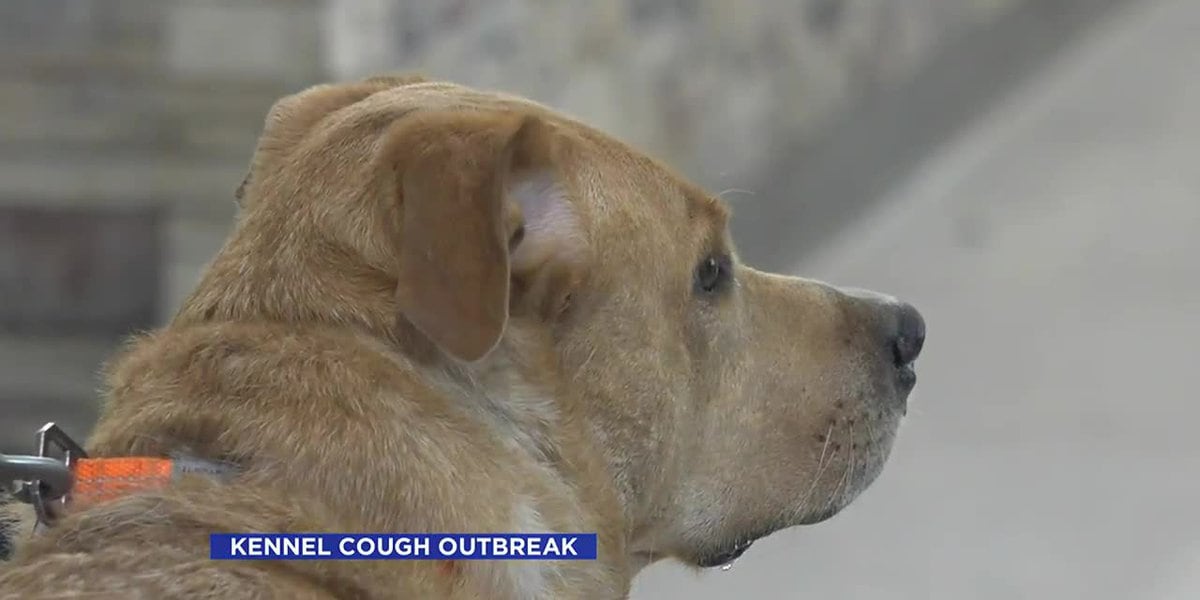
Veterinarians in the US are urging pet owners not to panic over the recent increase in respiratory illnesses among dogs, commonly known as kennel cough. While there is no central surveillance system to track disease outbreaks in animals, experts believe that the rise in cases may be due to increased awareness and more people owning dogs. Pet owners are advised to consult their veterinarians for accurate information and ensure their dogs are vaccinated. While socializing with other dogs is generally beneficial, owners should be cautious if their dogs have underlying health conditions that make them more susceptible to illness.
Dogs in parts of North America have been experiencing a mysterious respiratory illness, causing concern among dog owners. Veterinarians have been unable to identify the exact cause, and standard treatments have not been effective in all cases. Symptoms include coughing, sneezing, runny nose and eyes, fever, lethargy, and loss of appetite. While some dogs have developed pneumonia and a few have died, experts believe that the majority of cases are mild and will resolve on their own. The illness is suspected to be a combination of different respiratory infections rather than a single pathogen. Vets recommend limiting contact with unknown dogs, vaccinating against common respiratory diseases, and monitoring for severe symptoms in vulnerable dogs.
A mysterious and potentially deadly respiratory illness affecting dogs has been detected in Tennessee. The disease, believed to be a strain of kennel cough, has shown more severe symptoms and slower response to treatment. It is highly contagious among dogs and can spread easily in shared spaces. Veterinarians advise keeping dogs with symptoms away from social situations and taking precautions to prevent the spread of the illness.
Veterinarians are warning pet owners about a mysterious respiratory illness affecting dogs across the United States. The disease, which is still unidentified, presents symptoms similar to kennel cough but can persist for weeks and is unresponsive to normal treatments. While most cases are not life-threatening, some dogs can develop life-threatening pneumonia. Pet owners are advised to keep their pets up to date on vaccines, communicate with boarding facilities about any recent outbreaks, and seek veterinary care if their dog exhibits symptoms such as coughing, sneezing, and nasal discharge.
A contagious kennel cough, known as Canine Infectious Respiratory Disease Complex or kennel cough, is spreading through the country, with cases reported in several states. While it has not hit New York City yet, experts believe it's only a matter of time. Symptoms include sneezing, lethargy, loss of appetite, low-grade fever, runny nose, and gunk around the eyes. Dogs should be kept away from other dogs to prevent the highly contagious disease, and pet owners are advised to consult their vet about individual risk and exposure. Vaccines such as Bordetella, influenza, and parainfluenza can help protect against related diseases. The cause of the illness is still unknown, and while it is unlikely to be contagious to humans, it could potentially mutate. The illness is rarely fatal but can be severe in puppies and older dogs with other health problems.
Veterinarians are raising concerns about a growing number of coughing dogs exhibiting symptoms similar to kennel cough but more severe, including wet coughing, lethargy, and nasal/eye discharge. The mysterious illness is highly contagious and potentially fatal. While research is ongoing, experts recommend bringing coughing dogs to a vet for examination and keeping them away from other dogs until the cough subsides for at least two weeks.
The Oregon Veterinary Medical Association has issued a warning about the increasing cases of kennel cough in the Portland metro area and the Willamette Valley. The respiratory disease is resistant to antibiotics, and the Department of Agriculture is urging dog owners to have their pets tested before they show symptoms. The association advises dog owners to ensure their pets are up to date on vaccines and consider avoiding areas with a high concentration of dogs.
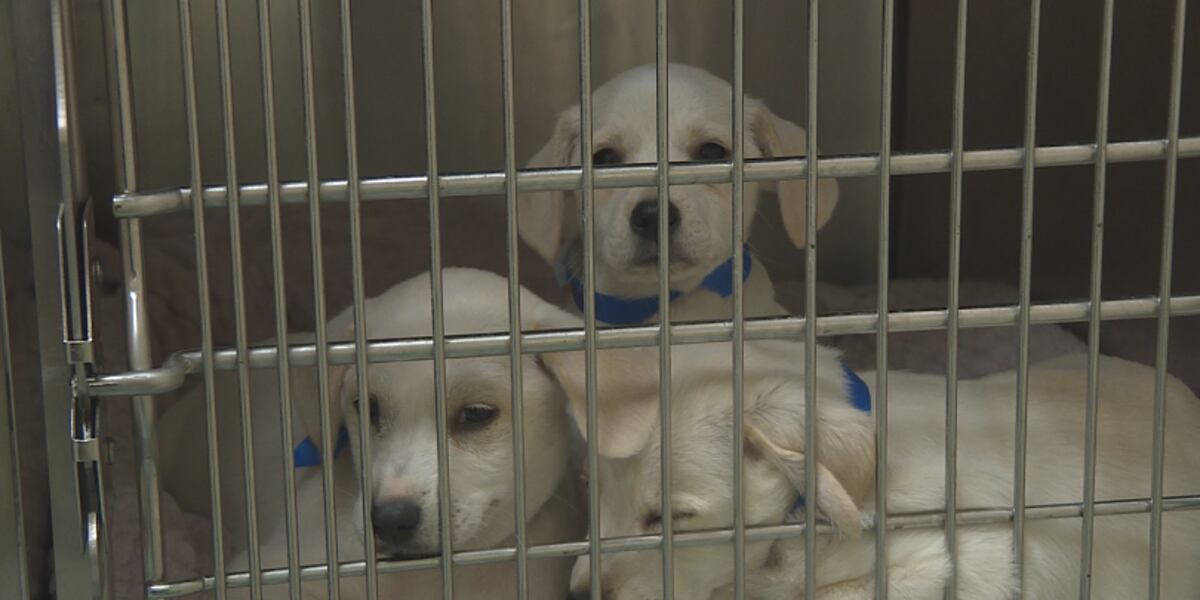
Orange County Animal Services in Orlando has temporarily halted the acceptance of new dogs due to a contagious respiratory virus, canine pneumovirus, commonly known as "kennel cough." While adoptions will continue, the shelter is limiting contact between animals and waiving adoption fees for "ready to go" animals. The shelter suspects several dogs have already been affected by the virus and advises keeping newly adopted dogs separate from resident dogs to monitor for any potential health issues.
Veterinarians in the FM area are reporting a surge in severe cases of kennel cough, a highly contagious respiratory infection in dogs. This year's outbreak is particularly aggressive and resistant to normal treatments, with some cases leading to pneumonia and even euthanasia. Experts recommend keeping dogs with symptoms isolated and up to date on vaccinations, but caution that they are not completely immune.
The Fairfax County Animal Shelter in Virginia is experiencing a surge in kennel cough among its dogs, attributed to the increased number of dogs and longer stays. The shelter is seeking public assistance through adoption, fostering, and postponing surrenders. Adopting cats and other pets can free up staff time for symptomatic dogs, while fostering large dogs for two weeks is encouraged. Pet owners are asked to delay surrendering dogs and find direct rehoming options if possible. The shelter is implementing cleaning protocols and monitoring symptoms, but the infections are not transmissible to humans or other animals.
Homeowners in Southern California found a scared dog tied to their mailbox with a long leash wrapped around it. They contacted Logan's Legacy dog rescue for help, and the rescue team managed to gain the dog's trust and free him from the leash. The dog, named Hercules, was taken to Camino Pet Hospital for a checkup and later placed with a foster family. Unfortunately, he was diagnosed with kennel cough and had to be returned to the hospital for treatment. The rescue team is still searching for Hercules' forever home.