
Tag

Diverse Populations

All articles tagged with #diverse populations

Diversity Reveals Distinct Alzheimer's Biomarker Patterns
science4 hours ago

Diversity Reveals Distinct Alzheimer's Biomarker Patterns

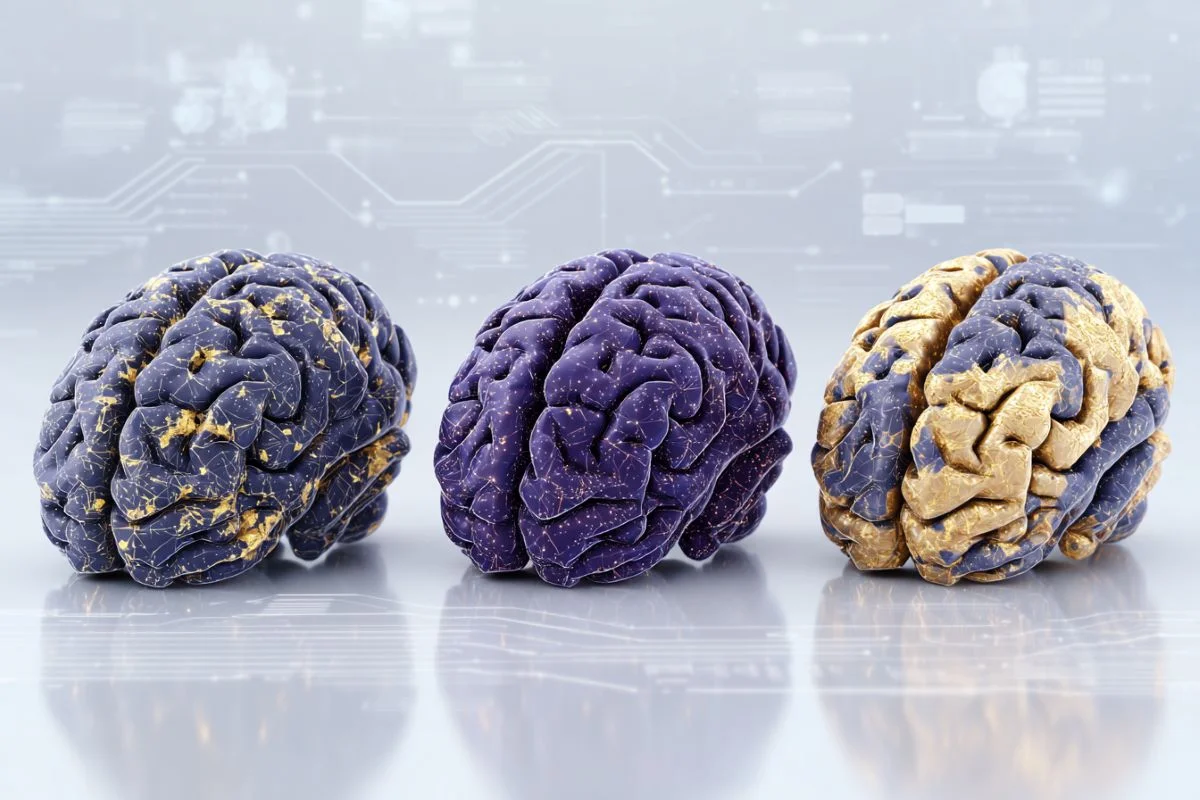
A large USC-led study from the HABS-HD cohort finds early Alzheimer’s biomarkers differ by race/ethnicity: Black and Hispanic participants showed higher tau in memory-related brain regions even when amyloid levels were similar to White participants, and the amyloid–cognition link varied by group. Scanner limitations and social determinants of health may also influence readings, underscoring the need for population-tailored diagnostics and more inclusive research.

"Improving Genetic Testing for Health Equity Across Diverse Populations"
health-and-medicine2 years ago

"Improving Genetic Testing for Health Equity Across Diverse Populations"

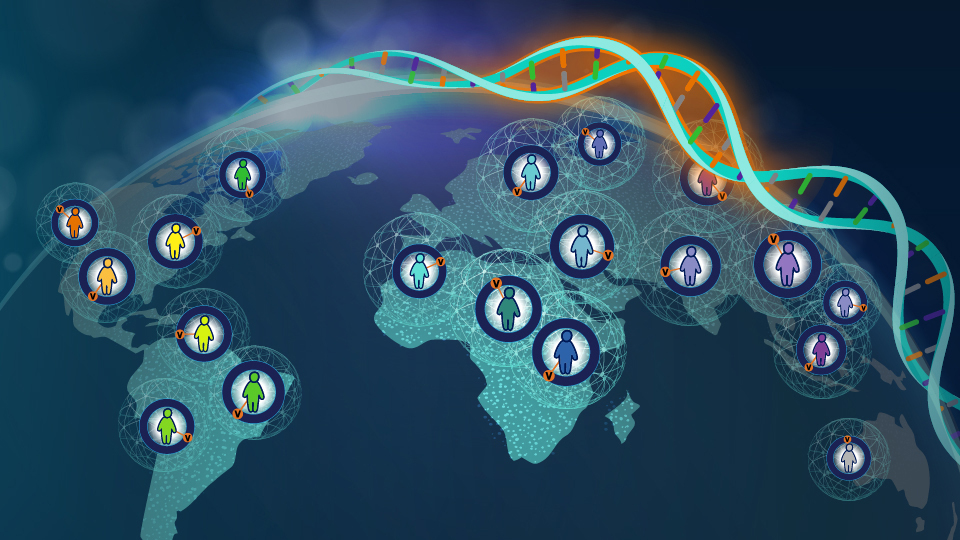
Researchers funded by the National Institutes of Health have improved genetic testing methods called polygenic risk scores to provide a more accurate assessment of disease risk across diverse populations. By recalibrating these tests using ancestrally diverse genomic data, the researchers aim to prevent health disparities caused by false results and inequitable genetic tools. The optimized scores, developed using data from the All of Us Research Program, have shown effectiveness across various ancestral backgrounds, representing a step towards routine use of polygenic risk scores in the clinic to benefit all people.

Unveiling the Genetic Trigger for Parkinson's: A Breakthrough Discovery by Scientists
health2 years ago

Unveiling the Genetic Trigger for Parkinson's: A Breakthrough Discovery by Scientists

Scientists have discovered a new genetic trigger for Parkinson's disease, which is more commonly found in individuals with recent African ancestry. Conducting a genome-wide association study (GWAS) on nearly 200,000 people of African or mixed ancestry, researchers identified a novel variant of the GBA1 gene that significantly increased the risk of developing Parkinson's. Individuals with one copy of the variant were 1.5 times more likely to have Parkinson's, while those with two copies were about 3.5 times more likely. The findings highlight the importance of including diverse populations in genetic research to gain a comprehensive understanding of the disease.