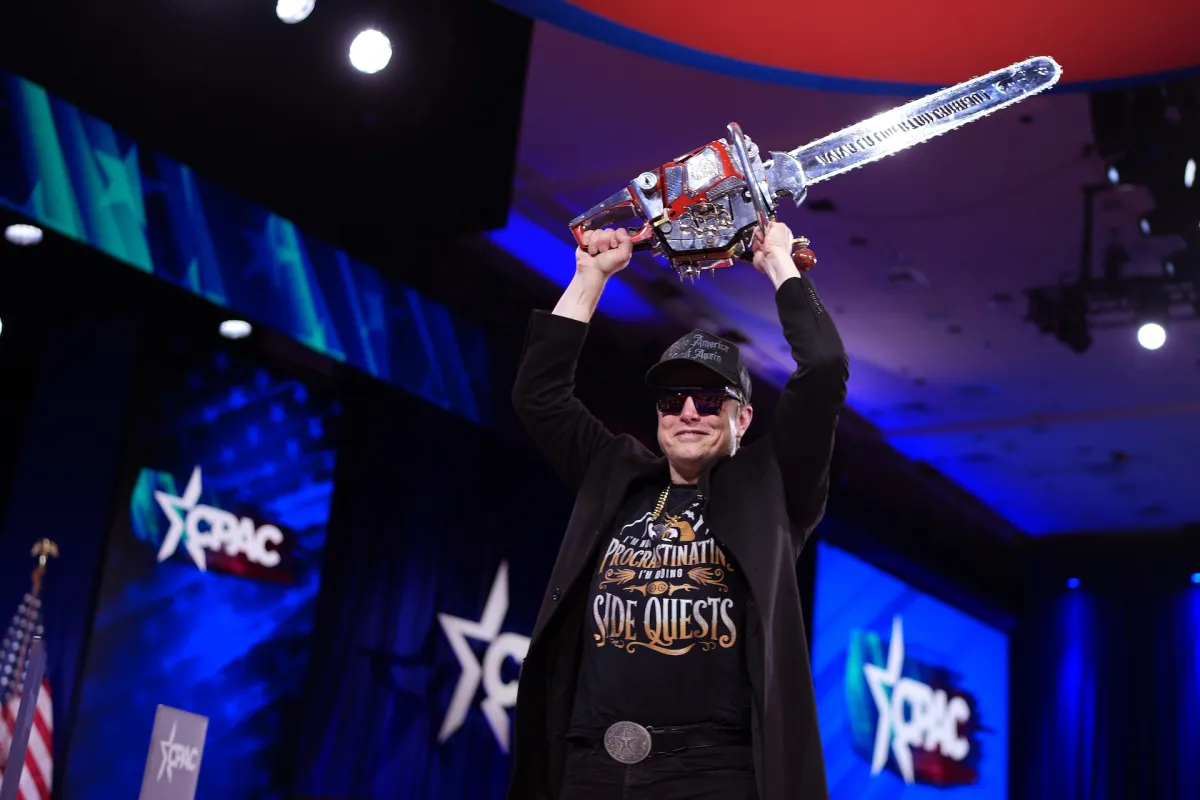
Elon Musk's ongoing feud with Donald Trump is causing complications for xAI's $5 billion debt fundraising efforts, with declining investor confidence and potential need for incentives amid tense social media exchanges.
Dish Network's creditors have rejected a bond-exchange offer crucial to its proposed merger with DirecTV, as the deadline for the deal approaches. The steering committee of Dish lenders criticized the offer, claiming it was engineered at the expense of creditors. Despite a sweetened proposal, the creditors remain opposed. Meanwhile, Dish's parent company, EchoStar, has successfully negotiated a separate debt exchange. The merger aims to create the largest US pay-TV provider, but faces challenges including ongoing litigation over asset transfers.
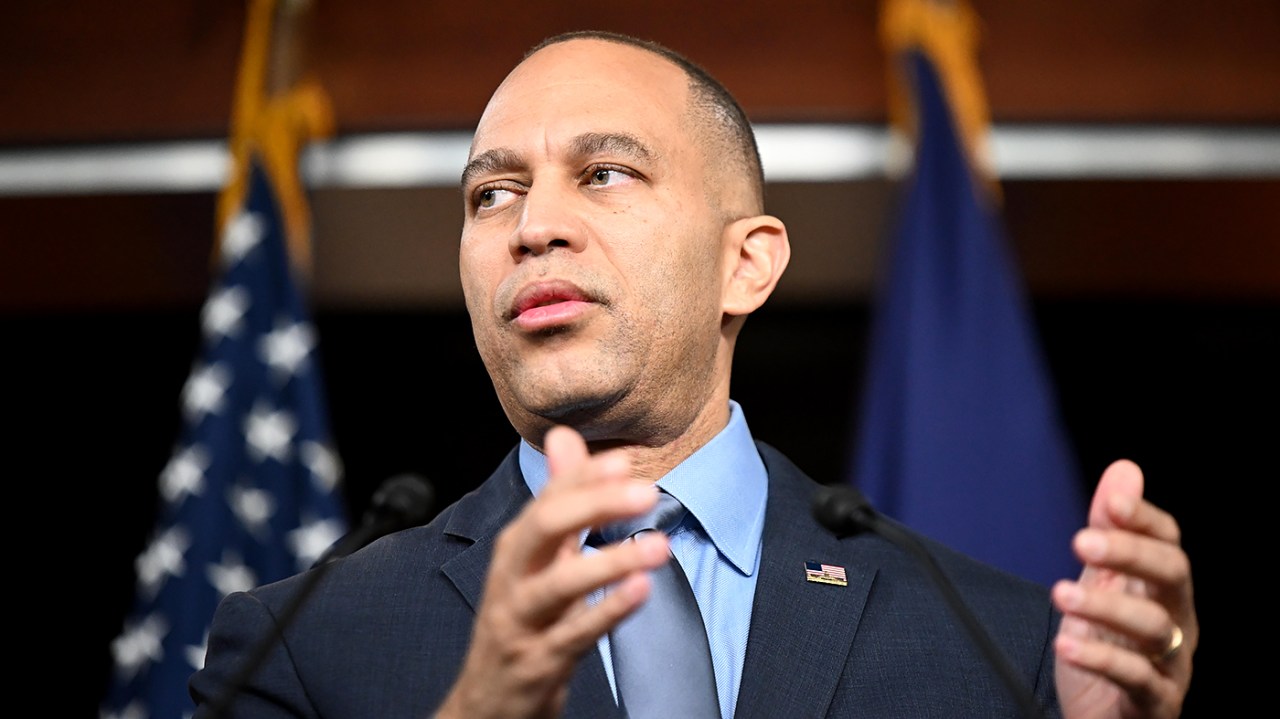
House Minority Leader Hakeem Jeffries is urging immediate bipartisan talks on 2024 spending, insisting on funding levels agreed upon in the bipartisan debt ceiling bill. The House recently approved a two-tiered continuing resolution (CR) to extend funding at current levels, angering House conservatives who want separate passage of each appropriations bill. This battle poses a challenge for new Speaker Mike Johnson, who must navigate between conservative demands for spending cuts and Democratic resistance to anything below the negotiated figures. Jeffries argues that the spending numbers from the bipartisan Fiscal Responsibility Act should be adhered to.
Country Garden, one of China's top private developers, has reached a deal with creditors for an extension on onshore debt payments worth 3.9 billion yuan ($536 million), providing relief to the crisis-ridden Chinese property sector. The news boosted Country Garden shares by 14.6% and led to a rally in China's mainland property stocks. However, it remains uncertain whether the stimulus measures implemented by Beijing will revive property demand and ease the sector's cash squeeze. The company still faces significant debt maturities this year, and while the extension deal averted an onshore default, it is yet to be seen if the company can make interest payments on its offshore dollar bonds.
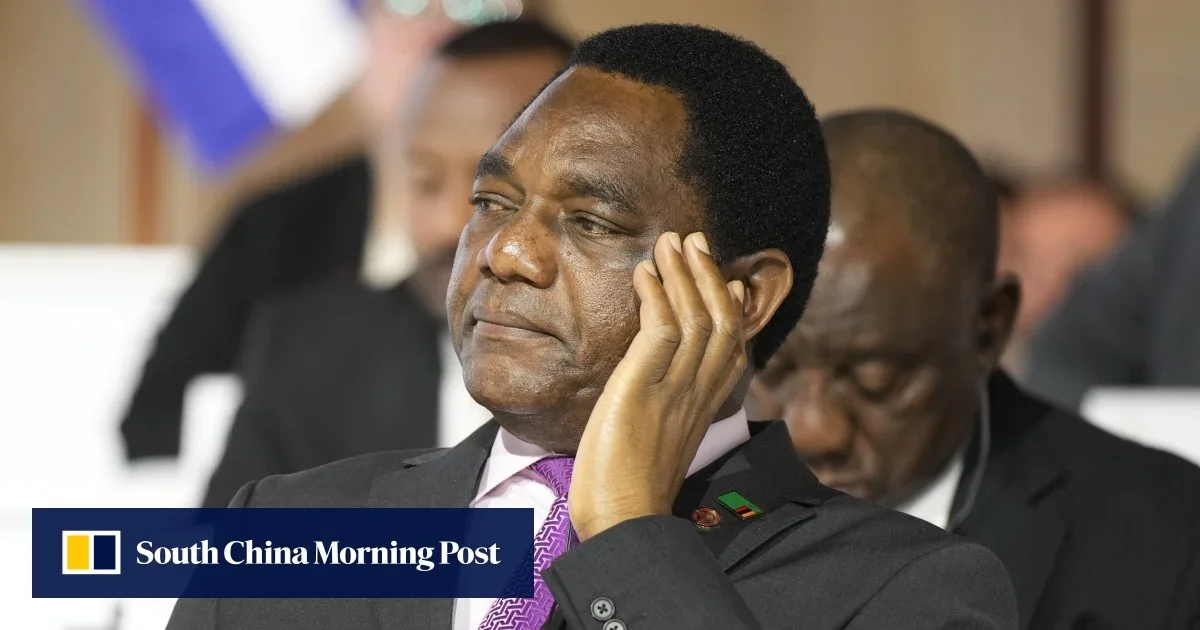
Zambia has reached a debt deal with China and other major creditors, which includes extending debt repayment periods and introducing a three-year grace period. However, China, the country's biggest bilateral lender, has not taken any haircuts as part of the agreement. Zambian President Hakainde Hichilema says that while a deal may be done, the hard work is not over.
Congressional spending leaders are facing a tight time crunch less than four months before government funding runs out. Several different groups of lawmakers are trying to revisit the debt deal’s funding caps. House conservatives, Senate Republicans, and Democrats are looking for ways to ensure that priorities like disaster aid and immigration programs don’t get short shrift. Passing all 12 spending bills on both the House and Senate floors is a heavy lift, and lawmakers on both sides of the aisle are anxious to avoid a provision in the debt pact that would impose a 1 percent funding cut next year if appropriators can’t strike a deal to fund the government and resort to a short-term patch.
House conservatives, mostly from the Trump-aligned Freedom Caucus, are seeking revenge on GOP leaders for what they see as Speaker Kevin McCarthy’s broken promises during the debt drama. They are now working to derail senior Republicans’ plans to pass even widely popular party priorities on the floor this week and are pushing for spending cuts this fall that would essentially renege on last week’s debt deal. McCarthy and his leadership team are still working to reach a truce with the members who are refusing to allow floor action, delivering a humiliating blow to the speaker days after a debt agreement that his allies considered a huge victory.
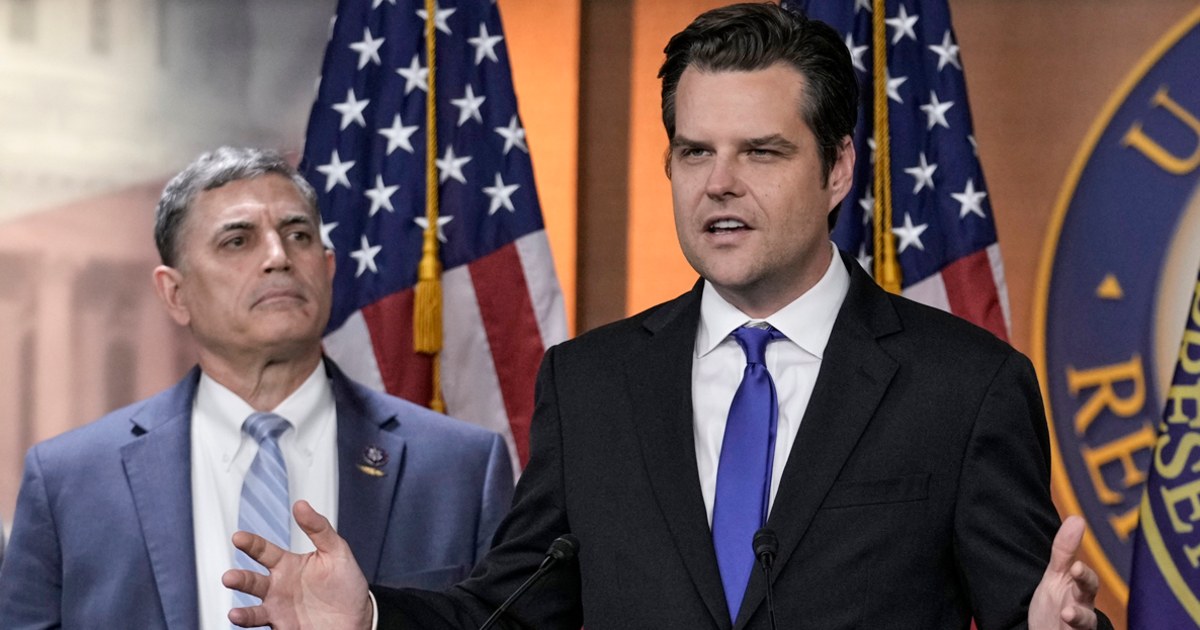
A group of 11 House conservative Republicans, including members of the House Freedom Caucus, joined Democrats to block a pair of GOP bills to protect gas stoves to express their anger over the debt deal cut by Speaker Kevin McCarthy and President Joe Biden. The group warned that all Republican legislation could come to a standstill unless they resolve their internal issues. The hard-right lawmakers specifically accused GOP leaders of retaliating against one of their own, Rep. Andrew Clyde, R-Ga. The gas stove bills set to be voted on this week were largely messaging bills and are unlikely to pass the Senate.
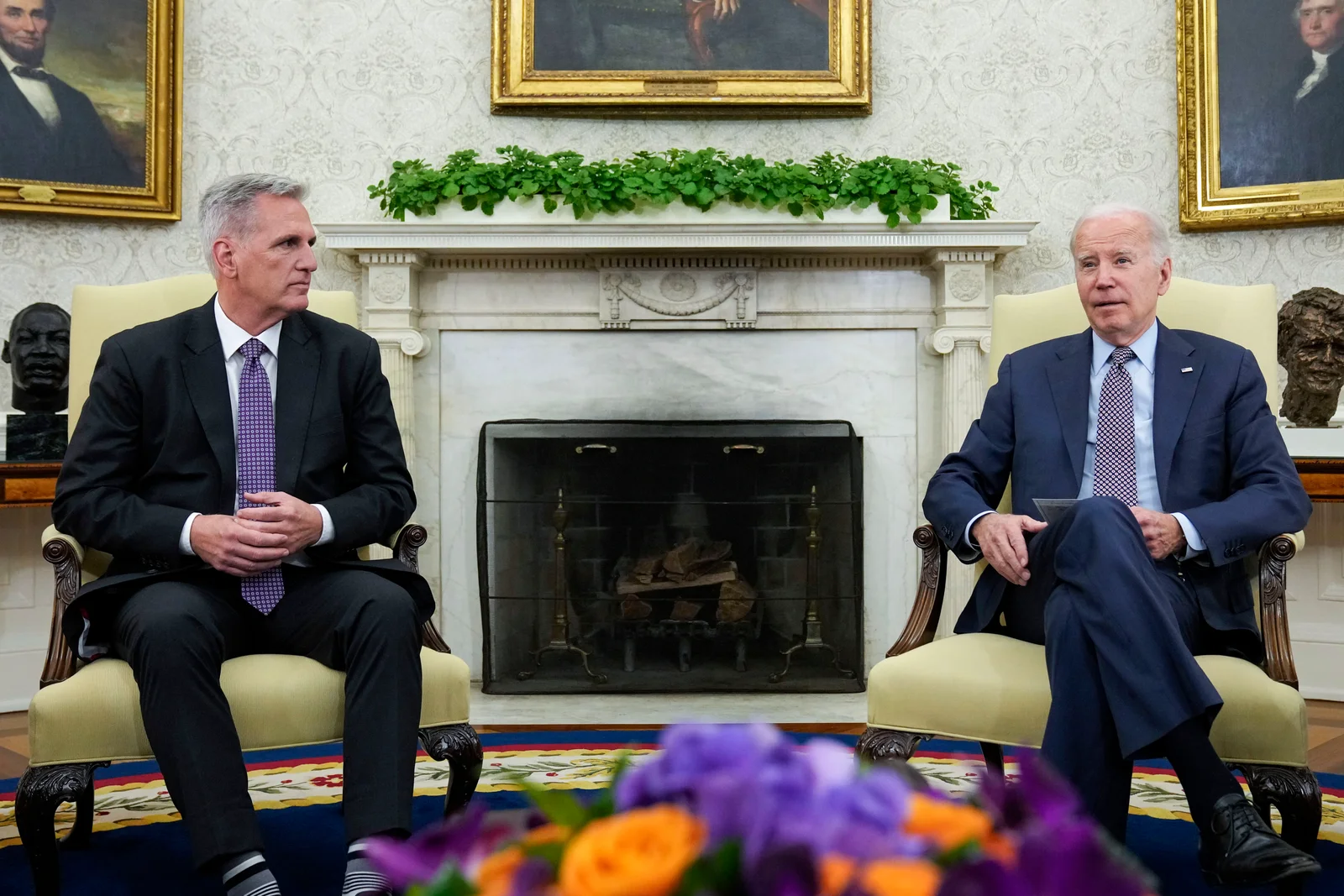
President Biden's team was willing to give Republicans victory on political talking points in the debt-limit negotiations, but wanted to win on substance in the details of the text and side deals. They agreed to structure the cuts so they appeared to save $1.5 trillion over a decade, but thanks to side deals and accounting tricks, the actual cuts could total as little as $136 billion over the two enforceable years of the spending caps that are central to the agreement. The deal included new work requirements that could push 750,000 people off food stamps, which the Biden team begrudgingly concluded it had to accept.
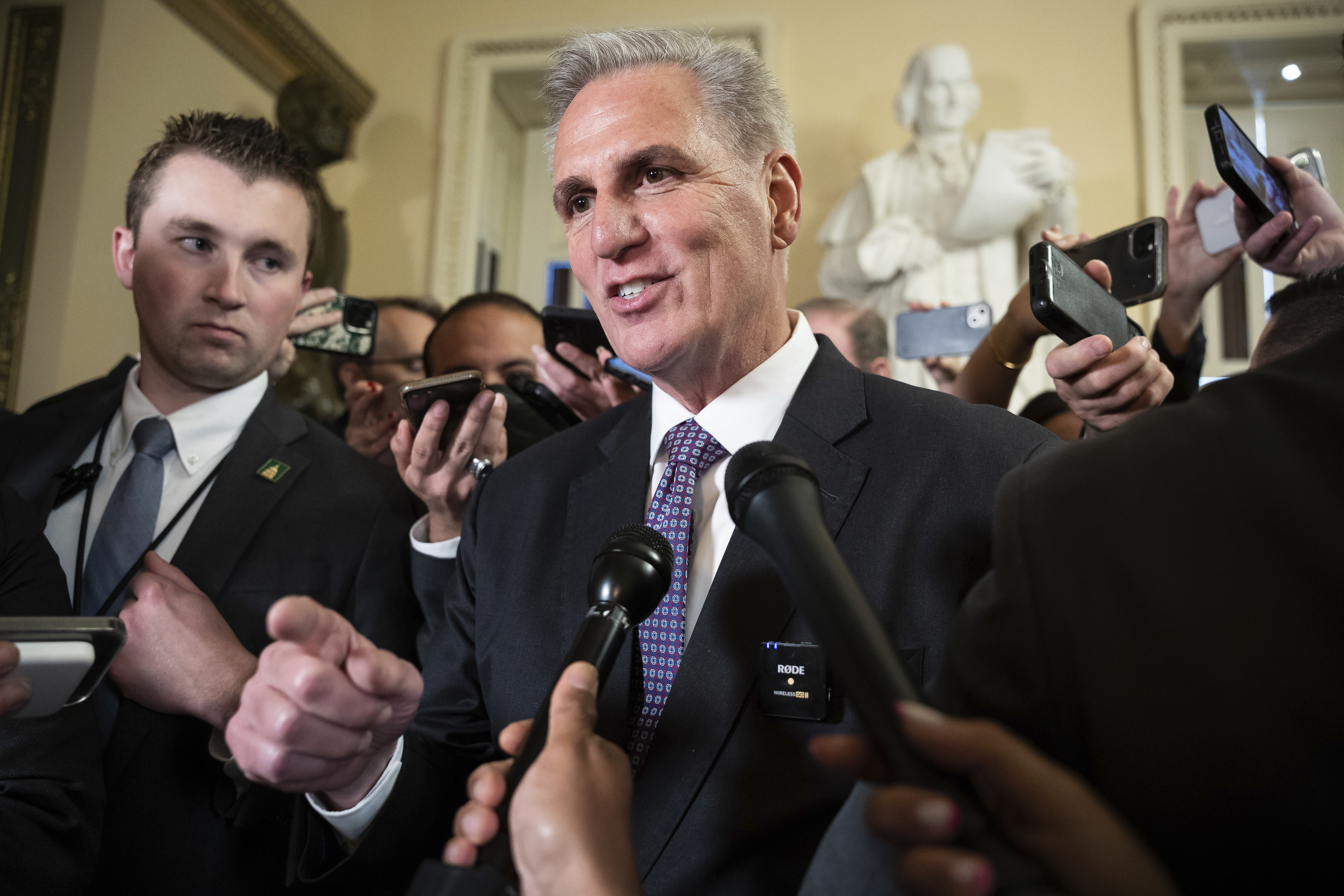
House Speaker Kevin McCarthy successfully navigated deep divisions within the Republican Party to pass a bipartisan debt deal, with the help of conservative allies like Jim Jordan. McCarthy's strategy involved cutting a deal with Democrats that would win over a clutch of conservatives with Freedom Caucus credibility, while hoping the remaining critics lacked the collective willpower to tank the agreement. While some Republicans remain upset over the debt deal, few are seriously considering a threat to McCarthy's speakership. McCarthy will likely need to lean on conservative allies repeatedly heading into a packed fall schedule.
Speaker of the House Kevin McCarthy is confident that the debt deal he announced with President Joe Biden will pass through Congress, reducing the risk of a default. However, it remains to be seen if the stock market will experience a rally as a result.
Treasuries and US stock futures rose on hopes that Congress will pass a debt accord to head off a default as White House and Republican congressional leaders stepped up lobbying in support of the deal. Assuming Congress approves the debt deal, the Treasury Department may sell more than $1 trillion of bills through the end of the third quarter to bolster its cash balances, according to some estimates, depriving other markets of liquidity needed to maintain gains.
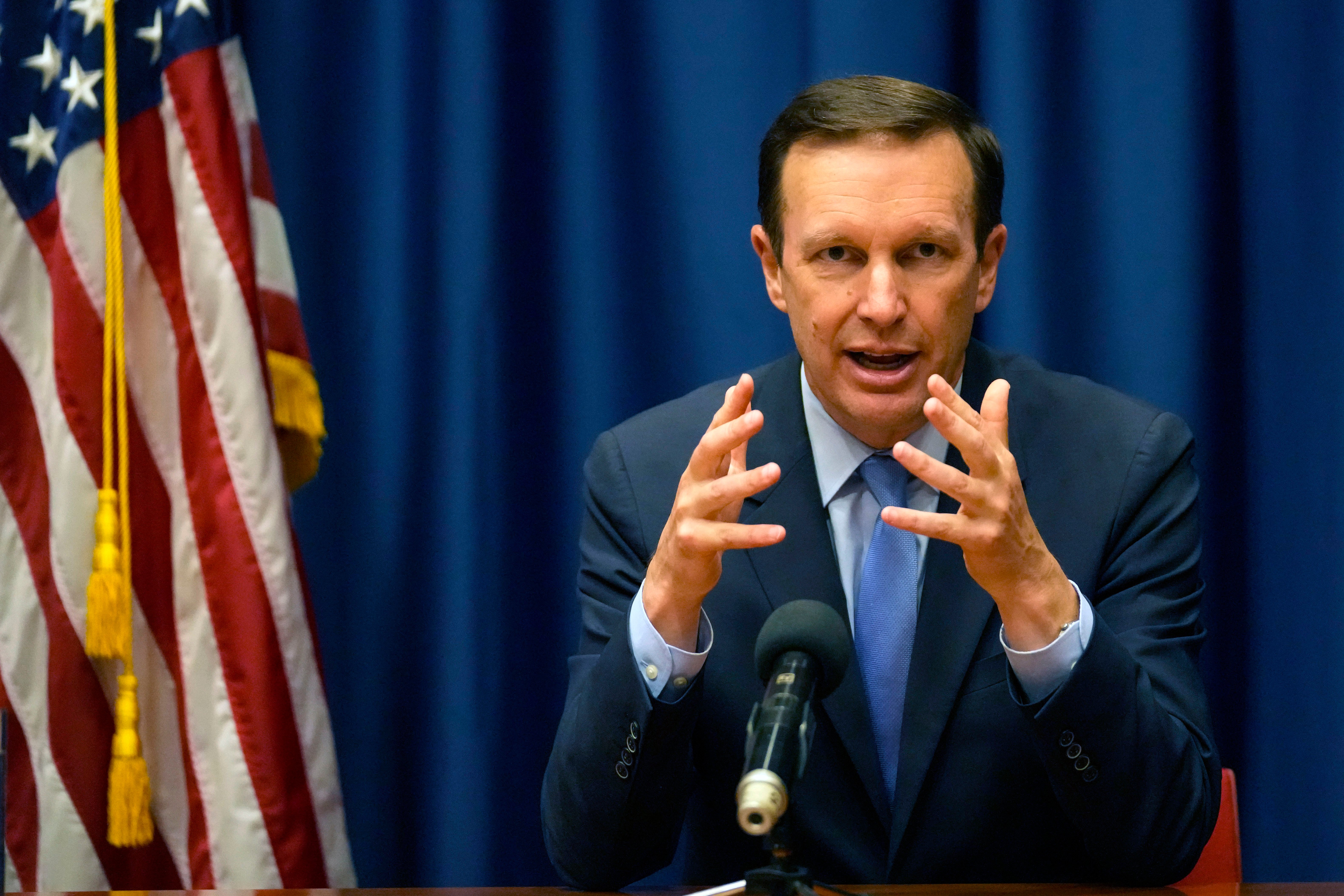
Sen. Chris Murphy (D-Conn.) expressed concern that there may not be enough Republican support to pass the debt deal reached by the White House and House Republican negotiators. He believes that there is a group of Republicans who want to see the U.S. default, which would put Social Security benefits, federal salaries, payments to Medicaid providers, and veterans’ benefits at risk and rock global markets. The bill needs to be passed by both chambers of Congress before June 5 to prevent default, but Murphy is worried about the speed with which it can be sent back to the president.
Stocks rose on Friday as investors awaited developments on the debt-ceiling deliberations and digested the latest corporate earnings, while a new wave of AI optimism boosted tech stocks. The S&P 500, Dow Jones Industrial Average, and Nasdaq Composite were all up more than 1%. Marvell Technology stock rose more than 25% as the chipmaker joined Nvidia in sharing positive artificial intelligence news. The PCE price index, the Federal Reserve's preferred inflation measure, came in hotter than expected, flipping market expectations for the central bank's next policy announcement on June 14.
With the Treasury Department's estimated default date nearing, the Biden administration has taken a "break glass measure" off the table, leaving no Plan B if the debt deal fails. As of June 1, the US government will run out of money to pay its bills unless Congress raises or suspends the debt ceiling.