Hard-line House conservatives supported Trump's pledge to strictly enforce rules for wind and solar projects to qualify for tax credits under the Inflation Reduction Act, which helped secure their backing for the megabill. The bill's passage involved intense negotiations, with Trump promising to ensure construction dates are enforced, and Democrats attempting to delay the bill through extended speeches. The bill is nearing final approval, with GOP leaders confident of passing it before the July 4 deadline.

House conservatives are furious about the government funding bill negotiated by Speaker Mike Johnson, calling it a betrayal of Republican promises to cut spending. Despite their anger, they are not threatening to overthrow Johnson, indicating a shift in mindset as they realize the challenges of bending Congress to their will. Some members blame Johnson for not standing up to the Senate, while others acknowledge the difficulty of the situation. Democrats are pleased to see Johnson side with the majority of his conference on funding the government, but they urge him to do the same on aid for Ukraine.
House conservatives are considering proposing a yearlong spending stopgap as the deadline for a government funding deal approaches, raising concerns about the potential impact on defense and other programs. This move comes as Congress faces a December 3 deadline to pass a spending bill to avert a government shutdown.
Senate Republicans were caught off guard by reports of House conservatives discussing an alternative to the bipartisan spending deal, with some expressing skepticism and warning of a potential shutdown if the deal is reneged. The recent deal, which sets a $1.59 trillion top line for fiscal 2024 government funding, has faced opposition from hard-line conservatives due to increased funding for nondefense programs. Speaker Mike Johnson hasn't committed to an alternative plan, and there are doubts about the feasibility of pulling out of the recent deal.
House conservatives, led by Speaker Mike Johnson, revolted against a spending deal with Democrats, tanking a procedural vote and preventing the chamber from debating and voting on unrelated bills. The conservatives criticized the deal for not cutting spending enough and expressed frustration with the slim GOP majority in the House. Johnson expressed confidence that the deal would survive and emphasized the need to work with the numbers they have in a divided Washington.
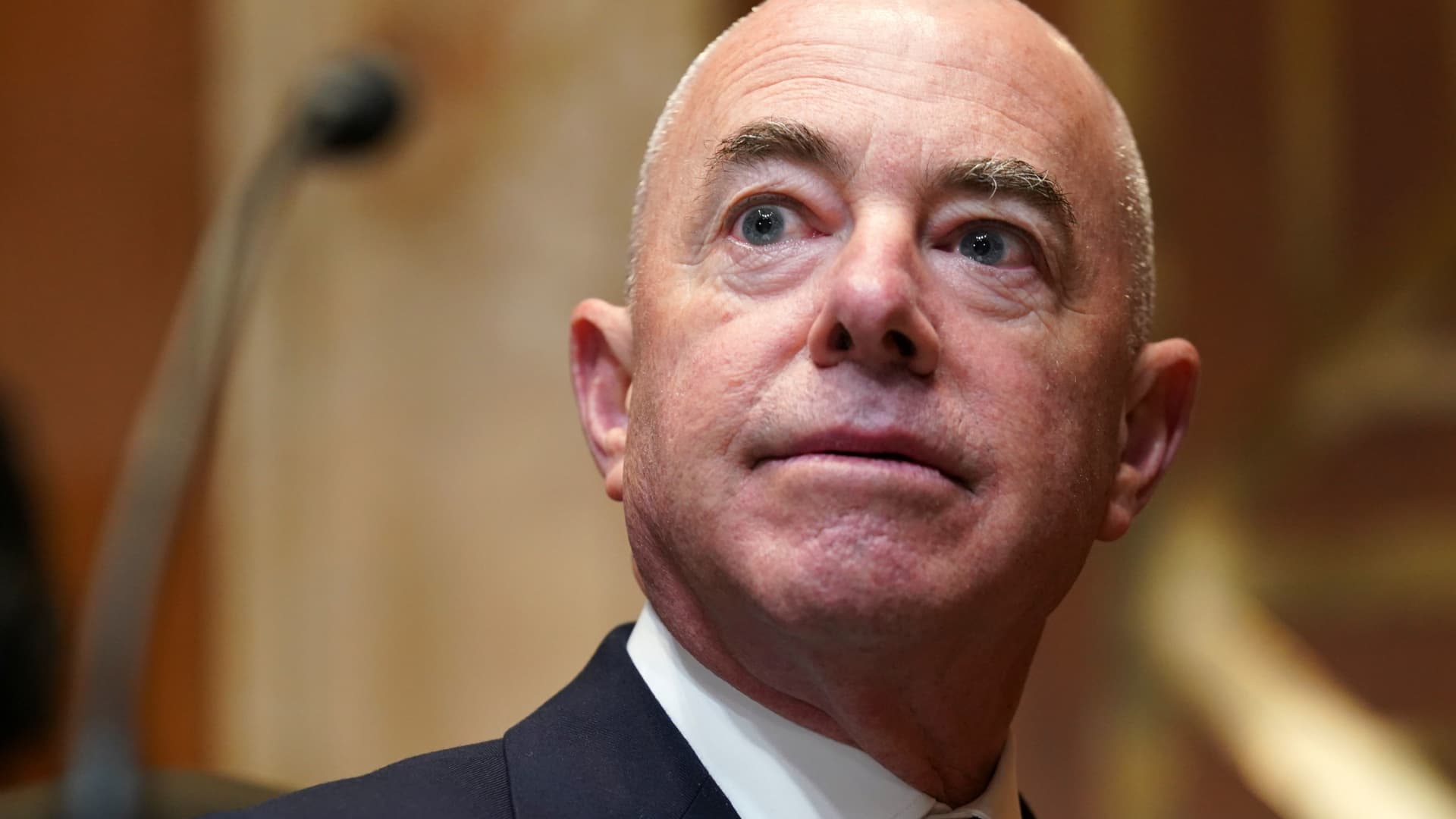
Eight Republicans joined Democrats in blocking a GOP-led effort to impeach Homeland Security Secretary Alejandro Mayorkas, dealing a blow to House conservatives. The vote sent the impeachment resolution back to the Homeland Security Committee for further consideration, avoiding a floor vote. This revealed a bloc of House Republicans willing to defy their party and block an impeachment that their base voters would have supported. The vote also comes amid an internal debate among House Republicans over whether to impeach President Joe Biden. The outcome of Mayorkas' case will likely influence party leaders as they decide their next steps.
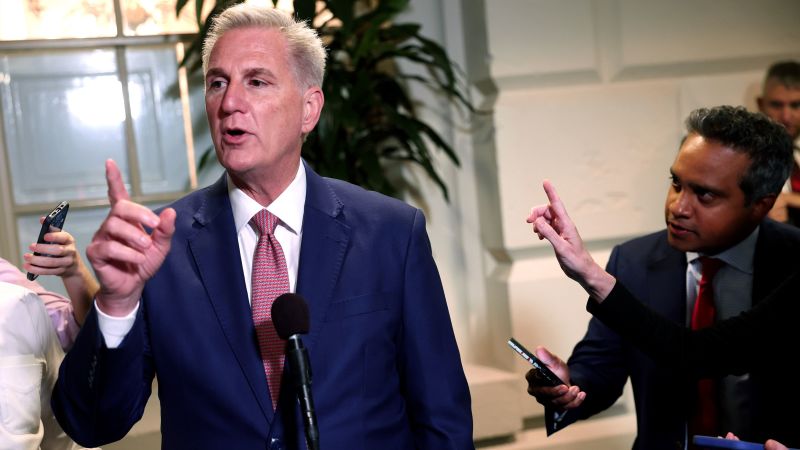
With just five days until federal funding expires, there is no viable plan in Congress to avert a government shutdown. House conservatives are pressuring Speaker Kevin McCarthy to choose between a shutdown or a vote to oust him from his leadership post. McCarthy is turning attention towards advancing spending bills, but it is unclear if they can advance amid deep divisions within the House Republican conference. Senate leaders are discussing a short-term bill to keep the government open, but there are questions about funding for natural disasters and Ukraine. A shutdown would have major impacts, including the halt of non-essential government operations and the furlough of civilian Defense Department employees.
House conservatives, mostly from the Trump-aligned Freedom Caucus, are seeking revenge on GOP leaders for what they see as Speaker Kevin McCarthy’s broken promises during the debt drama. They are now working to derail senior Republicans’ plans to pass even widely popular party priorities on the floor this week and are pushing for spending cuts this fall that would essentially renege on last week’s debt deal. McCarthy and his leadership team are still working to reach a truce with the members who are refusing to allow floor action, delivering a humiliating blow to the speaker days after a debt agreement that his allies considered a huge victory.
House conservatives, including members of the Trump-aligned House Freedom Caucus, staged a surprise protest on Tuesday, voting against moving forward on a bill they support, which disrupted the party’s plans to pass legislation protecting gas stoves from potential government bans. The move was unexpected by senior Republicans, and some GOP lawmakers fear it might be just the beginning of a conservative drive to undercut Speaker Kevin McCarthy’s team unless he keeps promises he made in order to win the House’s top gavel in January.
House conservatives, including members of the Freedom Caucus, joined Democrats in voting against a rule to advance four bills, blocking the legislation from advancing to the floor. The revolt was a result of opposition to the debt limit deal cut by Speaker Kevin McCarthy and President Biden just days before. The vote raises questions about GOP leaders' ability to pass their legislative agenda in the future.
House conservatives are growing increasingly unhappy with the emerging bipartisan debt deal, as details leak just days before a possible default. Among the details, according to a Republican, are an agreement to lift the debt limit through 2024, a procedure in place to incentivize Congress to pass all 12 spending bills, and a plan to claw back unspent Covid money. The rising conservative angst over what could resemble a final deal is a preview of the intense whipping operation that GOP leaders will need to begin once they've locked down an agreement.