Hezbollah's ongoing cross-border attacks have caused significant damage in northern Israel, leading to the evacuation of towns and villages and resulting in numerous casualties. The conflict, which began after Hamas's attack on October 7, has seen thousands of rockets and missiles launched, heavily impacting residential areas. Reconstruction efforts are expected to take months to a year, with many residents demanding urgent action to restore security.
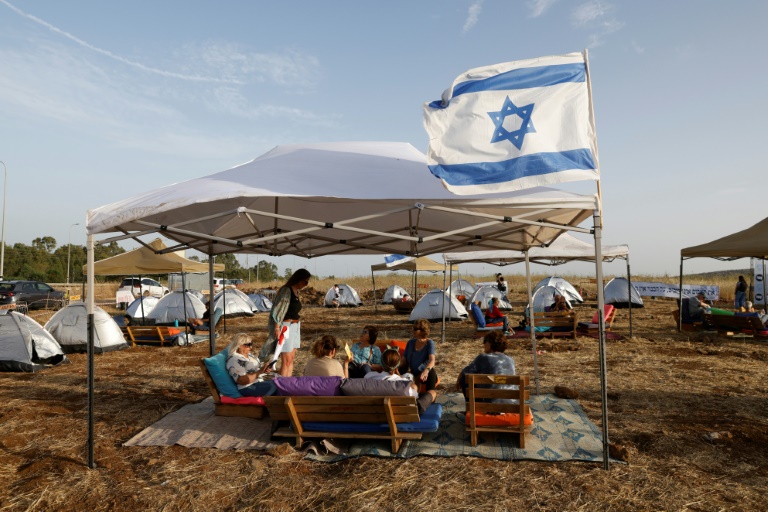
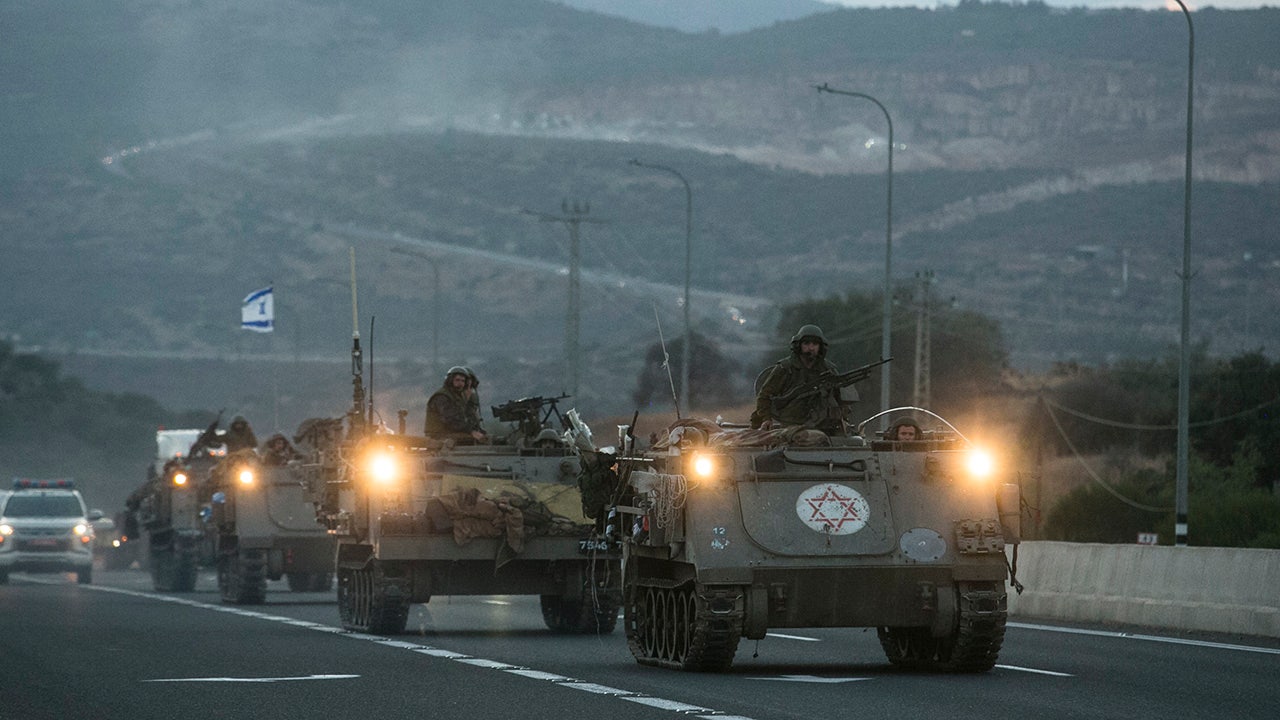
Israel is evacuating 28 communities along the northern border with Lebanon due to increased cross-border fire between Israel and Hezbollah. The evacuation plan, approved by the Israeli Defense Minister, will move residents to state-funded guesthouses. Israeli military spokesman Rear Adm. Daniel Hagari stated that the evacuation will allow Israeli forces to operate more effectively. The U.S. government has begun evacuating American citizens from Haifa to Cyprus, and Secretary of State Antony Blinken has returned to Israel for the second time in a week. Meanwhile, Israeli forces are positioned along Gaza's border, preparing for a broad campaign against Hamas. Iran has suggested that Hamas may release hostages if Israel stops its airstrikes on Gaza.
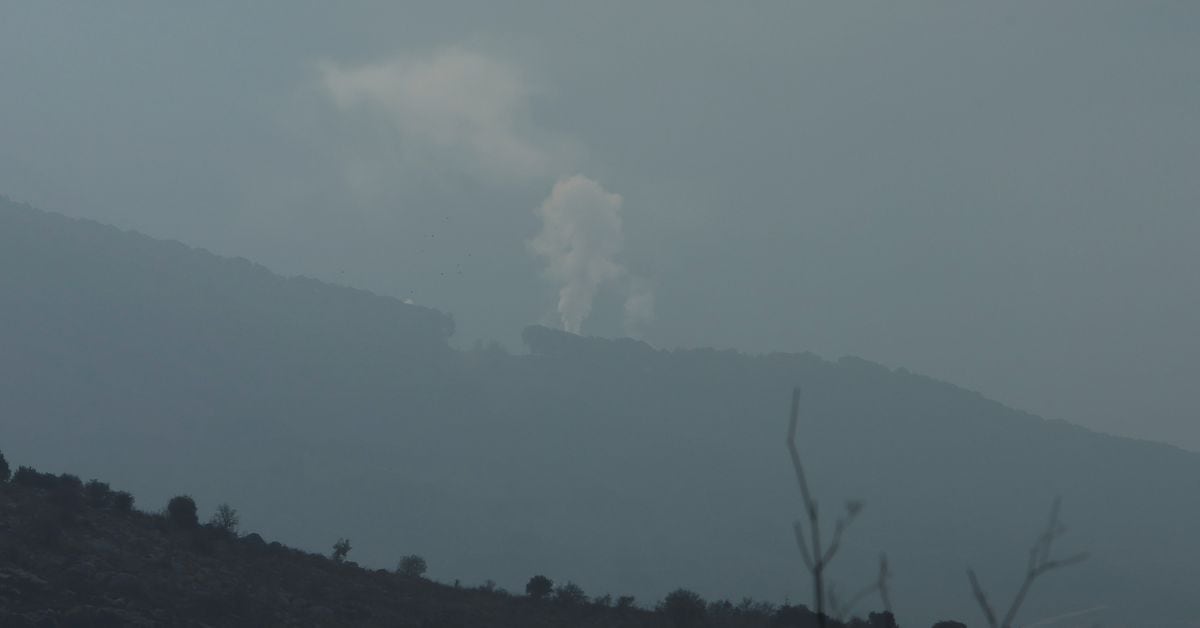
Israel launched artillery strikes into southern Lebanon in response to Hezbollah targeting three Israeli military positions in the disputed Shebaa Farms. There were no immediate reports of casualties. The cross-border fire follows a surprise attack by Palestinian gunmen on Israeli towns, resulting in significant casualties on both sides. Hezbollah claimed responsibility for the attack, stating it was in solidarity with the Palestinian people. Israel's military also reported striking a Hezbollah post in the area. The Shebaa Farms, a disputed territory, has been held by Israel since 1967, with both Syria and Lebanon claiming it as Lebanese territory. The United Nations peacekeeping mission in southern Lebanon has not yet commented on the situation.