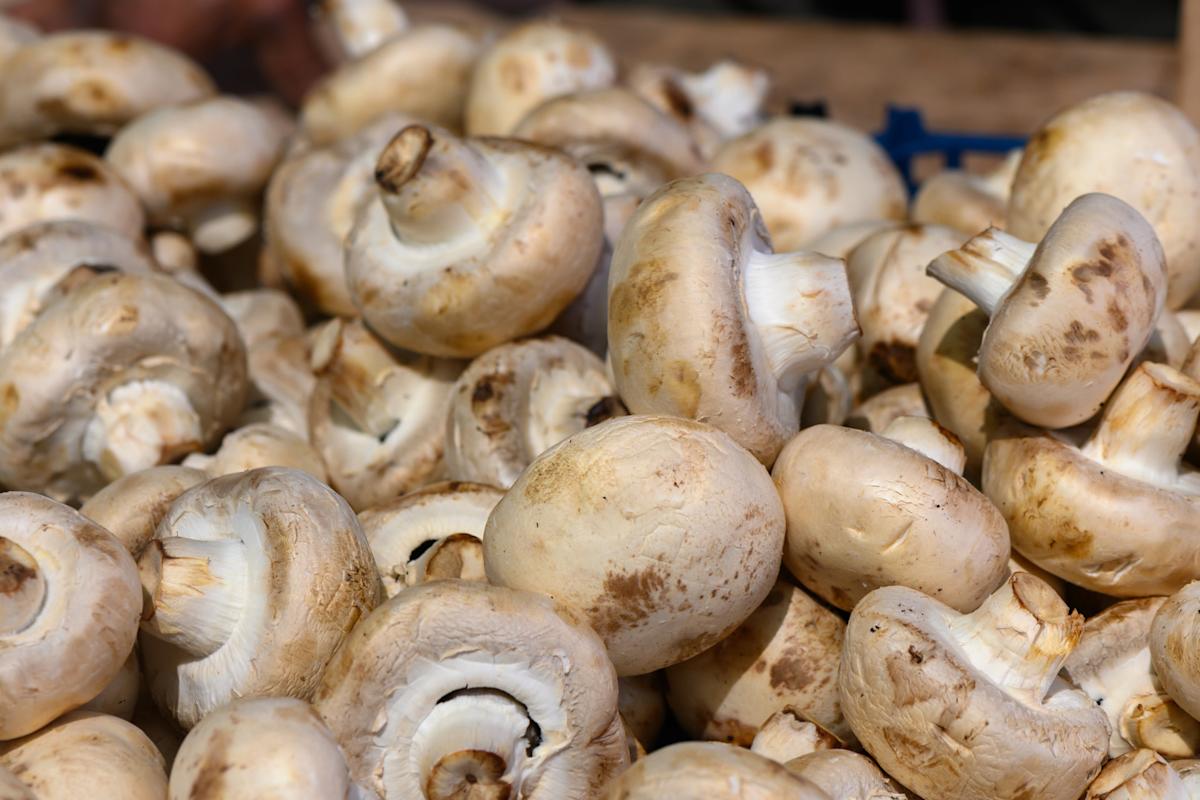
Researchers in China have discovered that adding mushrooms to composting processes can suppress pathogens, reduce antibiotic-resistant genes, and significantly boost crop growth, offering a promising sustainable solution to agricultural waste management.
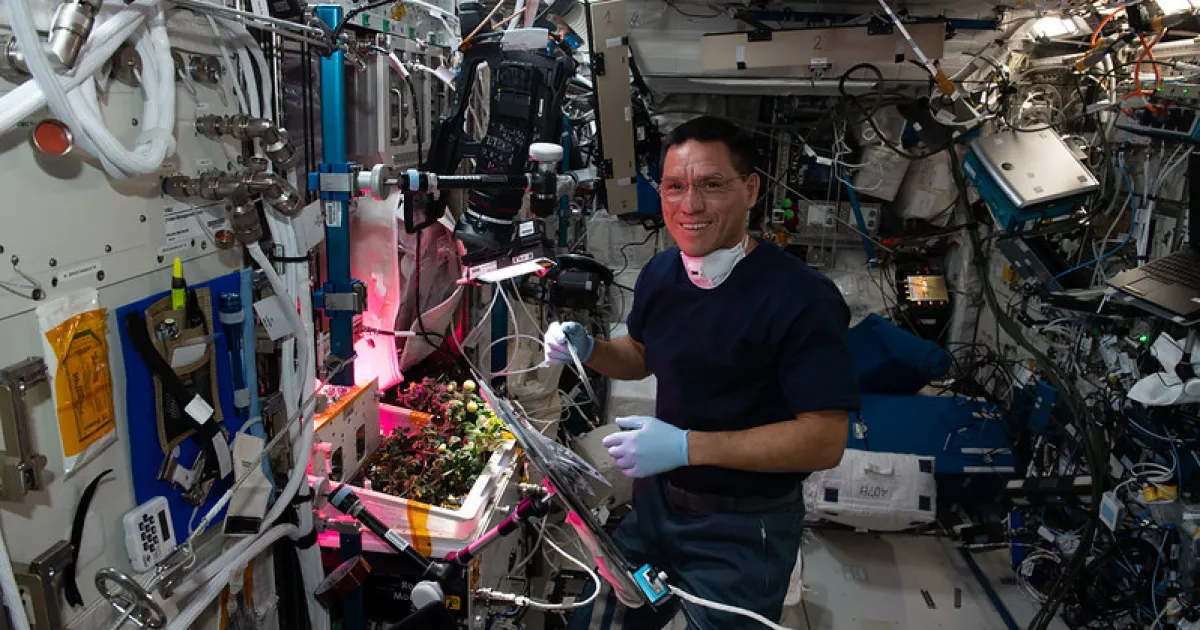
Astronaut Frank Rubio lost a tomato on the International Space Station (ISS) eight months ago, but it has finally been found. The tomato was part of ongoing experiments into growing crops on the ISS, and its disappearance was a challenge in the microgravity environment. Rubio spent hours searching for the tomato, which is highly prized by astronauts who primarily eat prepackaged foods. Growing fresh produce in space is important for both physical and mental health. The tomato reappeared during a livestream celebrating the ISS's 25th anniversary.
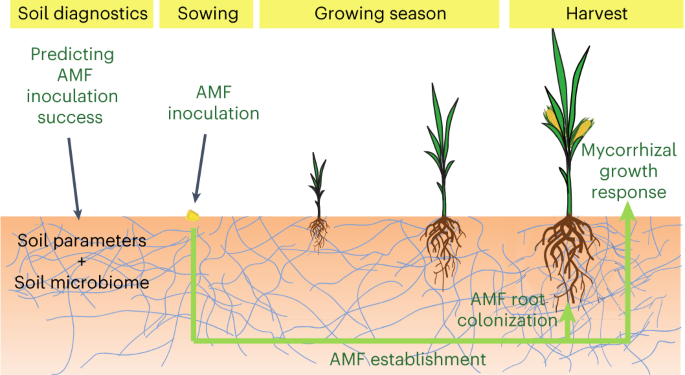
A study has found that the composition of the soil microbiome can serve as an indicator for predicting crop growth response to large-scale inoculation with arbuscular mycorrhizal fungi (AMF). The researchers analyzed the soil microbiomes of different agricultural fields and found that specific microbial communities were associated with enhanced crop growth in response to AMF inoculation. By using machine learning algorithms, they developed a predictive model that accurately identified the soil microbiome indicators for crop growth response to AMF inoculation. This research highlights the potential of using soil microbiome analysis as a tool for optimizing agricultural practices and improving crop productivity.
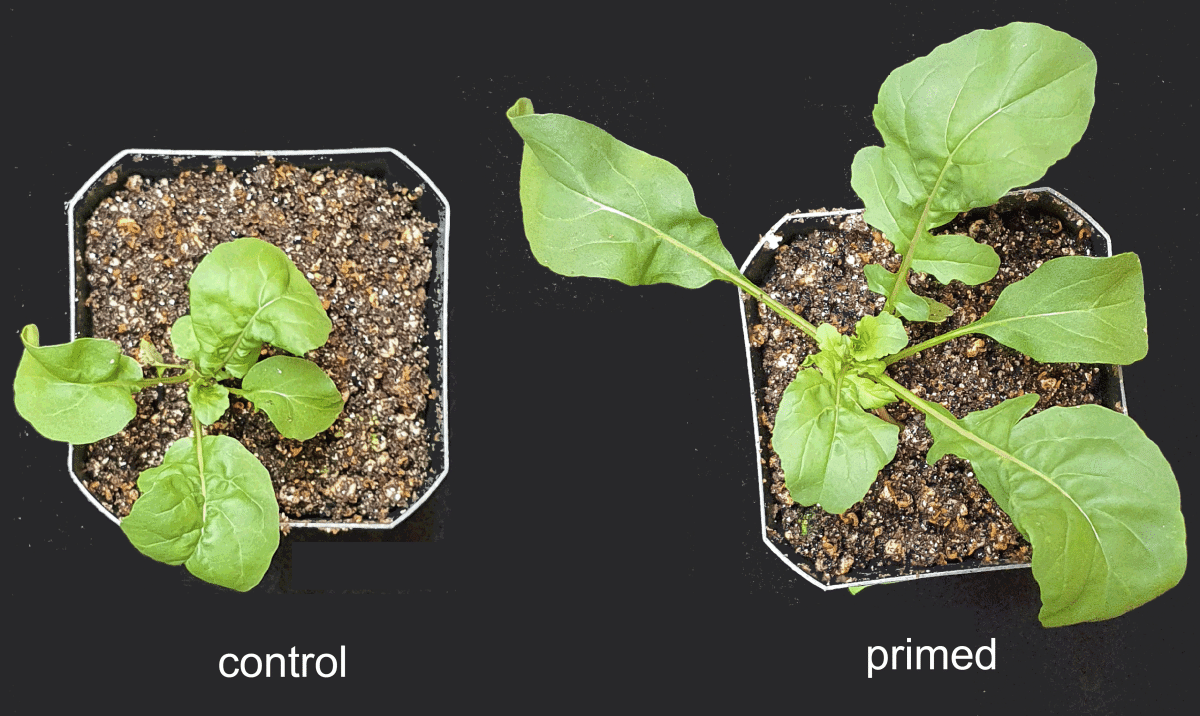
Applying ethylene, a growth hormone commonly used to ripen fruit, to seeds in a specific dosing protocol has been found to enhance the size, strength, and stress tolerance of crops. Researchers discovered that by treating seeds with ethylene in darkness and tapering off the hormone when seedlings were exposed to light, plants exhibited increased root growth, taller stature, and more abundant leaves. The treated plants also showed improved productivity from photosynthesis and demonstrated better survival rates under harsh conditions such as high temperatures and salinity. The findings suggest that controlled application of ethylene could be a viable method to manipulate crop growth and enhance stress tolerance in specific growing conditions. Further research will explore the impact of ethylene treatment on the yield of fruiting crops.