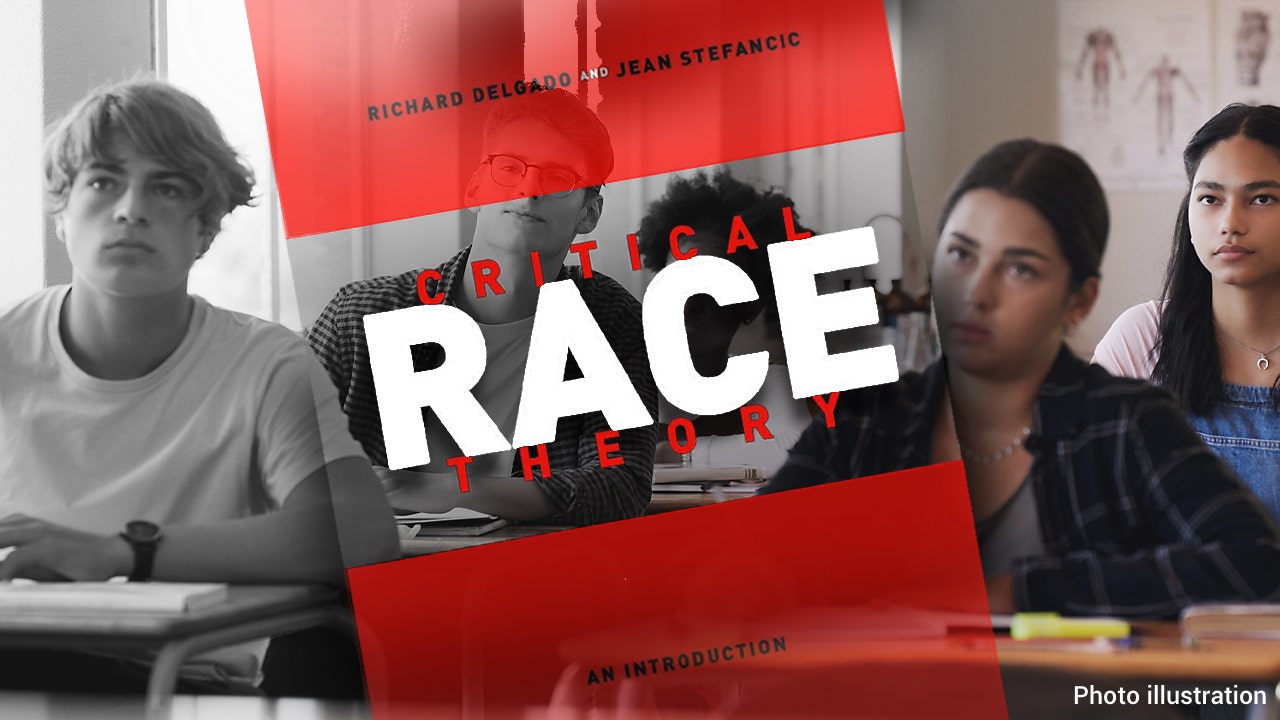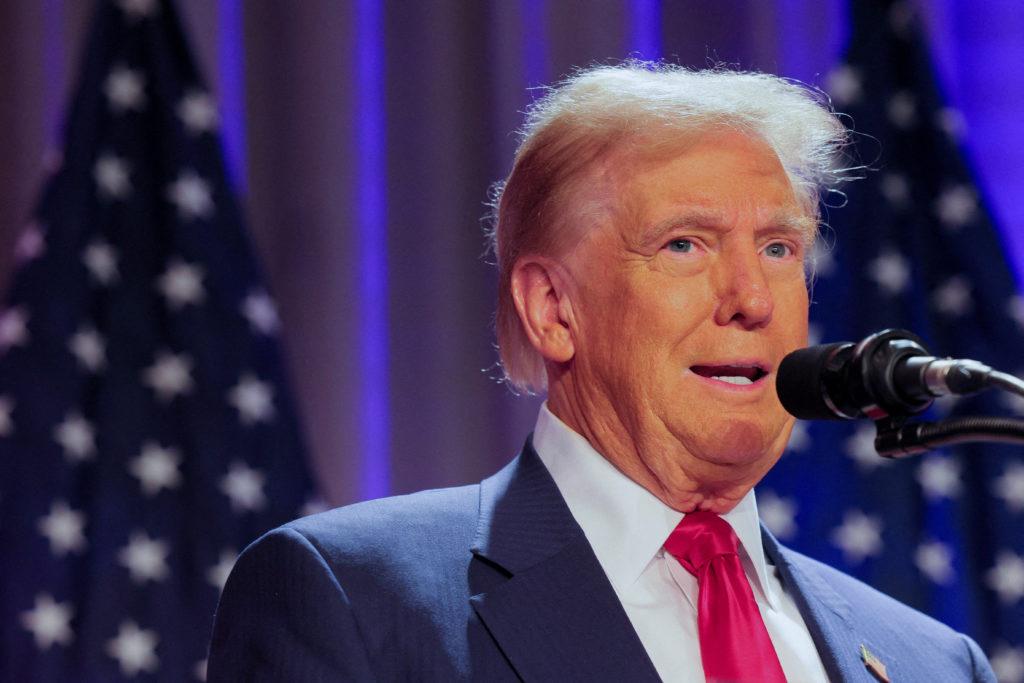
Donald Trump plans to use federal funding as leverage to eliminate 'wokeness' and 'left-wing indoctrination' from American schools. His education agenda includes banning lessons on gender identity and structural racism, abolishing diversity offices, and preventing transgender athletes from participating in girls' sports. Trump aims to cut funding for schools that oppose his policies and has proposed shutting down the U.S. Education Department. Critics argue his approach is politically motivated and could harm public education. Trump's plans may face legal and legislative challenges.
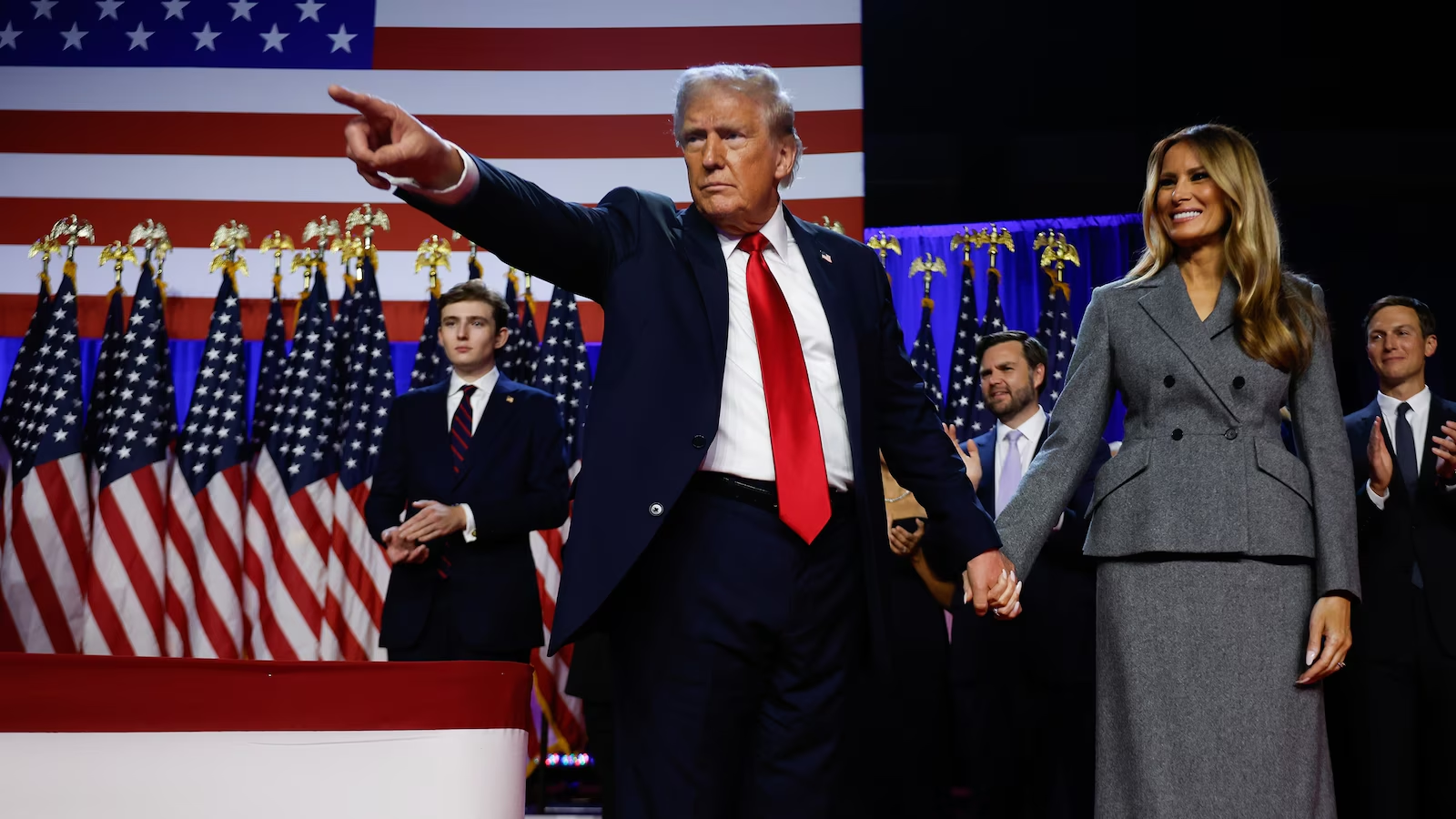
Former President Donald Trump, projected to return to the presidency, plans to dismantle the Department of Education, shifting control to states and restricting certain educational content. His agenda includes promoting school choice, ending teacher tenure, and introducing merit pay. Trump also aims to establish a new "American Academy" funded by taxing private universities, while emphasizing patriotism and limiting discussions on race and gender in schools.
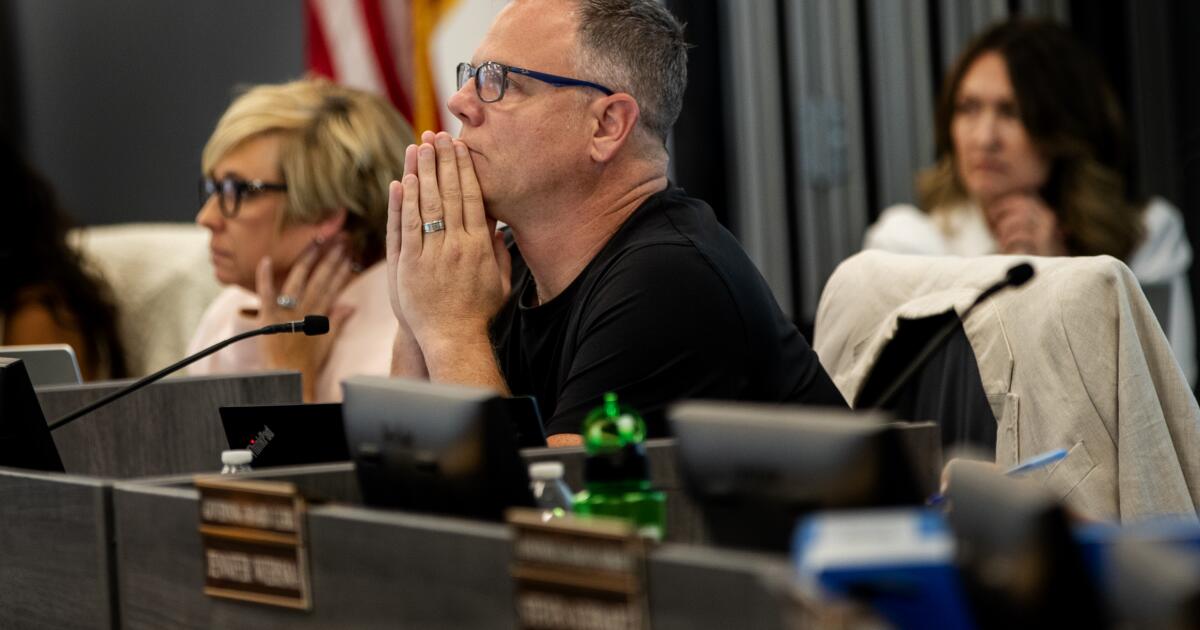
Temecula Valley school board President Joseph Komrosky, a religious conservative, is narrowly losing a recall election according to early results. Komrosky, elected in 2022, has been a controversial figure for pushing policies that limit discussions on racism, disallow Pride flags, and require disclosure of students' gender identities to parents. His policies have led to ongoing litigation and state threats of fines. The recall could end a 2-2 stalemate on the board, which has been embroiled in broader culture war issues affecting education.
An internal House memo reveals that the annual defense policy bill, the National Defense Authorization Act (NDAA), includes several wins for the GOP, such as provisions against "woke ideology" and funding for Critical Race Theory in the military, as well as a freeze on hiring for Diversity, Equity, and Inclusion (DEI) roles at the Pentagon. The NDAA also mandates a review of troop discharges related to COVID-19 vaccine refusal and ensures that discharged troops are aware of how to return to active duty if they choose. The bill advanced in the Senate and is expected to be voted on in the House next week.
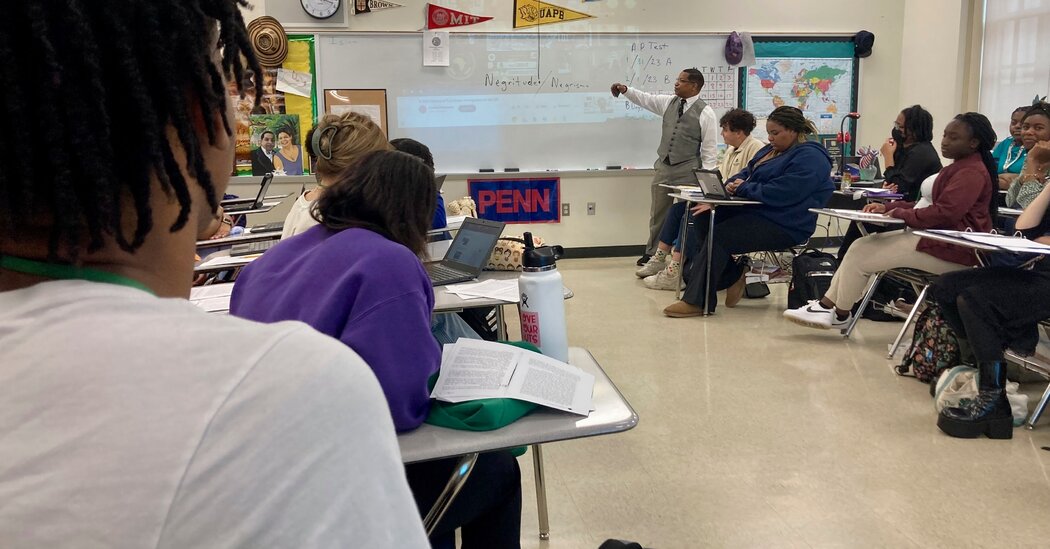
The final version of the College Board's AP African American studies course has been released, removing the heavy focus on critical race theory (CRT) and LGBTQ issues but retaining content on Black feminism and Colin Kaepernick's anti-police protest. The revisions were made following a year of friction between the College Board and Florida's Department of Education, which deemed certain subjects unfit for instruction in state classrooms. The revised curriculum includes mentions of systemic oppression and marginalization related to CRT, as well as the option to teach about the Black Lives Matter movement. It also covers topics such as intersectionality and the experiences of Black women during slavery.
The final version of the College Board's A.P. African American Studies course has been released, but it has faced criticism for avoiding certain disputed topics. The curriculum excludes critical race theory and structural racism, which scholars argue are essential concepts. L.G.B.T.Q. issues are also mostly absent, except for mentioning that civil rights leader Bayard Rustin was gay. The study of the Black Lives Matter movement is optional, despite the course's origins around it. However, the course does include the concepts of systemic oppression, systemic marginalization, intersectionality, Black feminism, and police violence. The College Board has not provided an explanation for the exclusions.
A diversity teacher in a Colorado public school expressed frustration in private emails, stating that he was struggling with the urge to "burn things down" due to staff resistance to his equity agenda. The teacher, Casey Menninger, wanted classes to focus on the negative actions of white people. Staff members were found to be critical of his diversity, equity, and inclusion (DEI) class. The emails also revealed a lack of support and understanding from colleagues. The district and Menninger have not yet responded to requests for comment.
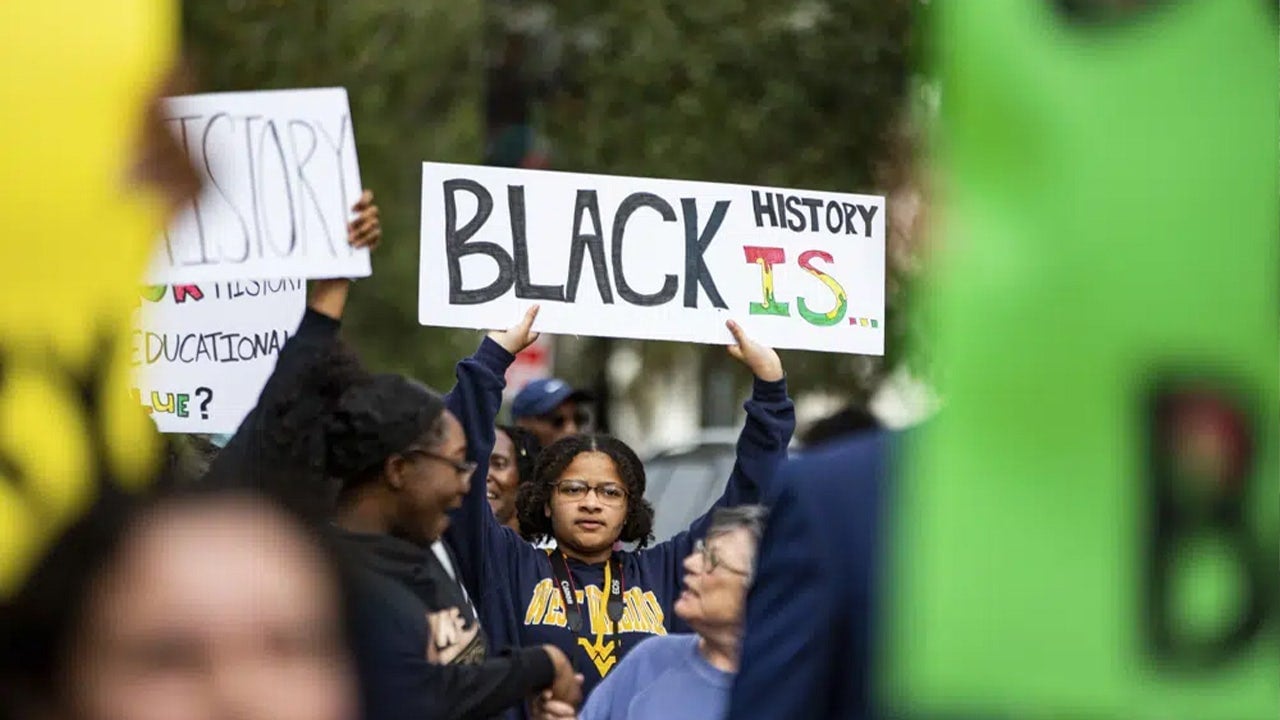
Historically Black colleges and universities (HBCUs) participating in the 60th anniversary of the March on Washington aim to draw attention to the threats facing the teaching of Black history. These threats include new state laws targeting critical race theory and an increase in book bans, with a significant number of banned books focusing on race and racism. HBCUs play a crucial role in providing educational opportunities for Black Americans, and the March on Washington serves as a platform to emphasize their continued importance. The fight over how to teach race extends beyond Florida, with hundreds of measures introduced nationwide to restrict teaching about race and racism. HBCUs and activists are determined to ensure that Black history is taught accurately and preserved for future generations.
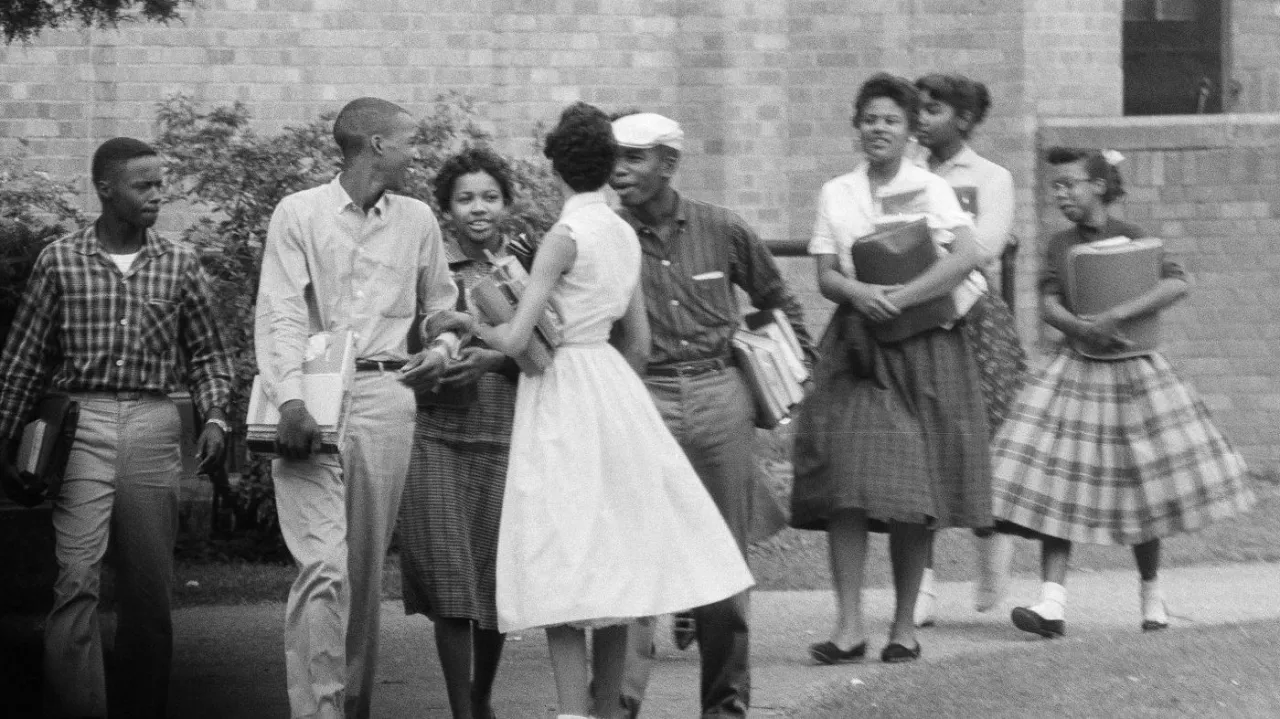
Surviving members of the Little Rock Nine, who desegregated Little Rock Central High School in 1957, are criticizing the Arkansas Department of Education's decision to drop the Advanced Placement (AP) African American studies course from its schools. The department claims the course is still in a pilot stage and cannot be accepted until revisions are finalized. Two members of the Little Rock Nine expressed their disappointment, stating that attempts to erase history are working for the Republican Party. Arkansas Governor Sarah Huckabee Sanders ordered a review of the curriculum earlier this year after the state banned critical race theory. The Little Rock School District will continue offering the course despite the restrictions.
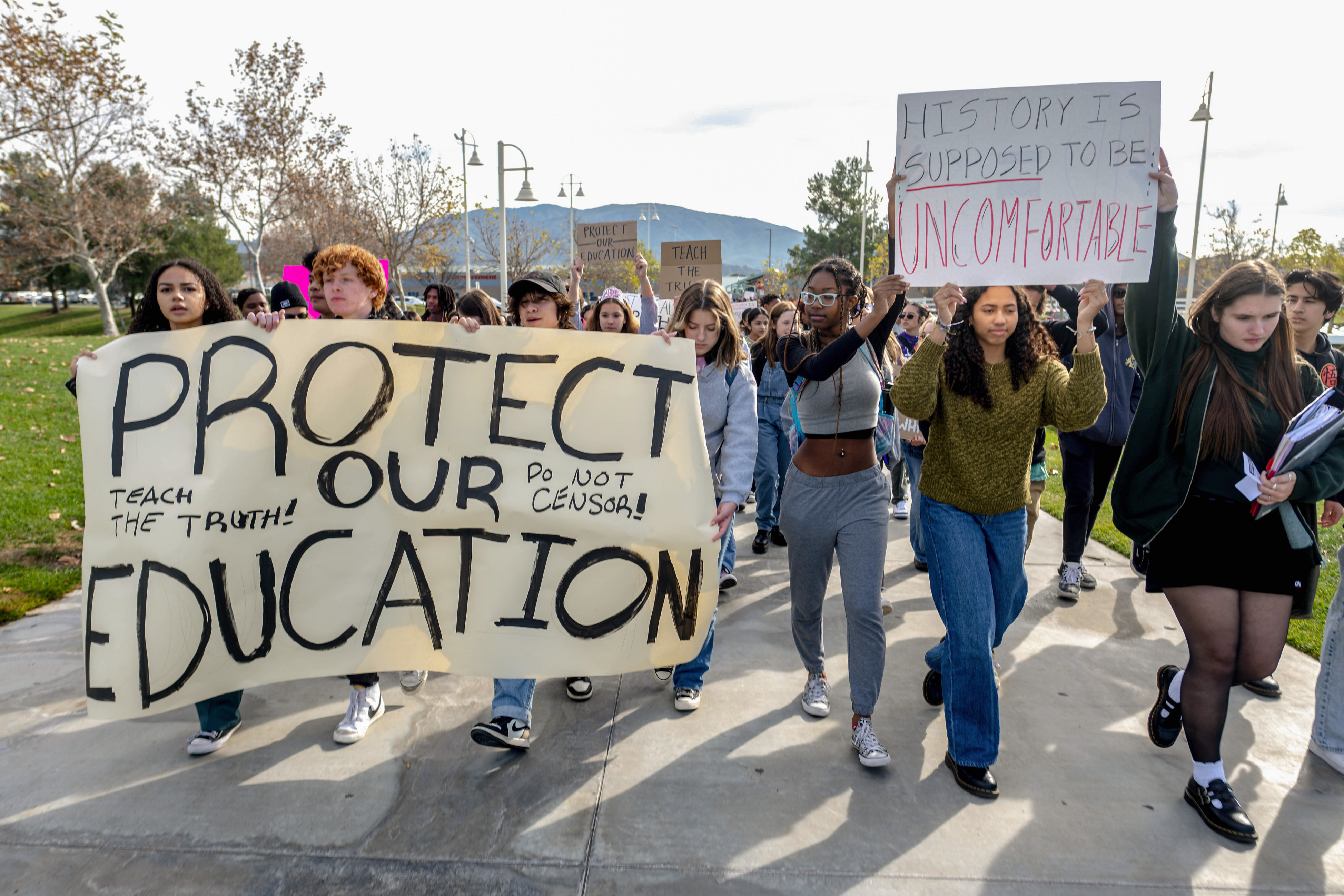
The Temecula Valley Unified School District in California is facing a lawsuit over its ban on critical race theory, which was approved by the school board's conservative majority. The lawsuit, filed by nonprofit group Public Counsel on behalf of students, parents, and teachers, argues that the ban censors teachers and infringes on students' right to an education. The policy has been used to prevent the teaching of concepts that conflict with the board's ideological viewpoints, including LGBTQ rights and the existence of racism. Teachers and students have protested, claiming their constitutional rights are threatened. The lawsuit comes after a resolution passed by the board in December 2022 that banned critical race theory.
A hearing in Nebraska on parent involvement in education devolved into discussions about slavery, critical race theory, pornography, and the influence of Bill Gates on curriculum evaluation. State Senator Dave Murman and his handpicked testifiers expressed concerns about parents' ability to review objectionable materials in schools and push back against certain aspects of the curriculum. However, school leaders testified that Nebraska already has policies in place to address parent involvement, library content, and curriculum. The hearing also touched on social and emotional learning (SEL), with some conservatives viewing it as a gateway to teaching critical race theory. The debate over what should be taught in schools and who gets to decide was a central theme, with tensions between social issues and academic performance. The hearing highlighted the ongoing battles over books, student privacy, and the role of unions in education.
Three school board members in Temecula, Southern California, who were backed by a far-right pastor, are facing a recall effort and a civil rights investigation after banning critical race theory and rejecting social studies materials that included LGBTQ rights hero Harvey Milk. Students, parents, and teachers have been protesting and attending board meetings, expressing their frustration with the town becoming consumed by partisan warfare. The religious right's attempt to jump into the parental rights movement has faced backlash, and the strategy of banning certain books and challenging curriculum has split Republicans and polled poorly with independent voters. Local Democrats are looking to capitalize on the situation, seeing an opportunity to win down-ballot races.
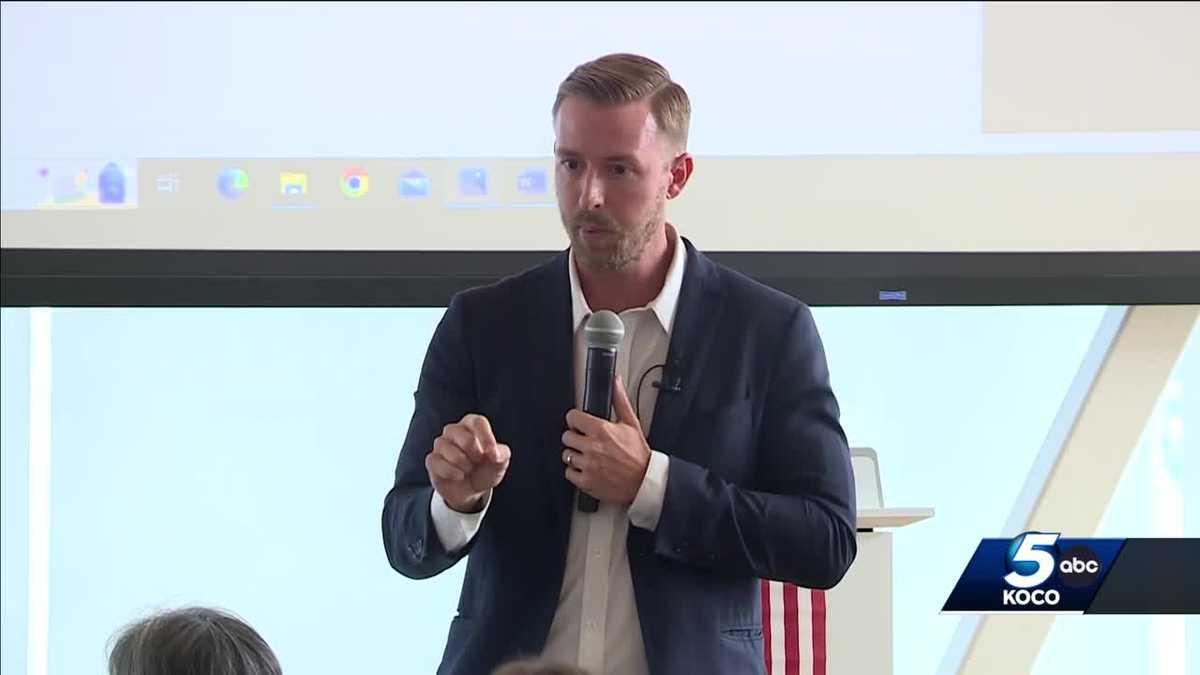
Oklahoma State Superintendent Ryan Walters faced backlash after comments he made about the Tulsa Race Massacre during a speaking engagement. Walters clarified that he would never tell a child that they are less of a person or inherently racist based on their skin color, but he believes that judging individuals' actions is important. Some opponents claimed Walters denied the racial aspect of the massacre, but he argued that he was misquoted and rejected the idea that race defines a person. The exchange went viral, with Walters accusing reporters of twisting his words. He later released a statement affirming that the massacre was racist and inexcusable, emphasizing the importance of accurate history education and not making children feel inferior based on their race.
State Superintendent Ryan Walters faced backlash for his comments on teaching about the Tulsa Race Massacre while avoiding conflicts with a state law banning critical race theory. Walters rejected the idea that race defines a person and stated that skin color should not determine judgment. Protestors gathered at a Republican event to express their disagreement with his remarks.
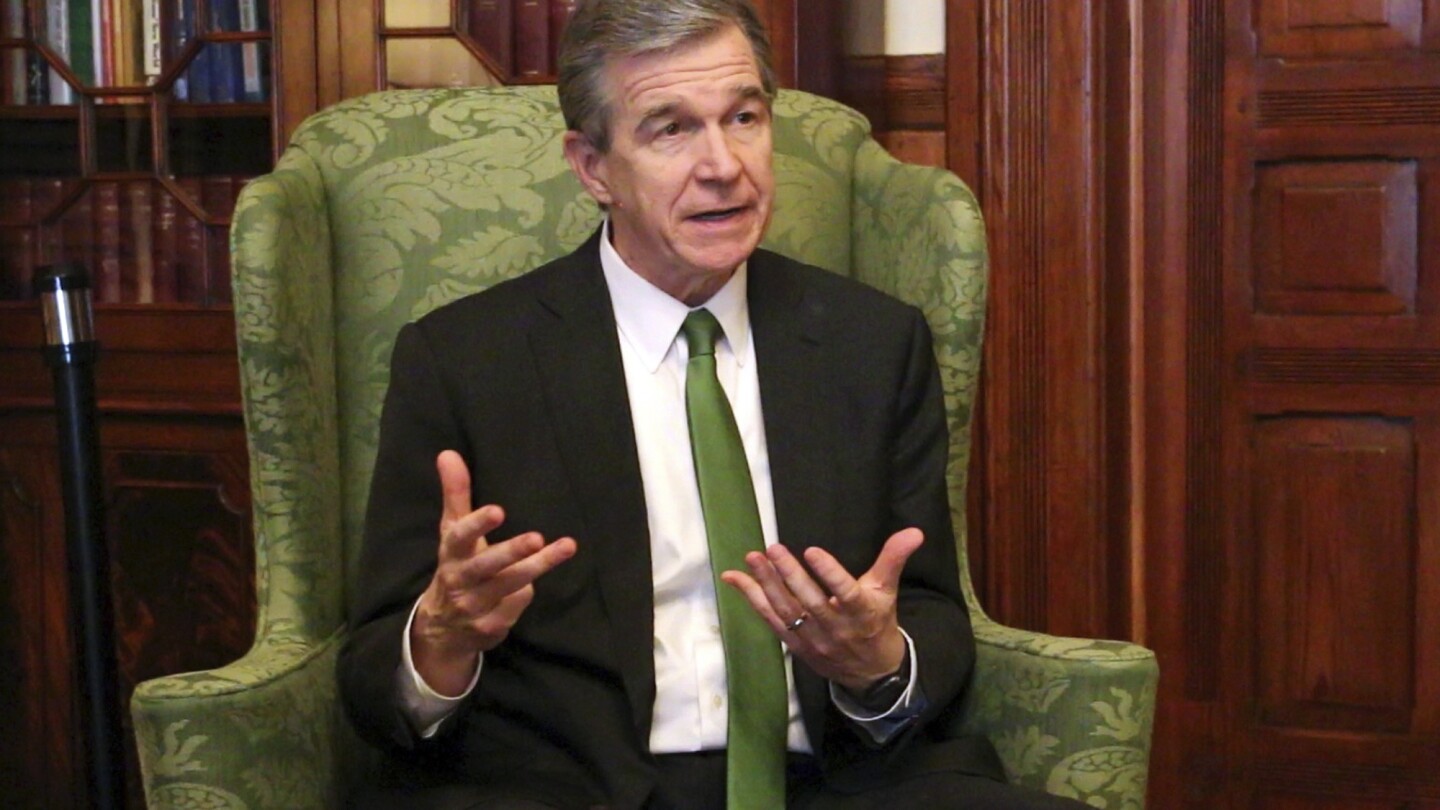
North Carolina's GOP-dominated legislature has successfully overridden six bills, including one that prohibits the promotion of certain beliefs in state government workplaces, which some lawmakers compare to critical race theory, and another that imposes new limits on wetlands protection rules. These overrides come after Republican lawmakers gained veto-proof majorities in each chamber, signaling their increased political power. Democratic Governor Roy Cooper had previously been able to block GOP measures with vetoes due to support from Democrats. The new laws also address green investing, consumer loans, and local government finances.