The final version of the College Board's AP African American studies course has been released, removing the heavy focus on critical race theory (CRT) and LGBTQ issues but retaining content on Black feminism and Colin Kaepernick's anti-police protest. The revisions were made following a year of friction between the College Board and Florida's Department of Education, which deemed certain subjects unfit for instruction in state classrooms. The revised curriculum includes mentions of systemic oppression and marginalization related to CRT, as well as the option to teach about the Black Lives Matter movement. It also covers topics such as intersectionality and the experiences of Black women during slavery.

The College Board has released an updated framework for its AP African American Studies course, following controversy and criticism from conservative critics earlier this year. The new framework, set to launch in the 2024-2025 school year, aims to provide a broader perspective on the subject. The revised curriculum includes references to Colin Kaepernick's protest and Black Lives Matter, but excludes topics previously criticized by Florida Governor Ron DeSantis, such as the Black queer experience. The course is currently being piloted by approximately 13,000 students in 700 schools across the United States.
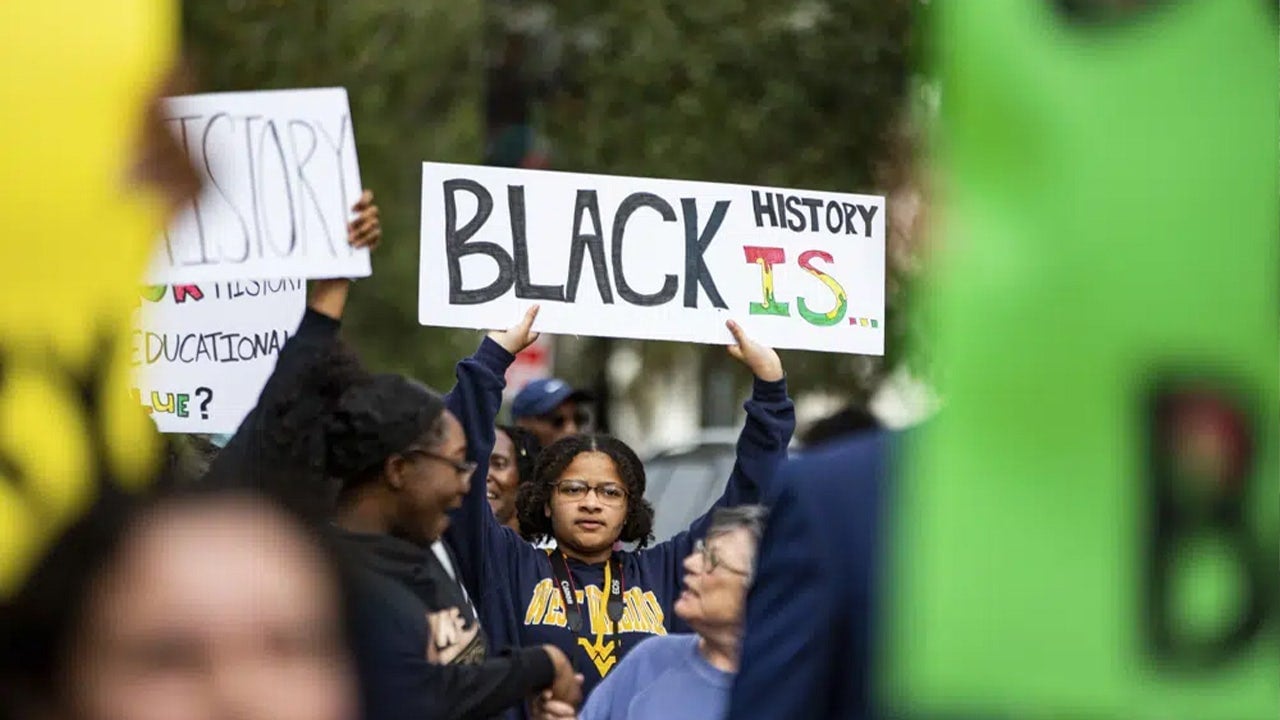
Students in the Advanced Placement (AP) African American Studies course are speaking out in support of the class, stating that it is "history that everybody should know." The course, which traces the Black experience from early African kingdoms to slavery and the civil rights movement, has faced pushback from Republican leaders who claim it promotes "woke-ism" and indoctrination. Despite the controversy, students argue that the class has changed their perspective on Black history and should be accessible to all. The College Board, which designs AP classes, plans to make the course available to any U.S. high school next year, but it has faced criticism for removing content on systemic racism and the Black Lives Matter movement.
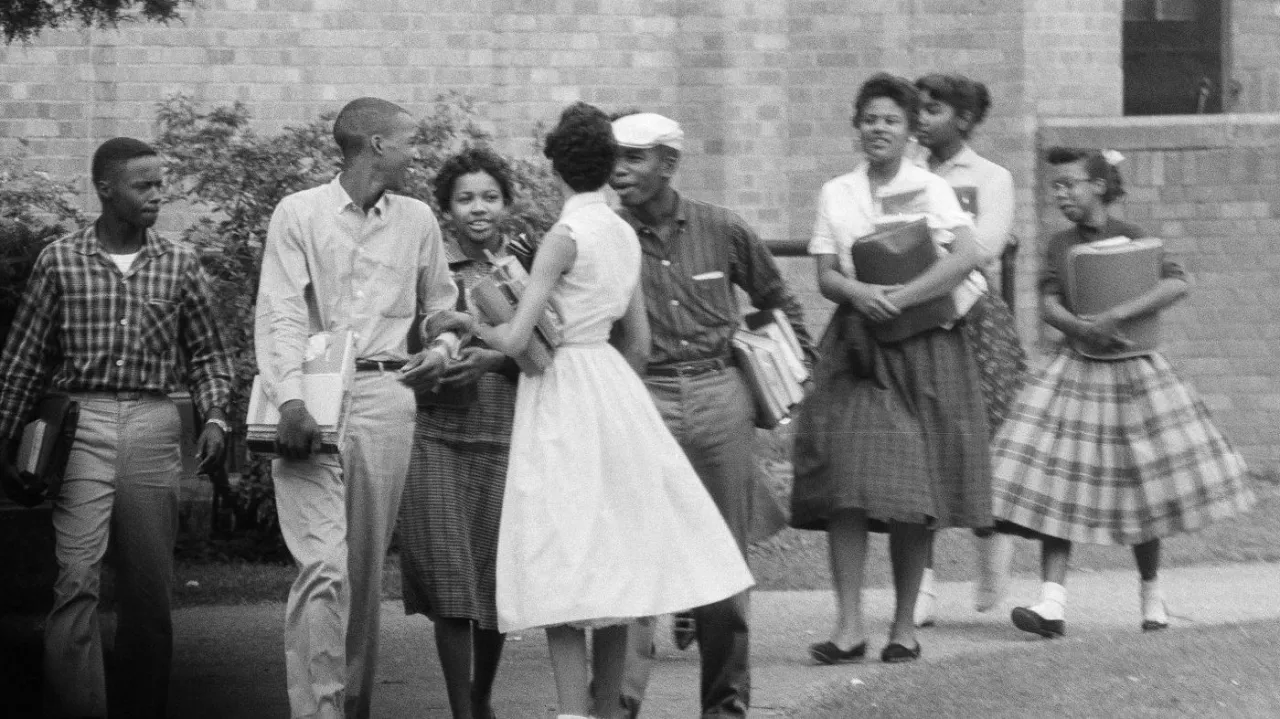
Surviving members of the Little Rock Nine, who desegregated Little Rock Central High School in 1957, are criticizing the Arkansas Department of Education's decision to drop the Advanced Placement (AP) African American studies course from its schools. The department claims the course is still in a pilot stage and cannot be accepted until revisions are finalized. Two members of the Little Rock Nine expressed their disappointment, stating that attempts to erase history are working for the Republican Party. Arkansas Governor Sarah Huckabee Sanders ordered a review of the curriculum earlier this year after the state banned critical race theory. The Little Rock School District will continue offering the course despite the restrictions.
The Arkansas Department of Education has revoked approval for the AP African American Studies course in high schools due to a new law banning the teaching of certain topics. The decision has disappointed students who were looking forward to taking the course, which offers valuable information about history. The course is currently undergoing revisions and may potentially violate Arkansas laws on teaching implicit bias and critical race theory. While districts can still choose to offer the class for high school credit, there is no statewide pilot. The state is working on creating an honors version of the course, but it may not articulate into college credit, although individual institutions can choose to accept it.
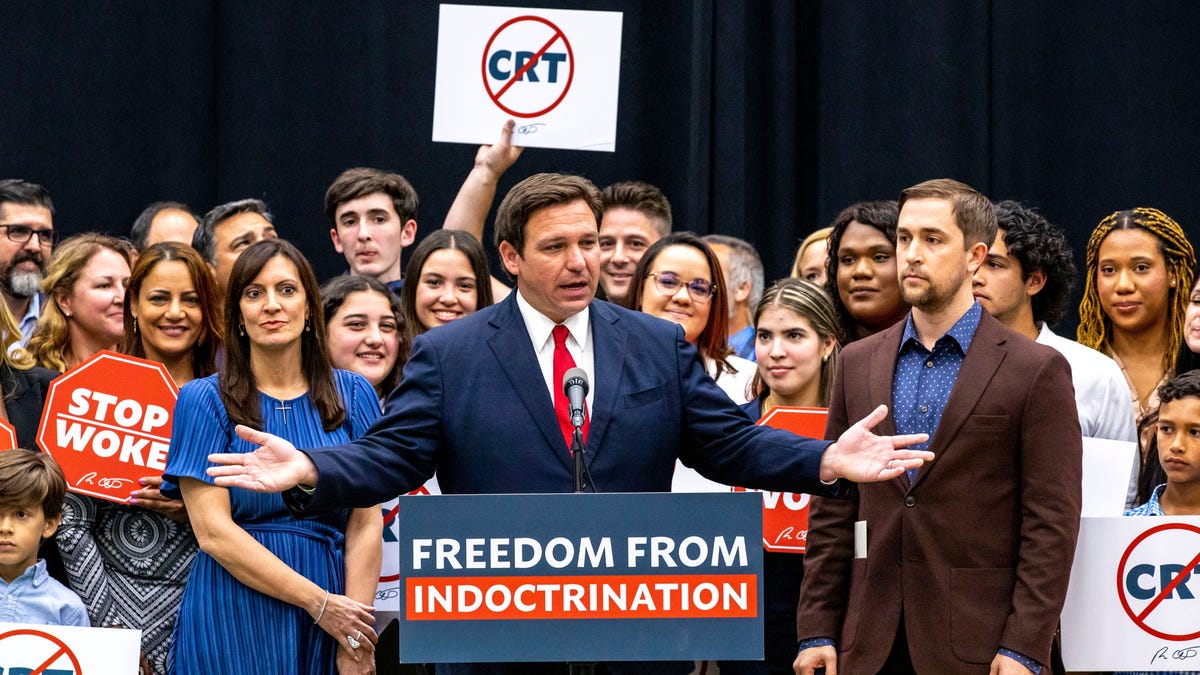
Florida Governor Ron DeSantis has banned the AP African American Studies course, claiming it violates state law and lacks educational value. The College Board, which develops AP courses, responded by stating that the course was still in its pilot phase and not yet finished. However, the controversy escalated when the curriculum was released in February, and it appeared to omit some of the writers and concepts that DeSantis’ government had specifically taken issue with. The backlash has been powerful, with civil rights leaders and activists protesting against what they say is an attack on Black history and Black Floridians.