CDK Global, a company managing financial transactions for 15,000 U.S. car dealers, paid a $25 million ransom in bitcoin to end a two-week cyberattack by the BlackSuit ransomware group. The attack forced dealers to revert to manual processes, likely impacting June vehicle sales. CDK has not commented on the incident.
The Wisconsin Department of Transportation revoked the licenses of Avonti Auto LLC and Rev’d Up Auto Ltd for failing to maintain a required dealer bond, a measure meant to protect consumers from illegal actions by dealers. Neither business appealed the decision, making the revocation final.
Despite record-breaking electric vehicle (EV) sales in the U.S. in 2023, car dealers have opposed the Environmental Protection Agency's plan to increase EV sales, citing low consumer demand, inadequate charging infrastructure, and reduced tax incentives. However, automakers saw significant increases in EV sales, with concerns about dealer profits, inventory levels, and lack of education about EVs contributing to the pushback. While some strategic blunders by automakers have impacted EV demand, the EV revolution is underway, and dealers may benefit from focusing on education and adapting to the changing automotive landscape.
A majority of car dealers in the US are complaining that the government is pushing them too quickly into the electric vehicle (EV) future, with concerns about the impact on their business. Dealers have traditionally relied on servicing vehicles with repairs and maintenance, but EVs have fewer moving parts and don't require oil changes, leading to potential profit challenges. A survey of dealers revealed unfavorable opinions about EVs and doubts about consumer demand, despite the growing popularity of electric vehicles. This resistance from dealers poses a challenge for automakers as they navigate the transition to EVs.
The Federal Trade Commission has introduced new regulations, known as the Combating Auto Retail Scams Rule, to prevent car dealers from engaging in deceptive practices such as hidden fees and bait-and-switch pricing. These tactics cost US auto consumers $3.4 billion annually and add 72 million hours to their shopping time. The rule prohibits misrepresentations about price, requires dealers to disclose the actual price, and bans add-on items that provide no value to consumers. It also prevents dealers from falsely suggesting military affiliations. The FTC hopes these regulations will create a fair and honest marketplace for car buyers.
Car dealers in various regions are expressing concerns about the challenges of selling electric vehicles (EVs) due to consumer worries about range, reliability, and pricing. Many potential EV buyers are hesitant to make the switch, citing concerns about the accessibility of charging infrastructure compared to traditional gas stations.
General Motors (GM) is revamping the Bolt EUV to offer an affordable electric vehicle (EV) option in response to the increasing demand for affordable EVs. The updated Bolt EUV is expected to be available in about two months and will be priced below $20,000 after the $7,500 federal tax credit. However, buyers need to be cautious of dealers who may try to keep a portion of the tax credit for themselves. Additionally, the production of the current generation of Bolts will end on December 20th, so interested buyers should act quickly to secure this affordable EV deal.
The Treasury Department has provided guidance on how car dealers can offer immediate access to federal tax credits for electric vehicles (EVs), aiming to encourage more people, especially lower-income buyers, to purchase EVs. The guidance allows dealers to reduce the price of an EV by up to $7,500 at the time of purchase, rather than waiting for the annual tax filing. The Biden administration hopes this immediate refund will boost EV sales and help achieve its goal of 50% EV market share by 2030. Dealers must register with the IRS to offer the credit at the point of sale, and buyers must confirm they meet the income limit. The proposed rule makes the EV tax credit refundable, and dealers can expect to be refunded within 72 hours of a sale.
Vietnamese electric-vehicle maker VinFast, which recently debuted on the Nasdaq, has announced a change in its distribution model for the US market, shifting from a direct-to-consumer approach to selling through dealers. While some US dealers are open to the idea, they are cautious and seek more details about VinFast's plans, including sales strategy, dealer requirements, parts distribution, and vehicle warranty. VinFast faces challenges as it competes with established brands and other EV startups, and dealers are concerned about the company's longevity, parts availability, and reputation. However, some dealers see potential in unique opportunities and are willing to take the risk if VinFast offers attractive profit margins and industry-leading warranty coverage.
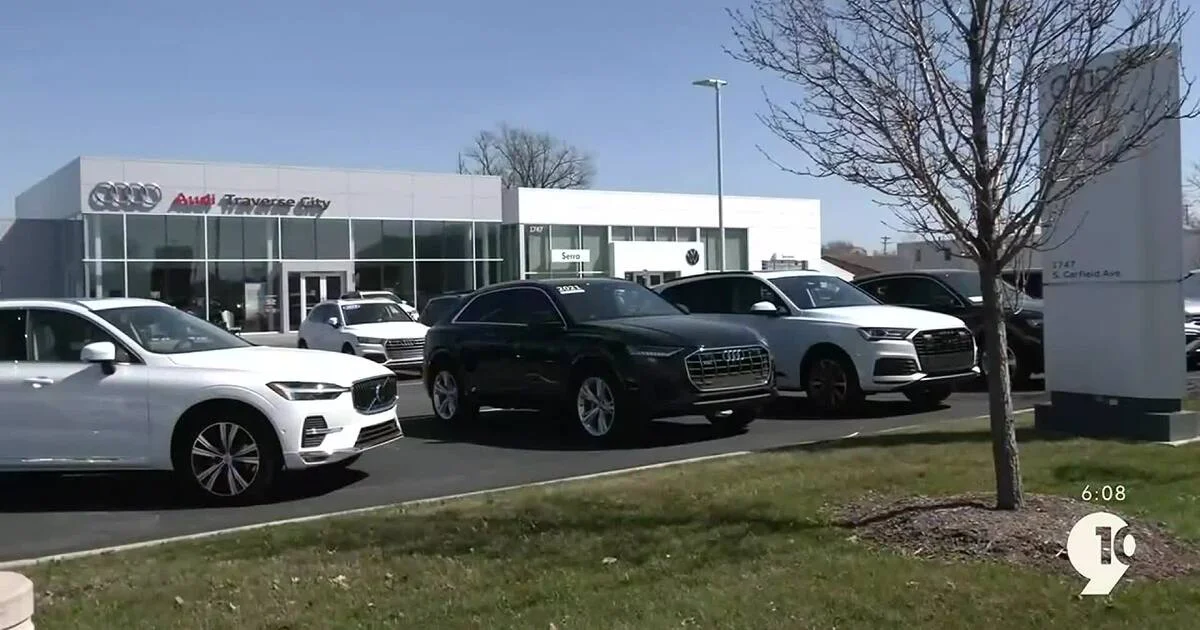
The Biden Administration has proposed stricter regulations for EPA limits that would require two-thirds of new cars sold in the U.S. to be electric by 2032. The proposed rules are expected to accelerate the transition to electric and boost electric car sales. Car dealerships in Northern Michigan are ready for the change, with proper infrastructure, tooling, and training already in place. Consumers Energy also sees growth in the industry as automakers offer more electric vehicles.