The article discusses how political discourse often conflates different desirable qualities like bipartisanship, consensus, moderation, and civility, which can be problematic because these qualities are desirable for different reasons and can sometimes support bad policies, such as bipartisan consensus on national debt or abortion rights.
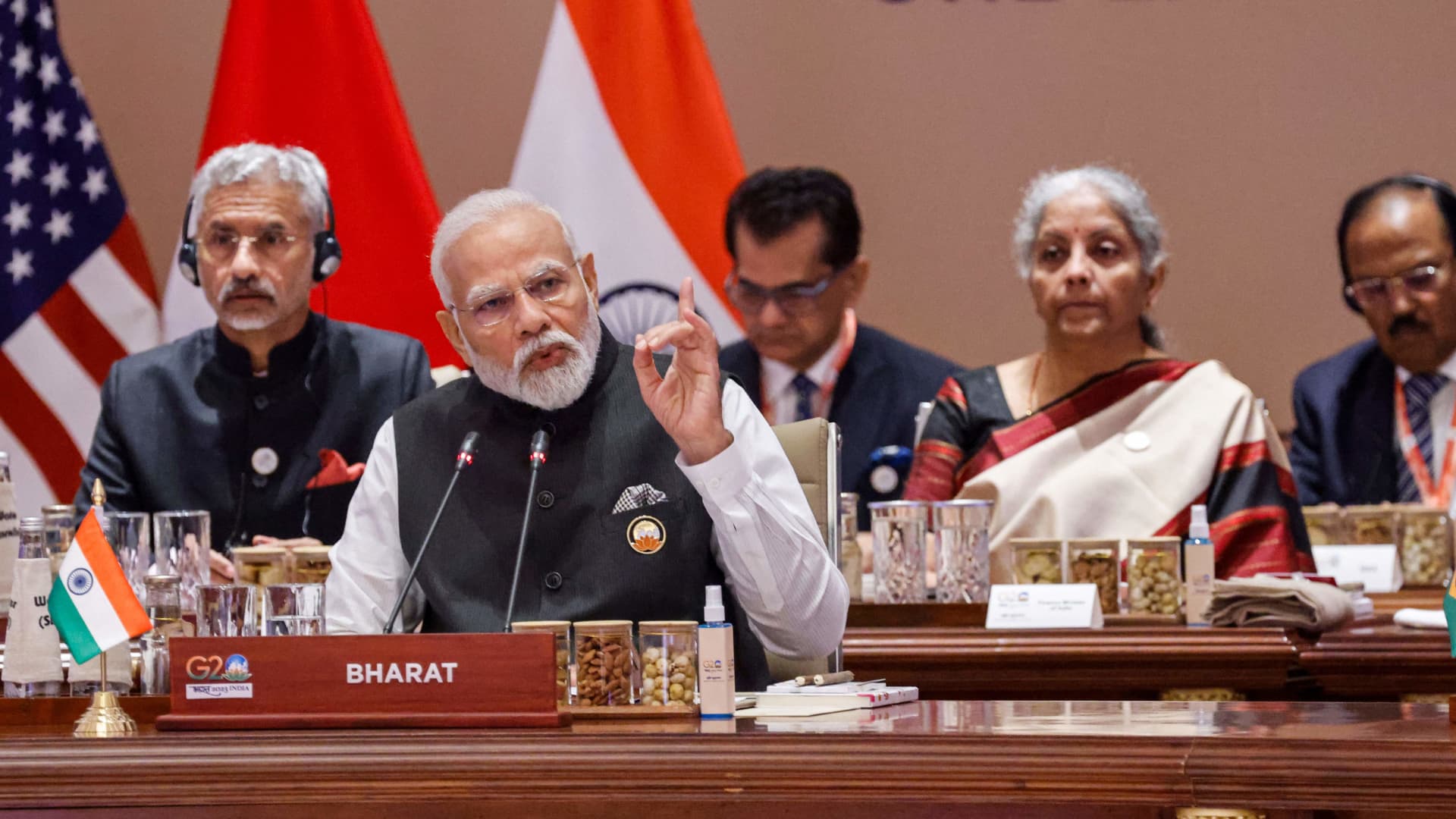
Four Indian diplomats from the Foreign Service played a crucial role in crafting the G20 leaders' declaration, achieving complete consensus among member countries. The team consisted of Abhay Thakur, Nagaraj Naidu Kakanur, Eenam Gambhir, and Ashish Sinha, who brought their expertise in languages, multilateral experience, and negotiation skills to the table. Through months of hard work and strategic negotiations, including enlisting the support of Brazil and South Africa, the team successfully reached a consensus on key issues. Their efforts were acknowledged and praised by India's G20 Sherpa Amitabh Kant, who highlighted their outstanding teamwork in achieving a consensus that had eluded the world.
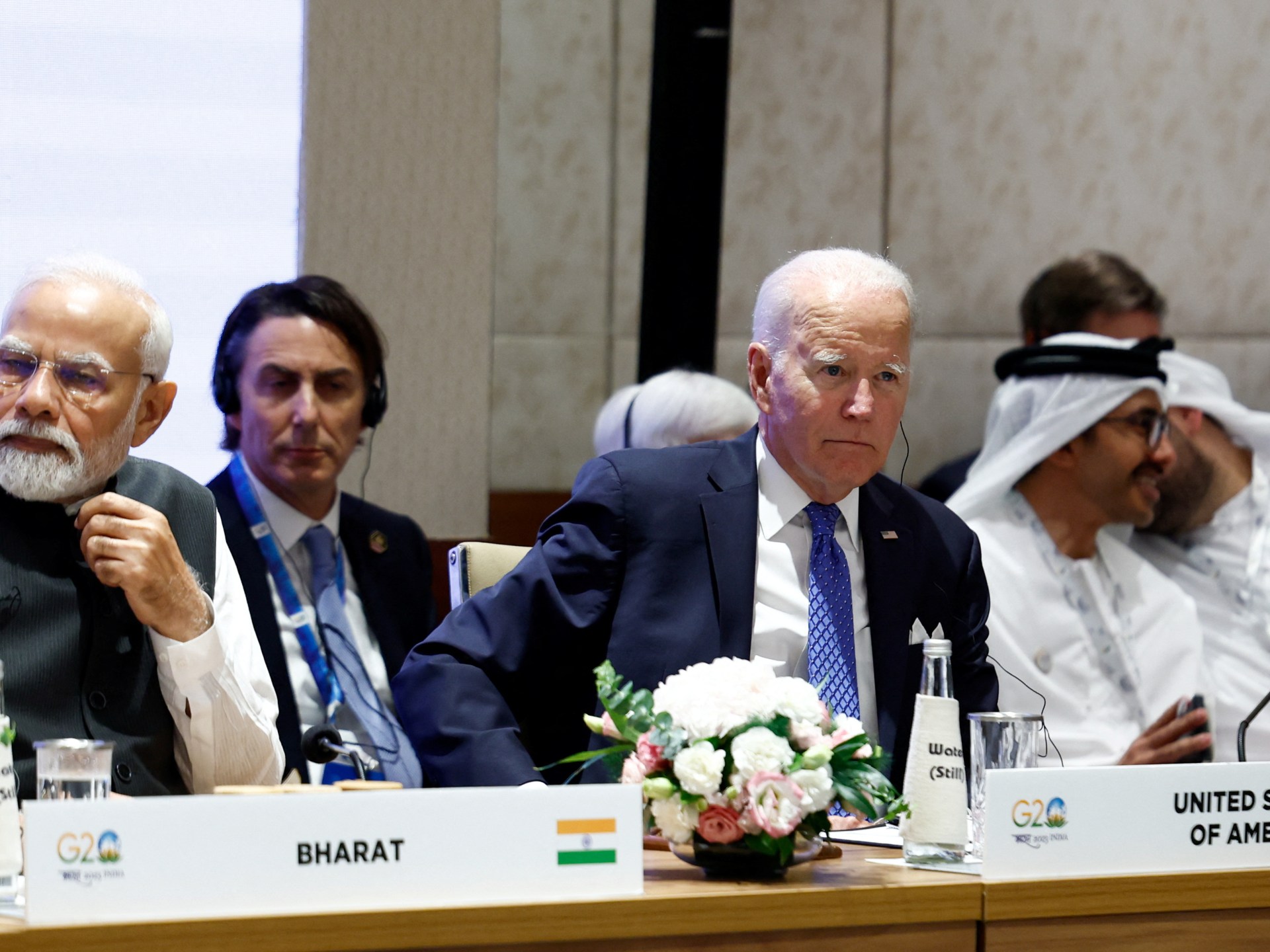
G20 leaders have reached a consensus on a joint declaration at the summit in India, despite divisions over the war in Ukraine. The statement, which was welcomed by Moscow but criticized by Ukraine, avoided mentioning Russia's invasion and instead used neutral language from UN bodies. The declaration also included geopolitical wins, such as the admission of the African Union as a full member. In terms of climate, the G20 announced the establishment of a Green Hydrogen Innovation Centre and a commitment to triple renewable energy by 2030. However, there was no new language on phasing down coal.
The G20 nations have reached a compromise on references to the war in Ukraine in their joint declaration, paving the way for agreements on debt resolution and country-specific climate financing solutions. The wording condemning Russian aggression against Ukraine was omitted, and instead, the G20 member states agreed to uphold the United Nations charter on territorial integrity and against the use of force. This achievement highlights India's diplomatic influence, as fears of a lack of consensus due to objections from Russia and China were overcome. The proposal is expected to be approved by the leaders, marking a significant step forward.
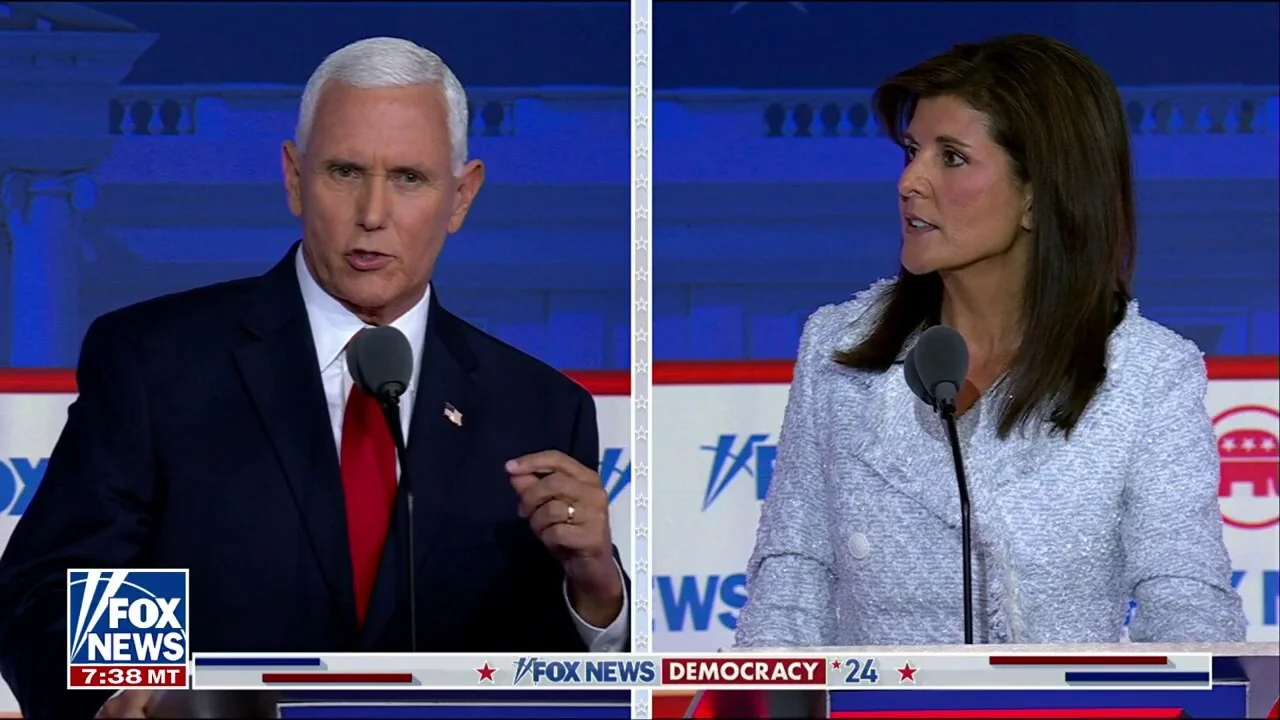
Former Ambassador Nikki Haley and former Vice President Mike Pence clashed during a GOP primary debate over the issue of abortion. Haley called for "consensus" on the issue, advocating for banning late-term abortions, encouraging adoptions, respecting healthcare professionals' beliefs, making contraception available, and avoiding extreme punishments for women who have abortions. Pence criticized Haley's call for consensus, arguing that it goes against leadership and emphasizing his pro-life stance. Haley countered by stating that a federal ban on abortion is unlikely due to the lack of Senate votes, urging honesty with the American people.
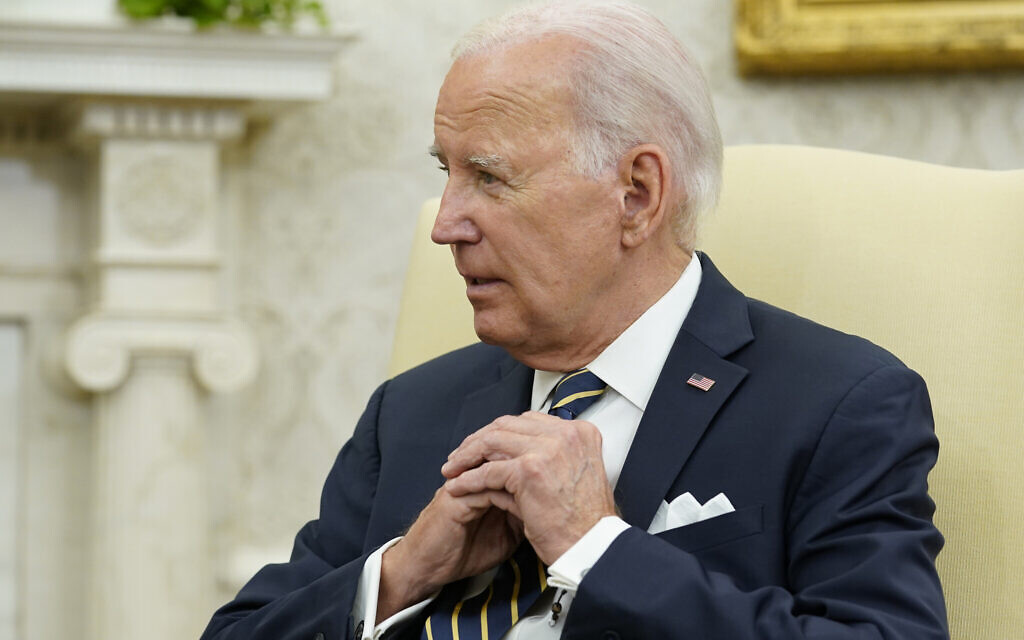
US President Joe Biden has urged Israeli leaders to slow down their divisive overhaul of the judiciary and instead seek a broad consensus with opposition parties, warning that the "special relationship" between the two countries could be irreparably damaged. Biden expressed public support for the protest movement against the overhaul, emphasizing the importance of Israel's democracy. He urged Israeli leaders not to rush and to continue seeking the broadest possible consensus. Biden's comments come as the Israeli government plans to pass the first piece of legislation from the controversial overhaul package, which has faced months of mass protests and opposition.
The Chicago Bears expressed their hopes for a "consensus" in getting a recently proposed bill passed for their stadium in Arlington Heights, but it won't be brought in front of the legislature during this session. House Bill 610 involves a few initiatives for the project, including the freezing of property tax assessments on the Arlington Park site while imposing a $3 ticket tax to help pay off the remaining debt on the 2002-2003 renovation of Soldier Field. The Bears look forward to building a consensus for a strong piece of legislation that can pass the general assembly and head to Governor Pritzker's desk for his approval.
Bitcoin broke its losing streak and surged above $28,000, up 3.7% over the past 24 hours, while Ether also rallied. The origins of the surge were difficult to pinpoint, but some analysts suggest that the market is anticipating more liquidity injections to prop up the American banking sector, which is still in crisis. Meanwhile, CoinDesk's annual Consensus conference will cover key topics over three days, including the current state of the industry, regulatory uncertainty, and the future of crypto.
NATO Secretary-General Jens Stoltenberg will convene a high-level meeting of the NATO-Ukraine Commission next month, despite objections from Hungary. The last meeting was held at a lower level in 2019, and Hungary has routinely blocked NATO-Ukraine Commission meetings since 2017 due to a language law adopted in Ukraine. NATO makes its decisions by consensus, and Stoltenberg declined to say why he was insisting on calling the meeting over Hungary’s head. Hungary has been widely criticized over its human rights record, including a law adopted two years ago that rights groups consider to be homophobic and transphobic.
NATO Secretary-General Jens Stoltenberg announced that he will convene a high-level meeting of the NATO-Ukraine Commission next month, despite objections from Hungary. The last meeting was held at a lower level in 2019, and Hungary has routinely blocked NATO-Ukraine Commission meetings since 2017 due to a language law adopted in Ukraine that Hungary insists stops members of the Transcarpathian ethnic minority from studying in Hungarian. NATO makes its decisions by consensus, and Stoltenberg declined to say why he was insisting on calling the meeting over Hungary’s head.