

Tag

Condensates

All articles tagged with #condensates

science-and-technology1 year ago

"Visualizing Cellular Dynamics: Innovative Tools and Techniques"

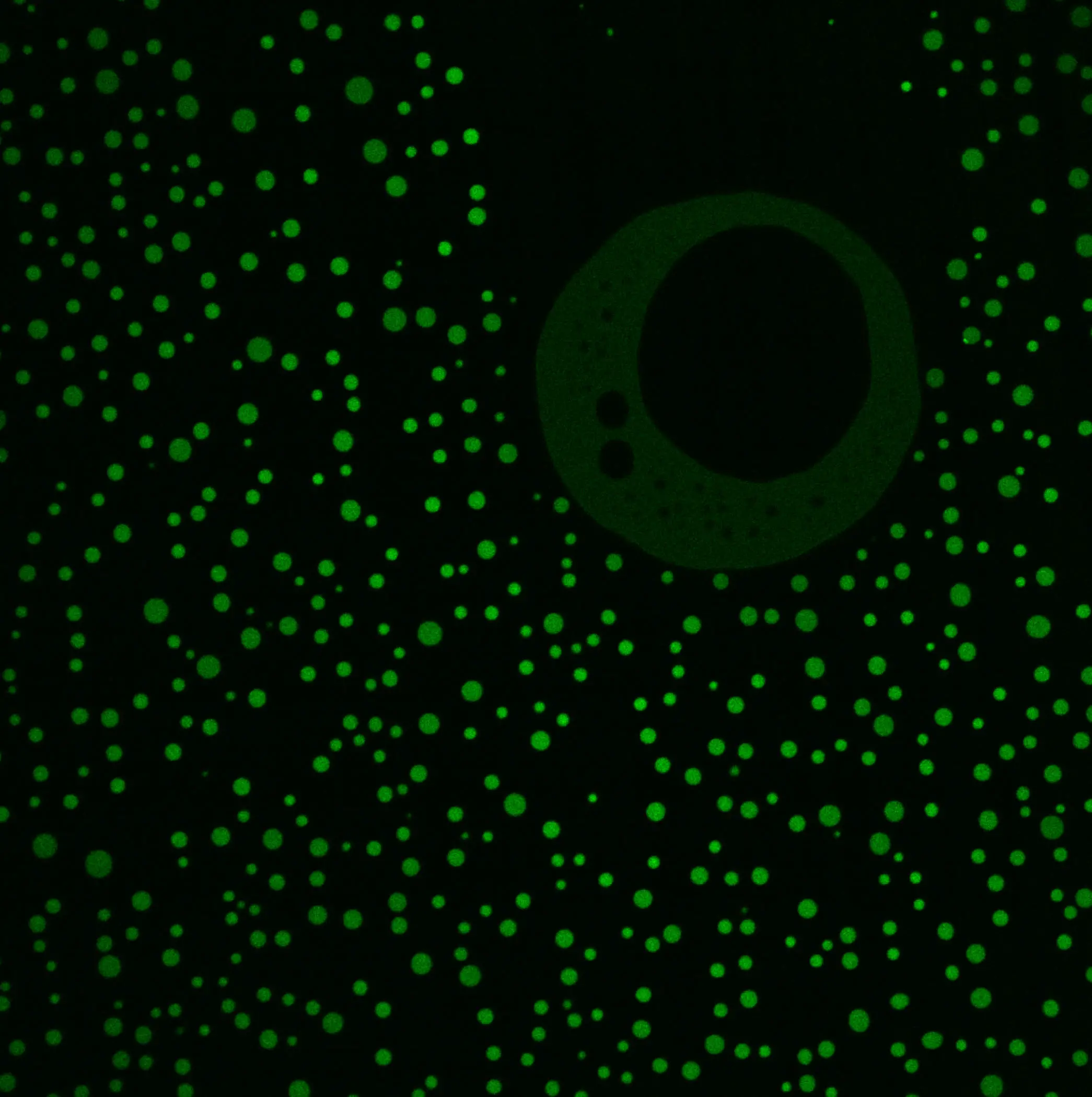
New tools and technologies are revolutionizing the study of phase separation in living cells, revealing the intricate organization and logistics within cells. Researchers are leveraging molecular, biophysical, and computational tools to explore condensate biology, with potential applications in drug discovery and synthetic biology. These advancements, including optogenetic platforms and AI-driven drug discovery, are providing deeper insights into cellular operations and opening pathways for medical intervention, offering promise for understanding and treating diseases such as cancer, diabetes, and neurodegenerative conditions.
science2 years ago

Unveiling Critical Overlooked Protein Components Vital for Life

Scientists from Princeton, the Dana-Farber Cancer Institute, and Washington University have discovered that intrinsically disordered regions (IDRs) in proteins play a crucial role in chromatin regulation and gene expression. These IDRs form condensates, which are liquid droplets that separate from cellular fluid and allow proteins and biomolecules to gather in specific locations for cellular activities. Mutations in IDRs of the cBAF complex, a group of proteins involved in chromatin remodeling, can disrupt gene expression and are frequently found in cancer and neurodevelopmental disorders. The findings shed light on the importance of IDRs and condensates in cellular processes and could lead to new therapeutic strategies.

science2 years ago

Uncovering the Electrifying Connection Between Photosynthesis and Biology's Power Source.

Researchers have discovered electrical activity in biological condensates, cellular structures that were previously not known to harbor such activity. These imbalances could spark reactive oxygen or “redox” reactions, providing insights into how the first life on Earth harnessed the energy necessary for its existence. The discovery challenges existing understanding of biological chemistry and could change the way researchers think about it. The study could also provide a clue as to how the first life on Earth harnessed the energy needed to arise.