Spain's commitment to renewable energy is under scrutiny following a blackout and political debates over energy sources, but significant investments like a new battery factory in Aragón highlight ongoing green transition efforts amid political uncertainty.
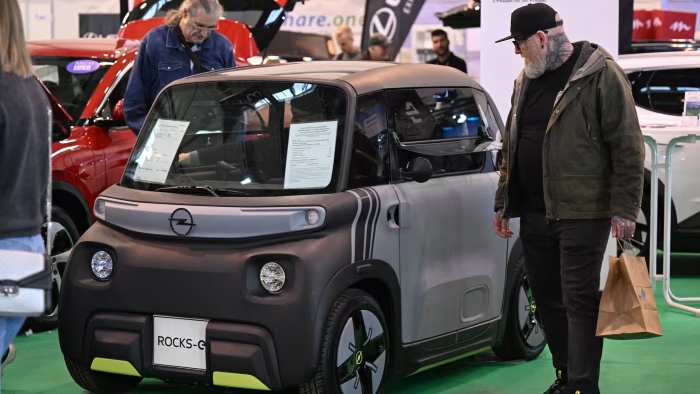
China's CATL and Stellantis are set to build a €4.1 billion lithium battery factory in Zaragoza, Spain, as part of a joint venture to expand electric vehicle production in Europe. This move comes amid Europe's efforts to reduce reliance on Chinese batteries and follows Stellantis' strategic partnerships with Chinese companies. The factory, scheduled to start production by late 2026, marks CATL's third major investment in Europe, despite EU plans to impose stricter trade regulations on Chinese firms. Spain's government has actively supported the project to bolster its automotive industry.
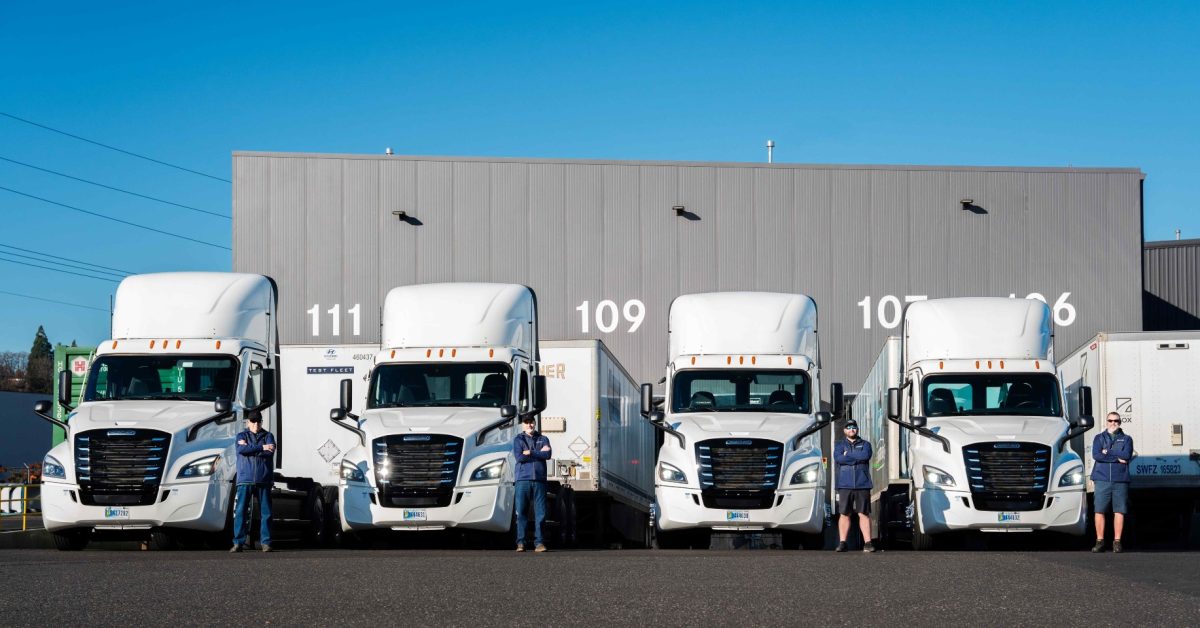
Daimler Trucks, Accelera by Cummins, and PACCAR are teaming up to build a $2-3 billion battery cell factory for electric trucks in Mississippi, creating over 2,000 US manufacturing jobs. The 21-gigawatt hour (GWh) factory is set to begin production in 2027, focusing on lithium-iron-phosphate (LFP) battery technology. Each company will own 30% of the joint venture, with China-based EVE Energy as a technology partner. The venture aims to provide cost-effective EV batteries for commercial vehicle customers in North America.
A fire broke out at an Iranian Defense Ministry-owned car battery factory for the second time in less than a week. The blaze occurred in an area where plastic waste is stored, causing a column of black smoke to rise north of Tehran. No injuries were reported. Iran has experienced multiple fires and mishaps in its military facilities, often accusing Israel of sabotage. The two countries have a history of espionage accusations and tensions, with Israel considering Iran its greatest threat. Iran has been under Western sanctions, leading to the need for self-production and potentially increasing industrial accidents.
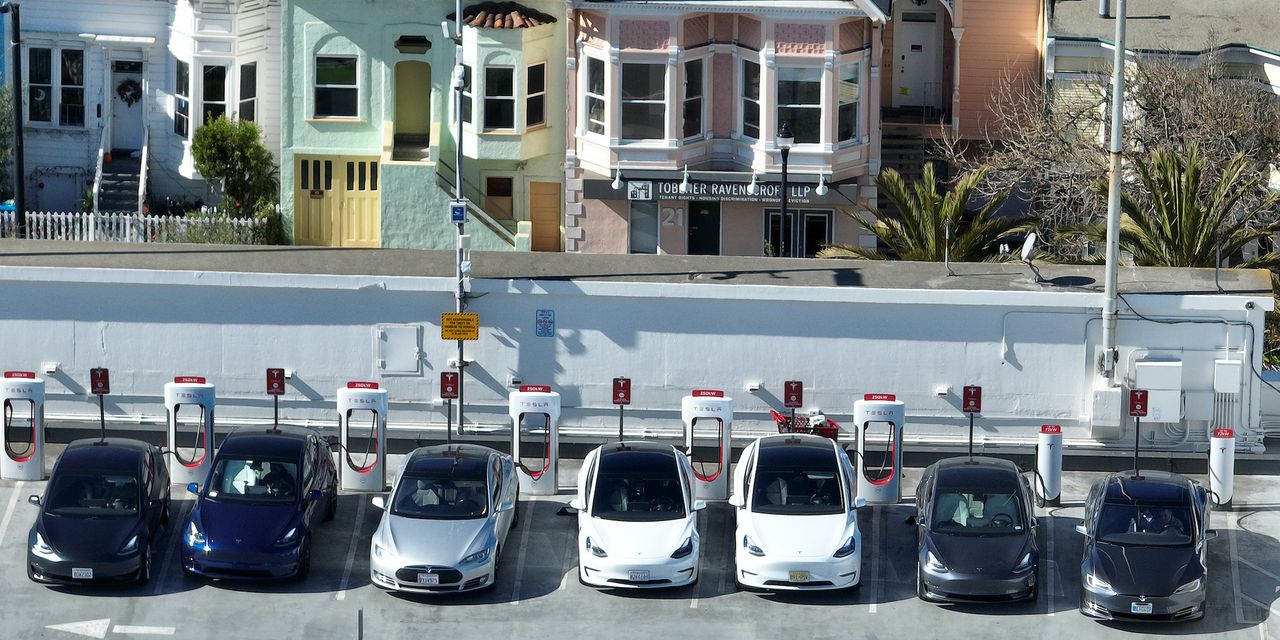
Tesla's stock rebounded after a three-day losing streak as the United Auto Workers strike continues and reports suggest that the company is planning to build a battery factory in India. The strike, affecting major U.S. automakers, could benefit Tesla as it widens its first-mover advantage in the electric vehicle market. Tesla has also been in talks about building an EV-assembly plant in India and has received environmental permits for a potential site in northern Mexico. Despite recent losses, Tesla's stock has nearly doubled this year.
German Chancellor Olaf Scholz has expressed support for Tesla's expansion plans for its battery plant in Gigafactory Berlin, stating that it is important to retain such companies in Germany and maintain prosperity. Tesla has requested approval for upgrades to the site, including the construction of a battery cell testing lab and the expansion of water recycling systems. However, the expansion plans have faced criticism due to the facility being in a water protection zone, with concerns raised about the impact on groundwater. Tesla aims to double production capacity to 1 million cars per year without increasing water consumption through the treatment and reuse of wastewater.
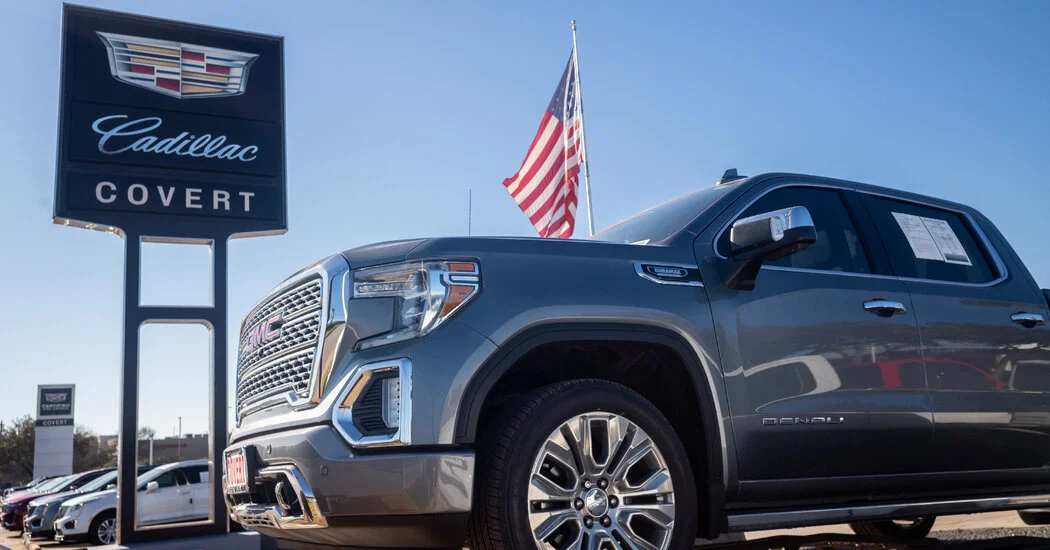
General Motors reported an 18.5% drop in profits in Q1 2023 due to job cuts and slowing new-vehicle sales in China. The company also announced a new battery factory in the US and plans to stop production of its top-selling electric car, the Chevrolet Bolt. G.M. sold 1.4 million vehicles globally in Q1, down 3% from last year, with US sales up 18% but sales in China down 25%. G.M.'s net income in Q1 fell to $2.4 billion, from $2.9 billion in Q1 2022, and the company lowered its net income outlook for 2023 slightly due to job-cut expenses.
Republican lawmaker Mike Gallagher has expressed concern over Tesla's ties with the Chinese Communist Party (CCP) following the announcement of a new battery factory in Shanghai. Gallagher, who chairs the House Select Committee on the CCP, has not announced any hearings on the matter but has suggested that subpoenas may be issued if roadblocks are reached. Tesla CEO Elon Musk has not commented on the matter, but the company has previously borrowed from Chinese banks and dropped prices to make its cars eligible for clean vehicle tax credits in the US.
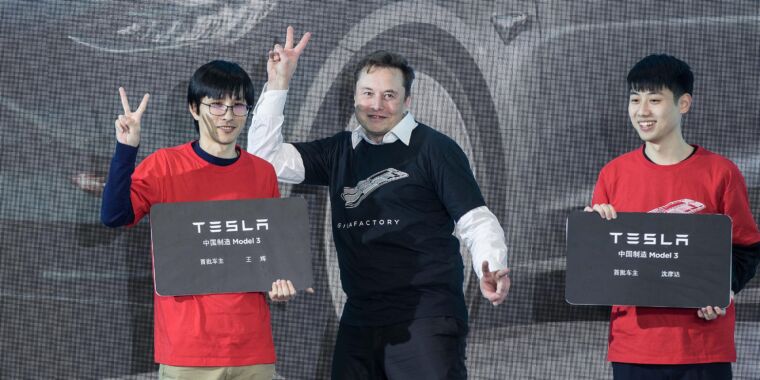
Tesla is planning to increase its investment in China by building a battery factory in Shanghai. The factory will be the company's first in China and will help it avoid the country's high import tariffs. Tesla has been expanding its presence in China, which is the world's largest electric vehicle market, and hopes to produce 500,000 cars per year there within the next few years.
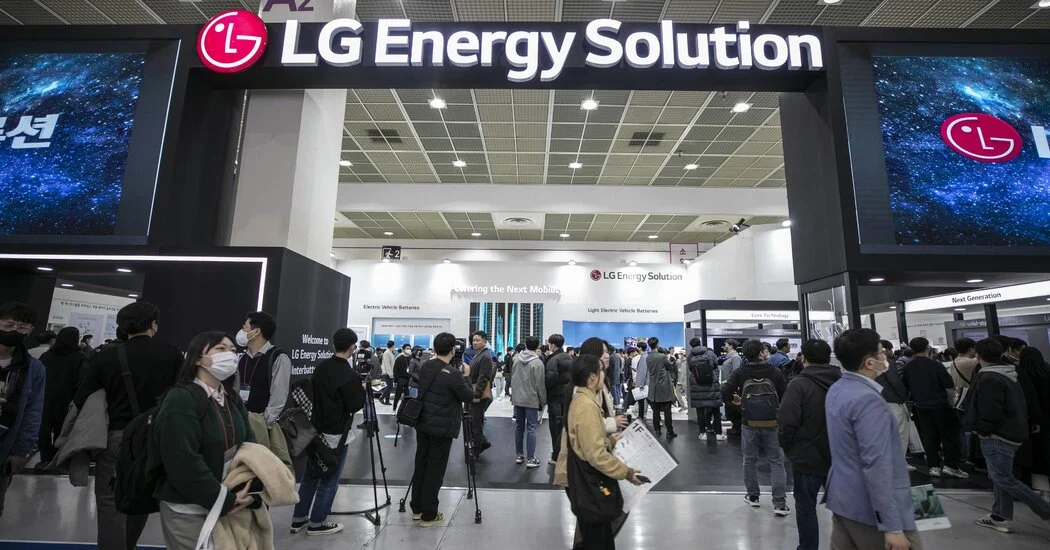
LG Energy Solution will invest $5.5 billion to build a battery factory in Arizona to meet the growing demand for electric cars and trucks. The factory will start producing batteries for electric vehicles in 2025 and for energy storage systems the following year. The decision was driven in part by the Inflation Reduction Act, which offers federal incentives for the sale and production of electric vehicles and batteries in the United States. Building batteries within the United States could help lower electric vehicle prices by cutting transportation costs while reducing dependence on China, which dominates the battery supply chain.