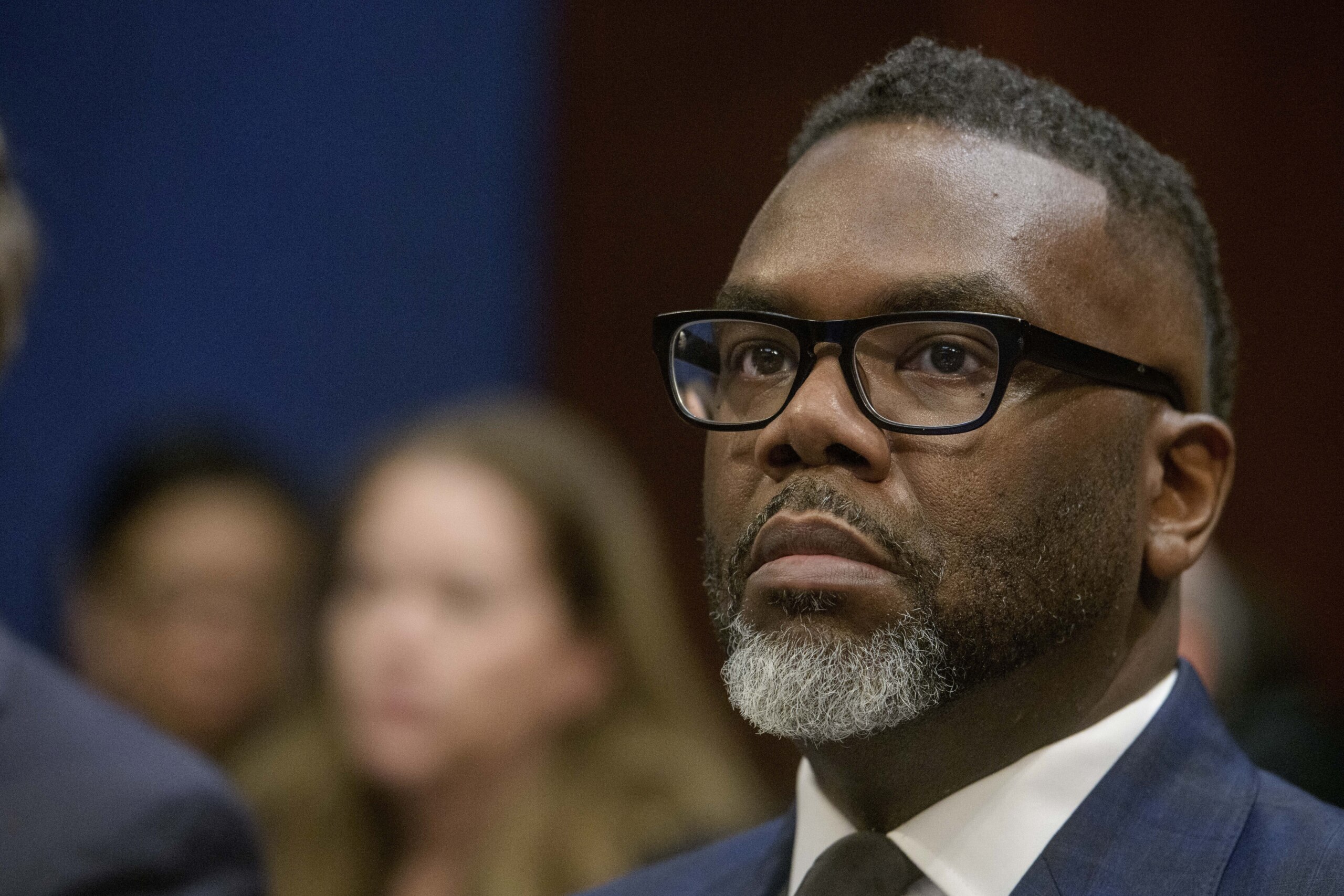
Chicago's City Council approved a $16.6 billion budget that rejects the mayor's proposed head tax, instead implementing other tax hikes and relying on short-term revenue measures and borrowing, while maintaining high personnel costs and full pension payments amid ongoing fiscal challenges.
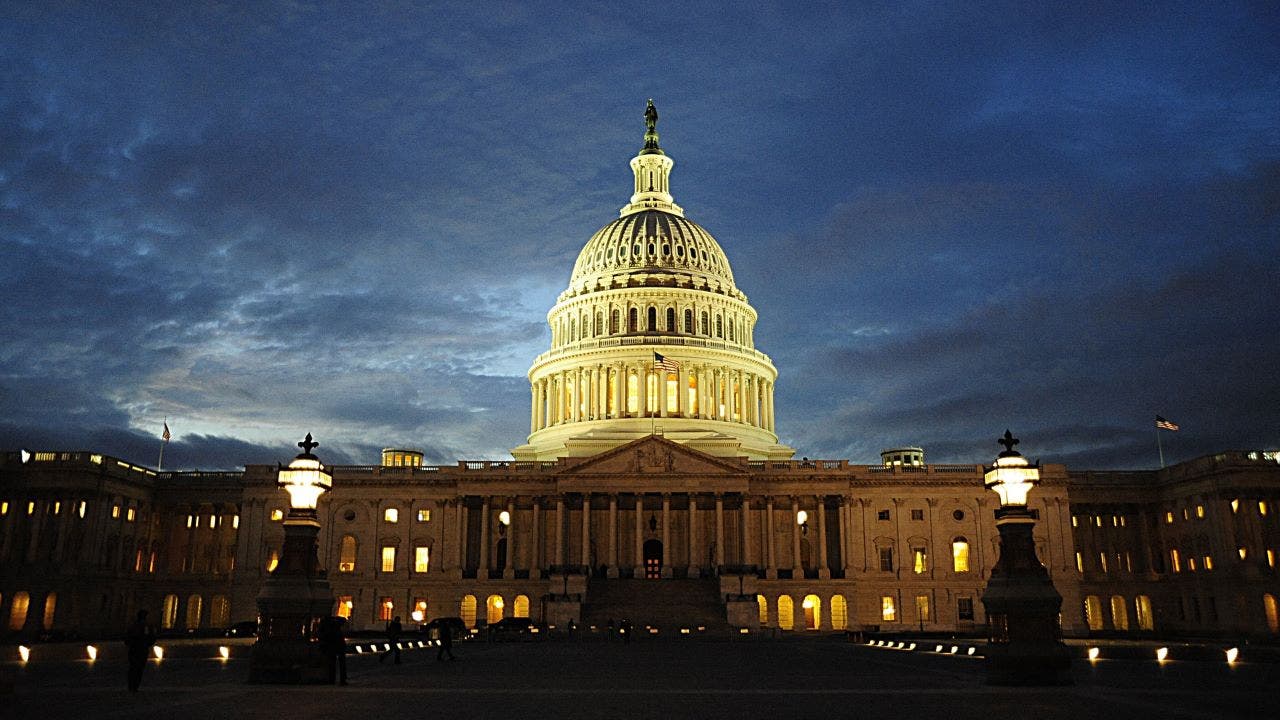
Members of Congress are considering the establishment of a bipartisan fiscal commission to address the widening budget deficits and growing national debt. The U.S. national debt has surpassed $33 trillion, while the federal budget deficit reached $1.7 trillion in the last fiscal year. Key trust funds for Social Security and Medicare are projected to be depleted in the next decade. The proposed commission would provide recommendations on raising tax revenue and cutting spending, but its success would depend on lawmakers taking action to implement its suggestions. Despite challenges, a bipartisan fiscal commission has the potential to address America's fiscal challenges and promote long-term financial stability.
Slovakia's parliament has confirmed Prime Minister Robert Fico's government, which plans to halt state military aid to Ukraine, reduce budget deficits, and impose a new bank tax. Fico's coalition government aims to cut interest rates on mortgages, introduce special levies on excessive profits, and reduce the general government deficit by 0.5% of GDP in 2024. The program also emphasizes opposition to ending national veto rights in the European Union and supports a cessation of hostilities in Ukraine while recognizing its international borders. The opposition criticized Fico's attacks on independent media and dismissals of high police officials investigating corruption allegations against coalition members.
U.S. Treasury bonds, often considered the safest asset, have actually performed poorly for nearly two generations and continue to underperform. Investments in 10-year Treasury notes have lost a third of their value in real terms in just over three years, and long-term Treasurys have lost about half their value. They have consistently failed to keep up with inflation since 2008 and have been a worse investment than gold bullion. The U.S. government's massive budget deficits and increasing national debt, coupled with the need for inflation to reduce the debt burden, suggest that inflation is the only way out of the current economic conundrum. As a result, investors in Treasury bonds may face significant losses, and corporate bonds also face challenges. In this scenario, assets such as energy stocks, agricultural and mining stocks, real estate, and gold may perform well, while long-term Treasury bonds are unlikely to be a safe or risk-free investment.
The Milwaukee Common Council has passed a 2% sales tax increase, the first of its kind in the city's history. The tax hike is connected to a statewide shared revenue plan aimed at addressing budget deficits and underfunded pensions. The additional revenue will go towards maintaining essential city services, such as police, fire, and emergency services, as well as the underfunded pension system. The sales tax increase will take effect on January 1, 2024, and will raise the total sales tax for Milwaukee residents to 7.9%. The decision to implement the tax hike was made to prevent deep cuts to core services and avoid insolvency in the future.