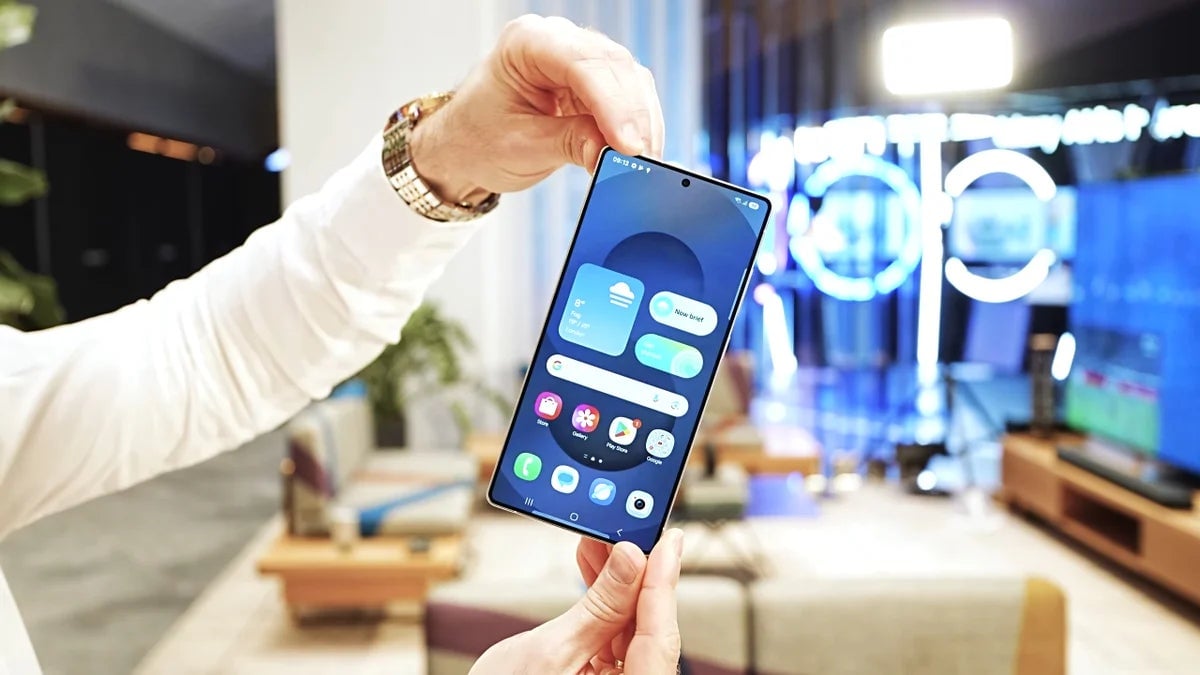
Samsung is considering using Chinese OLED displays from BOE for its flagship Galaxy phones to reduce costs, despite traditionally using its own high-quality displays, as part of a strategy to cut manufacturing expenses and diversify suppliers after settling a patent dispute with BOE.
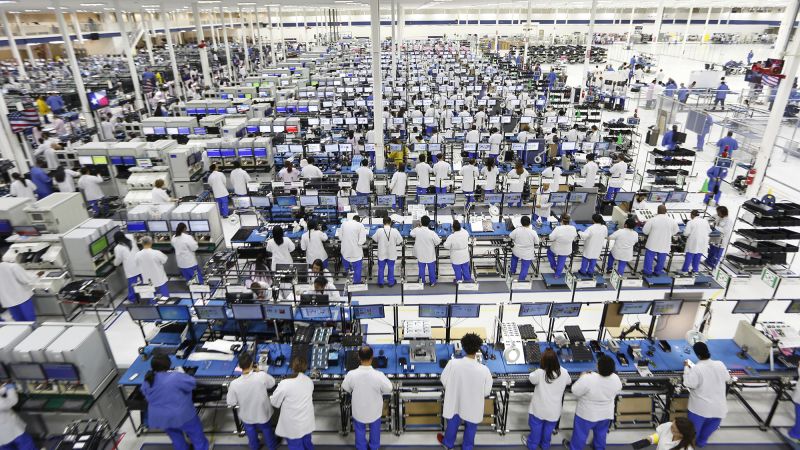
Motorola's attempt to produce smartphones in the US in 2013 failed due to high costs and a skills shortage, highlighting ongoing challenges for domestic electronics manufacturing amid tariffs and labor issues, with insights from former CEO Dennis Woodside emphasizing the importance of skilled workers and strategic planning.
The Trump Organisation's claim that its upcoming Trump T1 smartphone is made in the USA has been removed from its website, despite the company asserting it will still be manufactured domestically. Experts doubt the feasibility of fully producing high-tech smartphones in the US due to supply chain limitations, and the removal of the 'Made in the USA' label raises questions about the authenticity of the claim. The company continues to promote the phone as American-made, but skepticism remains about the actual manufacturing process.
The Trump family's new T1 smartphone, marketed as 'Made in America,' is almost certainly assembled overseas, likely in China, with components sourced globally. Experts highlight the difficulty and near impossibility of manufacturing an entirely American-made smartphone due to complex global supply chains and strict FTC labeling regulations. Claims of a fully American-made device are misleading, and similar issues have arisen with other tech giants like Apple.
The Trump Organization announced its new T1 smartphone, claiming it will be built in the US, but experts are skeptical, noting similarities to Chinese-made phones and highlighting the challenges of domestic manufacturing due to supply chain and fabrication limitations.
Google is set to start manufacturing its Pixel smartphones in India, with the production line for the Pixel 8 Pro to be established in Southern India followed by the Pixel 8 in Northern India. This move reflects a strategic shift to diversify its supply chain and tap into the growing Indian smartphone market, following in the footsteps of other tech giants like Apple and Samsung. The decision aligns with the industry trend of establishing non-China production bases for supply chain resilience, and is supported by the Indian government's efforts to boost tech manufacturing through incentives and potential import restrictions.