A new US study links exposure to the industrial chemical trichloroethylene (TCE), banned in the EU due to health concerns, with a modest increase in Parkinson's disease risk, highlighting the potential public health impact of environmental pollutants.
The Environmental Protection Agency (EPA) has announced a ban on two carcinogenic chemicals, trichloroethylene (TCE) and tetrachloroethylene (perc), used in various consumer and industrial products. This move aims to protect workers, consumers, and residents from the harmful effects of these substances, aligning with President Biden's efforts to enhance chemical safety regulations. The ban includes all consumer uses of perc and many commercial applications, such as dry cleaning and auto repair.
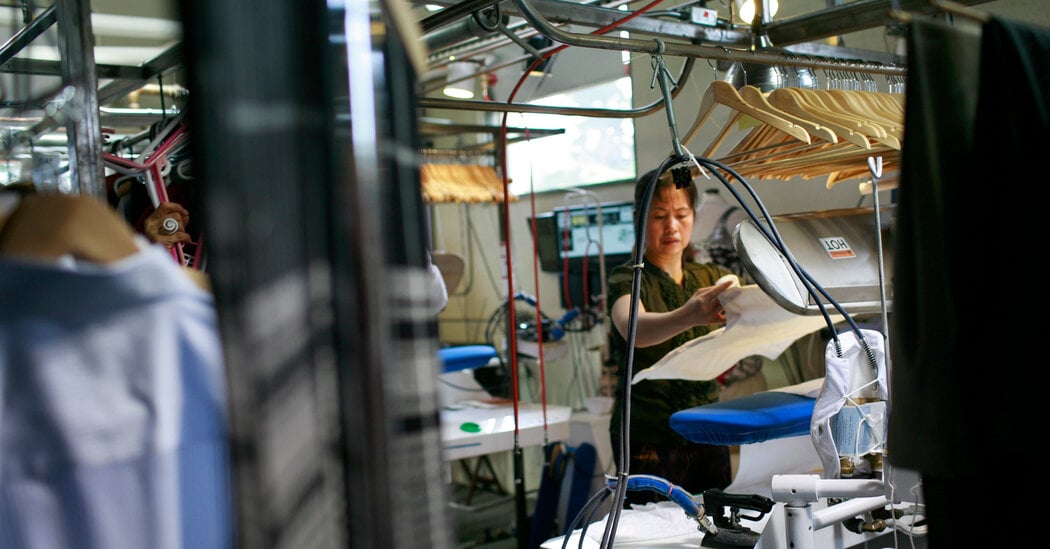
The Environmental Protection Agency (EPA) has announced a ban on the use of two chemicals, perchloroethylene (Perc) and trichloroethylene (TCE), commonly used in the dry cleaning industry. This decision is part of an effort to reduce environmental and health risks associated with these substances.
California has become the first state to ban four food additives, including red dye No. 3, potassium bromate, brominated vegetable oil, and propylparaben, due to their links to health problems. These chemicals, already banned in the European Union and other parts of the world, can be found in commonly sold items in the United States. The ban will take effect in 2027 and is expected to prompt nationwide changes in ingredient lists for as many as 12,000 products. The additives have been associated with issues such as hyperactivity in children and cancer. The move aims to protect consumers and send a message to the FDA about the need for faster change in evaluating ingredient safety.