Tag

Ccs

All articles tagged with #ccs

business2 months ago

Google invests in carbon capture to power data centers and reduce emissions

Google is supporting the development of a new gas-fired power plant in Illinois equipped with carbon capture and storage (CCS) technology, aiming to reduce emissions. However, CCS faces skepticism due to its high costs, technical challenges, and potential to prolong reliance on fossil fuels. The project reflects ongoing debates about balancing energy needs, environmental impact, and the future of renewable energy sources.
automotive2 years ago

The Tesla Debate: Investing in EVs Beyond Tesla

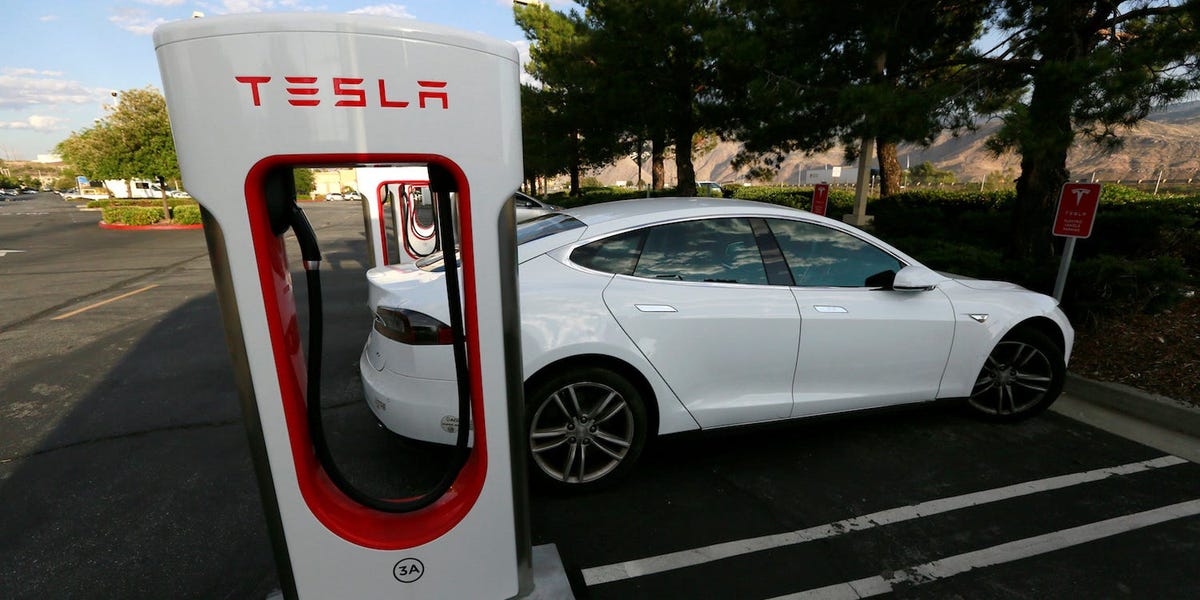
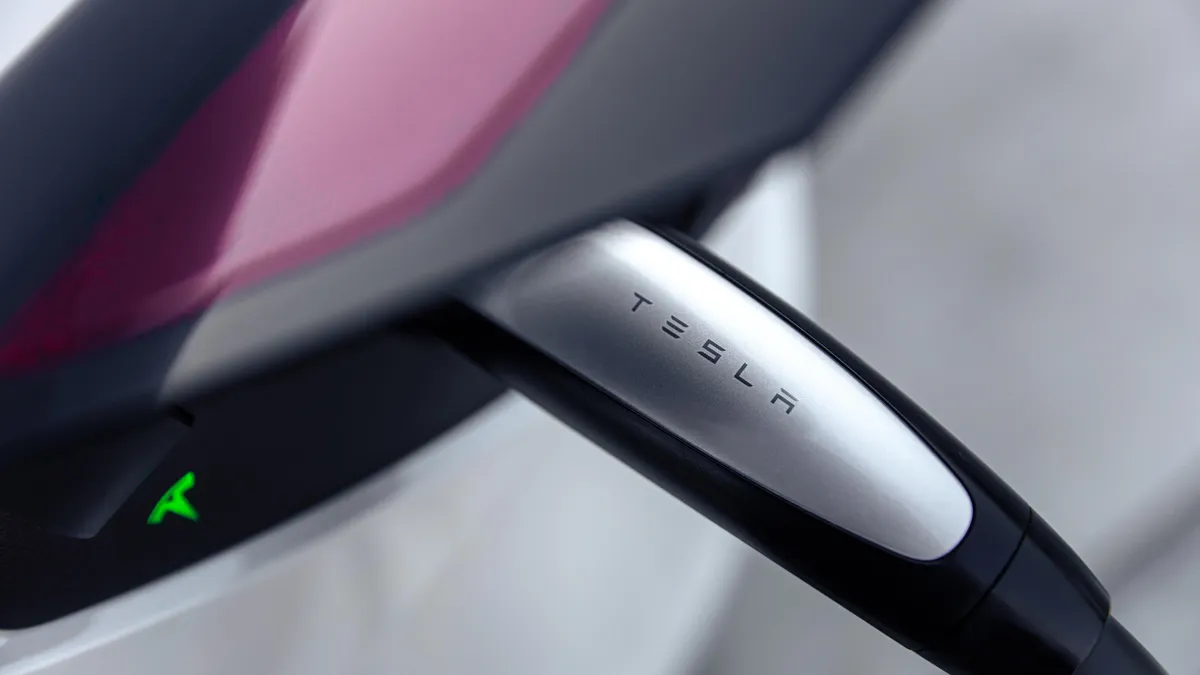
Several car companies, including Ford, GM, Rivian, Volvo, and Polestar, have announced plans to adopt Tesla's North American Charging Standard (NACS) starting in 2025, making Tesla's charging tech the dominant standard. This shift raises questions about why non-Tesla EV shoppers would buy now when their charging technology will soon be in the minority. Experts suggest that buyers should consider delaying their purchase for the next two years to avoid potential obsolescence. The transition away from the Combined Charging System (CCS) will take time, but with the industry moving towards NACS, CCS will become less popular. Additionally, as EV technology continues to improve, including range, charging speed, and cost, consumers may opt to wait for more advanced and stable options.

technology2 years ago

"Tesla's NACS Charging Standard Gains Industry Support, Including from Rivals and Other Players"

Tesla's North American Charging Standard (NACS) is gaining traction as Volvo, Ford, GM, and Rivian adopt the technology, making it a potential industry standard. However, the Biden administration has been advocating for the Combined Charging System (CCS) plugs favored by European automakers. The existence of two competing standards poses challenges for achieving a convenient and universal charging infrastructure. While NACS offers advantages such as smaller size and higher power, the transition to a single industry standard may take time. The involvement of standards organizations like SAE International adds complexity and could lead to higher costs for manufacturers and consumers.

electric-vehicles2 years ago

"Multiple EV Charging Networks Embrace Tesla's NACS Connector for Expanded Compatibility"

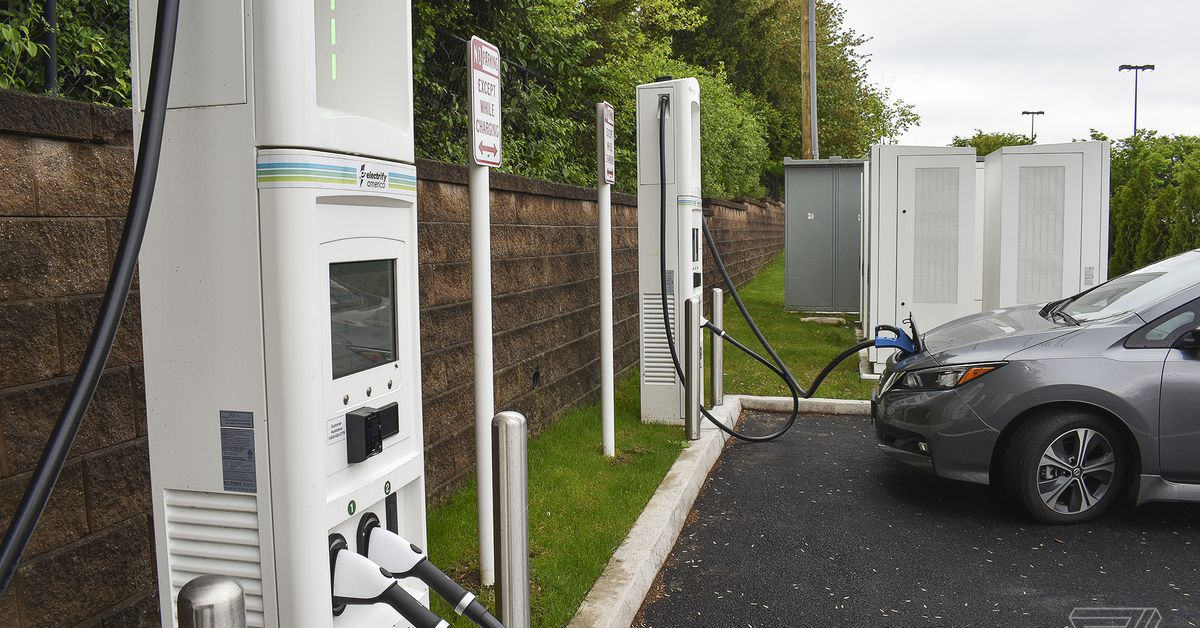
Electrify America, a charging network created as part of the Volkswagen Group's diesel-emissions settlement, has announced that it will add Tesla connectors to its charging network in the U.S. and Canada by 2025. This move will provide Tesla owners with additional charging options and help alleviate potential congestion on Tesla's Supercharger network. Electrify America currently offers Combined Charging Standard (CCS) connectors and will now include the Tesla connector, known as the North American Charging Standard (NACS), at existing and future charging sites. The decision comes as multiple automakers, including Ford, General Motors, Rivian, Volvo, and Polestar, have also announced plans to integrate the Tesla connector into their electric vehicles.

electric-vehicles2 years ago

Major EV Charging Networks Embrace Tesla's Standard Plug for Faster and Convenient Charging

Electrify America, one of the largest charging networks in North America, has announced plans to add support for Tesla's NACS electric vehicle charging plug, alongside its existing CCS connector. This move is a win for Tesla, as its NACS connector has been adopted by other electric vehicle rivals and popular charging stations. Electrify America currently operates 850 charging stations and 4,000 individual chargers across the US and Canada.

automotive2 years ago

Volvo Joins Tesla in Adopting NACS Connector for EVs

Volvo has become the latest automaker to negotiate access to Tesla's Supercharger network for its customers starting in 2024. Additionally, SAE International will make the North American Charging Standard (NACS) an official standard within the next six months. This move follows Ford, General Motors, and Rivian, who have also gained access to the Supercharger network. The switch to NACS is seen as a win for EV drivers, as the Tesla Supercharger network offers a superior charging experience compared to the Combined Charging System (CCS). The growing adoption of NACS may prompt other automakers to make the switch as well.

electric-vehicles2 years ago

EV Charging Networks: Tesla Leads the Way, Rivals Follow Suit

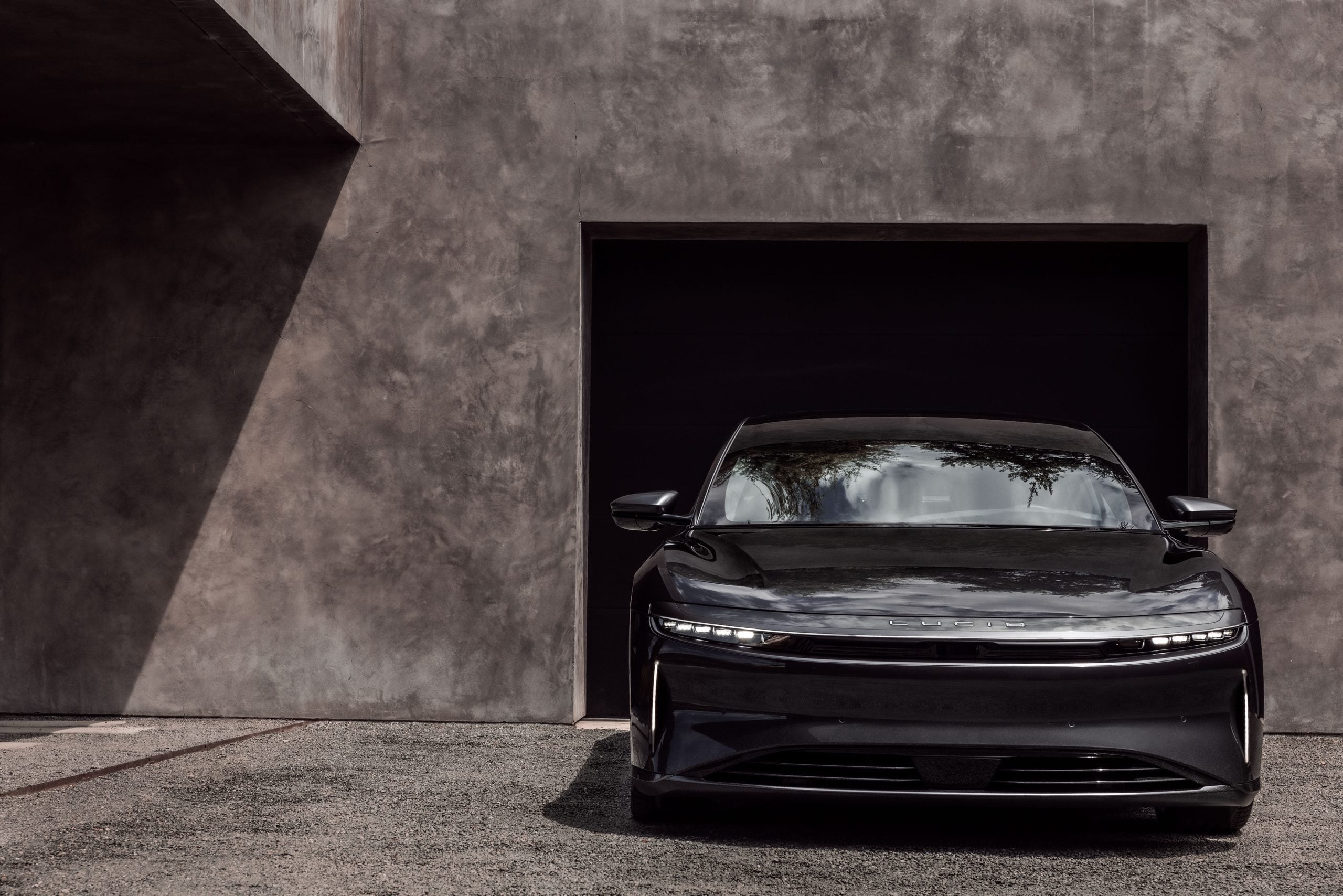
Lucid CEO Peter Rawlinson believes that the priority should be on ultra-high voltage charging instead of the plug used to charge EVs, and therefore has reservations about adopting the Tesla North American Charging Standard (NACS) for the company's vehicles. Rawlinson argues that the charging infrastructure should be future-proof and support an ultra-high voltage charging standard of 1,000 volts. While other automakers are adopting the NACS, Lucid's luxury electric cars could risk being the odd one out if the company holds off on adopting the standard.

business2 years ago

The Battle for Electric Car Charging Supremacy: Tesla vs. GM

Major US automakers Ford and General Motors are adopting Tesla's charging technology for their electric vehicles, pushing the industry towards a de-facto standard in the US. However, the Biden administration endorsed a rival charging technology when setting the rules for companies seeking access to $7.5bn in federal infrastructure funding. The still-burgeoning electric vehicle market is facing a split between two incompatible charging standards, which could either slow the adoption of EVs or cause Washington to sink hundreds of millions of dollars into chargers that the cars and trucks of the future won’t use.

electric-vehicles2 years ago

Tesla's EV Charging Standard Sets Industry Precedent.

Tesla's charging technology is becoming the preferred choice for North American automakers, with Ford and GM pledging to make their future EVs compatible with Tesla's fast-charging technology. However, the transition to Tesla's technology will pose challenges for the EV-charging infrastructure, which is already struggling to grow quickly enough to meet state and federal goals for switching from gasoline to electric-powered cars. Tesla's chargers offer a more reliable and user-friendly charging experience than most of its competitors, but the company will need to ensure its chargers perform well with a much wider array of vehicles.

electric-vehicles2 years ago

Tesla's EV Charging Standard Gains Momentum Among Competitors and Government Officials

Support for Tesla's North American Charging Standard (NACS) has accelerated since Ford and GM announced plans to integrate the technology into their next-generation EVs and sell adapters for current EV owners to gain access. More than a dozen third-party charging networks and hardware companies have publicly backed NACS, and even CharIN, the global association founded to promote the adoption of the Combined Charging System (CCS) connectors, is starting to waver and will create a task force to submit NACS to the standardization process. However, the White House has said that EV charging stations with Tesla standard plugs would be eligible for federal subsidies as long as they also included the CCS charging connector.

electric-vehicles2 years ago

Tesla's Charging Connector Sparks Debate Over Standardization

Industry body CharIN has said that Tesla's charging model is not yet a standard and does not provide an open charging ecosystem for the EV industry. However, US automakers General Motors and Ford have said they will adopt Tesla's model of charging cars with their vehicles having North American Charging Standard (NACS) ports, starting 2025. CharIN will convene a task force with the goal of submitting NACS to the standardisation process.

technology2 years ago

Tesla's Charging Standard Gains Traction Among Major Automakers.

The White House has announced that Tesla charging stations using the North American Charging Standard (NACS) will be eligible for federal subsidies, but only if they include the Combined Charging System (CCS). This marks the first time the administration has explicitly included Tesla in its $7.5 billion plan to build new, high-speed charging stations on 7,500 miles of the nation’s busiest highways. The move comes as legacy carmakers like Ford and GM embrace Tesla's charging ports, making it difficult for the US government to resist its ubiquity.

electric-vehicles2 years ago

Tesla's Supercharger Network Gains Traction Among Competitors.

The White House is reportedly trying to convince Tesla to support the North American Charging Standard (NACS) for electric vehicle (EV) charging, which is currently being challenged by the Combined Charging System (CCS). Tesla's Supercharger network uses NACS, which is more popular in the US due to Tesla, GM, and Ford accounting for 70% of US EV sales. However, CCS has more charging stations worldwide and is supported by more car models. The possibility of having two standards in the US is being considered.

electric-vehicles2 years ago

Ford's Tesla Charging Deal Signals Shift in Charging Network Dominance.

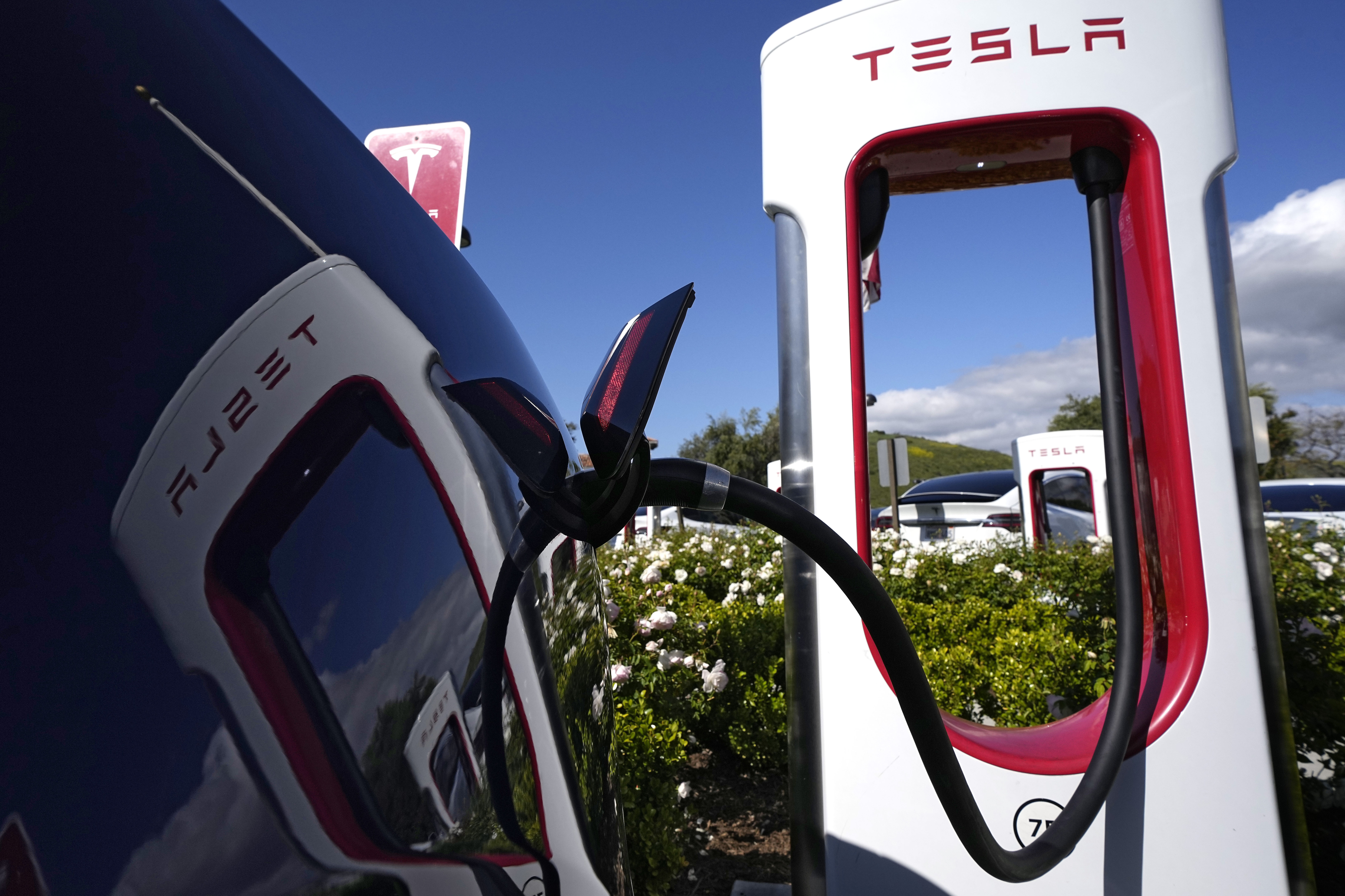
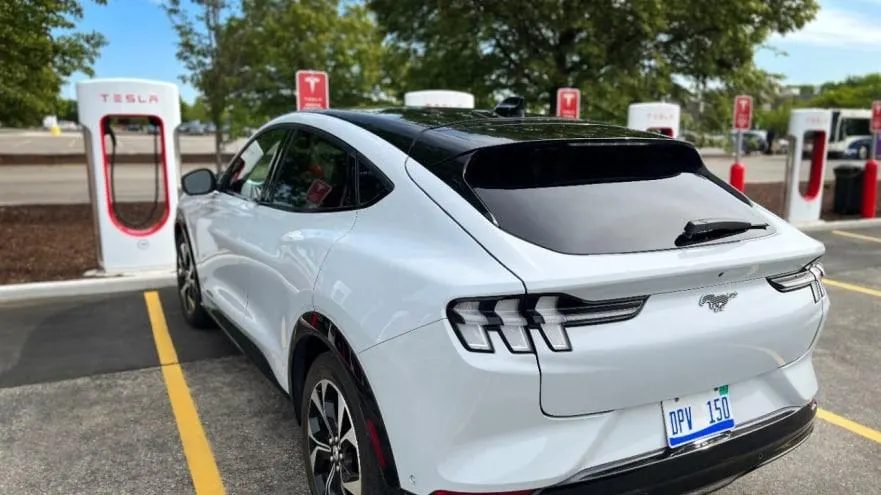
Ford will give its electric vehicles access to Tesla's supercharger network via an adapter sent to all owners, and later, new Fords will be made with the Tesla connector on them, allowing use without an adapter. This may mean the death of the "standard" CCS connector used by non-Tesla cars. Tesla's connector is generally considered to be superior, and a single small plug does both slow and fast charging up to 250kW, and the new version supports up to a megawatt.

business2 years ago

Ford and Tesla's Surprise EV Partnership Sends Shares Soaring.

Ford Motor Co shares jumped over 7% after announcing a deal allowing its electric-vehicle owners to access Tesla's charging stations in North America. Tesla's Superchargers could become the standard for EV charging in the United States, according to Ford CEO Jim Farley. U.S. Transportation Secretary Pete Buttigieg praised the Ford-Tesla deal, but said the Biden administration would not dictate an EV charging standard. Access to charging stations is considered one of the main hurdles to broader acceptance of electric vehicles.