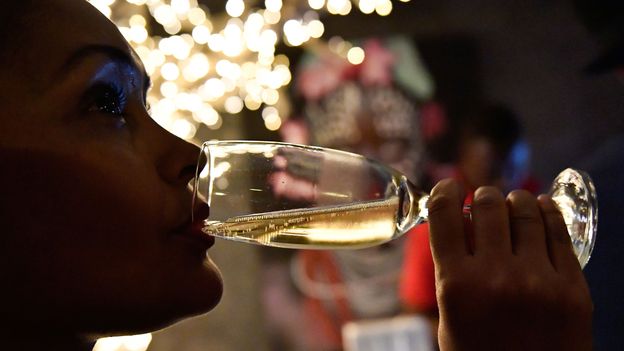
Research shows that champagne's taste can be affected by storage time, altitude, and environment, with older bottles losing carbonation and altitude affecting flavor perception; drinking champagne soon after purchase is recommended for optimal taste.
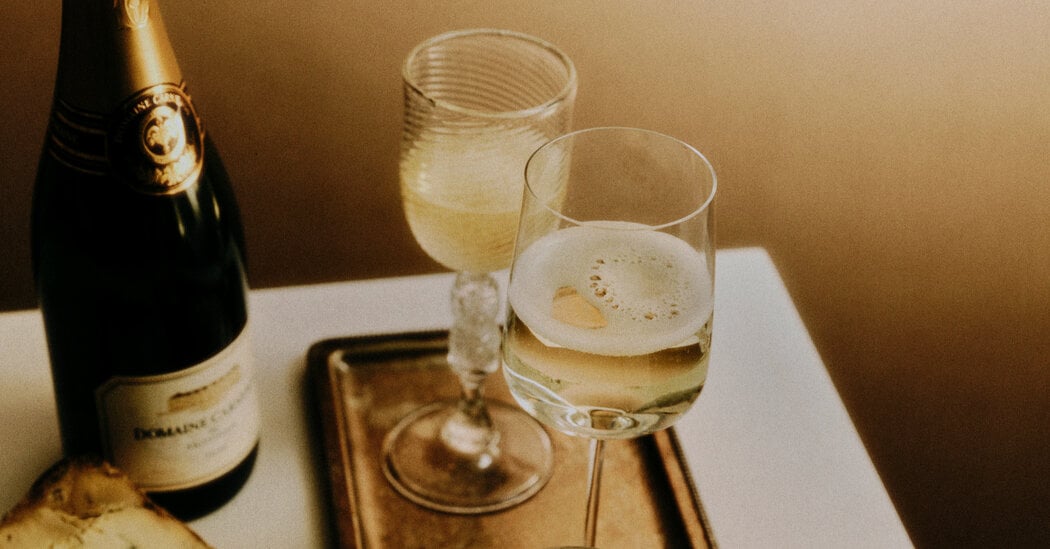
The article highlights nine exceptional champagnes to celebrate New Year's Eve, emphasizing their rich histories, unique flavors, and the role of champagne in marking special occasions and new beginnings.
The article discusses the variety of sparkling wines available for New Year's celebrations, highlighting that while Champagne remains popular, American sparkling wines have improved in quality and affordability, offering a diverse range of options beyond traditional Champagne.
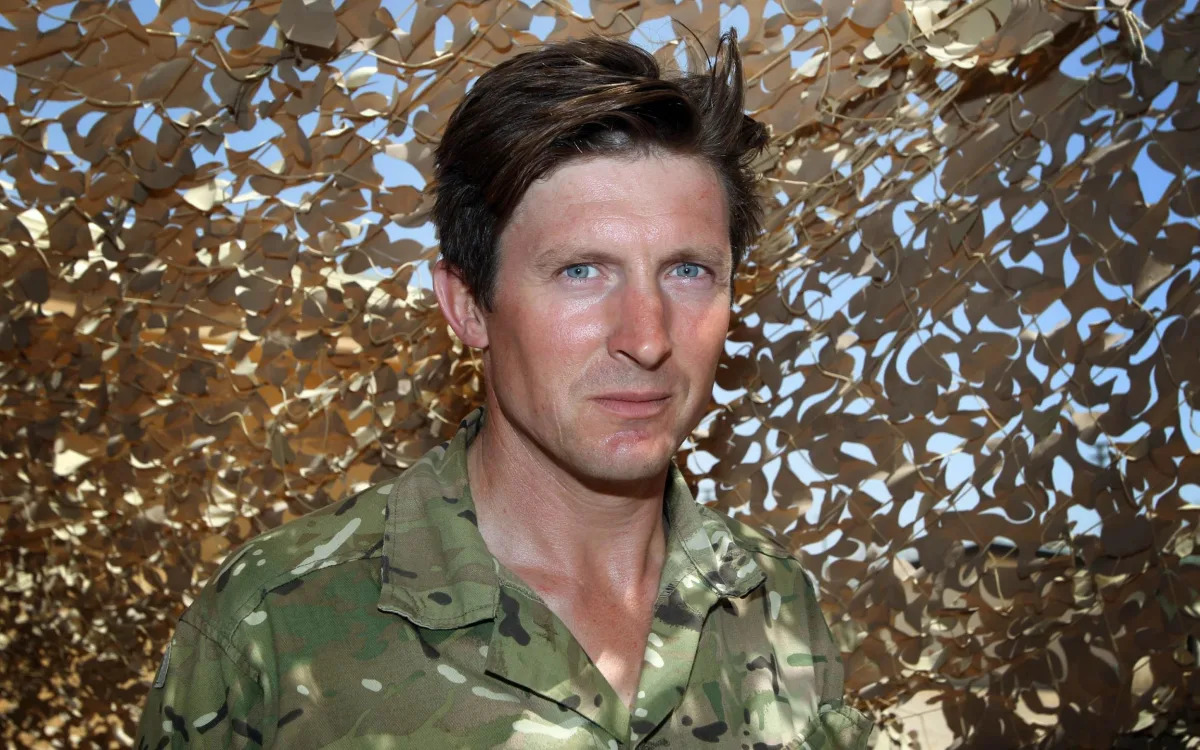
Maj Gen Charlie Herbert OBE, a senior UK military figure in Afghanistan, was sent home early after drinking champagne with colleagues, in breach of a US rule on alcohol consumption. Complaints about his alleged inappropriate language and behavior, throwing parties at the British embassy, and drinking openly with Afghan colleagues were investigated but found to be unproven and vexatious, except for the champagne incident. After retiring from the Army, he became an outspoken commentator on military affairs.
ClimateAI, a climate resilience platform, predicts that champagne could face a shortage due to climate change, with key grape varieties like pinot noir and chardonnay at risk of extinction. The ideal conditions for champagne production are being threatened by warmer climates, potentially impacting the French economy and wine culture significantly. The company uses AI to help clients adapt to these changes by forecasting crop resiliency and suggesting strategic decisions for future cultivation. While some experts agree that climate change will affect viticulture, they do not believe extinction of grape varieties is a credible outcome, suggesting instead that adaptation strategies will be necessary for the industry.
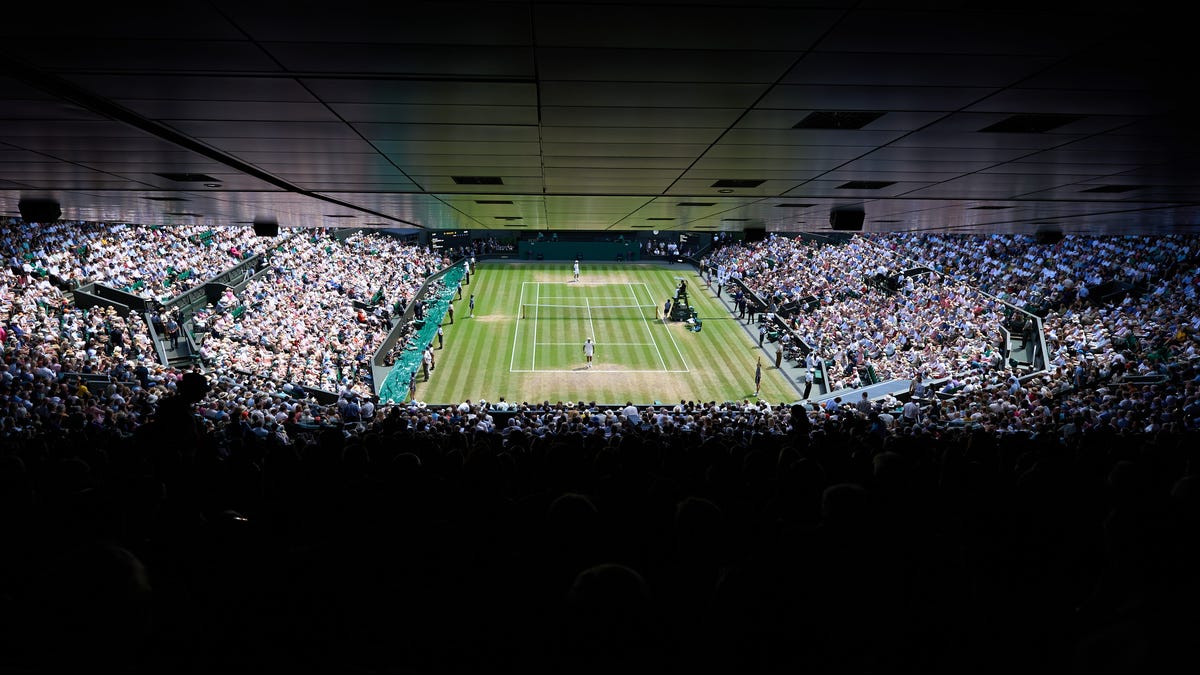
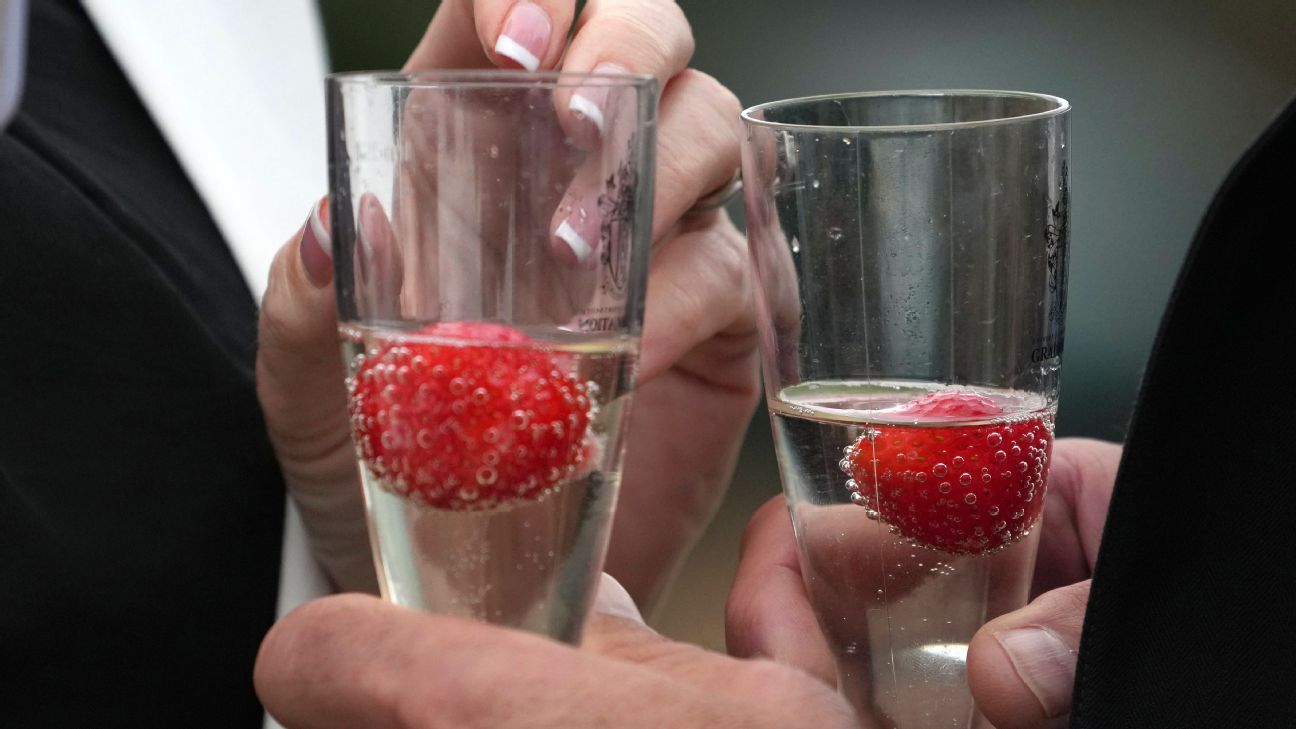
During a third-round match at Wimbledon, a fan uncorked a bottle of champagne just as Anastasia Potapova was about to serve, prompting Australian umpire John Blom to issue a humorous warning. While the incident was not as disruptive as previous occurrences, such as a champagne cork flying onto the court in 2019, it highlights the need for better enforcement of rules regarding corked bottles in the stands. Mirra Andreeva defeated Potapova in straight sets and will face Madison Keys in the fourth round.
A fan at Wimbledon popped a champagne bottle during a match, prompting the umpire to make an announcement asking spectators not to do so during serves. This is not the first time such an incident has occurred at the tournament. Despite the distraction, Mirra Andreeva defeated Anastasia Potapova in straight sets.
During a match at Wimbledon, umpire John Blom politely asked spectators not to pop open champagne bottles while players were serving, after a fan did so during a match between Anastasia Potapova and Mirra Andreeva. This is not the first time such a request has been made, as the All England Club's conditions of entry state that all corked bottles, including champagne, must be opened prior to being taken into the stands.
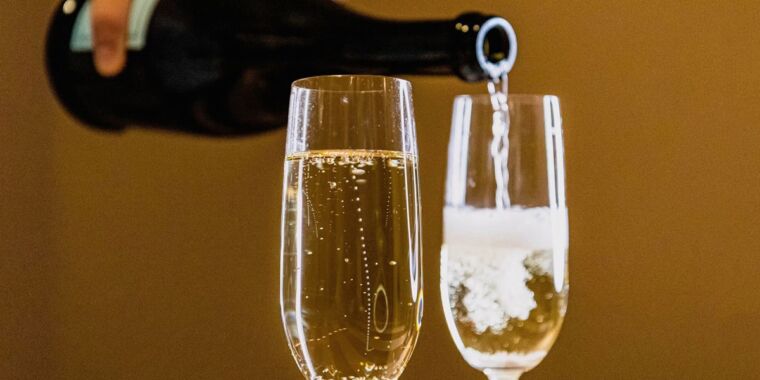
Researchers at Brown University and the University of Toulouse have discovered that the unique bubbles in Champagne are due to surfactants, which help reduce the tension between the liquid and gas bubbles, making for a smooth rise to the top. The straight-laced rise also enhances its taste. The research has economic and societal value, as understanding how bubbles cluster can help with technologies that use bubble-induced mixing, such as aeration tanks at water treatment facilities, and explain ocean seeps.
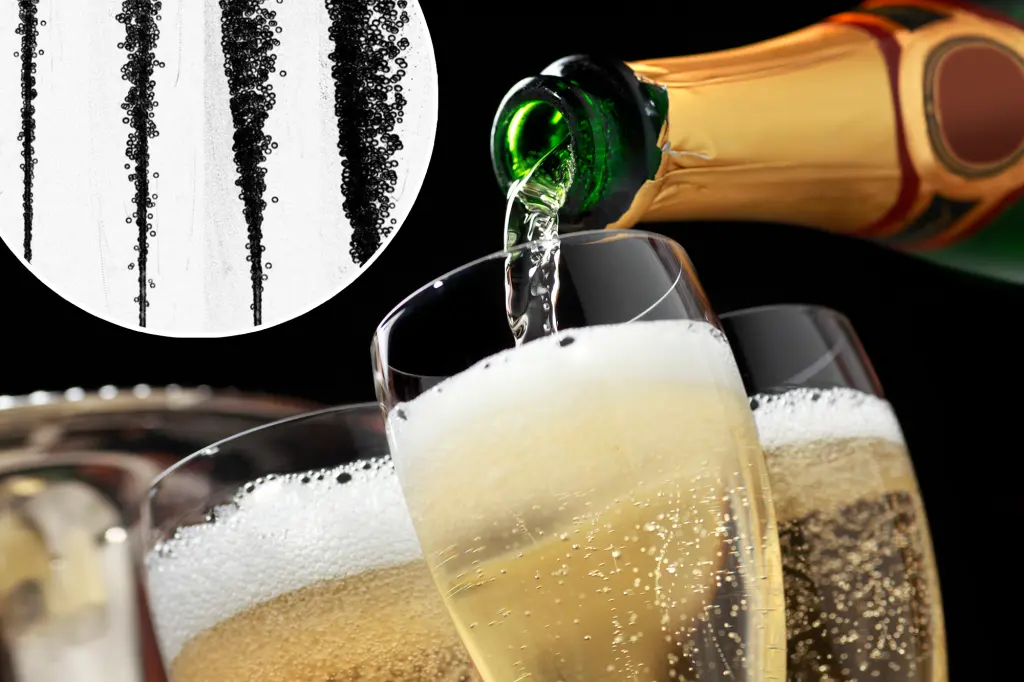
Researchers have discovered why champagne bubbles rise in a straight line, unlike those of many other drinks. The unusual trait is down to particular ingredients in champagne that not only give it flavour but attach to the bubbles, changing the motion of the fluid immediately behind them as they rise and hence allowing the bubbles to form a chain. The straight lines of tiny bubbles within champagne are down to flavour molecules, such as fatty acids, within the drink that have surfactant properties.
Brown University physicist Roberto Zenit has discovered that surfactant molecules coat champagne bubbles and encourage more swirling, thereby disrupting the wake and creating stable vertical columns of bubbles. This is unlike other carbonated beverages, where the wake of rising bubbles knocks other bubbles sideways so that multiple bubbles rise simultaneously. Carbonation is a fascinating topic within fluid dynamics, and champagne's effervescence arises from the nucleation of bubbles on the glass walls. When the bubbles in champagne burst, they produce droplets that release aromatic compounds believed to enhance the flavor.
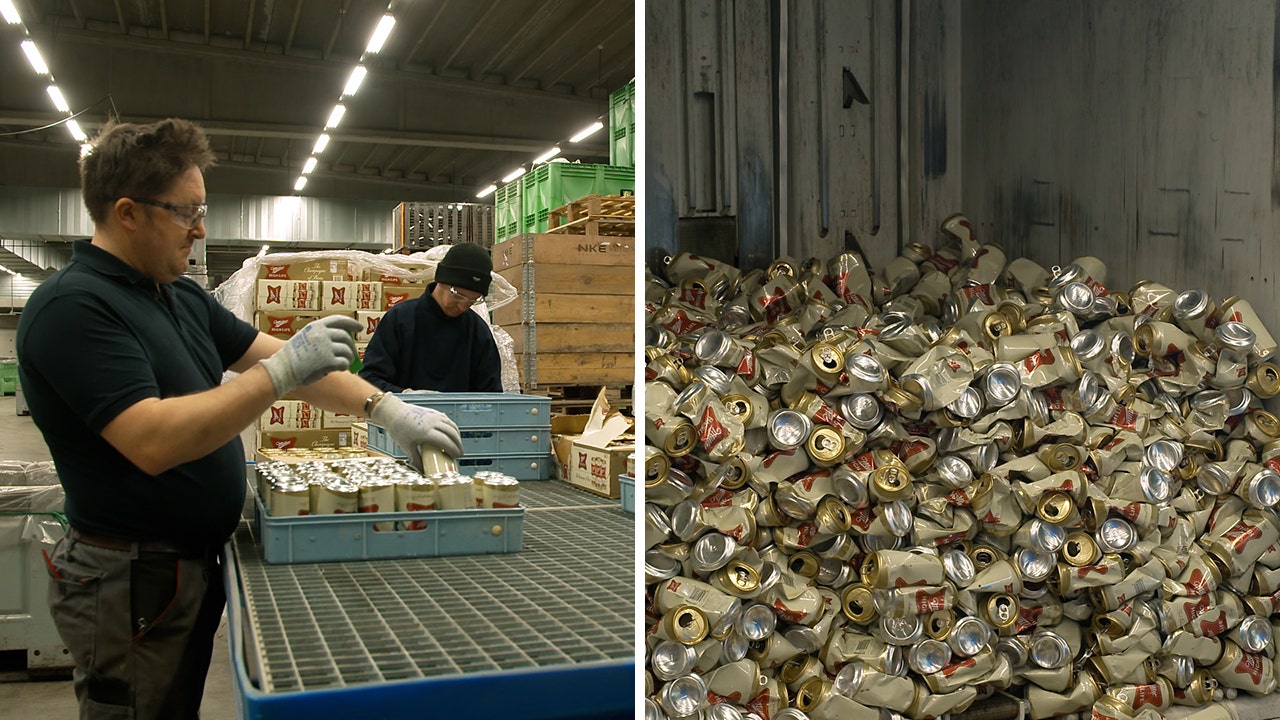
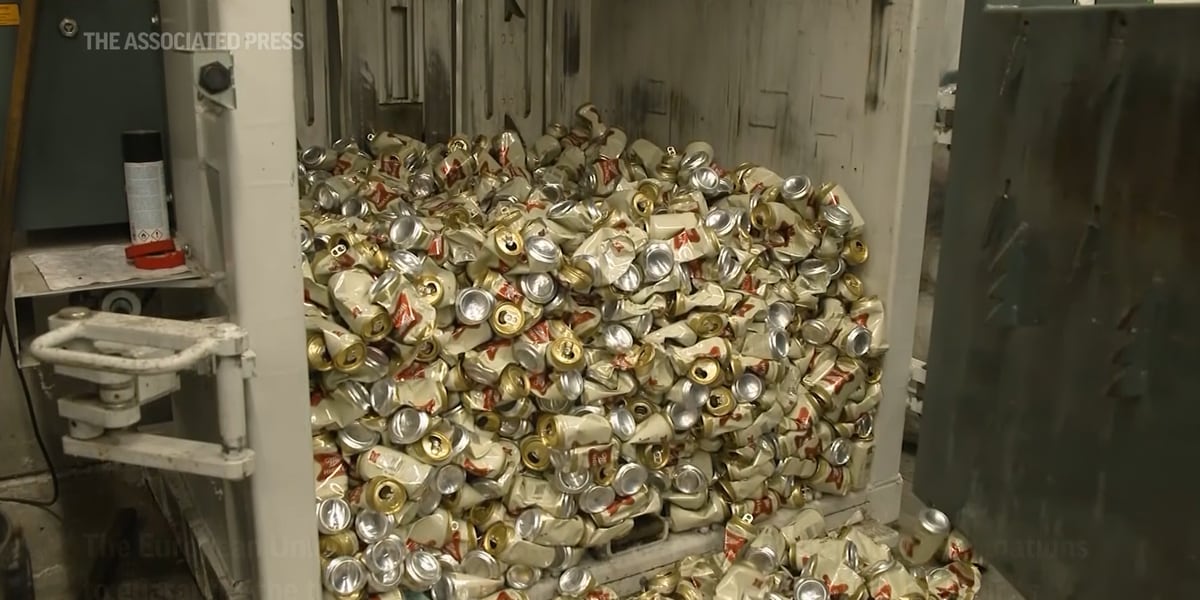
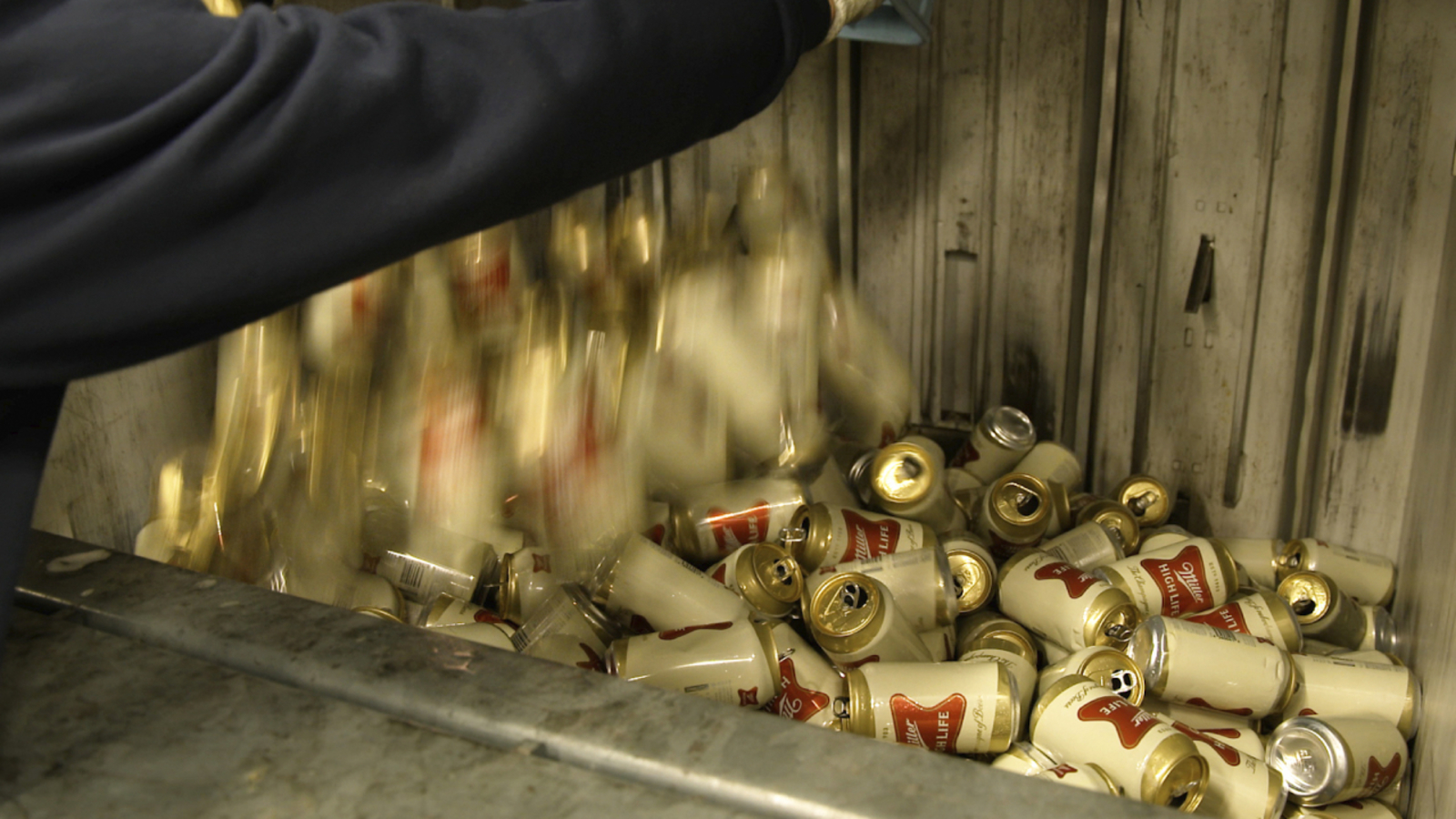
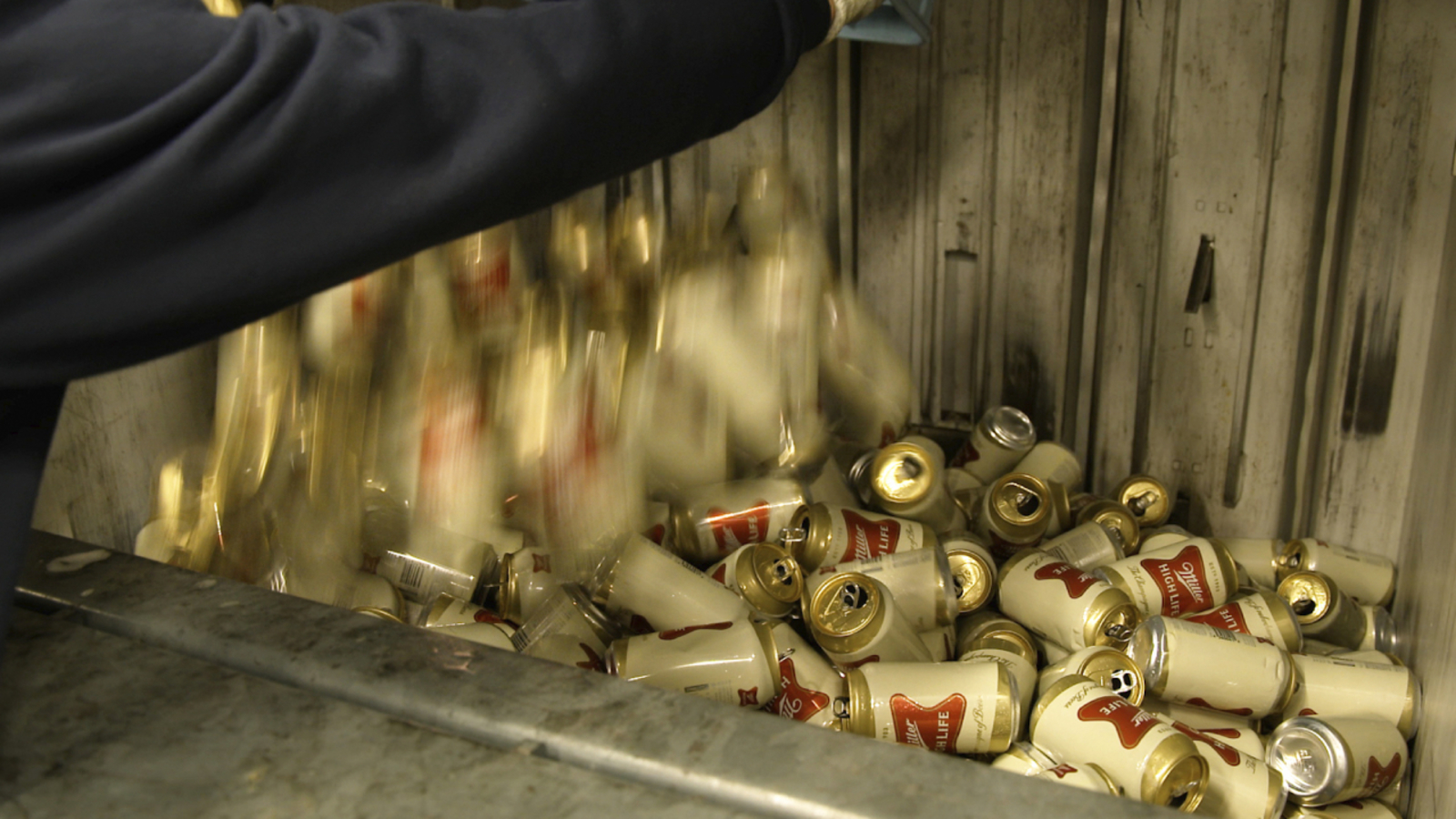
More than 2,000 Miller High Life beer cans were destroyed in Belgium after a request from a French champagne committee, which represents champagne producers who don’t approve of the beer brand’s slogan – "Champagne of Beers." The committee argued that Miller High Life’s slogan infringes on Champagne’s protected designation of origin. The Champagne name is reportedly reserved for select sparkling wines produced only in the Champagne region of France under the European Union’s current regulations on protected designation of origin.
Belgian customs crushed over 2,000 cans of Miller High Life beer after the Comité Champagne trade body requested the destruction of a shipment of 2,352 cans on the grounds that the century-old motto used by the American brewery infringes the protected designation of origin "Champagne." The beer's nickname, "The Champagne of Beers," is incompatible with European Union rules, which protect the true origin and quality of artisanal food, wine, and spirits. The 27-nation bloc has a system of protected geographical designations worth nearly 75 billion euros annually, half of it in wines.
Belgian customs destroyed a shipment of Miller High Life beer after a trade association for the Champagne industry complained that the term "The Champagne of Beers" infringed on the protected designation of "Champagne". The beers were intercepted at the port of Antwerp in February and were headed for Germany. The Comité Champagne said the cans were destroyed "with the greatest respect for environmental concerns by ensuring that the entire batch, content and container, is recycled in an eco-responsible way."
Belgian customs destroyed a shipment of Miller High Life beer after a trade association for the Champagne industry complained that the slogan "The Champagne of Beers" infringed on the protected designation of "Champagne". The beers were intercepted at the port of Antwerp in February and were headed for Germany. The Comité Champagne said the cans were destroyed "with the greatest respect for environmental concerns by ensuring that the entire batch, content and container, is recycled in an eco-responsible way."