OpenAI Teams Up With Cerebras to Fast-Track Real-Time AI
OpenAI will integrate Cerebras' ultra-low-latency AI processors to add 750MW of compute, speeding real-time responses and expanding inference across workloads through 2028.
All articles tagged with #cerebras

OpenAI will integrate Cerebras' ultra-low-latency AI processors to add 750MW of compute, speeding real-time responses and expanding inference across workloads through 2028.

OpenAI's new o1 reasoning model, also known as Strawberry, aims to improve AI by using a step-by-step reasoning approach, particularly beneficial for STEM and math problems. Despite its high accuracy, the model is slow, expensive, and currently text-only. Cerebras Systems has developed CePO, a Llama-based model that incorporates o1-like reasoning and claims to provide real-time answers, addressing some of o1's limitations. CePO is not yet productized but shows promise in enhancing AI reasoning capabilities.

OpenAI once considered acquiring AI chipmaker Cerebras in 2017, as revealed in legal filings related to Elon Musk's lawsuit against OpenAI. The acquisition, which was discussed to potentially occur through Tesla, was ultimately not pursued. Cerebras, now going public, builds AI hardware and faces challenges, including reliance on a single major client and scrutiny over ties to China. OpenAI, aiming to reduce dependence on Nvidia, has shifted focus to developing its own AI chips with partners like Broadcom and TSMC, targeting a 2026 release.

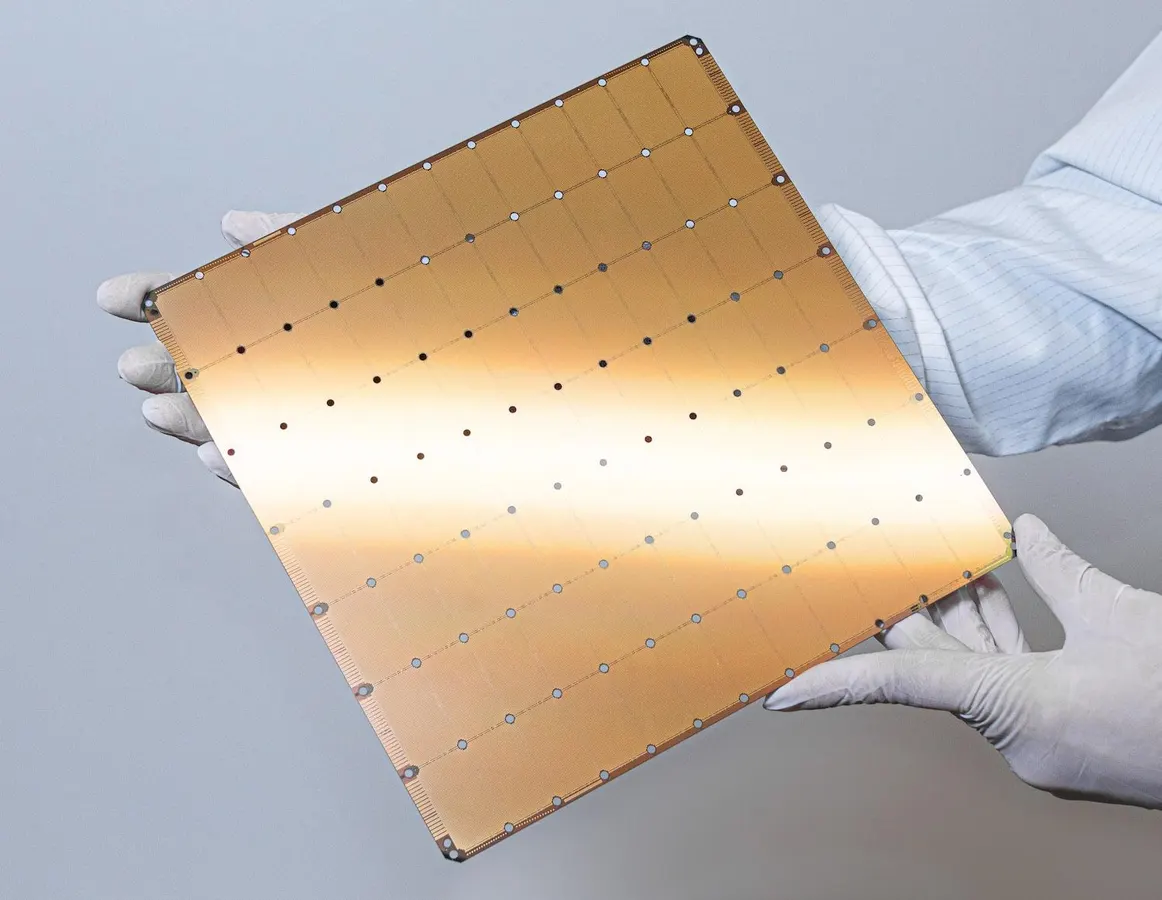
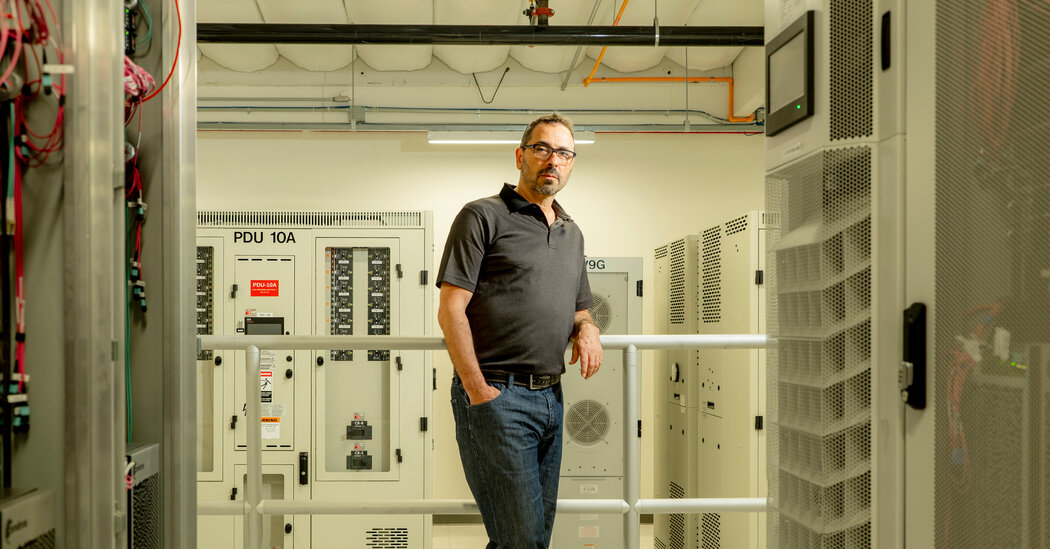
Silicon Valley start-up Cerebras has unveiled a new supercomputer built with its specialized chips, which are the size of a dinner plate and pack the computing power of hundreds of traditional chips. The demand for computing power and A.I. chips has surged due to the global A.I. boom, leading tech giants and start-ups to develop their own alternatives to meet the demand. Cerebras aims to compete in the market dominated by Nvidia and has already built a supercomputer for A.I. company G42, with plans to build more in the future. The company hopes to advance A.I. development and provide an alternative to Nvidia's chips.