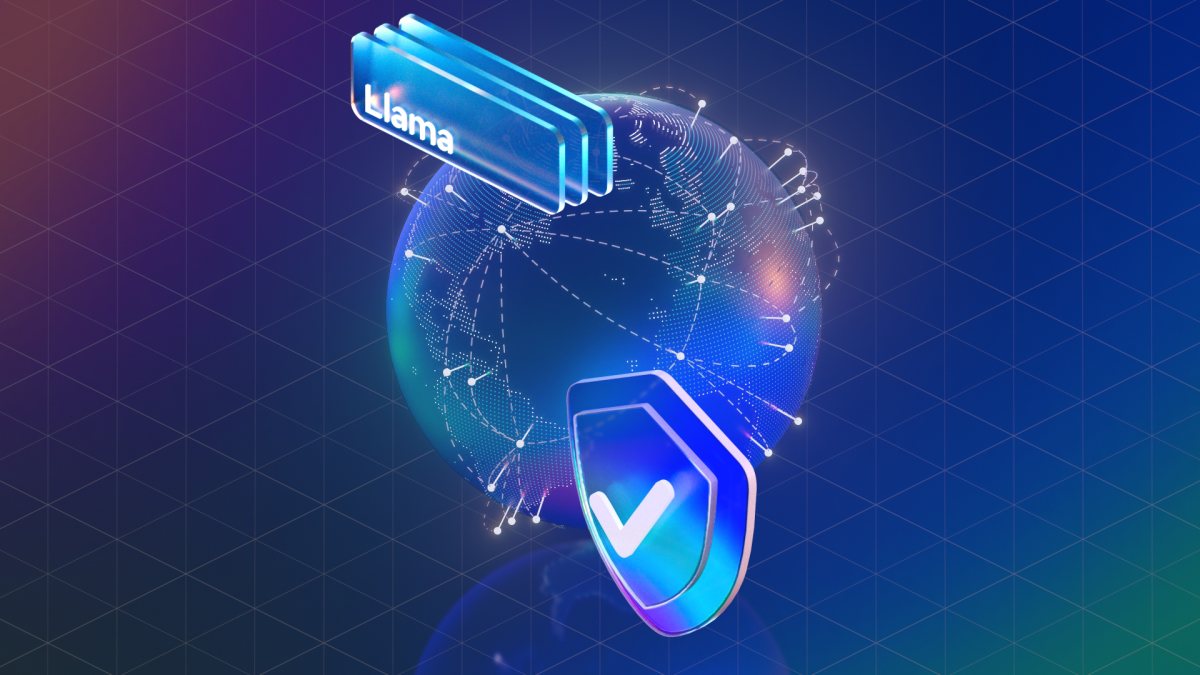
Meta is expanding access to its open-source Llama AI models to key US allies and partners for defense and national security applications, supporting secure deployment, customization, and integration with advanced technologies like AR/VR to enhance military capabilities and maintain AI leadership among democracies.
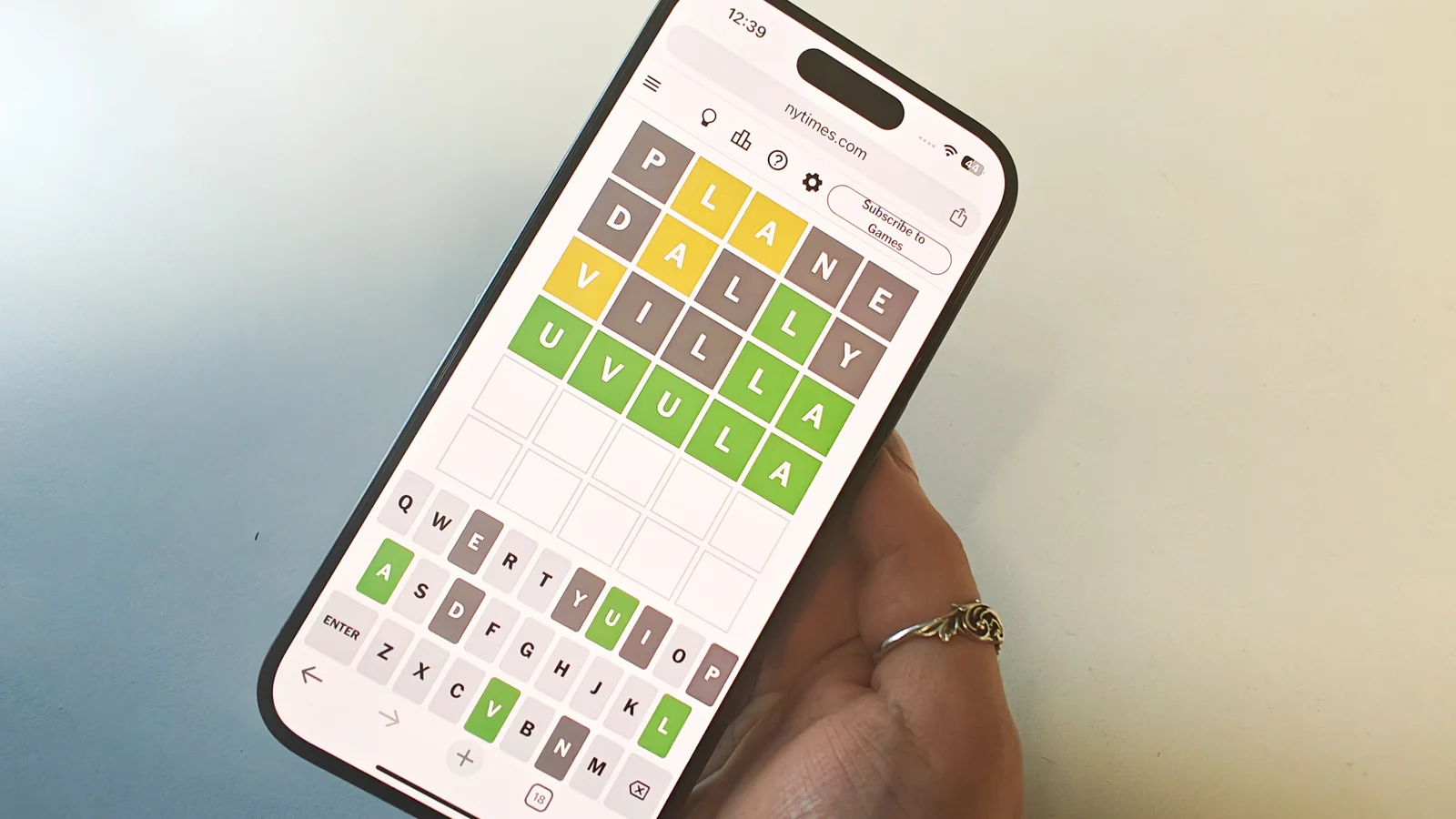
Today's Wordle puzzle (#1523) is particularly challenging due to the word 'Llama,' which contains repeated letters and is less common, making it harder for players to guess and potentially breaking streaks. The puzzle's difficulty is reflected in the average completion time and social media reactions, highlighting the game's evolving challenge as easier words are exhausted.
OpenAI's new o1 reasoning model, also known as Strawberry, aims to improve AI by using a step-by-step reasoning approach, particularly beneficial for STEM and math problems. Despite its high accuracy, the model is slow, expensive, and currently text-only. Cerebras Systems has developed CePO, a Llama-based model that incorporates o1-like reasoning and claims to provide real-time answers, addressing some of o1's limitations. CePO is not yet productized but shows promise in enhancing AI reasoning capabilities.
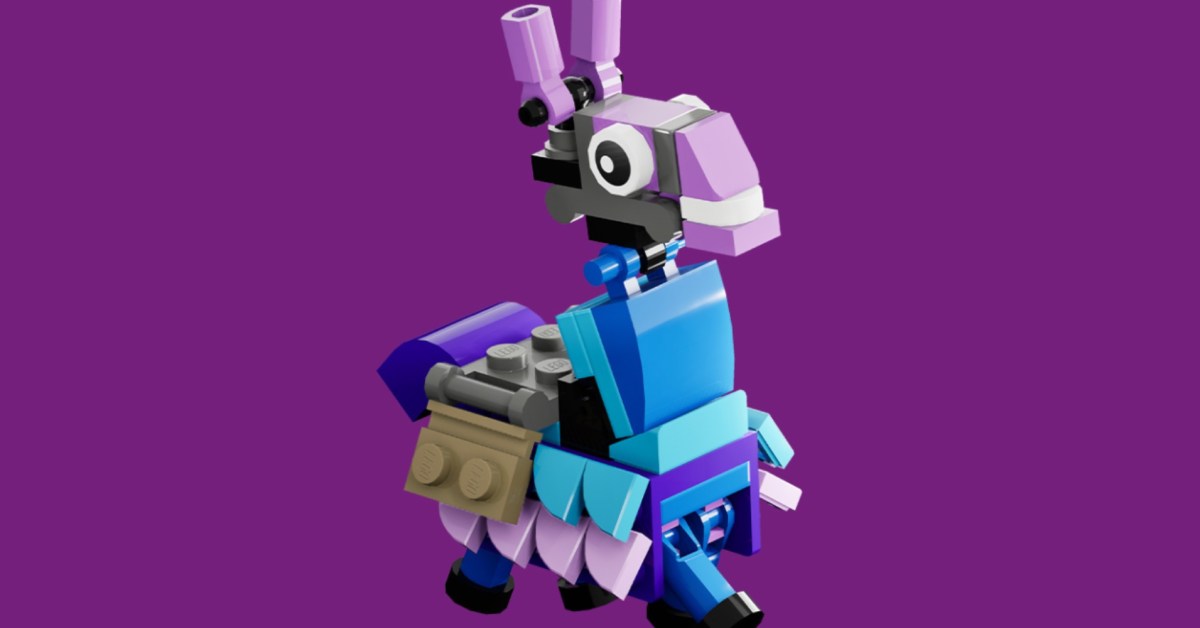
Instructions and a part list have been released for building your own miniature LEGO Fortnite Llama, as the promotional set will not have a wide release. The instructions can be followed using your own LEGO bricks or by purchasing the necessary pieces from a third-party website. The part list includes 61 bricks and can be obtained for around $6 in the United States.
Meta's research demo, Galactica, which was released before ChatGPT, faced criticism and was taken down due to its inaccurate and offensive output. Despite this setback, the lessons learned from Galactica influenced the development of Meta's next generation of models, including Llama. Llama, an open-source large language model, sparked a debate in the AI research community and was followed by Llama 2 and Code Llama. Meta has incorporated the lessons from Galactica into the responsible release of their subsequent models.
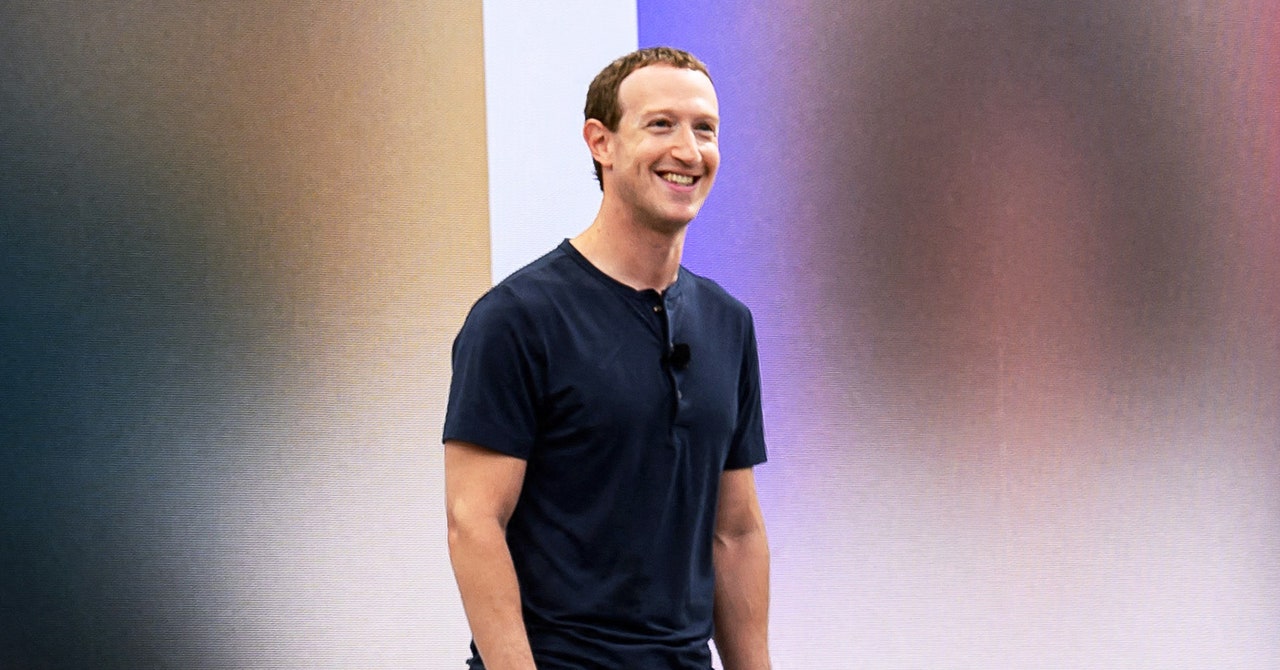
Meta has launched a series of celebrity chatbots, including ones based on Paris Hilton, Snoop Dogg, and Mr. Beast, which are available in beta on Facebook Messenger, Instagram, and WhatsApp. These chatbots are built on the open-sourced machine-learning model called Llama, distinguishing Meta from competitors like Google and OpenAI. Meta has also made the tools used to build these chatbots available for users and businesses to create their own versions. However, Meta's open-source AI strategy has faced criticism from some who argue it violates AI risk-management frameworks. This is not Meta's first foray into AI assistants, as it previously introduced a virtual assistant named M in 2015, which was later shut down in 2018.
Meta is reportedly set to release an open-source coding AI called "Code Llama" that will suggest code to developers as they type, competing against proprietary software from companies like OpenAI and Google. The new model, based on Meta's LlaMA language model, is expected to be available for free online. Meta's open-source strategy has gained attention despite its late entry into the consumer AI market, and the company has been exploring ways to implement AI into its social media platforms and metaverse ambitions.
Meta has made its large language model (LLaMA) available for free under an open license and brought it to Microsoft's Azure platform, signaling a shift towards partnerships and interoperability in the AI industry. While previous models like GPT and Bard have been relatively siloed and controlled, Meta's move highlights the benefits of open development and democratizing access to AI. This step towards interoperability allows developers to access a wider variety of models and potentially collaborate across platforms, leading to better results and avoiding overreliance on a single source of information. While challenges remain, such as the need for a bridge between different models, this move is a positive step towards open source and collaboration in the AI field.
Meta is releasing a commercial version of its open-source AI model, Llama, providing businesses with a free alternative to expensive proprietary models offered by OpenAI and Google. The new version, Llama 2, will be distributed by Microsoft through its Azure cloud service and will run on Windows. Llama has been trained on 40% more data than its predecessor and is competitive with models like OpenAI's ChatGPT and Google's Bard chatbot. The move threatens the dominance of closed-source models in the generative AI software market. Microsoft's support for Llama may extend its position as the go-to cloud platform for AI work. However, releasing Llama into the wild raises concerns about safety controls and the potential for misuse.
Hugging Face has launched an open-source alternative to ChatGPT called HuggingChat, which is essentially a user interface that allows people to interact with an open-source chat assistant dubbed Open Assistant. HuggingChat will soon allow users the ability to plug in new chat models. However, there are licensing issues that need to be worked out before HuggingChat can be used commercially. Hugging Face is iterating quickly on the interface and safety mechanisms and intends to support the next rapidly improving open-source models.