Scientists have discovered a new universal principle, the global constraint principle, explaining how cell growth slows as nutrient levels increase, unifying classic biological laws and providing insights into microbial and organism growth under resource limitations.
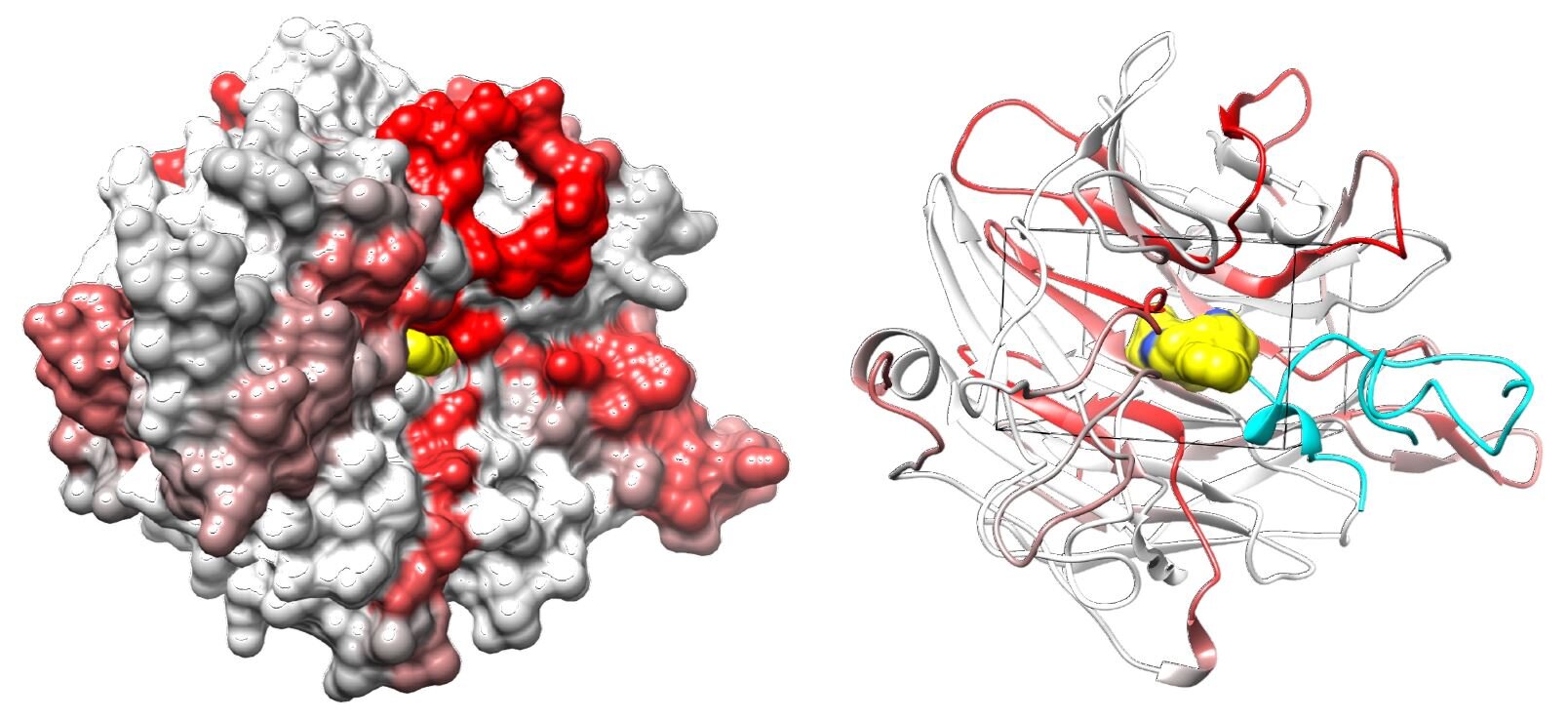
A preclinical study led by scientists at City of Hope has identified two cell-surface proteins, integrin αV and β5, as crucial players in promoting cancer cell growth. By targeting the β-propeller domain of integrin αV with a compound called Cpd_AV2, the researchers were able to disrupt the interaction between the two proteins, leading to the halt of cancer cell growth in laboratory experiments. This discovery opens new possibilities for developing targeted therapies and advancing oncologic treatments, offering a promising approach for future cancer medicine studies.
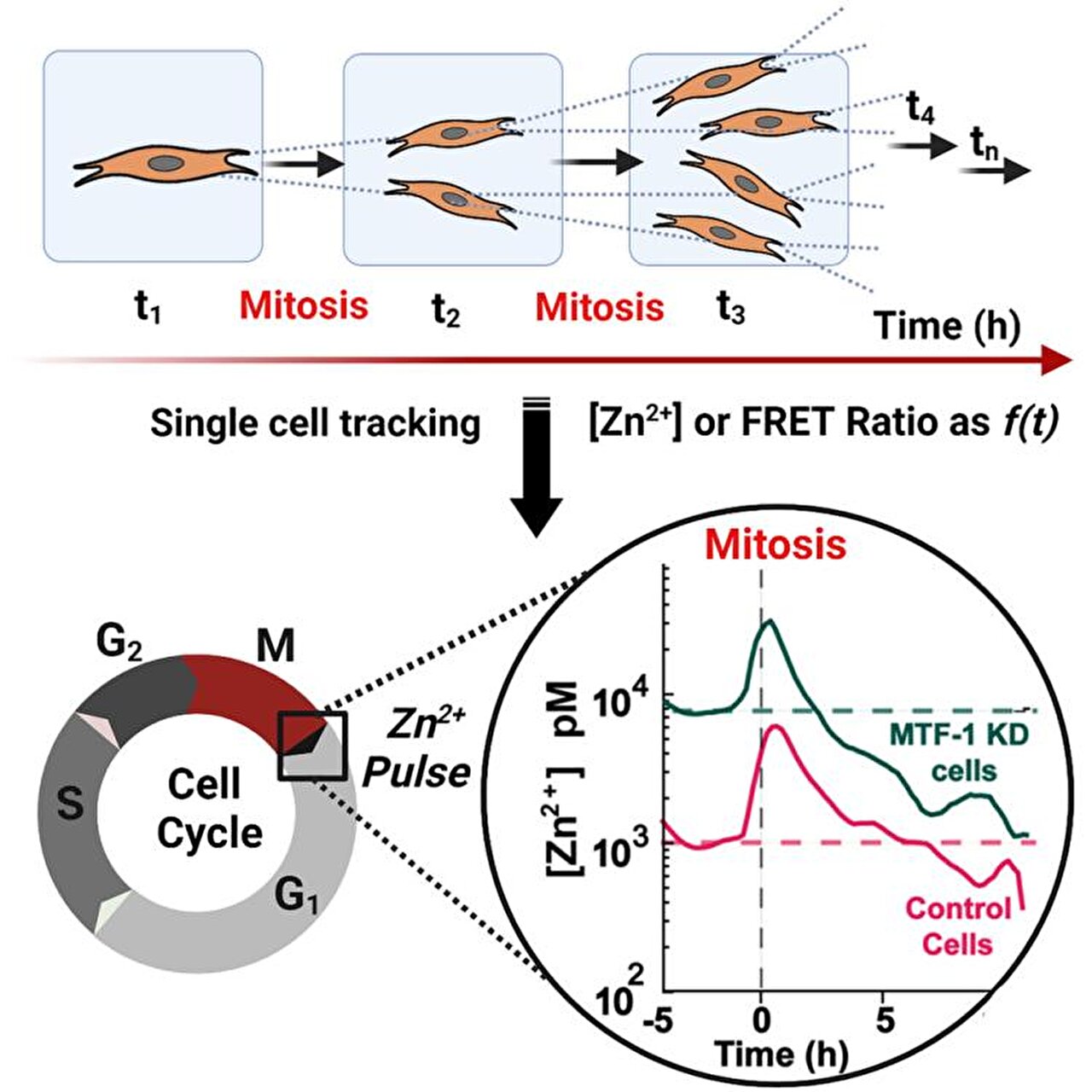
New research led by Amy Palmer, a professor in the University of Colorado Boulder Department of Biochemistry, has revealed the vital role of zinc in cell growth. Using genetically encoded fluorescent sensors, the study found that cell proliferation halts when zinc levels are too low or too high. The researchers also discovered a "zinc pulse" phenomenon, where cells experience a transient increase in zinc right after division. This breakthrough sheds light on the importance of zinc in various essential functions, such as DNA creation, immune system support, and protein building. Understanding the cellular mechanisms of zinc could have implications for human nutrition and disease.
Researchers at the University of Colorado Boulder have discovered that zinc plays a vital role in cell growth and proliferation. Using genetically encoded fluorescent sensors, the researchers found that when zinc levels are too low or too high, cell proliferation stops until zinc levels return to an acceptable range. They also observed a "zinc pulse" right after a cell divides, where there is a transient increase in zinc that lasts for about an hour. Understanding the cellular mechanisms of zinc and its importance in cell function could have implications for human nutrition and disease.
An international research team has discovered a previously unknown weak spot in prostate cancer cells involving a component of the minor spliceosome, which is significantly increased in advanced prostate cancer and drives uncontrolled cell growth. Inhibiting this component led to a significant reduction in prostate cancer growth compared to standard therapies, offering potential for more effective, targeted treatments. This discovery may also have implications for other types of cancer. The research was supported by the US Prostate Cancer Foundation with a $1 million grant.