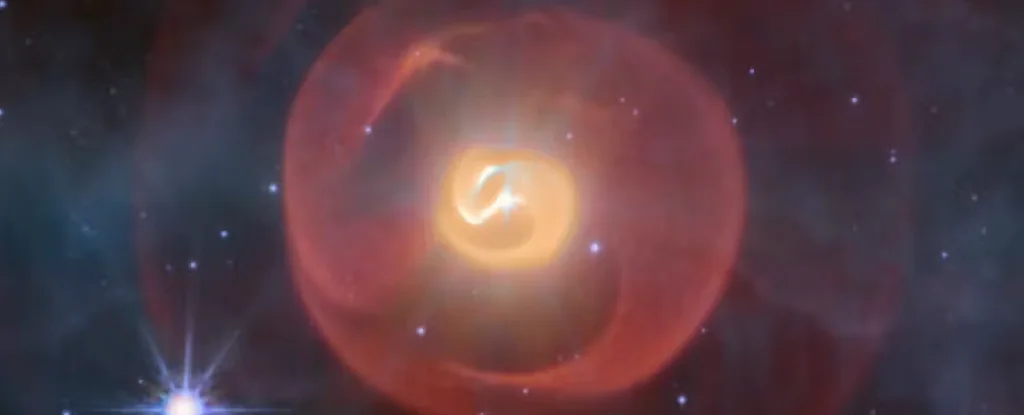
A new JWST image of the Apep nebula reveals a complex system of two Wolf-Rayet stars with a spiral dust structure, providing insights into the violent death of massive stars and the formation of cosmic dust, with recent data showing multiple dust shells and a third star companion.
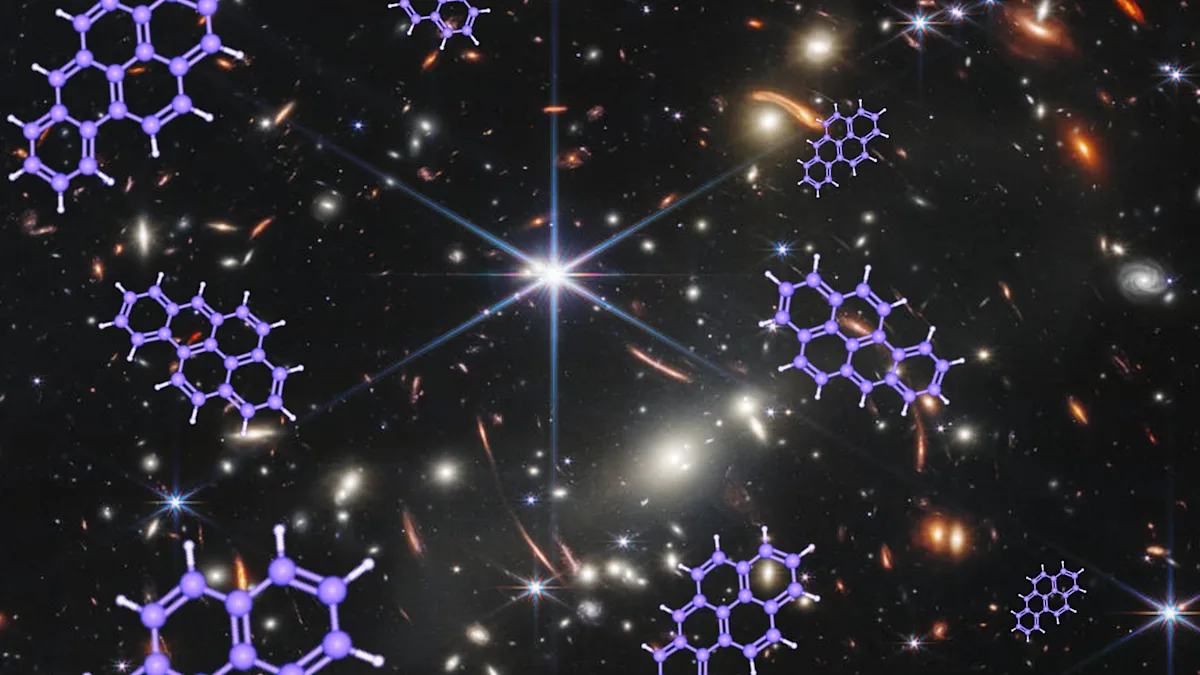
The James Webb Space Telescope (JWST) has made its first detection of carbon dust in ten different galaxies that existed as early as 1 billion years after the Big Bang. This discovery challenges conventional models of the universe's chemical evolution, as the presence of carbon dust in such young galaxies suggests a creation and dispersal method that works on a relatively short time scale. The findings highlight the capabilities of the JWST in observing and studying the early universe, and further research will explore the link between the carbon fingerprint and specific properties of galaxies.
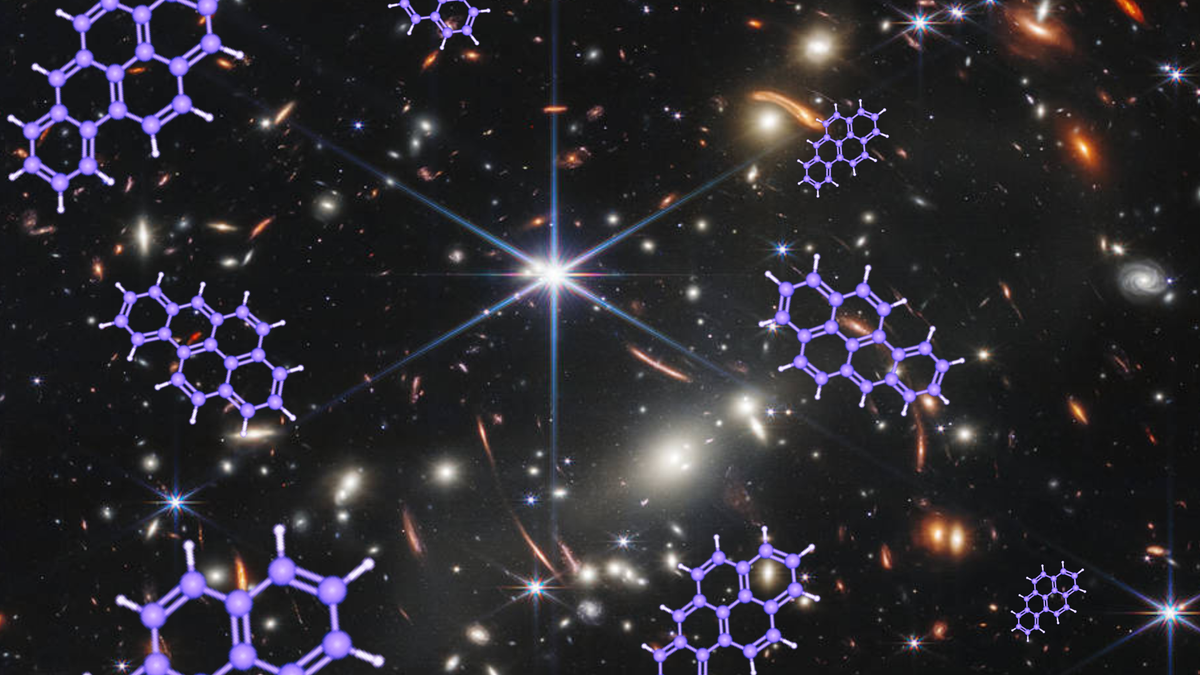
The James Webb Space Telescope has made its first detection of carbon dust in ten different galaxies that existed as early as 1 billion years after the Big Bang. This discovery challenges conventional models of the universe's chemical evolution, as the presence of carbon dust suggests a creation and dispersal method that works on a relatively short time scale. The findings highlight the capabilities of the JWST in observing distant galaxies and resolving features like carbon fingerprints. Further research will explore the link between the carbon fingerprint and specific properties of galaxies, as well as the astrophysical processes that produce carbon grains.