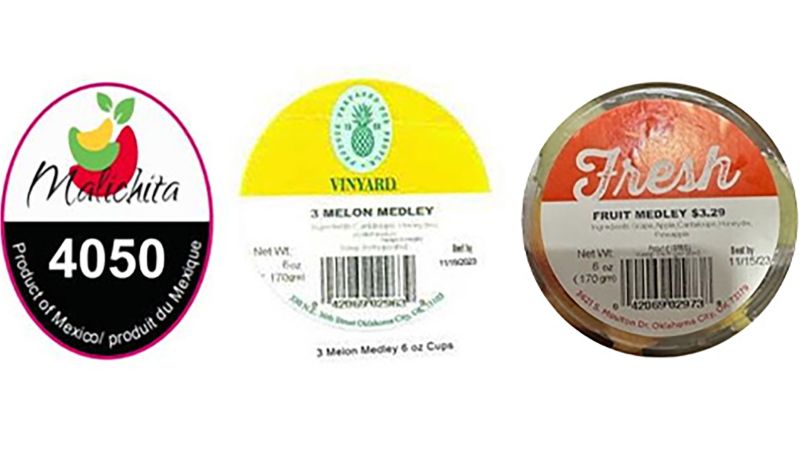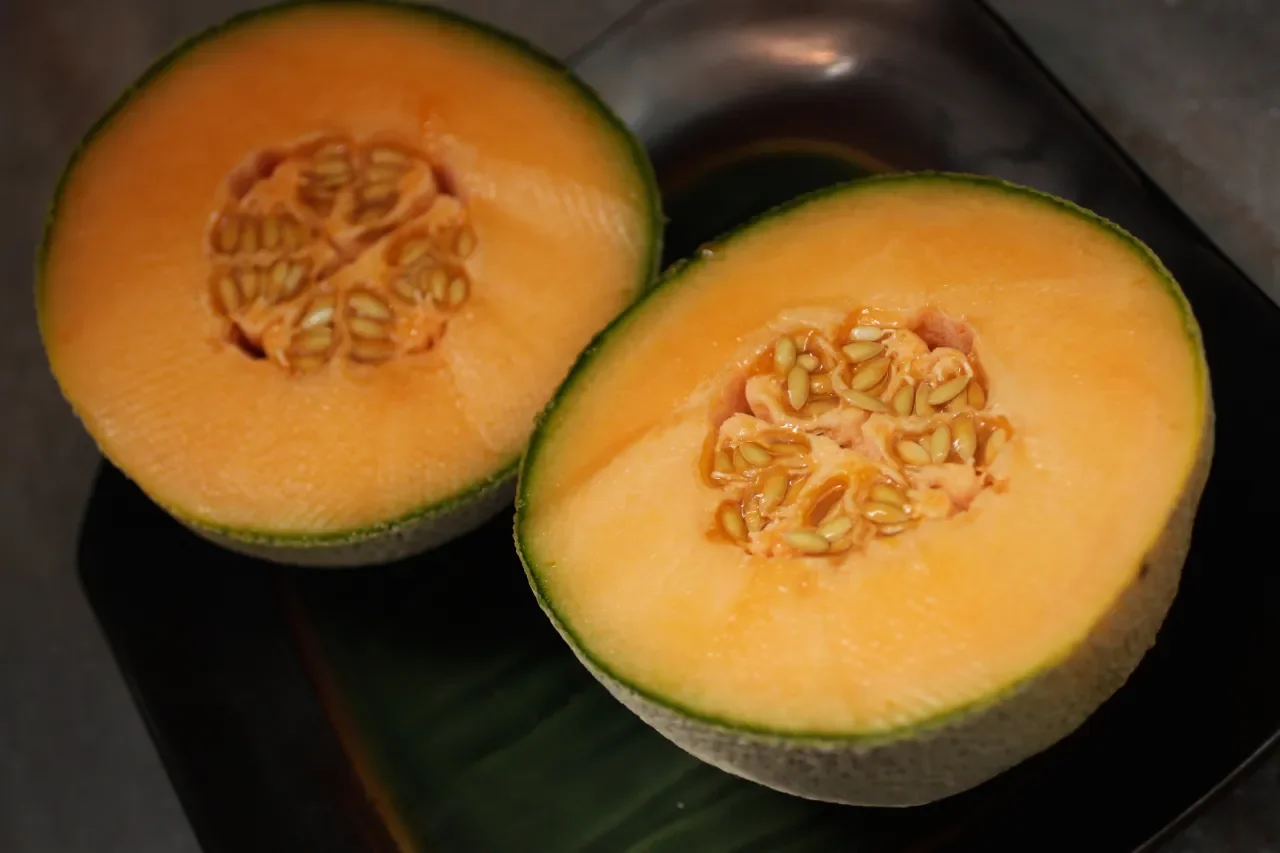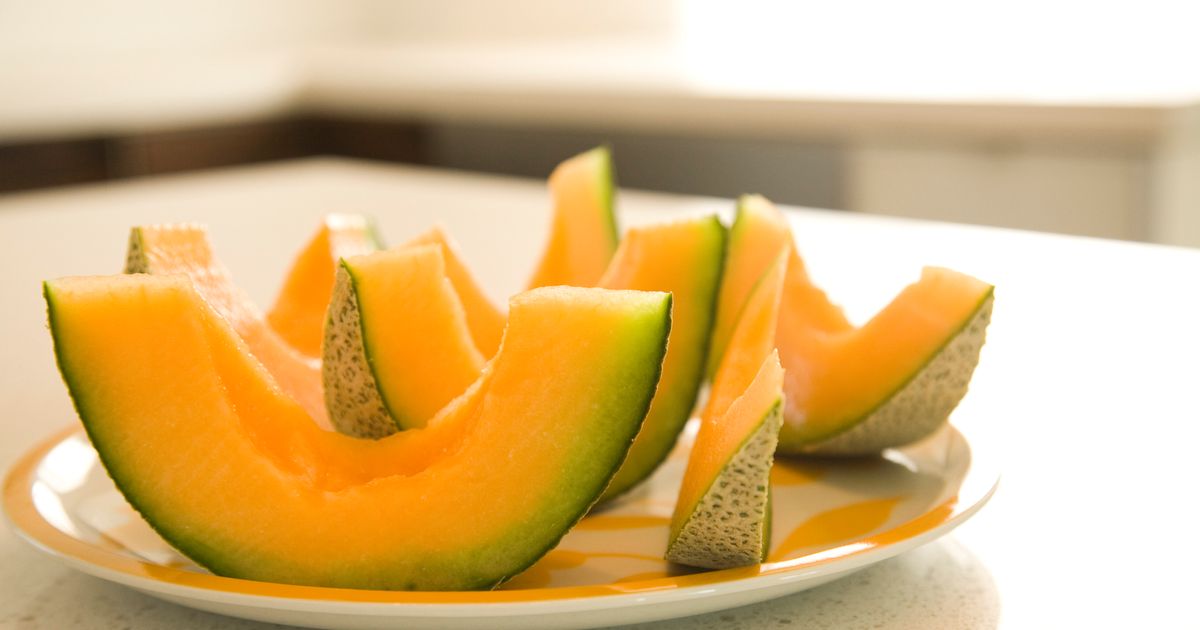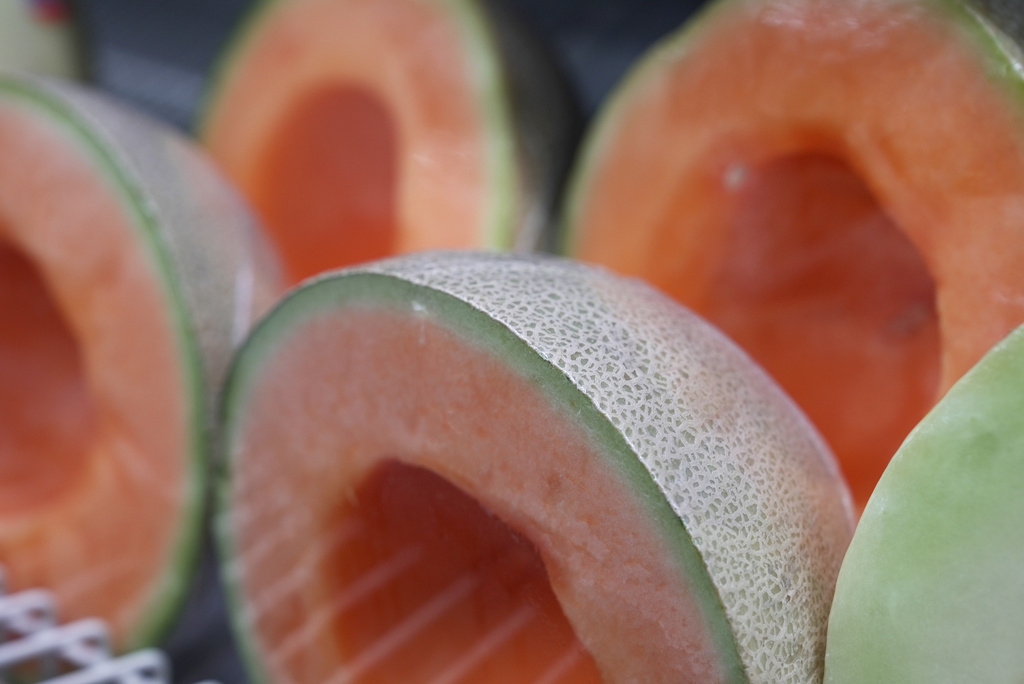
A salmonella outbreak linked to contaminated cantaloupes has sickened hundreds of people in the U.S. and Canada, resulting in at least 10 deaths. Health officials are advising consumers, retailers, and restaurants to avoid purchasing or consuming cantaloupes if the source is unknown, particularly for high-risk individuals such as young children, the elderly, and those with weakened immune systems. The outbreak began in mid-October, and the cantaloupes in question were imported from Mexico. Investigations are ongoing to determine the exact cause of contamination, but factors such as poor hygiene practices, pests, and equipment sanitation issues may contribute. Consumers are advised to rinse and scrub whole melons thoroughly or consider alternative methods to reduce bacterial contamination.
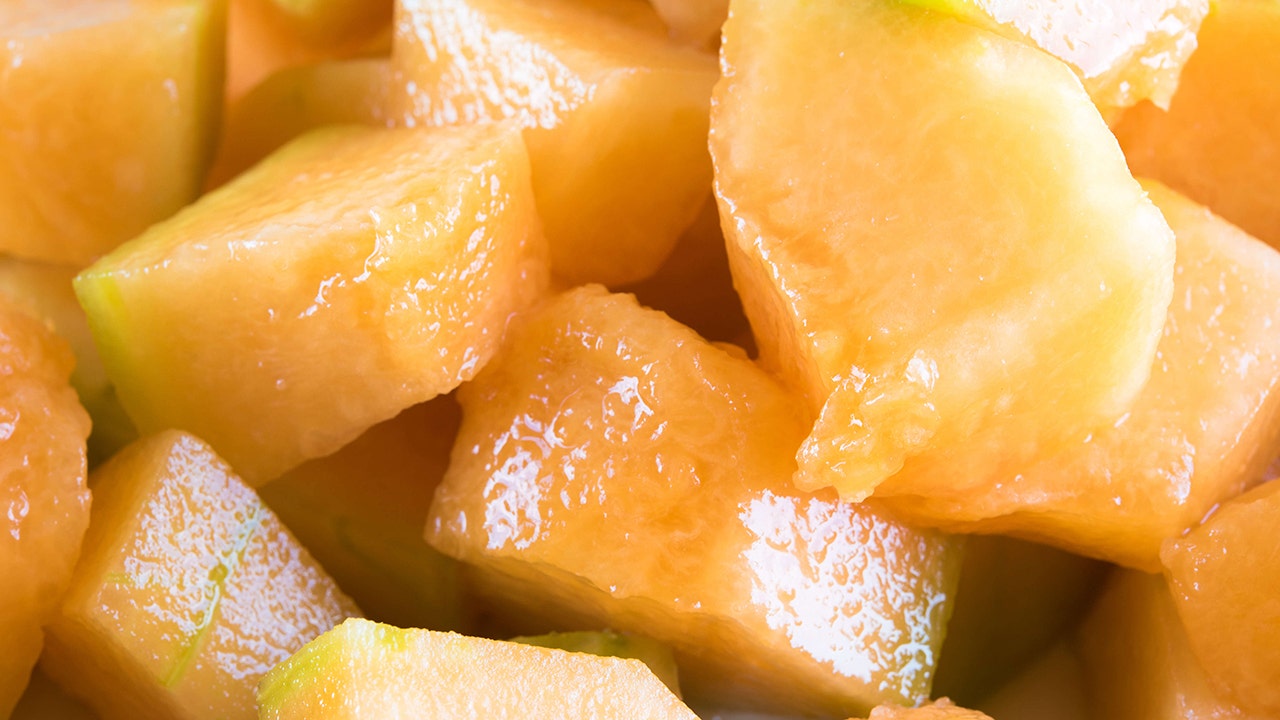
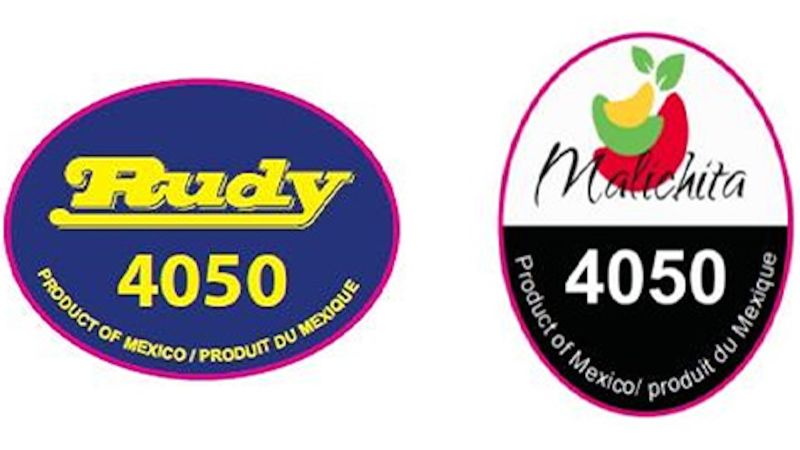
The total deaths linked to a cantaloupe-related salmonella outbreak have reached eight, with three deaths in the U.S. and five in Canada. Health agencies in both countries have identified "Malichita" or "Rudy" brand cantaloupes as the potential source of the illnesses, and several suppliers are believed to have distributed the fruit. Recalls have been issued for various cantaloupe products, and consumers are advised not to consume any recalled or pre-cut cantaloupe. The outbreak has resulted in 230 cases in the U.S. and 129 in Canada, with a significant number of hospitalizations reported. Symptoms of salmonella include diarrhea, fever, and abdominal cramps.
The salmonella outbreak linked to cantaloupe products has resulted in a third death in the US, with a total of 230 cases reported in 38 states. Canada has also confirmed 129 cases, including five deaths. Most of those affected are children under 5 or individuals over 65, many of whom attended group care facilities. The outbreak has been traced back to cantaloupes grown in Mexico and sold under the Rudy and Malichita brands. The CDC advises against consuming pre-cut cantaloupes and urges businesses to stop selling the contaminated fruit. Salmonella infections can cause vomiting, diarrhea, stomach cramps, and fever, and can be particularly severe for vulnerable populations. The investigation is ongoing to identify other potentially contaminated fruit products.
TGD Cuts, LLC is recalling certain fresh-cut fruit cup, clamshell, and tray products due to potential contamination with Salmonella. The products contain cantaloupe from TruFresh, which has been recalled for the same reason. The affected products were distributed in several states and should not be consumed. There have been no reported illnesses associated with the recalled products. Customers can contact TGD Cuts, LLC for more information and a full refund.
Two Minnesotans have died as a salmonella outbreak linked to cantaloupe continues, with Minnesota reporting the highest number of cases. Canada is also investigating a similar outbreak. More melons have been recalled, including certain whole cantaloupes and pre-cut fruit sold in various states.
The Centers for Disease Control and Prevention (CDC) has issued a warning about a Salmonella outbreak linked to cantaloupe, which has infected nearly 100 people across 32 states, including Texas. Several cantaloupe brands have recalled their products, and investigators are working to identify other potentially contaminated items. Two deaths have been reported, with 45 people hospitalized. The CDC advises consumers to discard any recalled cantaloupe and wash surfaces that may have come into contact with the fruit. Symptoms of Salmonella infection include diarrhea, fever, and stomach cramps, with severe cases requiring medical treatment, particularly in young children, older adults, and those with weakened immune systems.
Two deaths and at least 99 illnesses have been reported in a salmonella outbreak linked to contaminated cantaloupes and cut fruit. The outbreak has affected 32 states, with 45 hospitalizations. The recall has expanded to include Rudy brand whole cantaloupes and Freshness Guaranteed brand and RaceTrac brand pre-cut cantaloupe. The CDC advises throwing away or returning the recalled products, washing any items or surfaces that have come into contact with the fruit, and businesses not to sell the contaminated fruit. Salmonella infections can cause vomiting, diarrhea, stomach cramps, and fever, and can be particularly severe for vulnerable populations. The CDC will continue to investigate the outbreak.
The US Centers for Disease Control and Prevention (CDC) is investigating a salmonella outbreak linked to whole and pre-cut cantaloupes, which has caused dozens of cases of infection and hospitalizations in multiple states and Canada. The tainted cantaloupes have been recalled from various retailers, and the CDC is advising people not to consume them. Symptoms of salmonella infection include diarrhea, fever, and stomach cramps, and individuals should seek medical attention if severe symptoms occur.
Thousands of whole cantaloupes sold in 19 states and Washington, D.C., have been recalled due to potential salmonella contamination. The recall, initiated by Eagle Produce, includes 6,456 cases of whole cantaloupes distributed between September 5 and September 16. Customers are urged not to consume the products and should dispose of them. No illnesses have been reported so far. Salmonella bacteria cause millions of infections, hospitalizations, and deaths in the U.S. each year. Symptoms include diarrhea, fever, and stomach cramps.
Thousands of whole cantaloupes sold in 19 states, including Illinois, have been recalled due to potential salmonella contamination. The recall includes 6,456 cases of Eagle Produce's Kandy brand cantaloupes distributed between September 5 and September 16. The affected fruit should not be consumed and should be thrown out. No illnesses have been reported so far, and no other products or lot code dates are included in the recall. Consumers can contact Eagle Produce LLC for more information.
Food safety experts advise against buying pre-cut fruit and ready-to-eat cooked foods from the grocery store due to contamination risks and improper handling. Bagged lettuce is also a concern due to outbreaks and lack of traceability. Most deli counter items are avoided due to employees' lack of knowledge about food safety and potential hygiene issues. Cantaloupe is prone to causing foodborne illness and should be handled with caution. It is recommended to buy whole lettuce, choose packaged deli foods with proper labeling, and avoid cantaloupe served in restaurants.
This article highlights nine fruits that are low in fiber, including watermelon, papaya, cantaloupe, kiwi, and pineapple. These fruits are rich in vitamins and minerals, making them a refreshing and healthy choice.