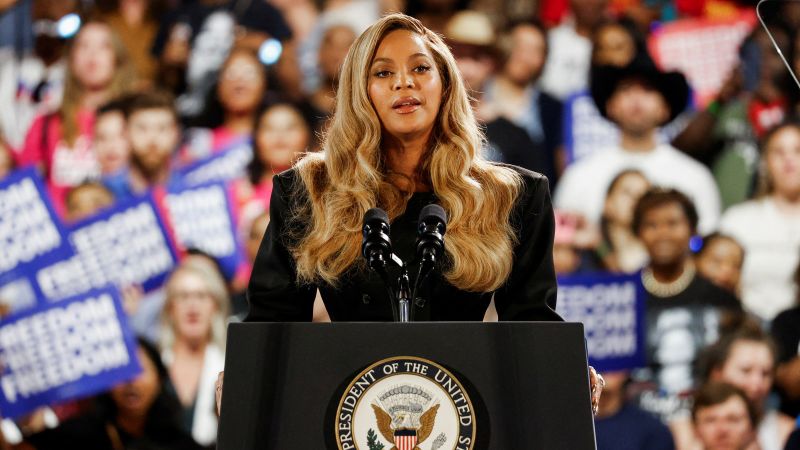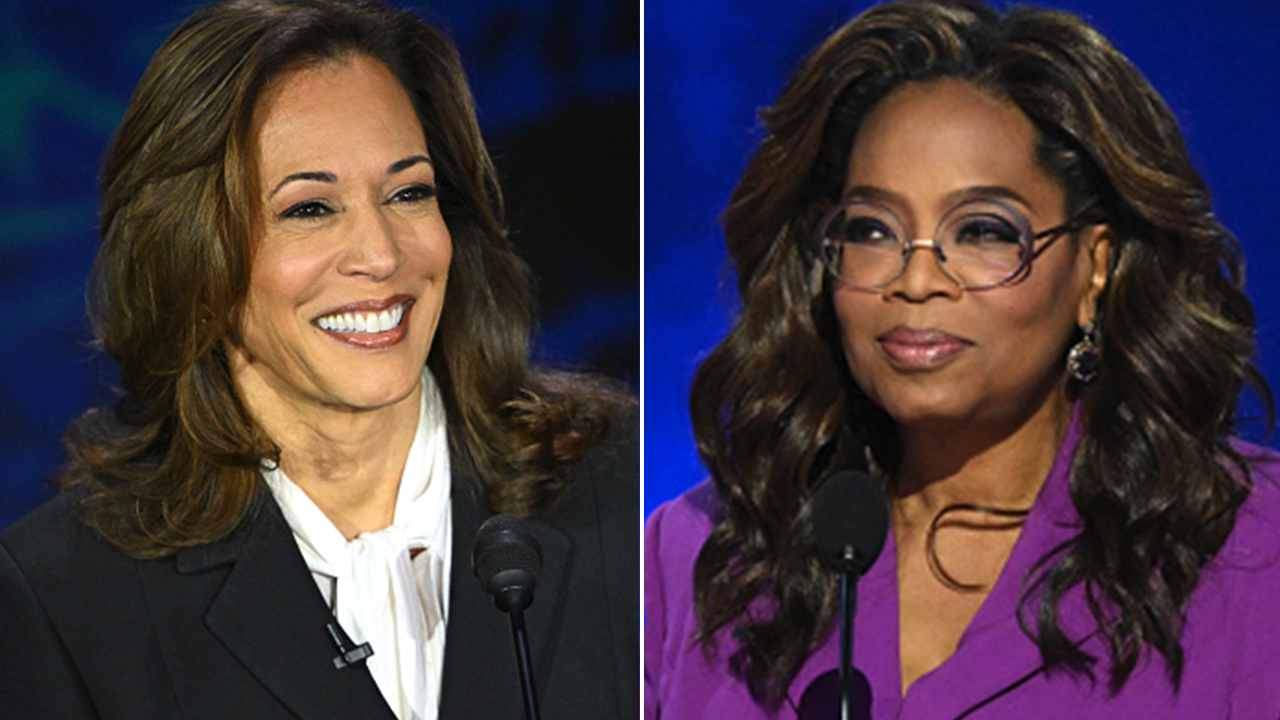
President Trump falsely claimed Beyoncé received an $11 million payment for endorsing Kamala Harris, but no evidence supports this claim; campaign records show only a $165,000 expense, and the claim has been debunked by fact-checkers and Beyoncé's representatives.
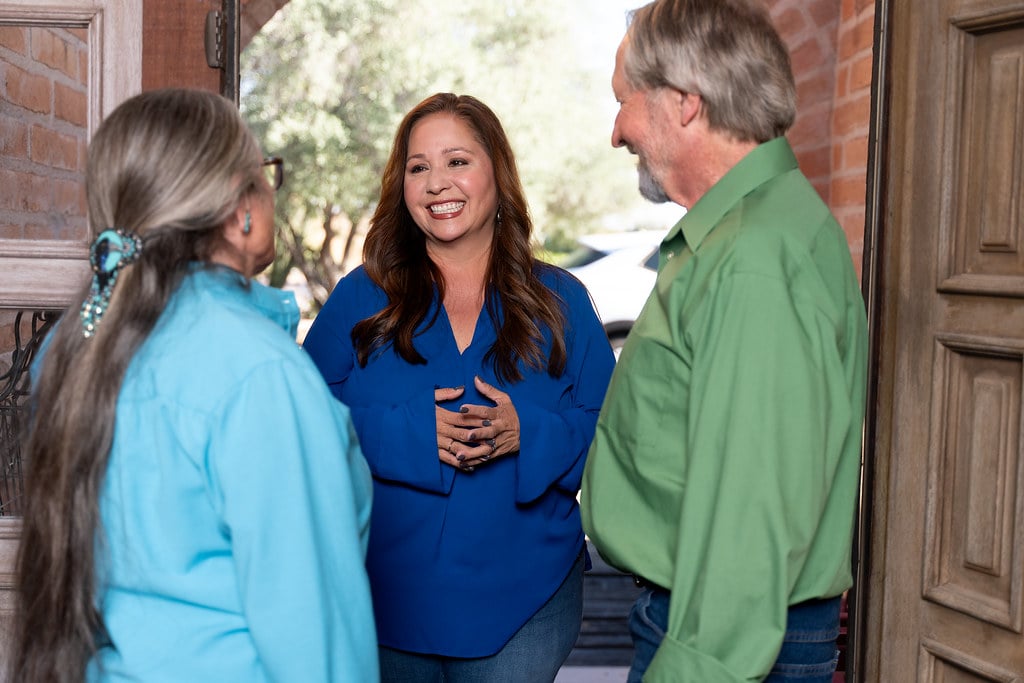
An Arizona special election is highlighting divisions within the Democratic Party, with significant campaign spending from various groups supporting different candidates, and debates over the legacy of the late Congressman Raúl Grijalva and the direction of the party.
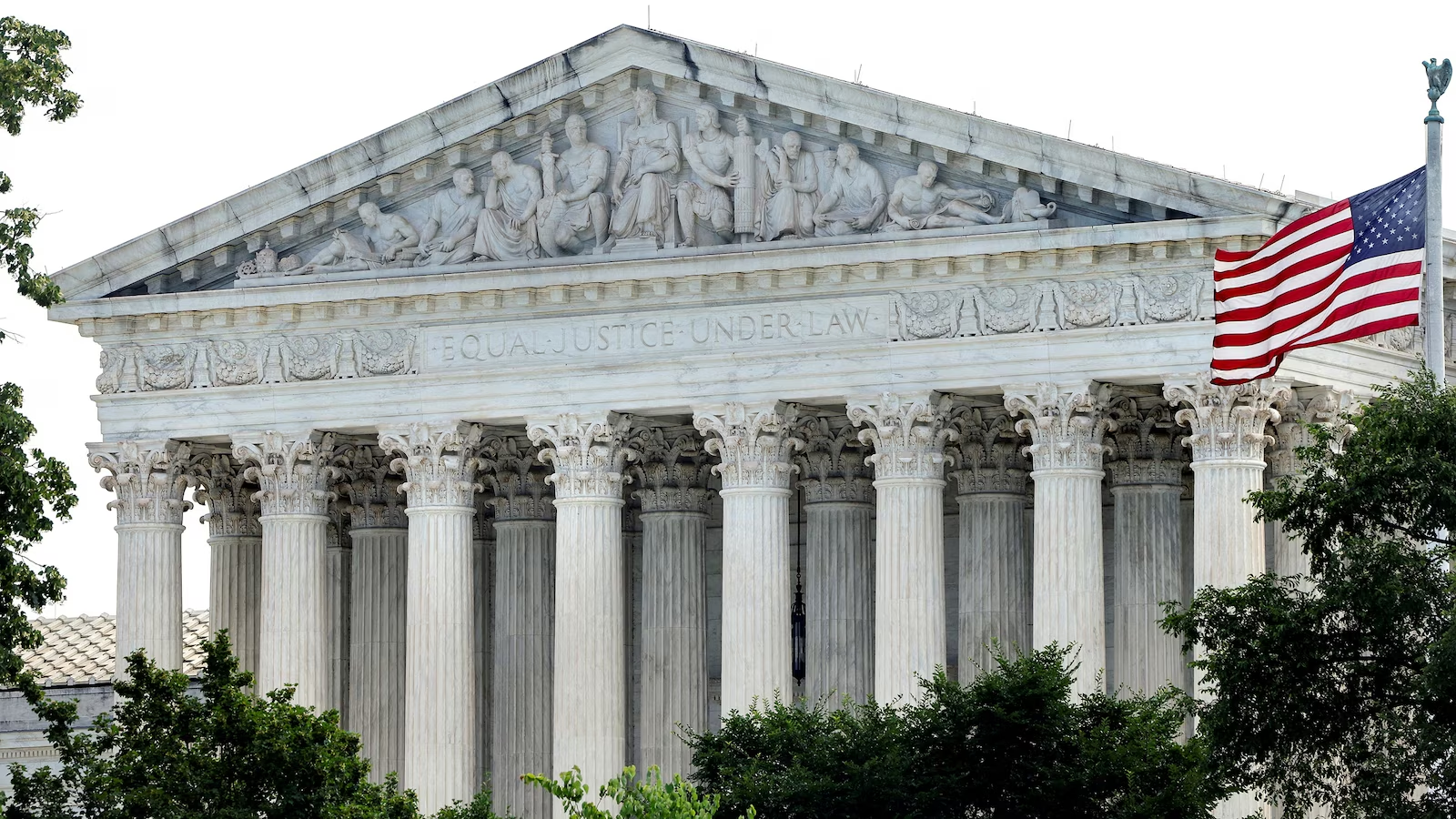
The Supreme Court will hear a case challenging federal limits on coordinated campaign spending, which could significantly impact election financing rules for the 2026 midterms, raising questions about the constitutionality of these restrictions under the First Amendment.
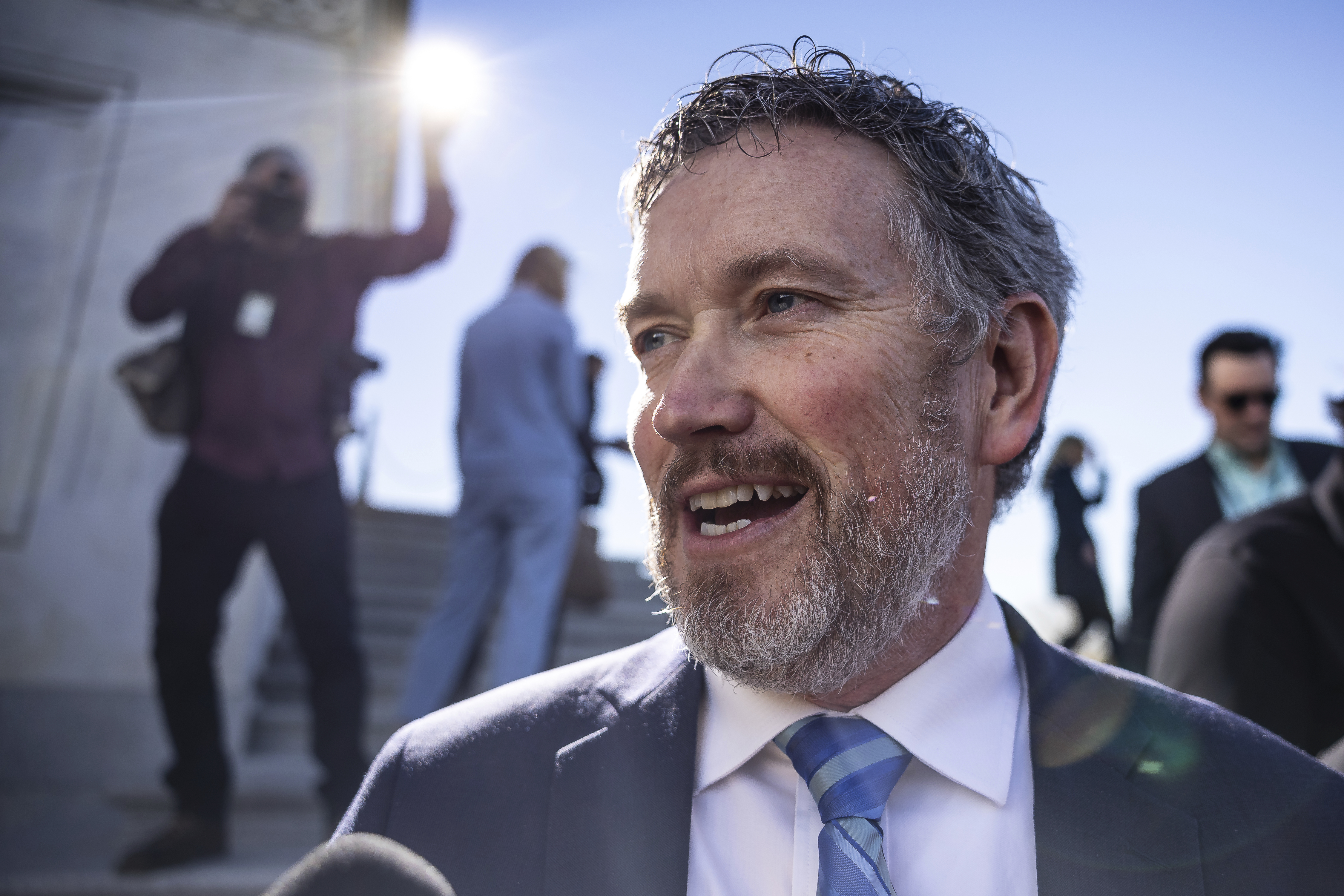
President Donald Trump is actively seeking to oust Rep. Thomas Massie in the upcoming GOP primary, launching a super PAC and mobilizing his base against the Kentucky congressman due to Massie's opposition to Trump's policies, especially on war powers and legislative issues. Despite Trump's efforts and significant outside spending, Massie remains popular in his district, which is known for its libertarian-leaning electorate, and he is unfazed by the threats, planning to continue his political stance and fundraising efforts.
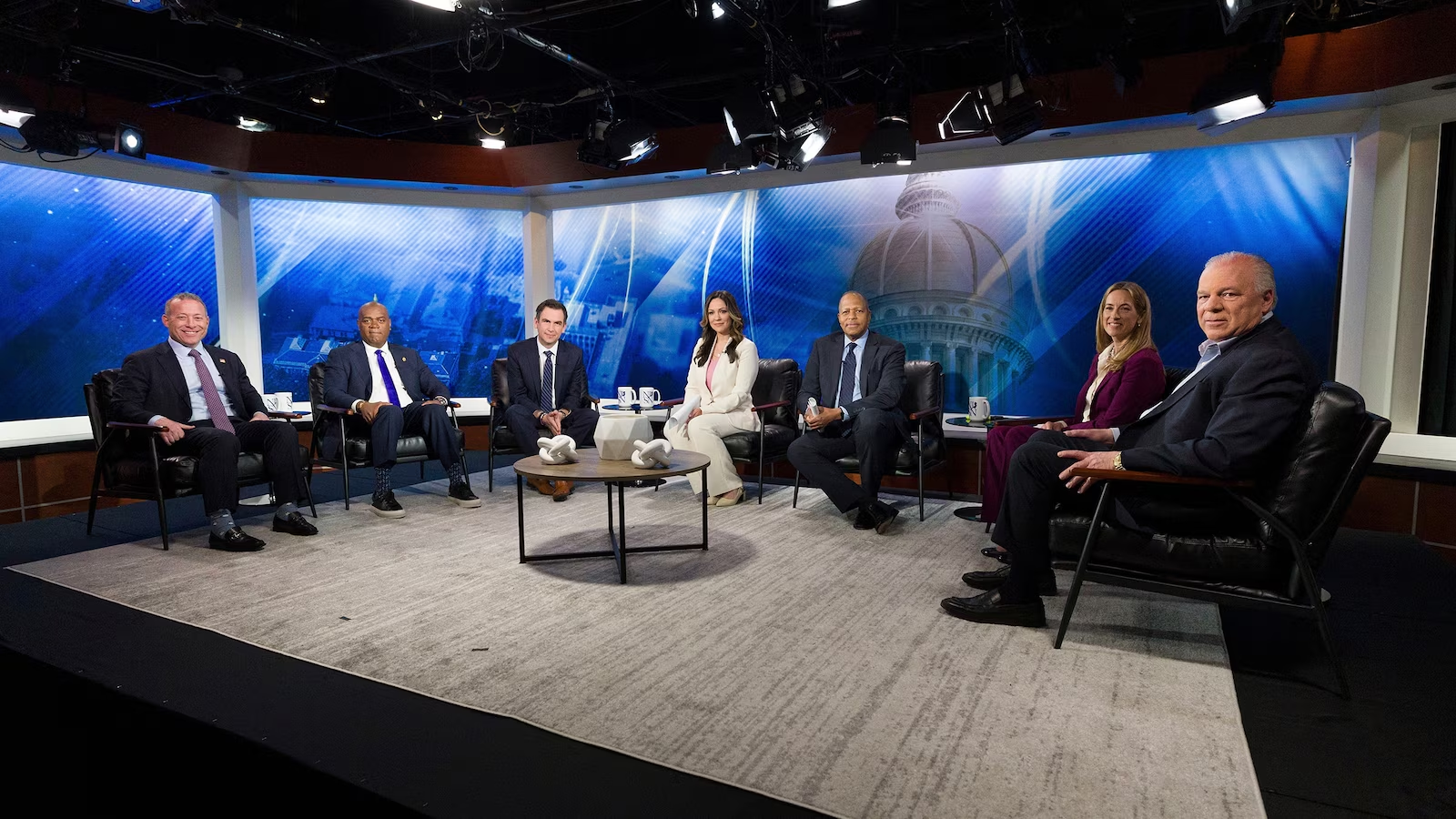
Voters in New Jersey are participating in primary elections that will determine the candidates for the 2025 gubernatorial race, with Democrats led by Mikie Sherrill and Republicans supporting Jack Ciattarelli, amid a highly expensive and Trump-influenced campaign environment, signaling potential political shifts ahead of the 2026 midterms.
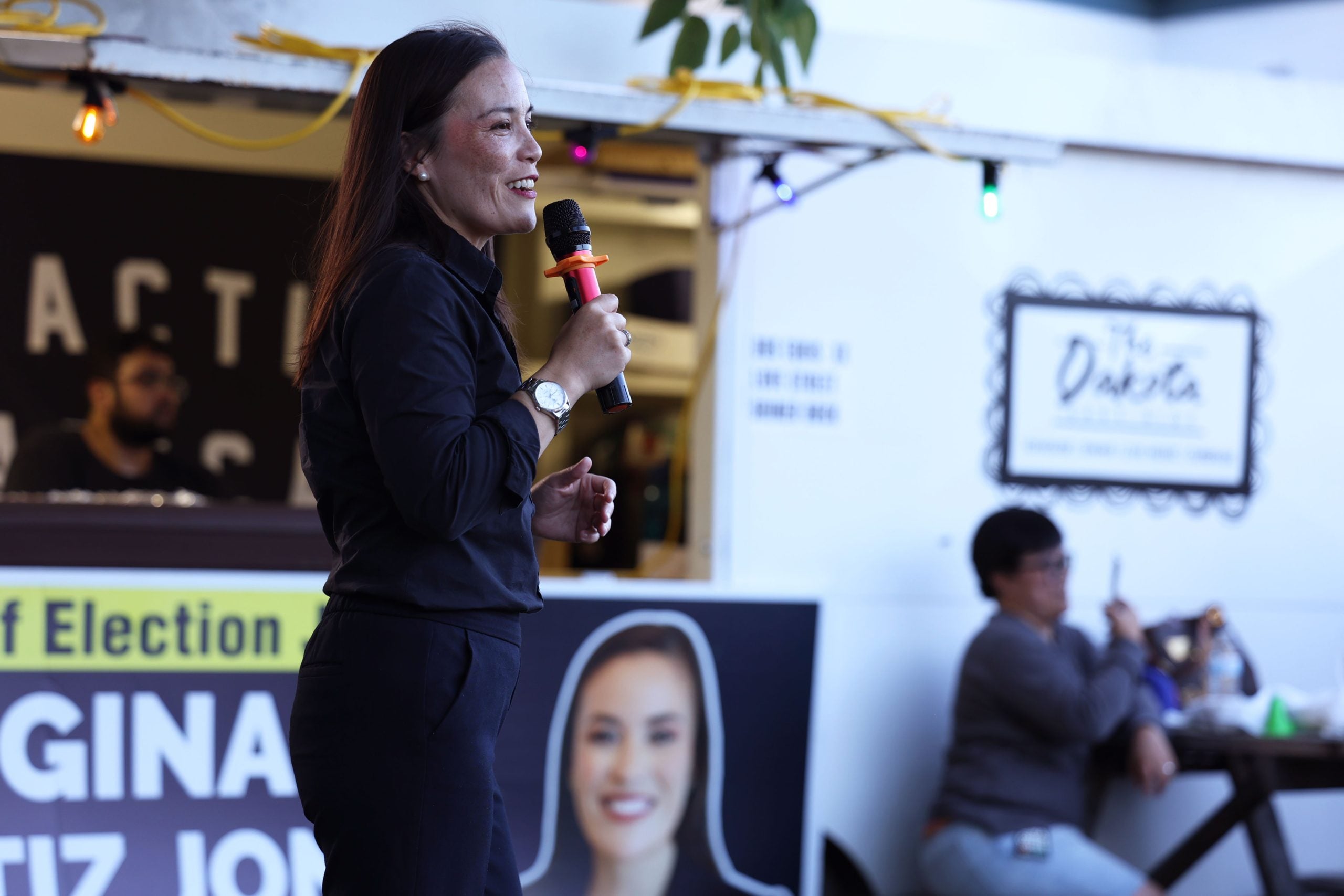
Gina Ortiz Jones is leading in the San Antonio mayoral race with 53.66% of the vote, despite facing significant attacks and spending from her opponent Rolando Pablos and his supporters. She expressed optimism about her campaign's vision and the positive political shift in the city amid a highly competitive election with substantial campaign finance activity. The race, along with several City Council runoffs, could signal a major change in San Antonio's political landscape.
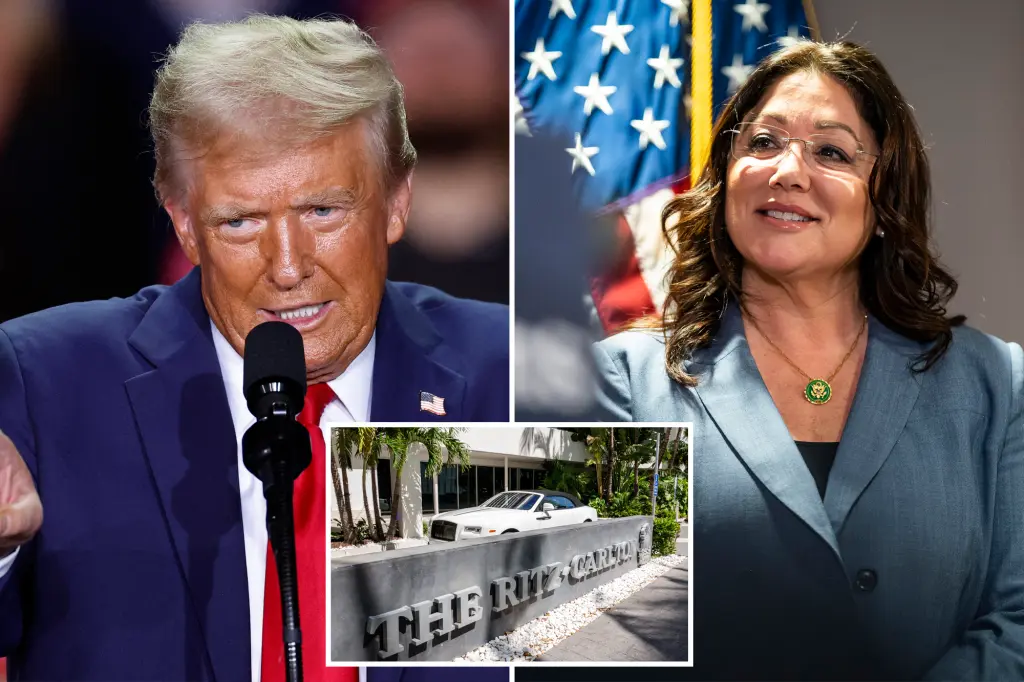
Oregon Rep. Lori Chavez-DeRemer, President-elect Trump's labor secretary pick, faced criticism for extravagant campaign spending during her failed re-election bid, including over $60,000 on luxury hotels and limo services. Her nomination has sparked controversy due to her support for pro-union legislation, drawing ire from conservative Republicans. Chavez-DeRemer, who narrowly lost her congressional race, was reportedly nominated with backing from Teamster union president Sean O’Brien. Recently, she was among Trump appointees targeted by bomb threats.
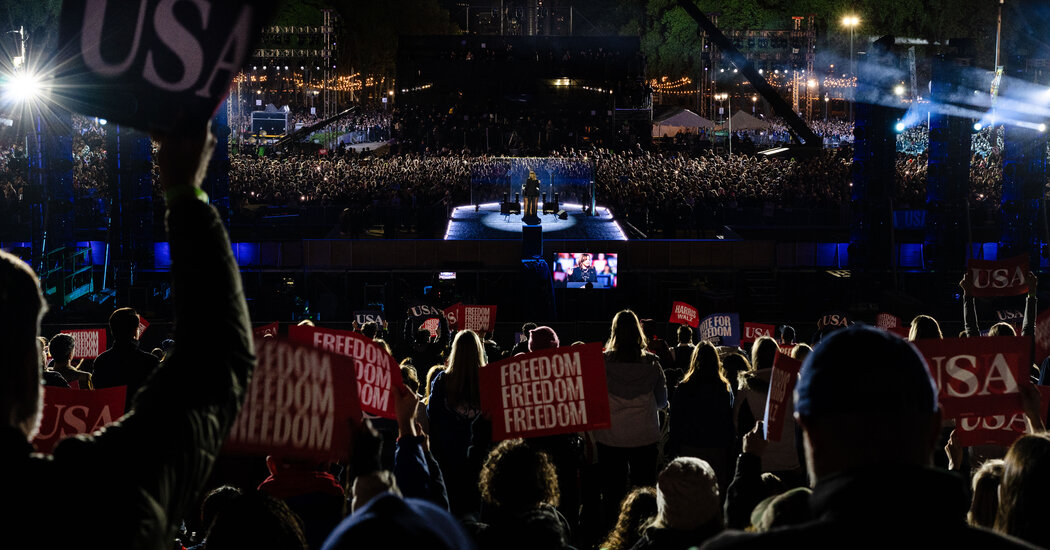
The article discusses how Kamala Harris's campaign spent $1.5 billion over a 15-week period, highlighting the financial strategies and challenges faced during her political campaign.
Vice President Kamala Harris's presidential campaign reportedly spent $1 million on Oprah Winfrey's Harpo Productions, among other significant expenditures on entertainers, in a failed bid for the presidency. The campaign also invested heavily in appearances on platforms like the "Call Her Daddy" podcast and organized concerts in swing states, spending over $1.4 billion on political ads. Despite these efforts, the campaign struggled to connect with voters, partly due to its association with an unpopular administration.
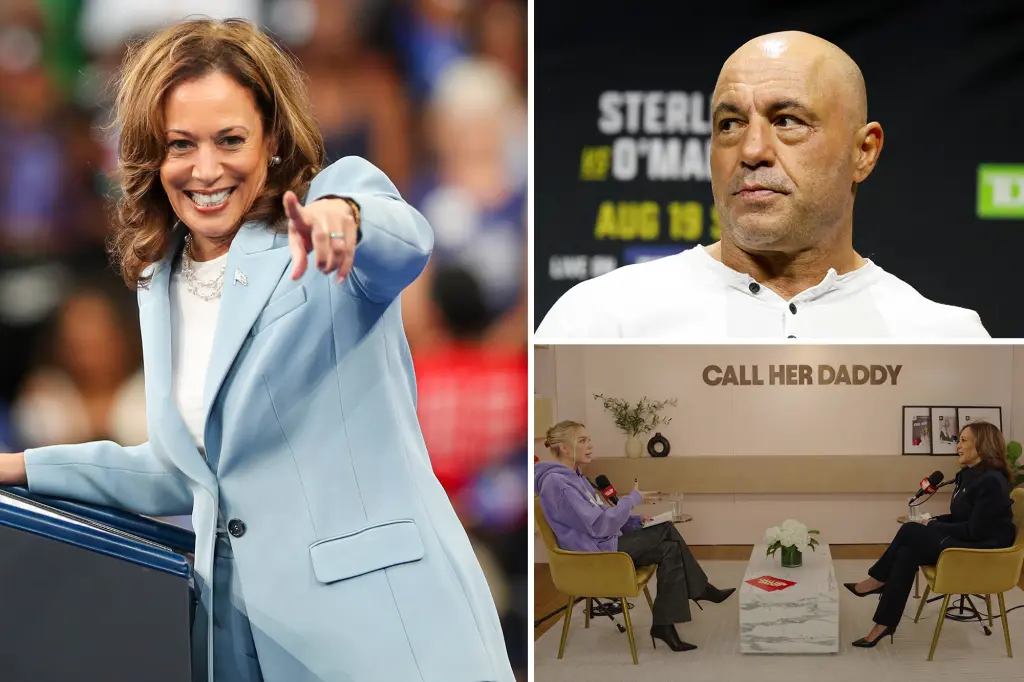
Kamala Harris' presidential campaign reportedly spent six figures on an appearance on the "Call Her Daddy" podcast, which garnered significantly fewer views compared to Donald Trump's appearance on "The Joe Rogan Experience." Harris' interview, filmed in a Washington D.C. hotel room, attracted just over 813,000 views, while Trump's episode on Rogan's podcast surpassed 47 million views. The Harris campaign's spending decisions, including $15 million on event production, have been criticized for not effectively reaching voters.
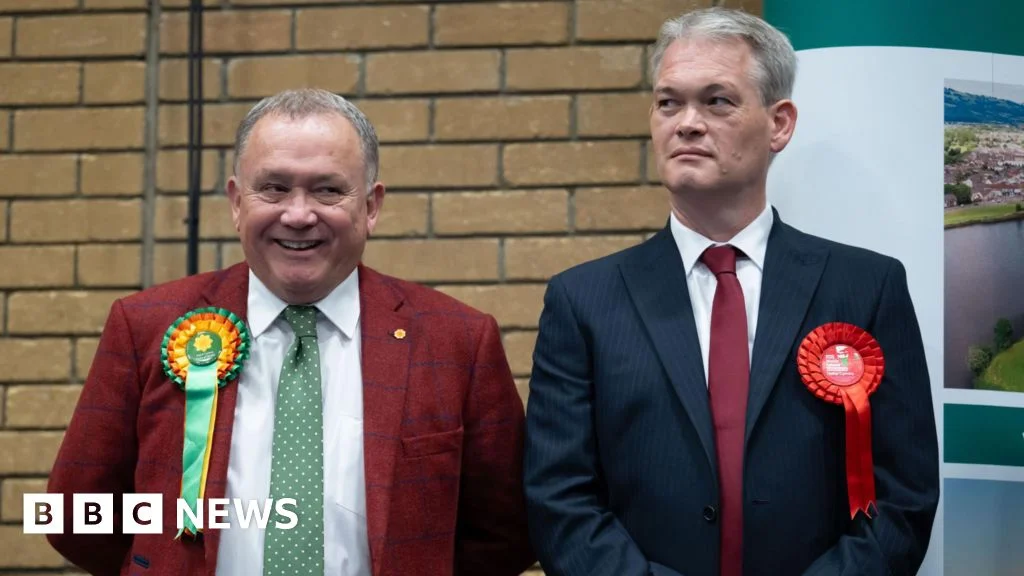
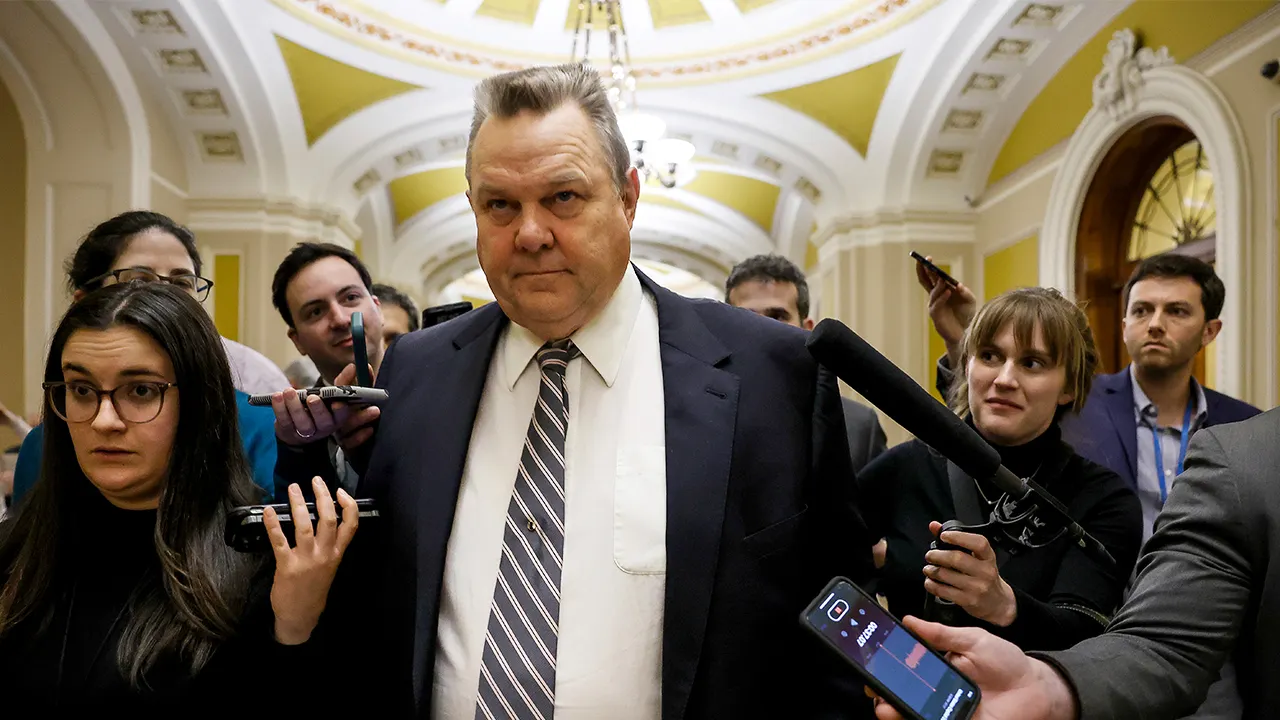
Montana Democratic Sen. Jon Tester's campaign acknowledges the upcoming Senate race will be highly competitive and costly, as he faces Republican nominee Tim Sheehy in a state won twice by Trump. The race is one of the most competitive in the country, with significant outside spending expected. Tester's campaign manager emphasizes the importance of a strong grassroots coalition, while Republicans see the race as crucial for regaining Senate control.
The failed effort to secure Florida Gov. Ron DeSantis as the Republican nominee for the White House cost a total of $168 million, with his own campaign spending $28.3 million and pro-DeSantis super PACs reporting payments of over $140 million. DeSantis, who relied heavily on outside support, ended his campaign after losing to Donald Trump in the Iowa caucuses and faced challenges including financial pressures, staffing shakeups, and allegations of coordination between his campaign and the super PACs.
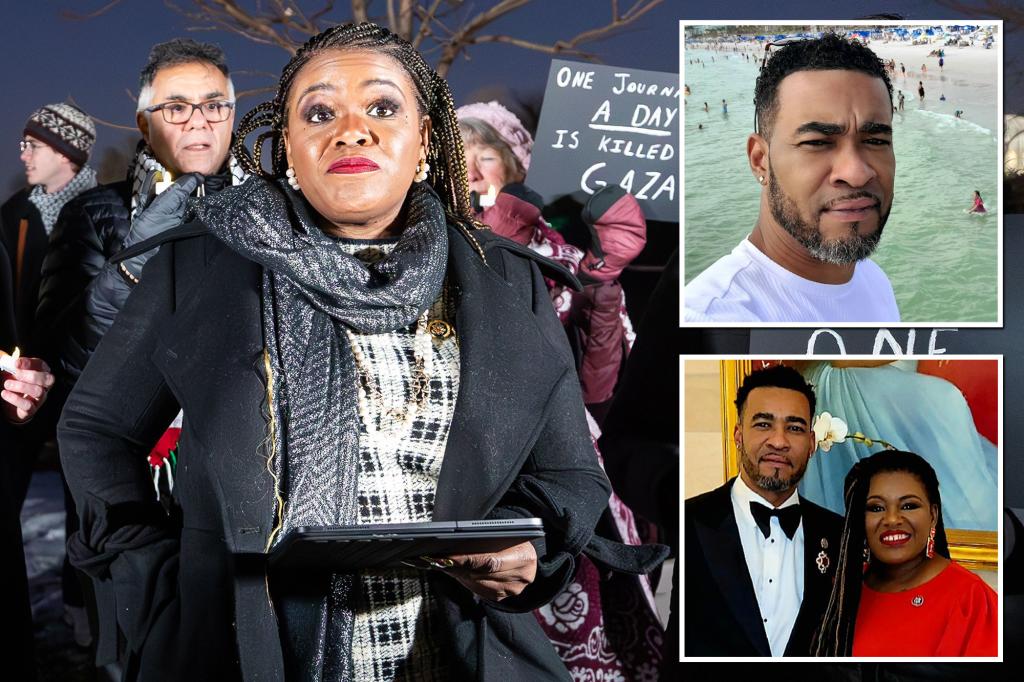
Rep. Cori Bush's campaign has paid her husband a total of about $122,710 over the past two years, with an additional $17,500 in the last quarter, raising concerns and prompting investigations from the Justice Department and the FEC. The payments to her husband were initially listed as "security services" but were later changed to "wage expense." Bush defended the spending, citing threats against her, while facing scrutiny for her support of the "Defund the police" movement and her campaign's high-dollar security expenditures.
Rep. Cori Bush's campaign has paid her husband a total of $120,000, with recent filings showing an additional $17,500 in payments, raising concerns about campaign spending on private security. The payments to her husband, Cortney Merritts, have drawn scrutiny as he did not have a private security license and his role in the campaign has been questioned. The Justice Department is now investigating Bush's campaign expenditures on security services, while the Federal Election Commission and the House Committee on Ethics are also reviewing the matter. Bush has stated that she used campaign funds for security services due to threats to her safety and is fully cooperating with the investigations.
The super PAC supporting Ron DeSantis' 2024 presidential bid, Never Back Down, spent over $130 million on various expenses including canvassing, travel, and media consulting, with a significant drop in donor interest as DeSantis' standing in the race declined. DeSantis' own campaign also saw a drop in fundraising, spending $9.3 million while raising $6.7 million, and ultimately ending his campaign after coming in 30 points behind Trump in the Iowa caucuses. The campaign outsourced traditional tasks to Never Back Down, and also revealed significant spending on travel, payroll, and advertising.