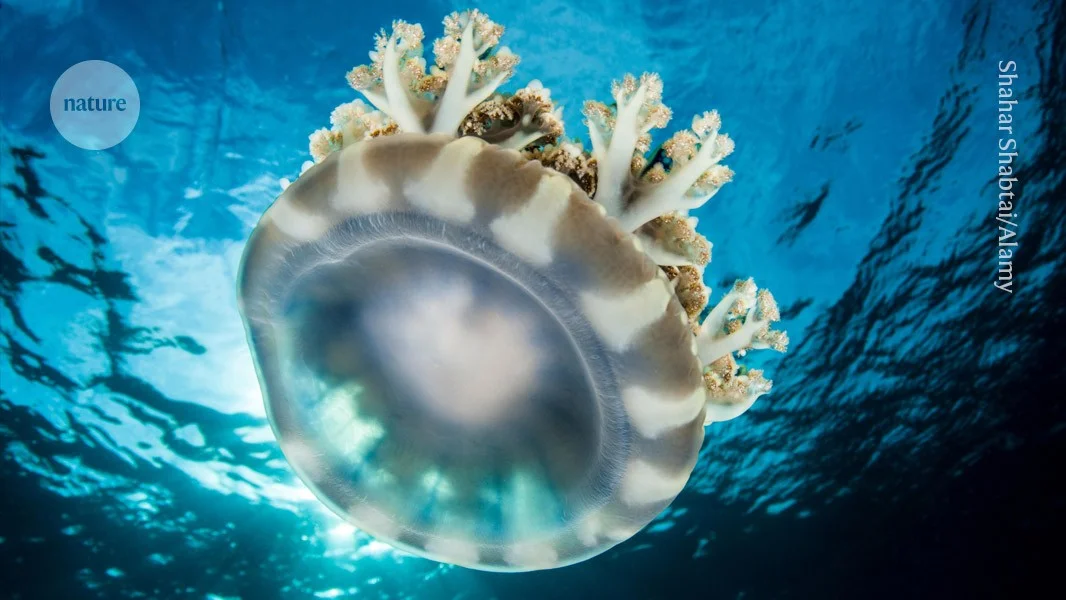
A study published in Nature Communications reveals that jellyfish and sea anemones, despite lacking brains, sleep in patterns similar to humans, supporting the theory that sleep evolved to repair DNA in nerve cells and highlighting its fundamental biological role across species.
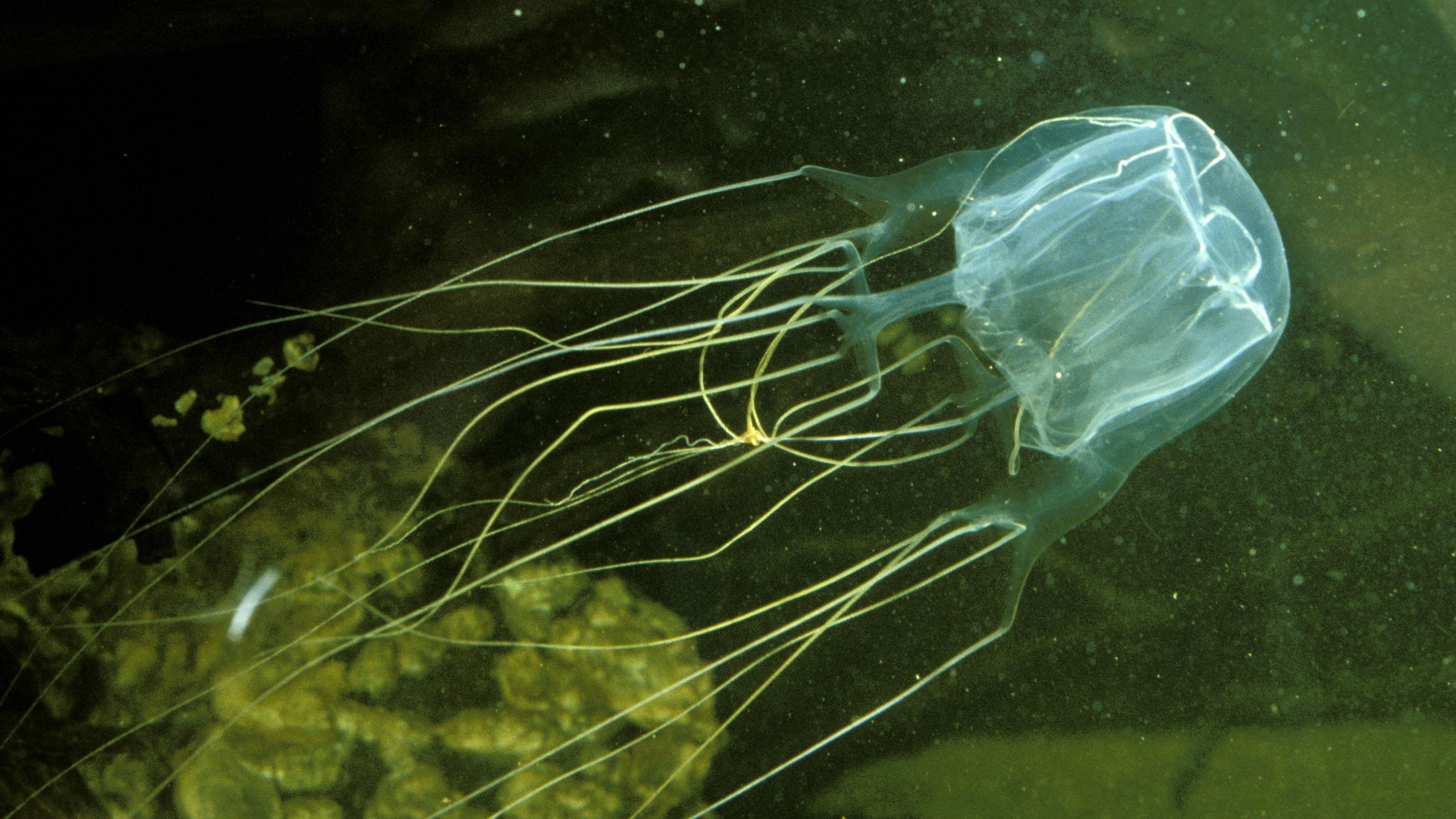
Brainless animals like jellyfish, sea anemones, and hydras can learn, remember, and respond to stimuli through diffuse nerve nets, suggesting they possess a rudimentary form of cognition, though whether they can truly 'think' remains a complex and debated question among scientists.
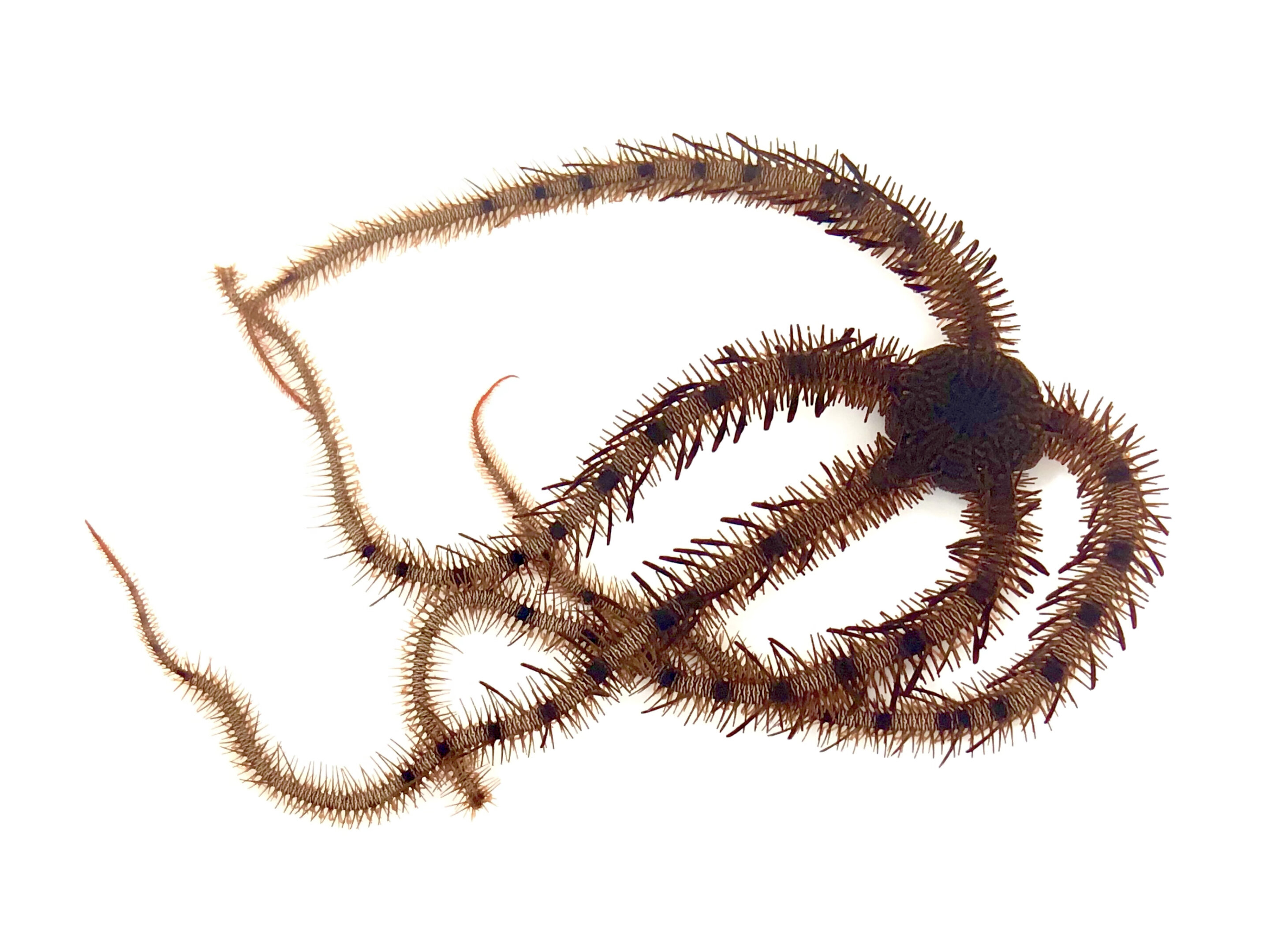
Brittle stars, headless marine creatures without brains, have been found to learn through experience and classical conditioning. In a series of experiments, researchers trained brittle stars to associate darkness with food by dimming the lights whenever they were fed. Over time, the brittle stars learned to come out of hiding when the lights went out, even before any food was present. This demonstrates that brittle stars are capable of learning and suggests that they can anticipate food and potentially avoid predators based on their environment, despite lacking a traditional brain.