Tag

Brain Regeneration

All articles tagged with #brain regeneration

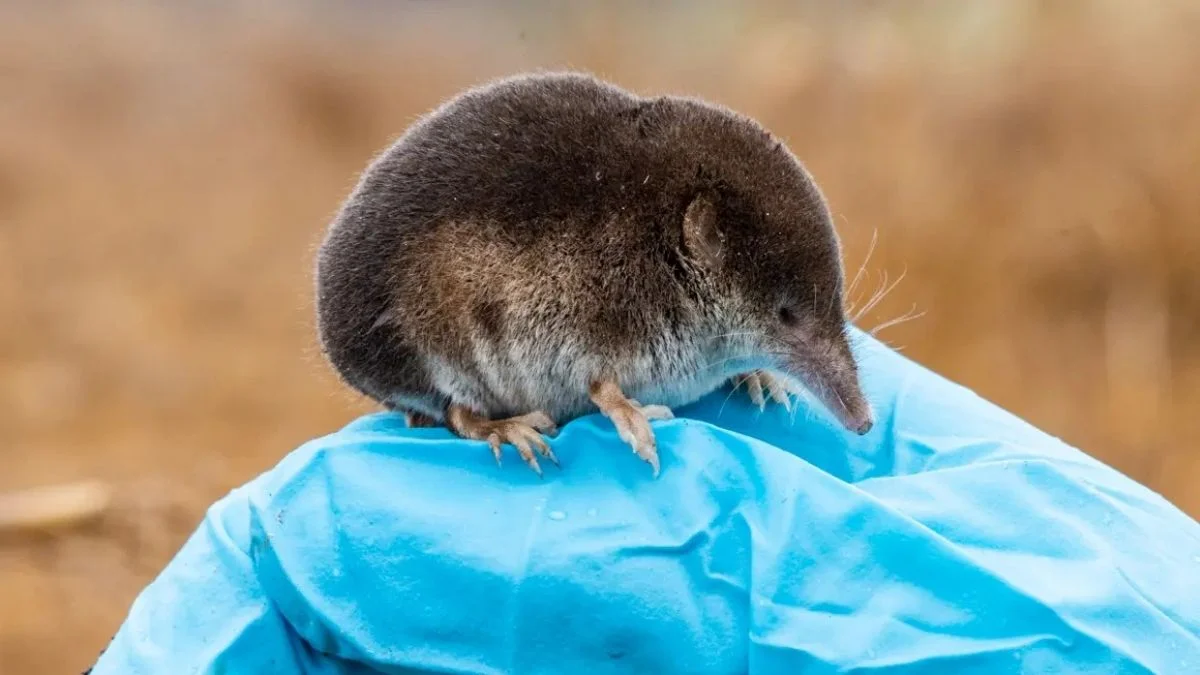
Shrews Shrink Their Brains for Winter, Then Regrow Them
science1 month ago

Shrews Shrink Their Brains for Winter, Then Regrow Them

Shrews reduce brain size by about 30% in winter to conserve energy and regrow it in spring; new research traces the genetic basis of Dehnel's phenomenon, showing upregulated brain-formation genes, VEGFA, DNA repair and longevity pathways, and water-regulation changes that imply reversible brain-volume loss rather than neuron death—offering clues for neurodegenerative disease research.
Unraveling the Mystery of Human Brain Regeneration
neuroscience2 years ago

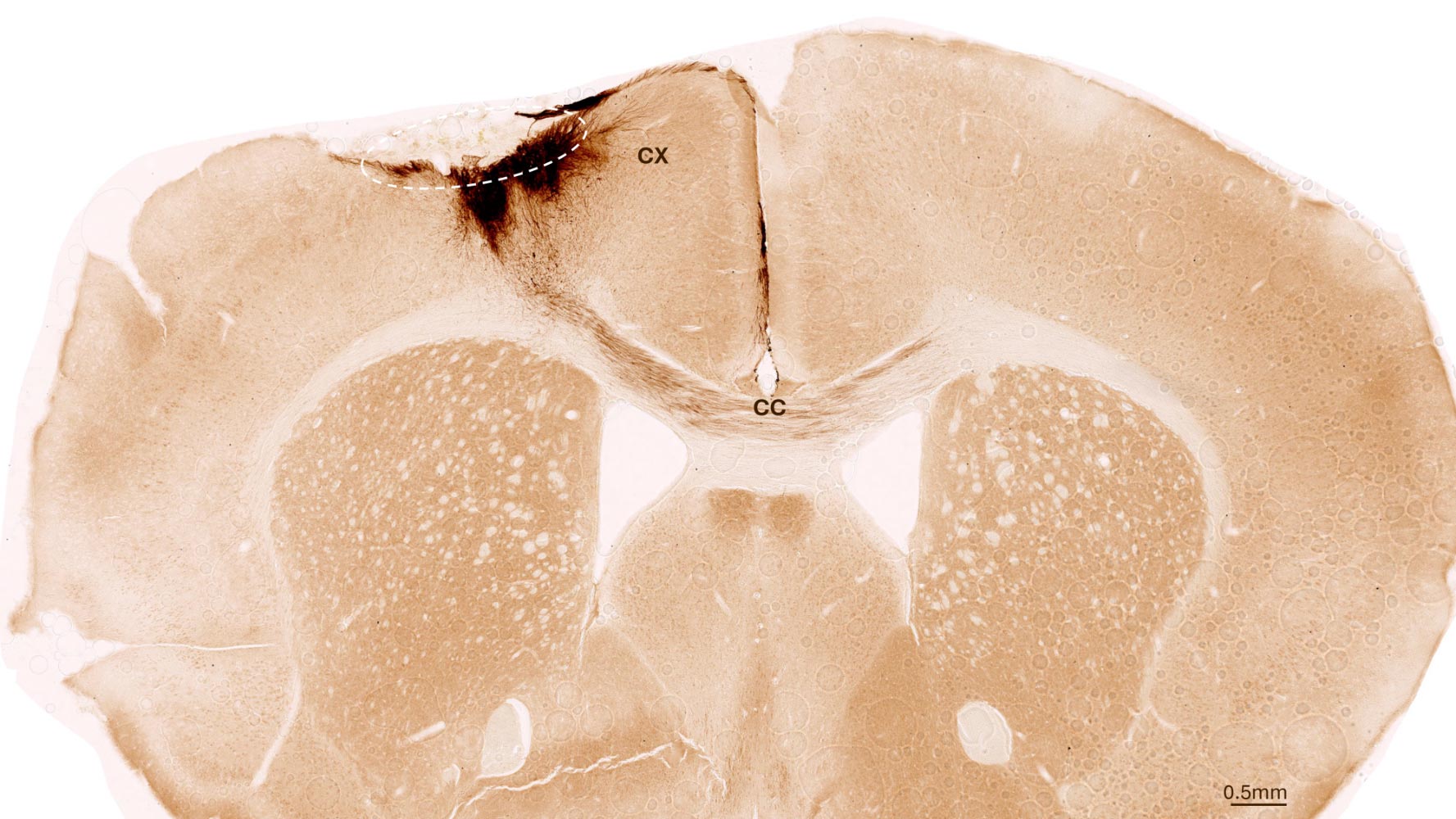
Unraveling the Mystery of Human Brain Regeneration

A new study from the Netherlands Institute for Neuroscience proposes a roadmap for resolving conflicting results on the brain's regenerative abilities. The study highlights the importance of accurate reporting and reproducibility in single-cell transcriptomics experiments to uncover the true potential of brain regeneration. Leveraging the brain's regenerative potential in the context of aging or neurological disorders offers a promising alternative to traditional approaches for enhancing or restoring brain function, particularly given the current absence of effective treatments for neurodegenerative diseases like Alzheimer's.

Uncovering the Brain's Self-Repairing Abilities.
neuroscience2 years ago

Uncovering the Brain's Self-Repairing Abilities.

A new study from the Netherlands Institute for Neuroscience examines the regenerative potential of the human brain in aging and neurological diseases, which could provide an alternative to conventional strategies for enhancing or restoring brain function. Recent single-cell transcriptomic studies in the adult human hippocampus yielded conflicting results, and the researchers found that the design, analysis, and interpretation of these studies in the adult human hippocampus can be confounded by specific issues that require particular attention and would greatly profit from an open discussion in the field. The study critically discusses and re-analyzes previously published datasets and proposes a roadmap on how to solve these issues.