Study Links Nanoplastics to Parkinson's-Related Brain Protein Changes
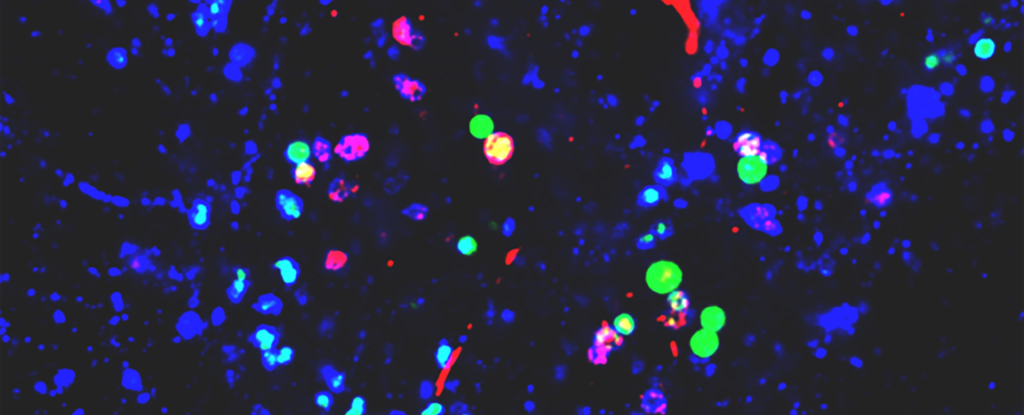
Nanoplastics, broken down from polystyrene, have been found to cause changes in brain proteins associated with Parkinson's disease and other types of dementia. Researchers from Duke University discovered that the presence of plastics attracted unusually large clumps of the protein alpha-synuclein, which is known to accumulate in the brains of Parkinson's patients. The study suggests that nanoplastics interfere with the brain's natural cleaning process and may contribute to the development and progression of neurodegenerative diseases. Further research is needed to understand the exact relationship between nanoplastics and alpha-synuclein, as well as their impact on human health.