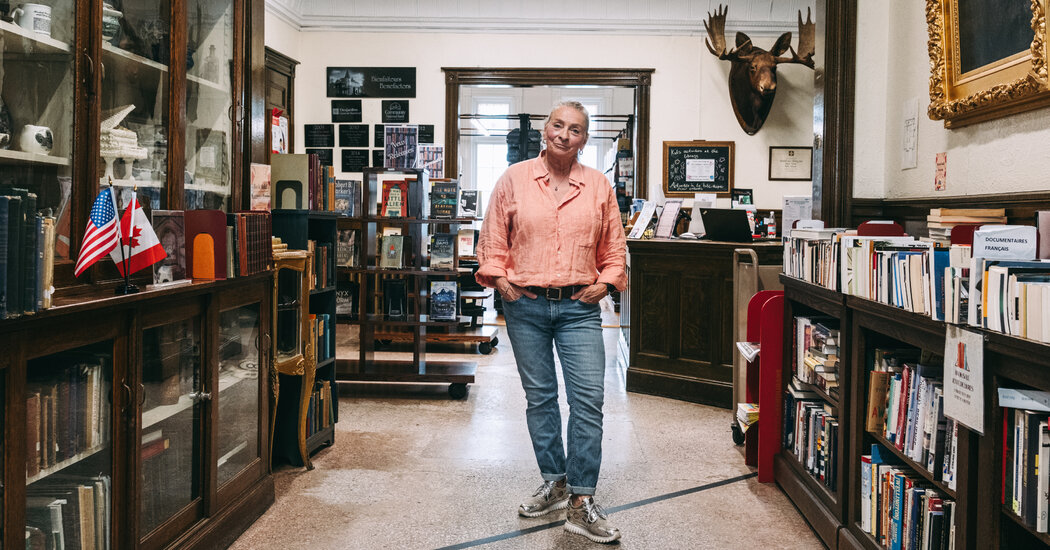
The Haskell Free Library and Opera House, built on the Canada-U.S. border as a symbol of binational friendship, faces new U.S. restrictions that limit Canadian access, reflecting broader tensions and security concerns amid strained Canada-U.S. relations under Trump's policies.
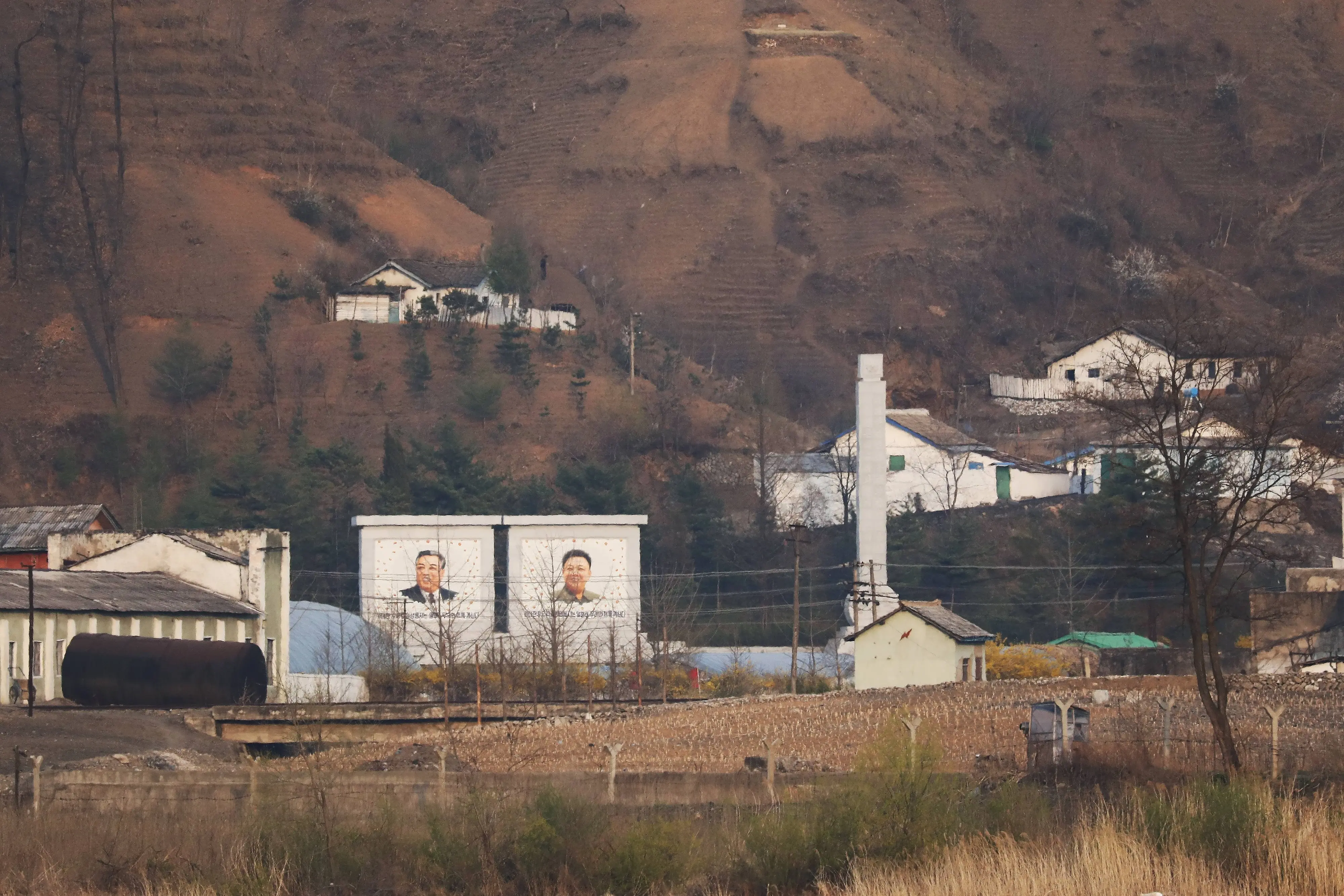
North Korea has intensified its repression and isolation since 2019, sealing its borders and imposing strict measures, including a "shoot on sight" order for border guards. The government's actions have severely impacted the availability of food and essential products, violating human rights and worsening the humanitarian situation. The report, based on interviews and satellite imagery, highlights the devastating consequences for the North Korean people. It calls for the reopening of borders, relaxation of restrictions, and increased international scrutiny and support to address the country's isolation and its impact on the population.
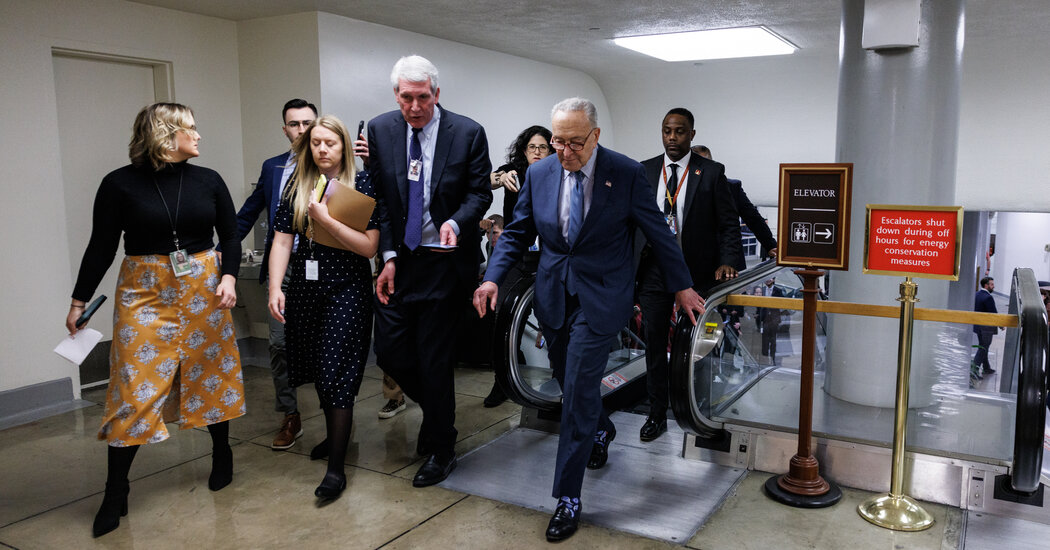
Senate Republicans are stalling a national security aid bill for Ukraine and Israel, demanding the ability to propose changes, including adding border restrictions, despite having previously blocked a bipartisan deal that included such provisions. The bill includes $60.1 billion for Ukraine, $14.1 billion for Israel, and $10 billion in humanitarian aid. Senator Chuck Schumer hopes for a quick vote on the foreign aid-only measure, but the impasse reflects ongoing discord within the GOP over addressing international crises without upsetting former President Donald J. Trump.
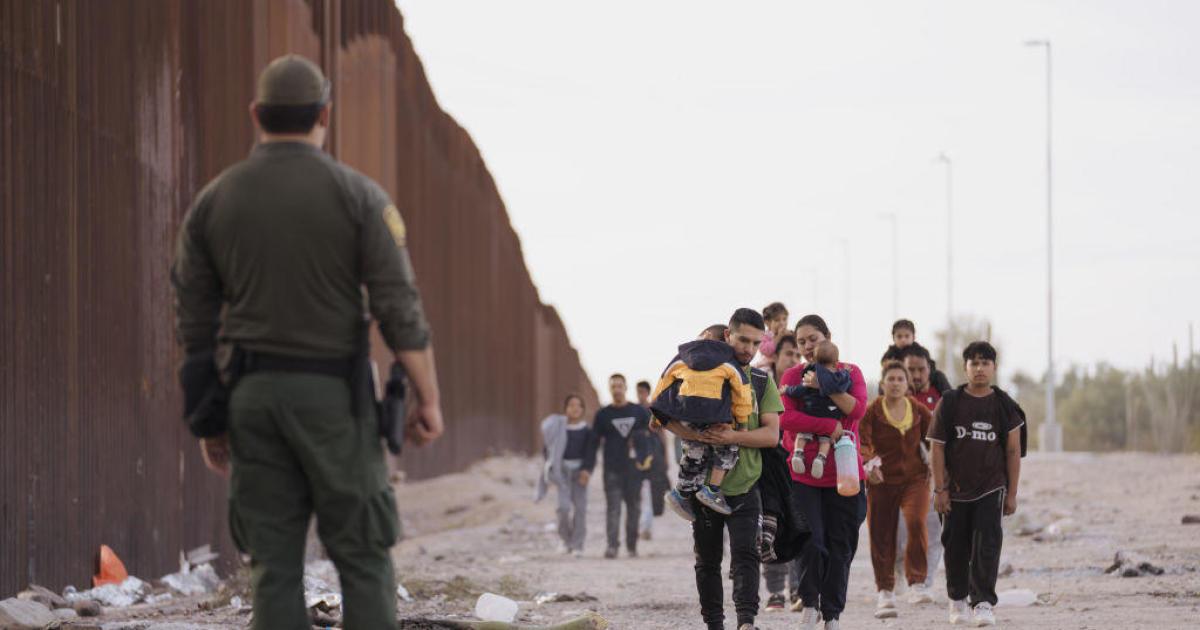
President Biden is considering implementing drastic and permanent restrictions on asylum, including the authority to summarily expel migrants, in order to gain support from congressional Republicans for more military aid to Ukraine. This reflects a significant shift in the politics of immigration, driven by record levels of migrant apprehensions, overwhelmed services in Democratic-led cities, and public polling showing unfavorable views of Biden's immigration agenda. The administration's engagement in Senate negotiations on immigration has caused divisions among Democrats, with progressives expressing concerns about adopting Trump's anti-immigrant policies and tying immigration policy to foreign aid funding. Latino lawmakers have criticized the lack of representation in the negotiations, while the White House claims to have briefed them. Former Obama immigration aide Cecilia Muñoz argues that Biden's use of border authorities would be different from Trump's, but critics remain skeptical.
Estonia has joined Latvia and Lithuania in banning vehicles with Russian license plates from entering the country, in accordance with updated European Commission guidelines. The move is seen as a response to Russia's ongoing war in Ukraine. Exceptions include transit traffic to the Russian exclave of Kaliningrad and vehicles used by diplomatic and consular missions. The issue of what will happen to Russian-registered cars already in Estonia is yet to be addressed. The European Commission's guidelines also clarify that Russian citizens entering the EU in their own vehicles may face confiscation of their cars and other high-value items. Tensions on the borders of Poland and the Baltic countries with Russia and Belarus have risen due to various factors, including Moscow's aggression in Ukraine and the presence of the Russian Wagner mercenary group in Belarus.
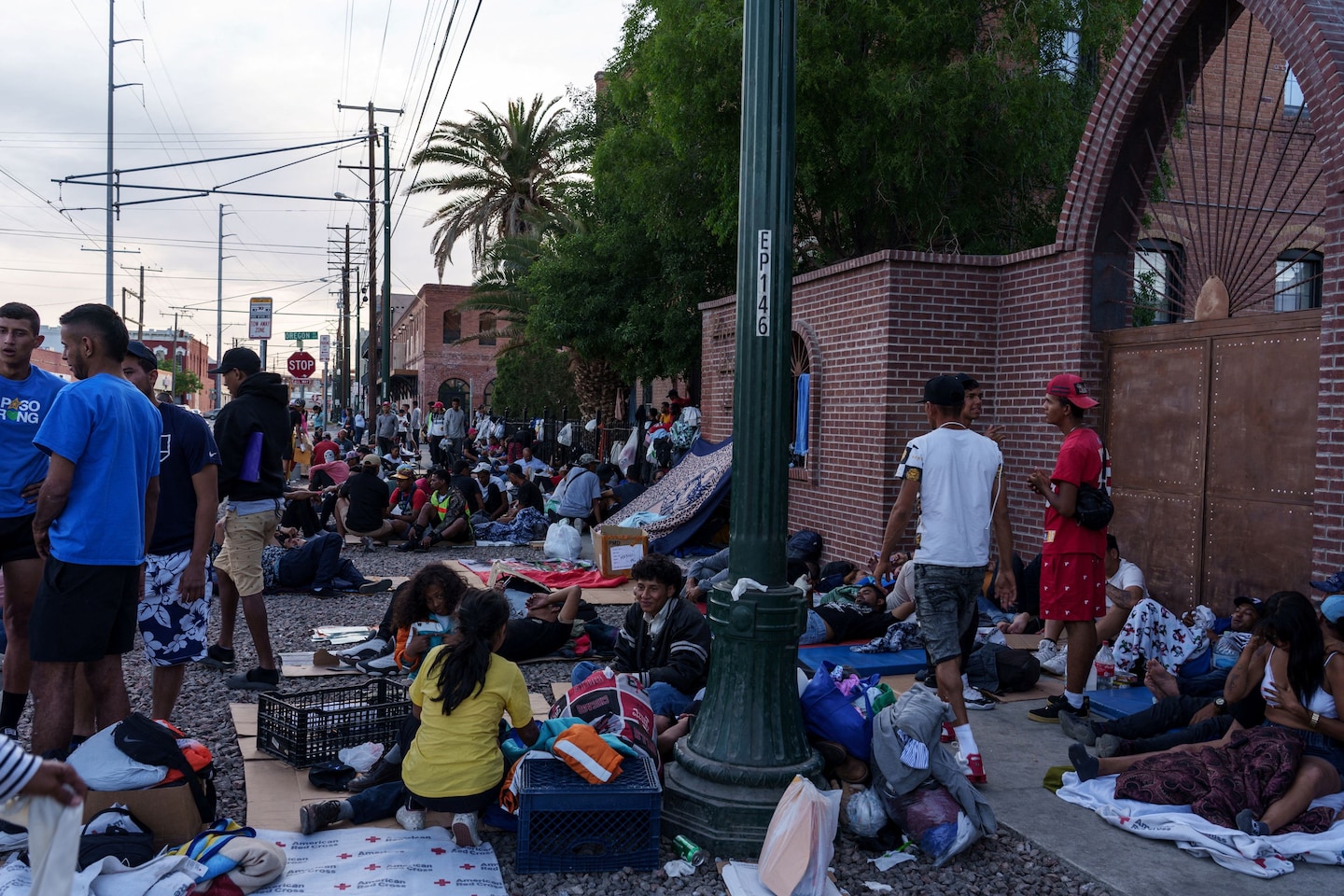
Cities along the Mexican border, particularly El Paso, Texas, are preparing for an influx of migrants as Title 42 border restrictions expire. Thousands of migrants have already set up encampments in the city, waiting for assistance and sharing stories of their recent rush to cross into the US before the policy change. The Biden administration's decision to end Title 42 has prompted many to attempt to enter the US illegally, overwhelming border cities like El Paso.
The US has reached a deal with Mexico that will allow authorities to deport non-Mexican migrants who entered the US illegally back across the border. The agreement is seen as a breakthrough for US authorities as they contend with soaring numbers of migrants crossing into the US ahead of the White House's plan to lift pandemic-era border restrictions on May 11. The joint statement by the two nations said Mexican authorities will continue receiving Cubans, Haitians, Nicaraguans and Venezuelans for "humanitarian" reasons once the restrictions expire.
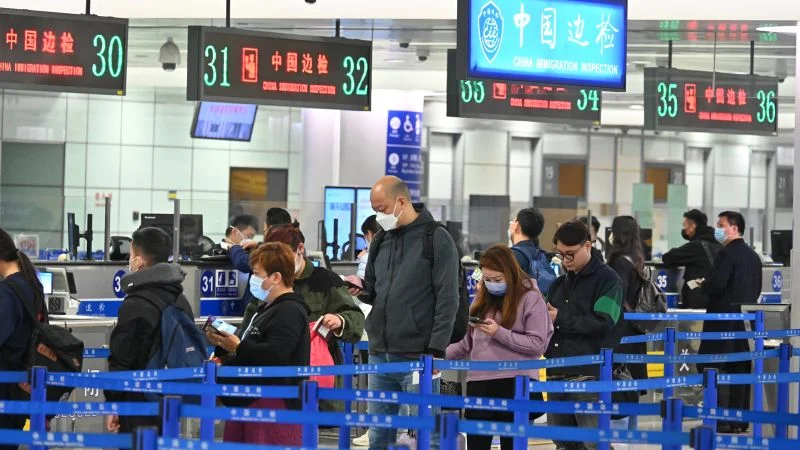
China is fully reopening to foreign visitors, including tourists, after three years of pandemic border restrictions. The country will resume issuing all categories of visas for foreigners from Wednesday, and travelers holding multi-year visas issued before March 28, 2020, would be allowed to use them so long as they had not expired. Visa-free entry will also restart for foreigners traveling from Hong Kong and Macao to neighboring Guangdong province and tour groups from Association of Southeast Asian Nations (ASEAN) member states visiting the provinces of Guilin and Guangxi.