Ultragenyx Pharmaceutical's experimental drug setrusumab for osteogenesis imperfecta failed to reduce fracture rates in late-stage studies, leading to a 43.5% drop in its stock price and potential discontinuation of the program, despite improvements in bone mineral density.
A study reveals that some giant sauropod dinosaurs from Brazil suffered from osteomyelitis, a severe bone infection, indicating that microscopic threats affected even the largest land animals in the Late Cretaceous, and highlighting the role of environmental conditions in disease spread among prehistoric creatures.
A 70-year-old man experiences nasal dripping during meals, which doctors initially attributed to allergies but is actually a nonallergic vasomotor rhinitis known as gustatory rhinitis. The condition causes his nose to run when eating, likely triggered by hot liquids and spicy foods. Meanwhile, a high alkaline phosphatase level in a blood test may indicate liver or bone disease, with further evaluation needed to determine the exact cause.
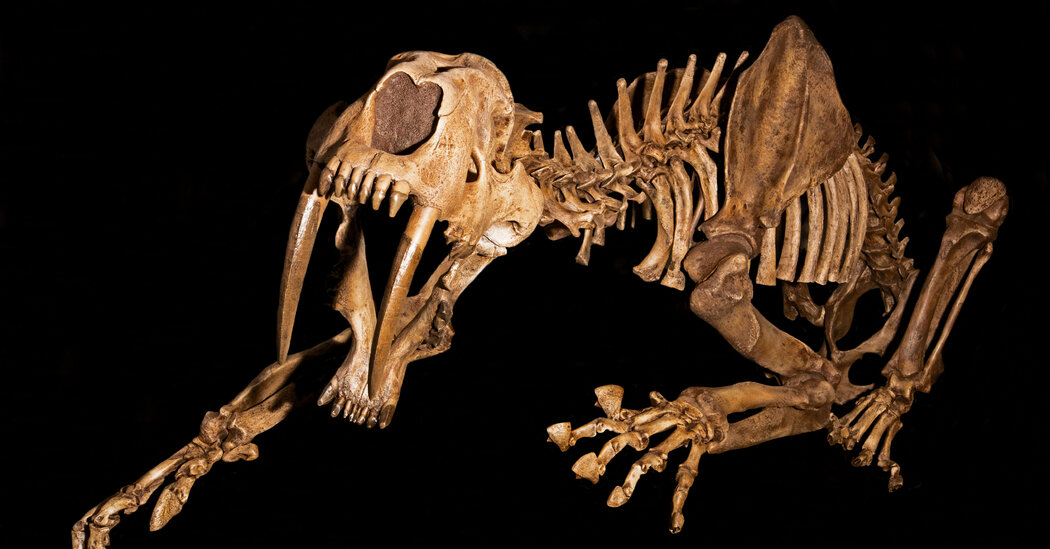
Saber-tooth cats and dire wolves from the Pleistocene epoch may have suffered from osteochondrosis dissecans (OCD), a severe bone disease that can cause holes in bone tissue. Researchers discovered defects associated with OCD in the bones of these ancient predators, suggesting that the disease may have contributed to their extinction. The higher prevalence of OCD in these animals could be a result of inbreeding due to dwindling, isolated populations. While the exact impact of OCD on their quality of life and mobility is unclear, further research is needed to understand the role of this bone disease in the extinction of these apex predators.