A planetary scientist suggests that the Star of Bethlehem could have been a close-approaching comet in 5 BCE, which, if true, would explain its unusual behavior and significance in the biblical story, though this remains a hypothesis without definitive historical evidence.
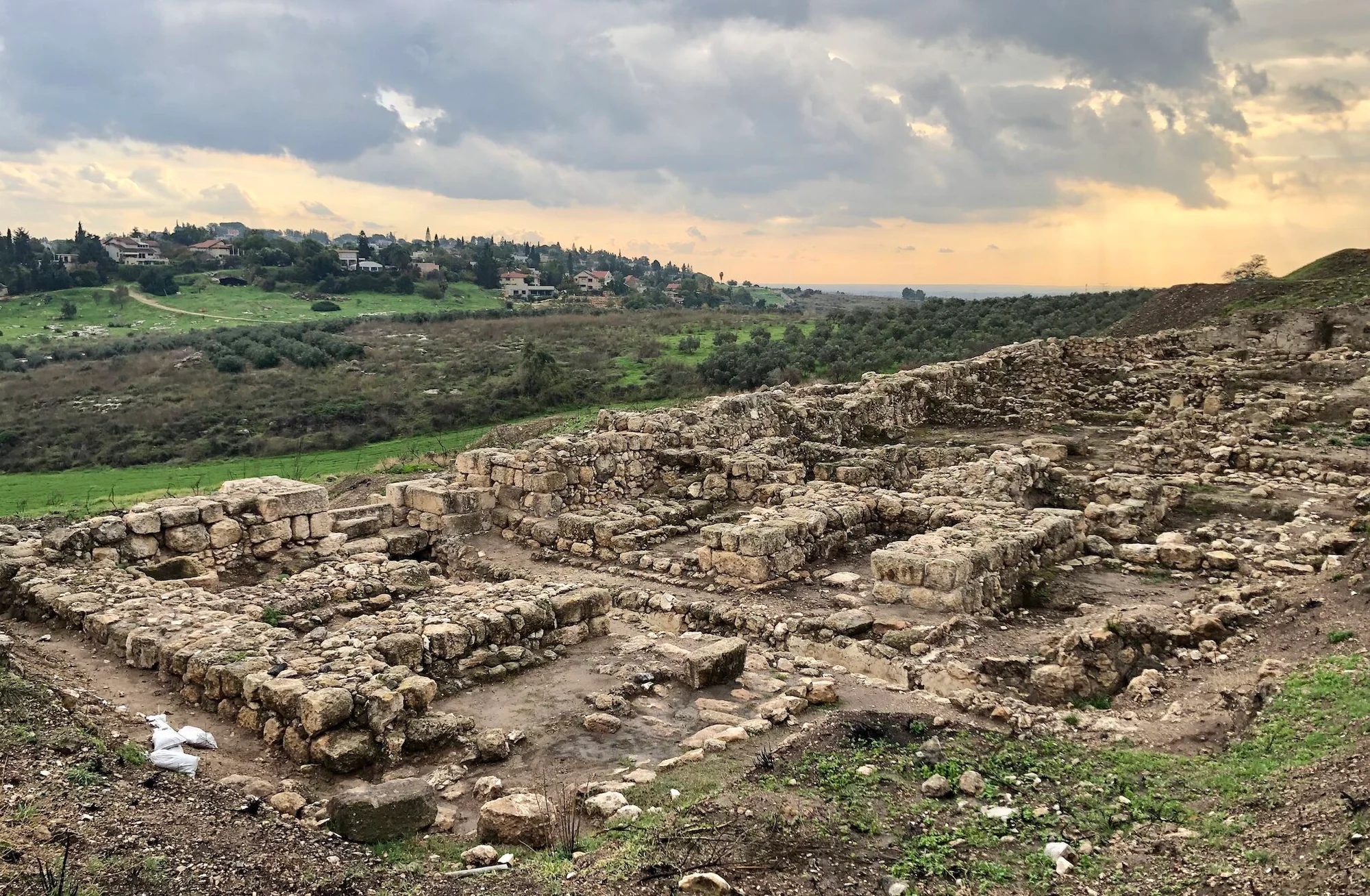
A new radiocarbon dating study of the ancient city of Gezer in Israel confirms some biblical events, such as destructions linked to Pharaoh Merneptah and Egyptian King Shishak, while challenging others like the campaign of Hazael, providing a more detailed and nuanced understanding of the city's tumultuous history.
Scientists using archaeomagnetism have confirmed and refined timelines of biblical events and ancient conflicts in the Levant, revealing rapid historical and geomagnetic changes, and challenging previous assumptions about the destruction of sites like Judah and the campaigns of King Hazael, while also providing new insights into Earth's magnetic field behavior in antiquity.
The article by ACI Prensa Staff discusses seven lesser-known facts about the Three Wise Men and the Epiphany, a Christian feast day celebrated on January 6th. It explains that the Epiphany is one of the oldest Christian feast days and traditionally marks three manifestations of Jesus. The date was likely chosen to coincide with pagan celebrations and later became associated with the visit of the Magi to the infant Jesus. The Wise Men, often depicted as kings, may have been more numerous, and their names, physiognomies, and the gifts they offered have evolved over time. The star that guided them is thought to have been a conjunction of planets. These insights provide a deeper understanding of the historical and theological context of the Epiphany and the Magi's significance in Christian tradition.