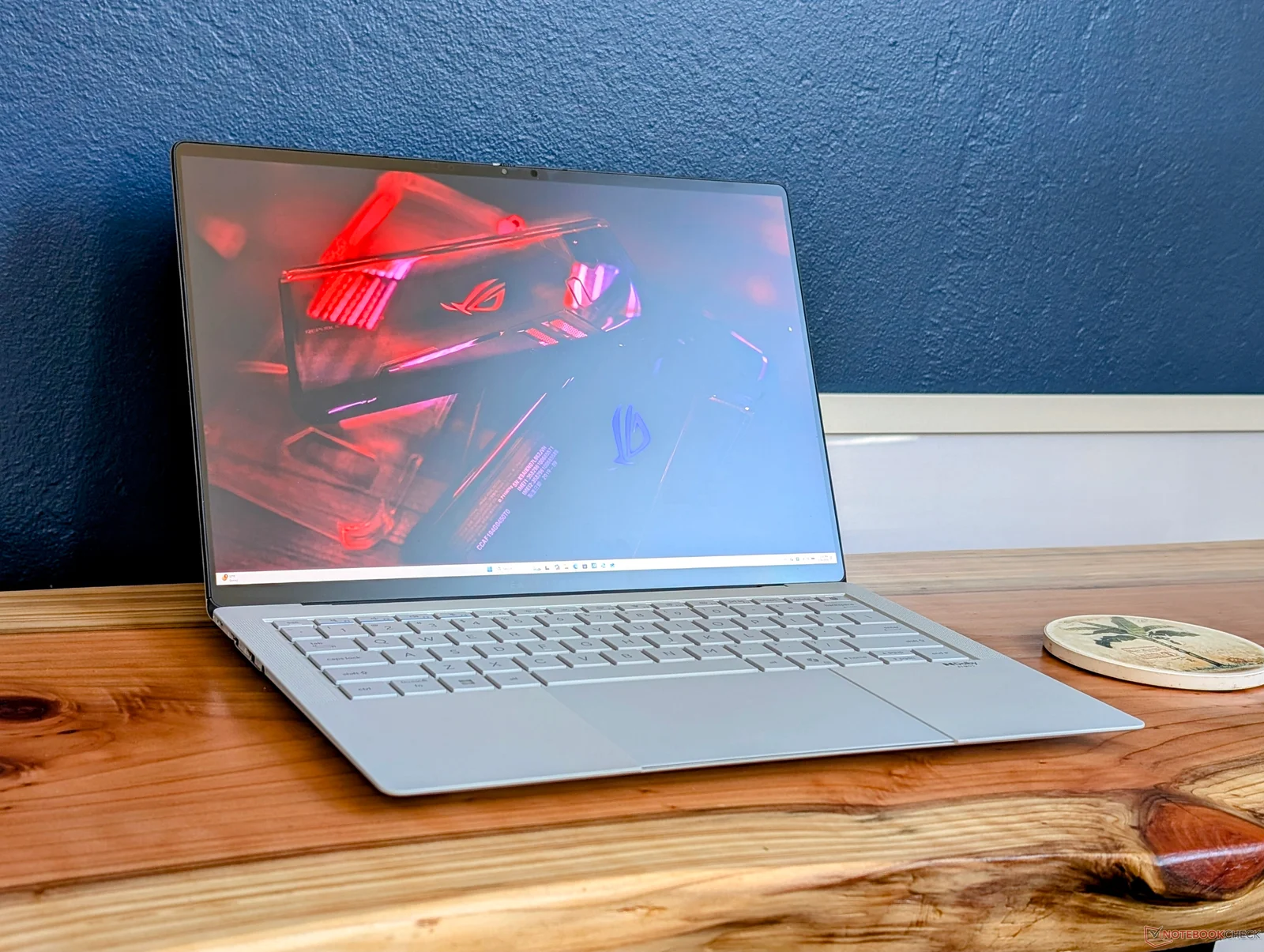
Notebookcheck’s early tests of Intel’s Panther Lake Core Ultra 5 338H with Arc B370 (10 Xe cores) show solid CPU performance comparable to Ryzen AI 9 465 at similar TDP, while the Arc B370 GPU delivers a notable uplift but trails the Arc B390 by a small margin. At 20W the B370 is virtually identical to the B390, and at 35W the gap grows to about 6%. The unit tested was an engineering sample running at 35W, with retail units expected in the coming weeks.
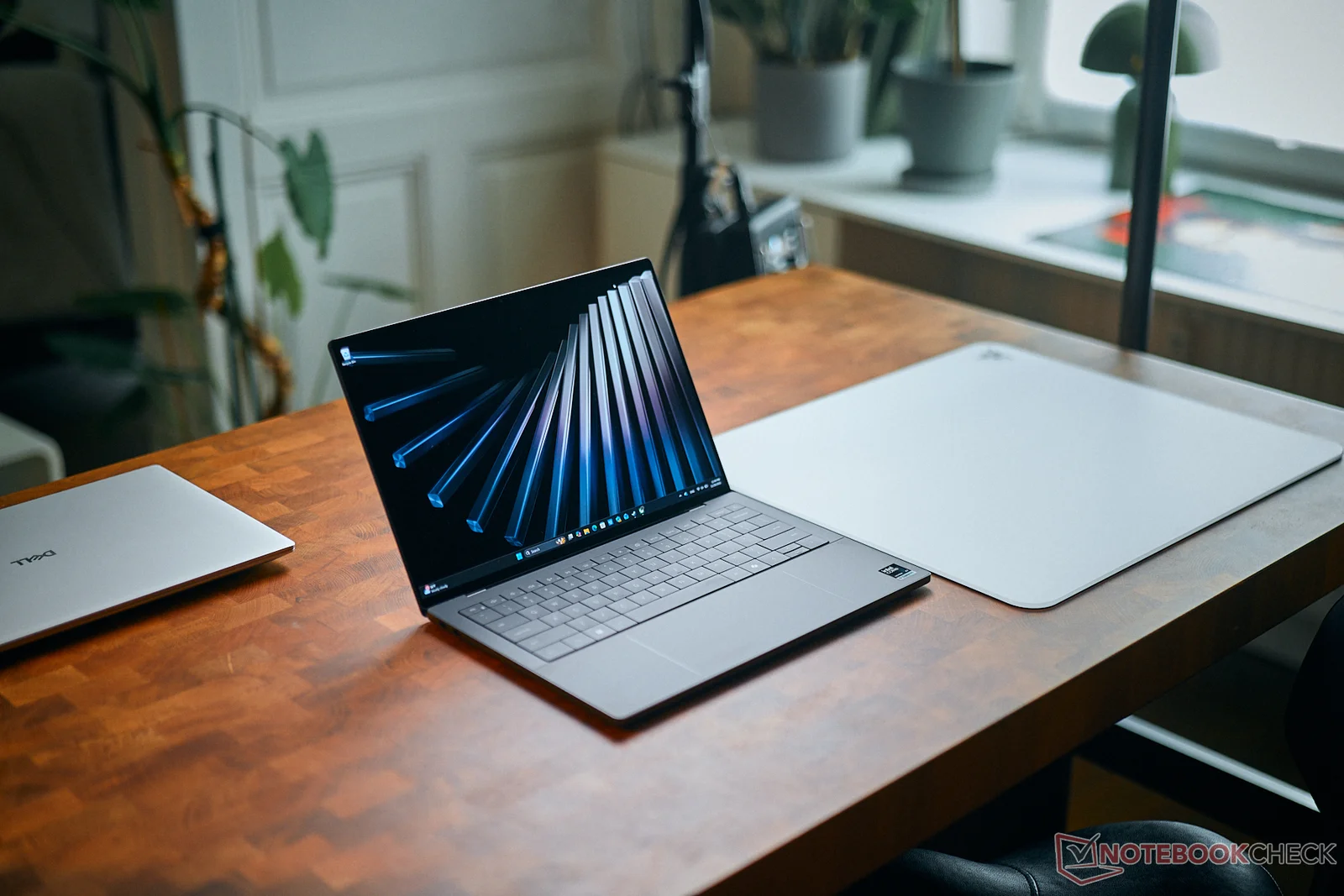
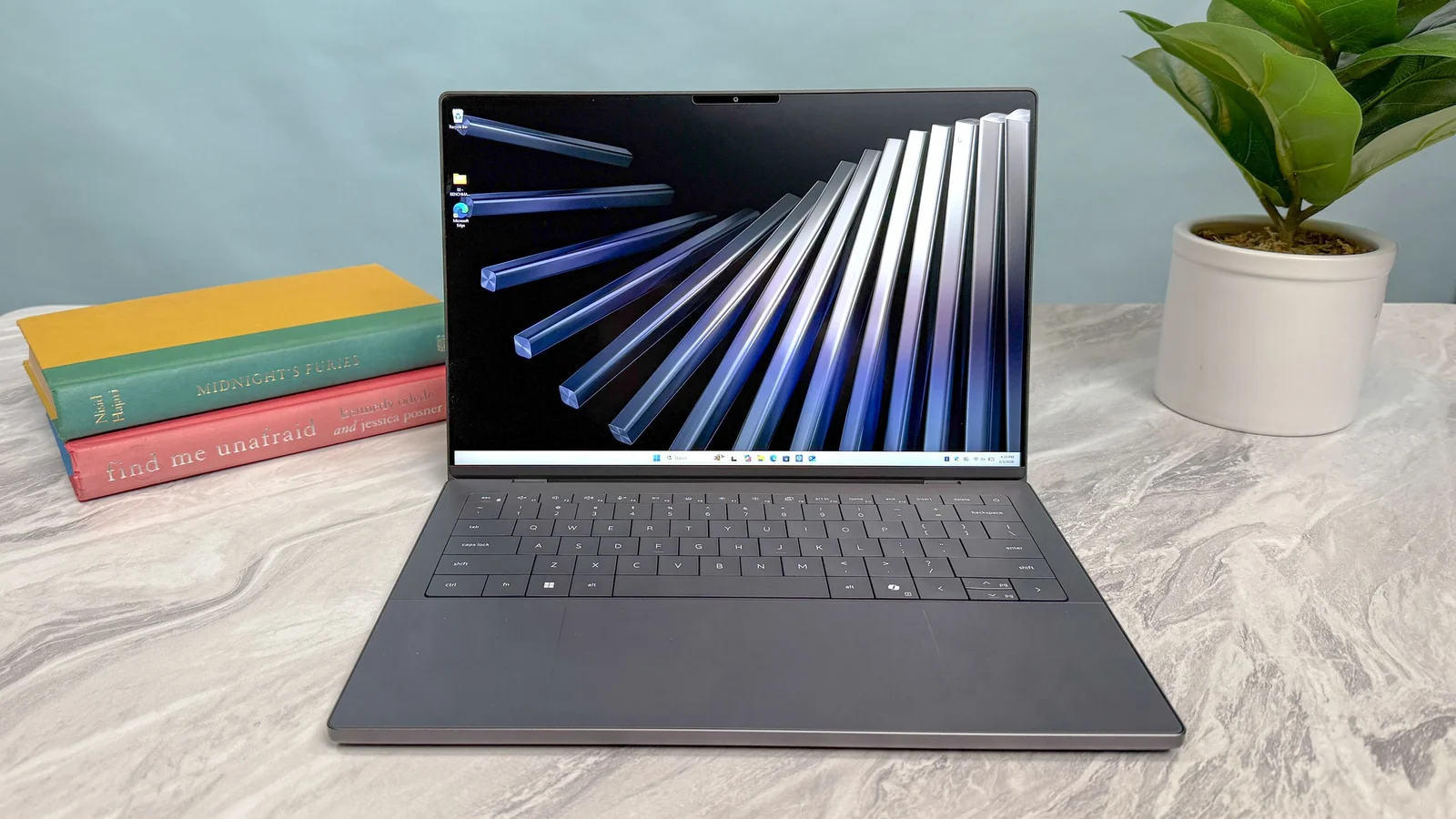
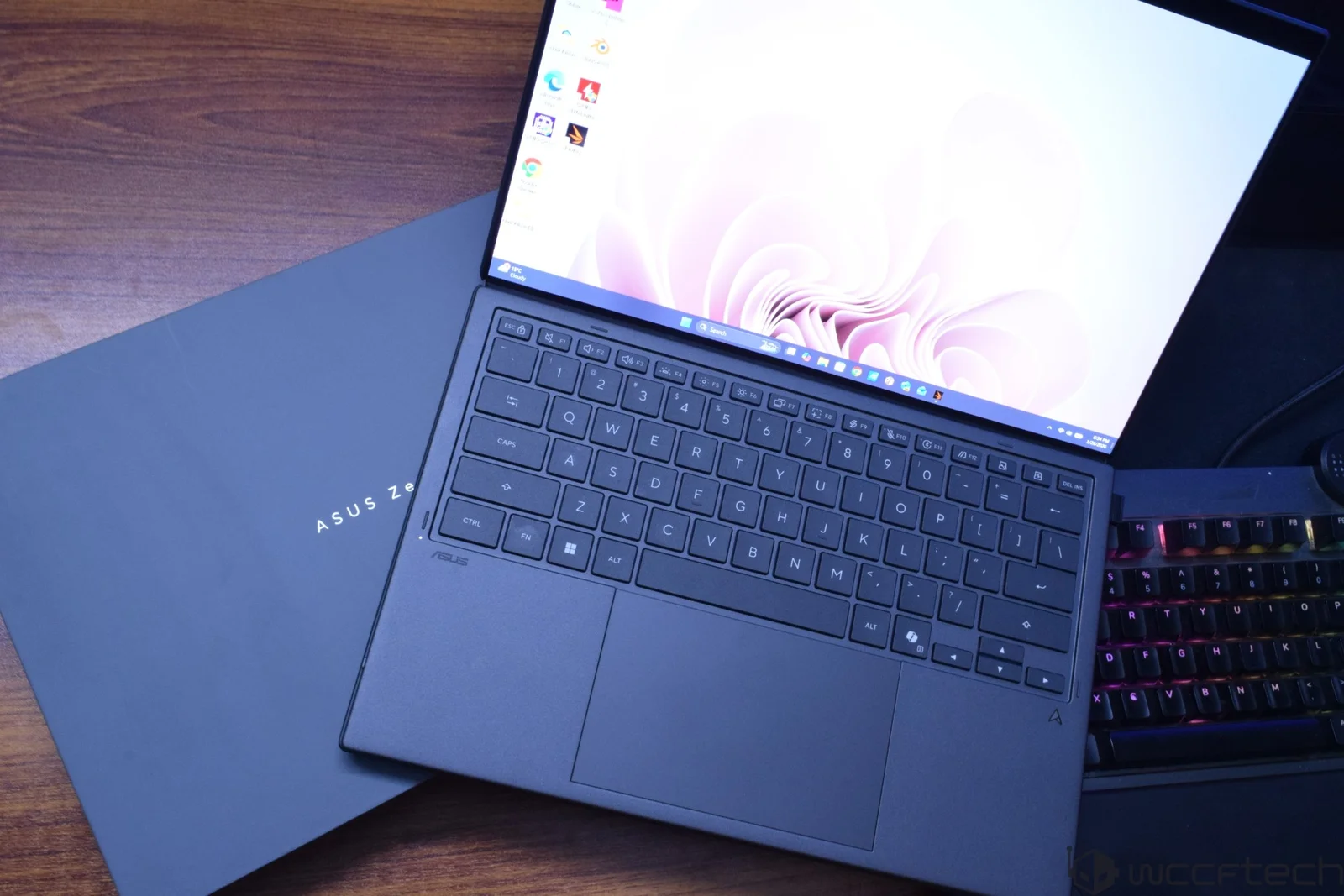
Dell’s XPS 14 Core Ultra 7 355 offers a refined, well‑built chassis, improved design and solid battery life with a sharp 1200p IPS display, but its 4‑core Xe3 iGPU is noticeably slower and less efficient than the flagship X7 358H. It’s a strong midrange choice for everyday tasks and multimedia at about $1,700, but creators and gamers should consider the higher‑end X7 for better graphics performance, and you’ll miss a MicroSD reader and camera shutter (with some fan noise reported).
Phoronix compares Windows 11 Home and Ubuntu 26.04 on an MSI Prestige 14 Flip Panther Lake laptop (Intel Core Ultra X7 358H with Arc B390). Using the same balanced power profile, the test found near-identical performance between Windows and Linux, though MSI’s Linux power limits were initially conservative relative to Intel’s guidance; Linux remains competitive on Panther Lake with the latest kernel and Mesa drivers across CPU and graphics benchmarks.
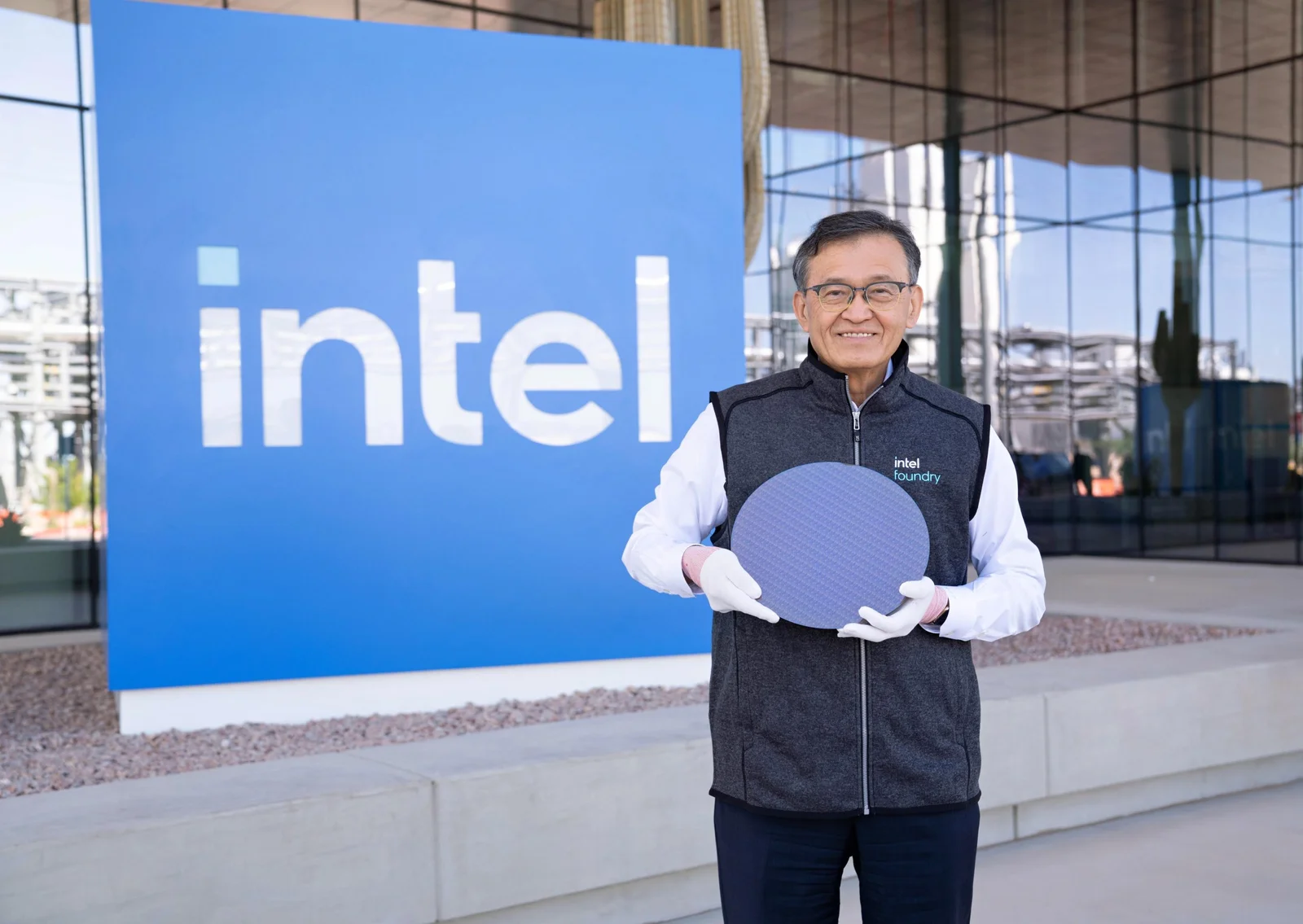
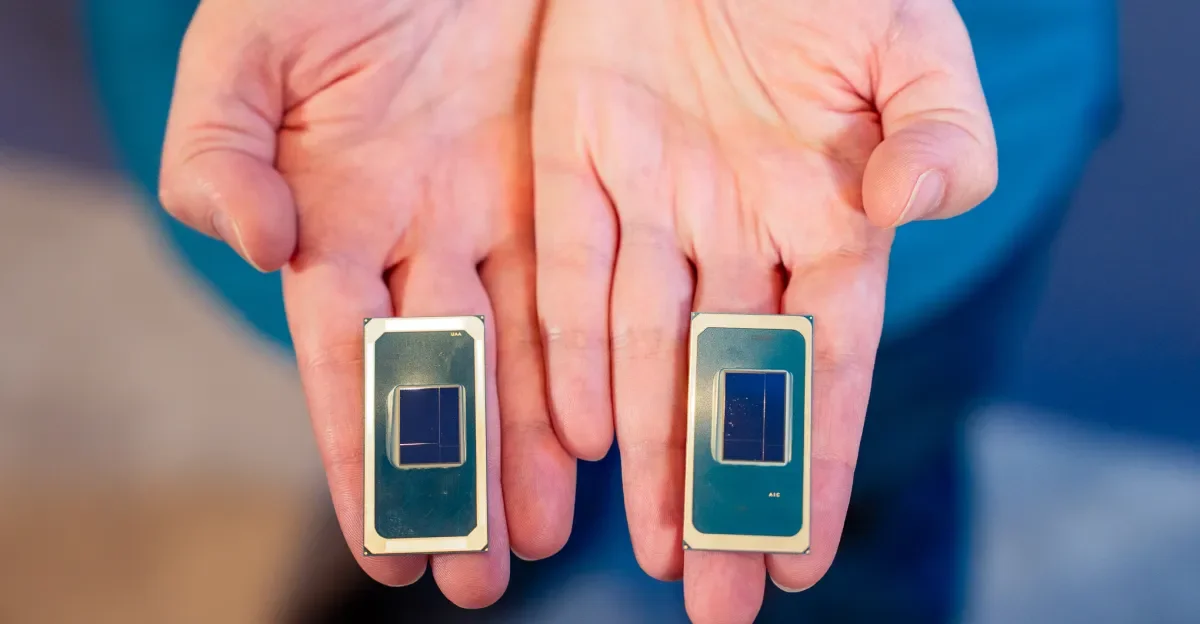
Intel’s 18A process introduces Backside Power Delivery Network (BSPDN) along with PowerVia and RibbonFET, freeing front-side real estate and boosting power efficiency, but its ground‑up impact on chip design makes external adoption slow. Industry observers expect wider uptake only later in the decade (around 2027), with 14A‑class nodes a more likely external path, though Intel’s early lead still gives it a competitive edge over rivals like TSMC.
Dell's new XPS 14 posts a record 21 hours 20 minutes of battery life in Tom's Guide's lab test—the longest seen on a Windows laptop—thanks to a Panther Lake-based Core Ultra 7 355, 16GB RAM and a 14-inch LED panel. The entry-level model ($1,699; shipping Feb 19) trails Intel's promised 27 hours but beats the Dell XPS 13 with Snapdragon X Elite and other rivals, signaling Windows endurance has caught up with Apple's MacBooks. Dell says the XPS 14 offers best battery life among Windows laptops, though Apple may respond with future M-series upgrades.
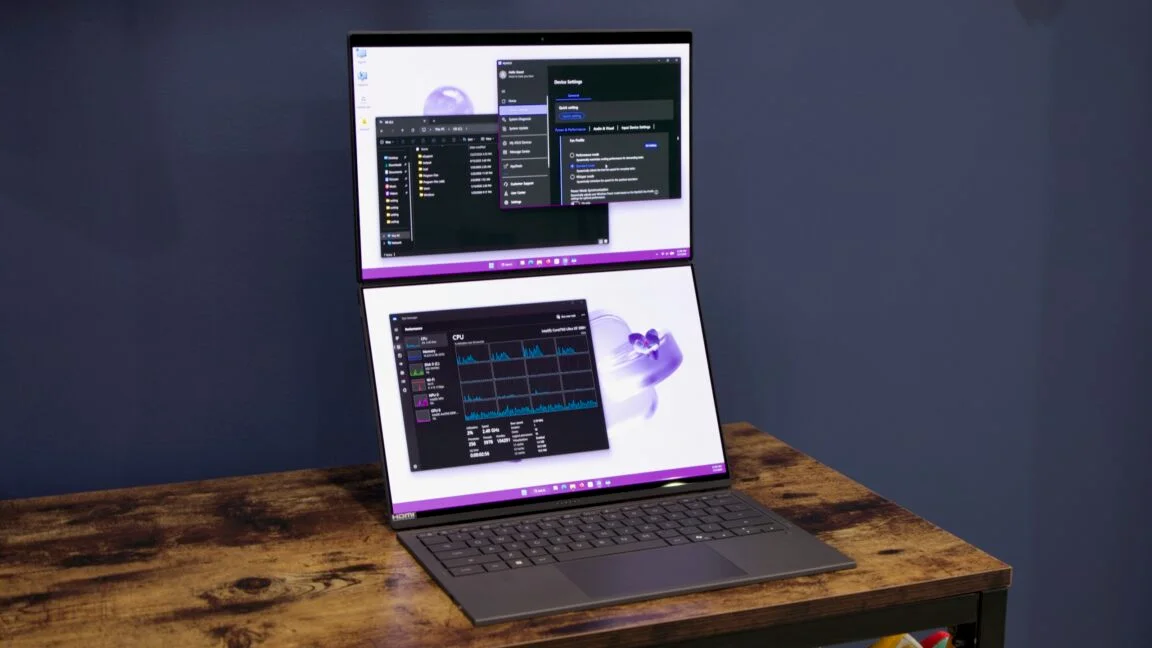
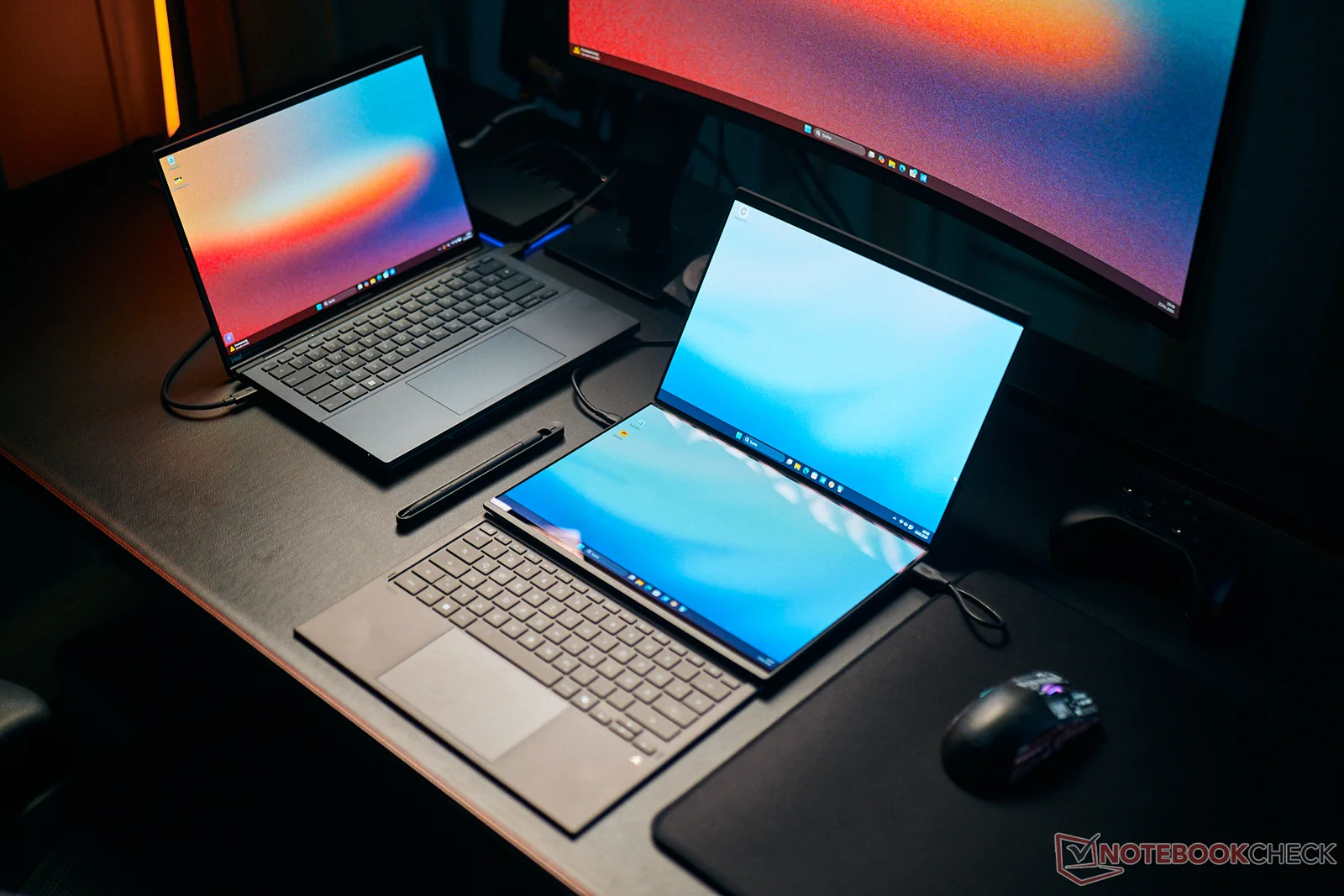
Ars Technica tests the Asus Zenbook Duo UX8407 powered by Intel Core Ultra X9 388H (Panther Lake) and finds a substantial, well-rounded upgrade: strong CPU and GPU performance, notably better efficiency, and solid battery life for a dual-screen laptop. Panther Lake appears to be Intel’s best laptop CPU in years, with Copilot+ support and a clearer, more unified feature set, though supply constraints and the two-screen form factor temper short-term enthusiasm. The long-term question is whether this marks a stable, repeatable turnaround for Intel or a rare standout in a period of ongoing iteration.
Ultrabookreview.com breaks down Intel Panther Lake (Core Ultra Series 3), outlining three sub-lineups (X7/X9 with Arc B390 iGPU for high performance, Ultra 9/7 300H for mainstream, and Ultra 5/7 300 for efficiency) and listing every current laptop built on Panther Lake, from premium X9/X7 models with Arc graphics to mid-range Ultra configurations and high-end dGPUs; it includes high-level performance notes (roughly 10% CPU gains over Lunar Lake, up to 50% multi-thread gains, Arc B390 delivering top GPU performance) and a large, evolving roster of devices across major brands.
Notebookcheck tests Intel’s Panther Lake Core Ultra X9 388H and finds it outperforms Arrow Lake and Zen 5 in both single-core efficiency at low power (approximately 13–15 W total package) and multi-core performance across 20–45 W, while remaining competitive with Apple’s M5 for multi-core work. Panther Lake consolidates the previous Arrow Lake and Lunar Lake generations, delivering strong performance in slim laptops with lower power envelopes and offering a compelling option for 2026 handhelds and thin notebooks.
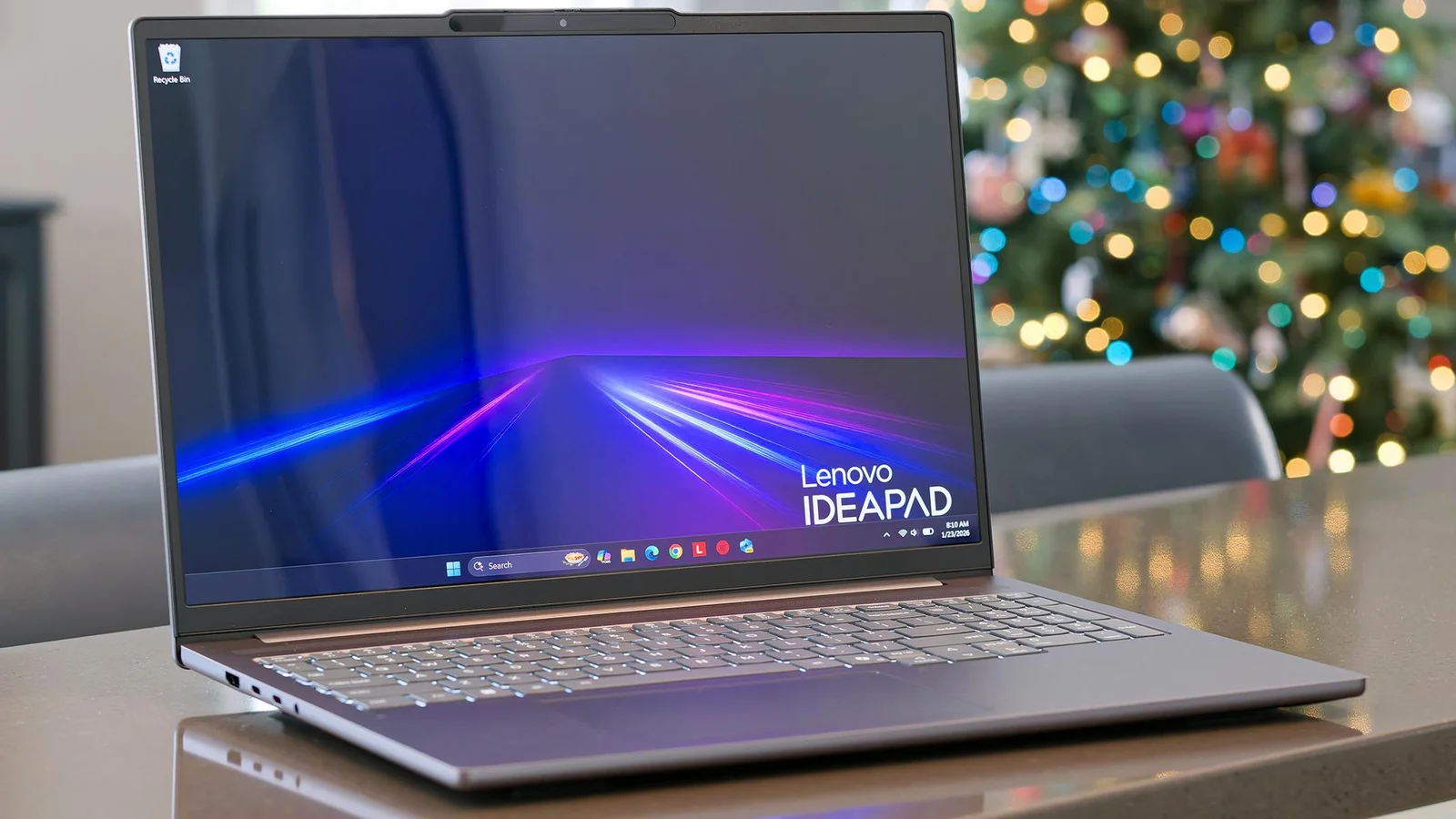
HotHardware tests a pre‑production Lenovo IdeaPad Pro 5 powered by Intel's 16‑core Core Ultra X9 388H Panther Lake, highlighting an 18A‑process, disaggregated tile design with CPU, GPU, and NPU. In early benchmarks on the premium notebook (16” OLED, 32GB RAM, 1TB), Panther Lake shows strong CPU/GPU/AI performance, improved efficiency, and robust I/O (up to 20 PCIe lanes, Wi‑Fi 7, Thunderbolt 4), though the top 16‑core/12‑Xe3 config remains not retail‑ready. Memory scales up to 128GB with high speeds across DDR5/LPDDR5X variants, and the device delivers solid battery life for a high‑end portable system.
Early third‑party reviews hail Panther Lake as Intel's strongest laptop CPU in years, delivering near‑discrete graphics performance and excellent battery life thanks to the 18A process and backside power delivery; yet supply constraints and Intel’s shift of manufacturing to server CPUs could cap market‑share gains this year.
The Asus ExpertBook Ultra is a 14-inch, ~1.1 kg business laptop that pairs Intel’s Panther Lake X7 with an Arc B390 iGPU to deliver RTX 4050‑level graphics in a portable chassis, supported by strong performance‑per‑watt and long battery life. True peak CPU performance requires mains power, as battery mode caps the TDP; the unit also shows some quirks—haptic clickpad sensitivity, a grainier matte OLED, PCIe5 SSD throttling under load, and hinge rigidity concerns. Overall, it’s a standout 14‑inch option for business users who want solid gaming headroom, with a 2026 ship date and around $1,578 pricing.
Phoronix says Linux benchmarks for Intel Panther Lake laptops and Arc B390 GPUs are still coming ahead of official availability. The author plans to publish preliminary Linux data by week’s end once hardware ships (he’s awaiting a Panther Lake laptop) after Windows reviews have already appeared, with ongoing retesting of other Linux systems.
Asus’s ZenBook Duo UX8407 is redesigned for 2026 with a sleeker hinge and two 144 Hz OLED displays, now powered by Intel Panther Lake CPUs and the Arc B390 iGPU for a roughly 70% graphics uplift versus the old model and competitive gaming performance, with €2,599 for the top SKU (Core Ultra X9 388H + Arc B390) and €2,299 for the base model; it’s praised as the best dual‑screen convertible on the market, though it’s thicker and heavier, RAM is soldered, there’s no card reader, and the EU bundle omits a charger, while Wi‑Fi 7, Thunderbolt 4 and included stylus add convenience.
Intel’s Panther Lake X9 388H arrives in the ASUS Zenbook Duo 2026 as a 16‑core hybrid CPU (4 P-Cores, 8 E-Cores, 4 LP-E cores) with an Arc B390 Xe3 iGPU and an NPU5, delivering strong single- and multi‑core performance, solid AI/GPU benchmarks, and high memory bandwidth on 32 GB LPDDR5X at 9600 MT/s. The laptop pairs this with a 1 TB SSD, dual 14" 3K OLED displays at 144 Hz, and a 99 Whr battery in a refined dual‑screen chassis. In practice it mostly stays under 40 W, with peak stress occasionally hitting ~69 W, and tasks like office work can surpass 22 hours of battery life, gaming around 4 hours (brightness at 60%), and video playback over 30 hours with the second screen off. Thermals show throttling under heavy load (70–80 °C range) despite a dual‑fan cooling system, but the design’s hinge and cooling keep the experience premium. Benchmarks place the X9 388H ahead in many synthetic tests (CPU, memory, AI suites) and the Arc B390 iGPU tops several GPU tests, signaling a compelling if power‑hungry, office‑friendly hybrid that leans into power efficiency and AI acceleration alongside its strong CPU/GPU performance.
Intel's 18A-based Core Ultra X9 388H Panther Lake powers the Asus Zenbook Duo with strong everyday speed, long battery life, and capable 1080p gaming, marking a notable comeback for Intel in Windows laptops. In real‑world use it competes well with rivals, even edging the MacBook Pro in 4K Premiere, and benefits from XeSS upscaling without sacrificing battery life.