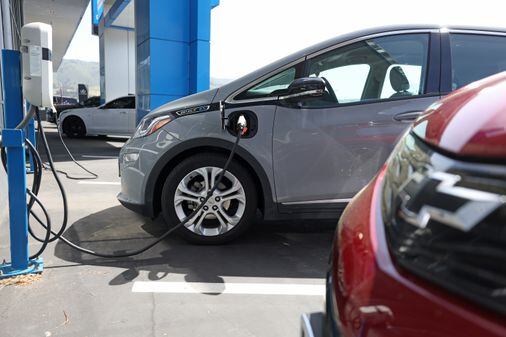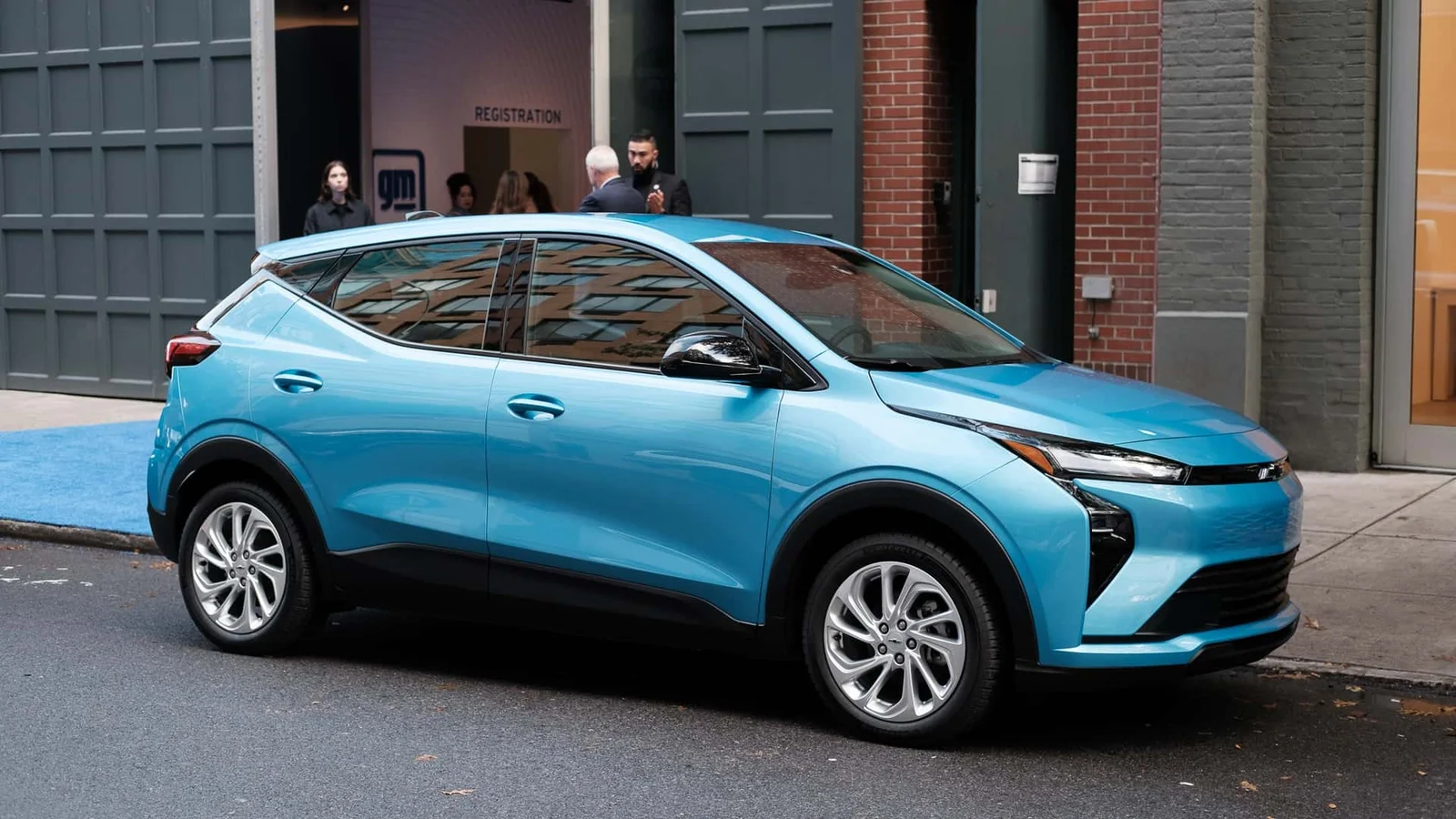
General Motors is reviving the Chevrolet Bolt, an iconic EV model, for its 2027 lineup with modern features like sharper LED headlights and Tesla-compatible charging, aiming to offer an affordable, standard-setting electric vehicle as EV sales continue to grow globally.
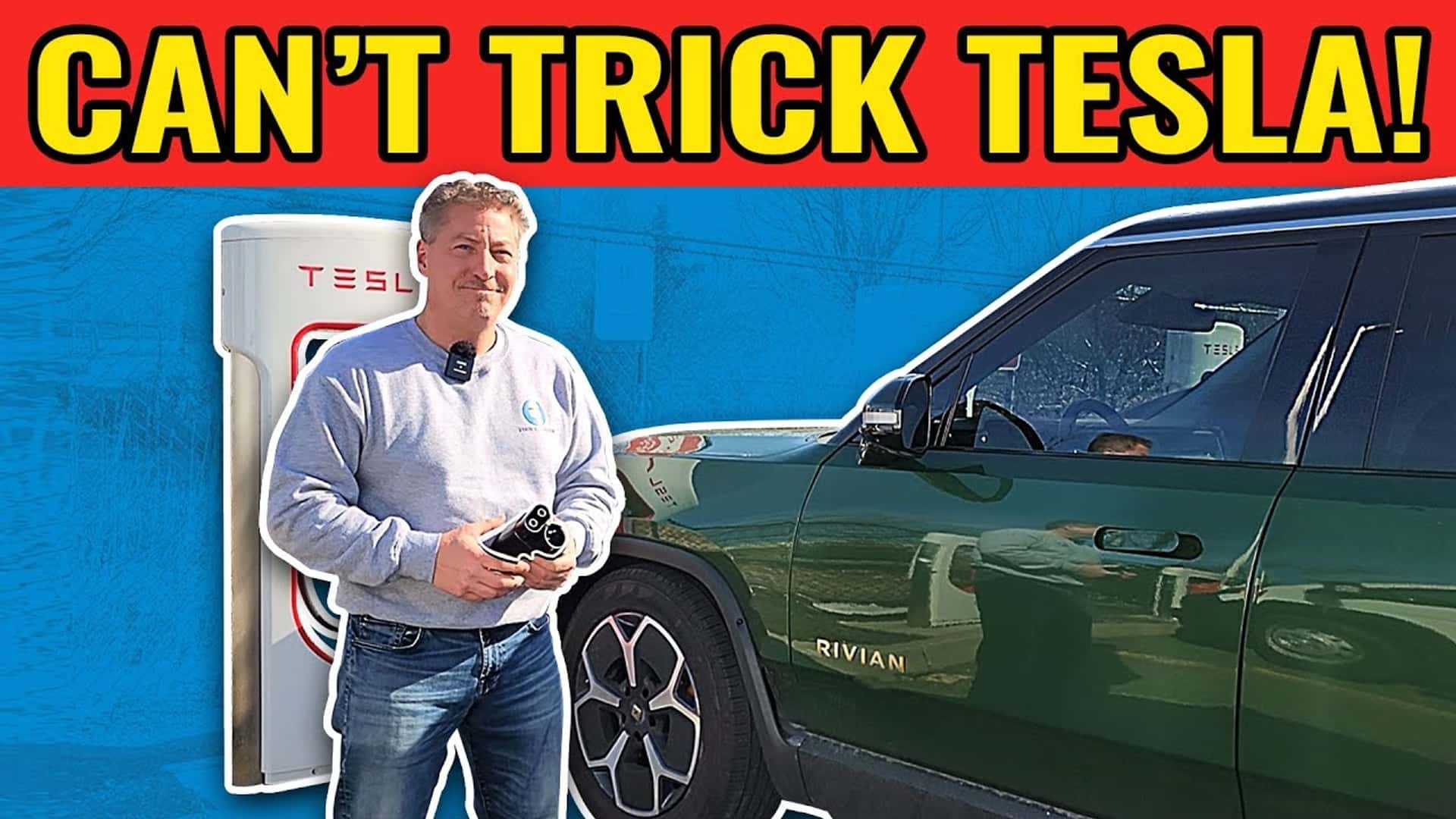
Ford's new Fast Charging Adapter, which allows Ford's electric vehicles to use the Tesla Supercharger network, does not currently work with other EVs like Rivian or Chevrolet Bolt due to software restrictions. While third-party adapters also failed to work, the situation is expected to change rapidly as more automakers gain access to the Tesla network, with nearly every new EV in the U.S. and Canada projected to have native access to Tesla charging after 2025.
In 2023, electric vehicle (EV) sales in the US surpassed one million units for the first time, with the Tesla Model Y and Model 3 leading the pack. The market saw a surge in EV sales due to lower prices and improved government incentives, with the average price paid for a new EV dropping by about $14,000 from the previous year. The top 10 best-selling electric cars of 2023 were also some of the most affordable, reflecting a shift in consumer preferences towards cheaper EV options.
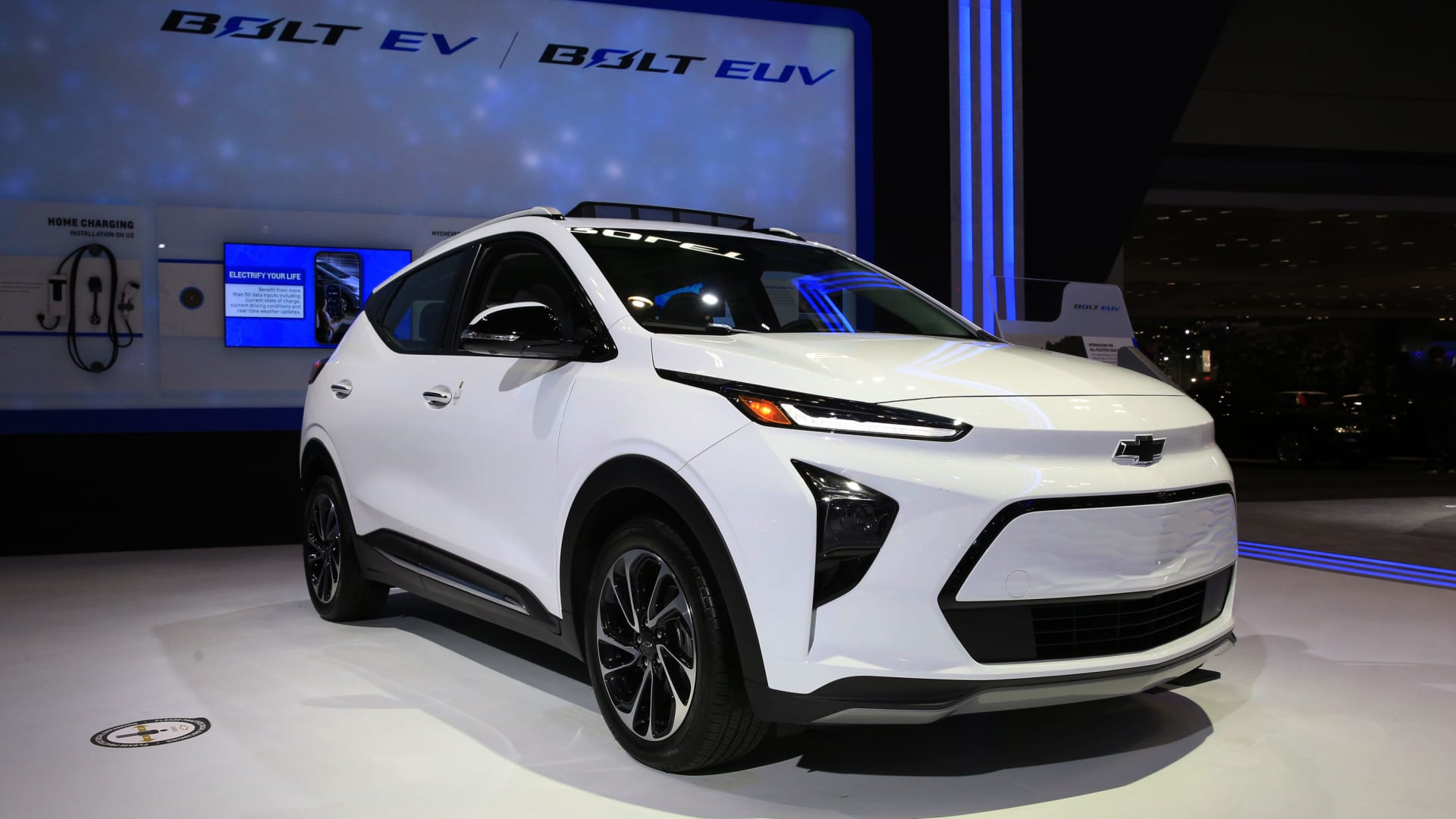
General Motors (GM) has announced that it will revamp the Chevrolet Bolt electric vehicle (EV) instead of discontinuing it as originally planned. The decision was influenced by the Bolt's popularity and strong sales performance, with a sales surge of over 50% in 2022 and almost 50,000 units sold this year. The revamped Bolt will feature GM's improved Ultium platform, durable lithium-iron phosphate (LFP) battery cells, and NACS charging ports compatible with Tesla's Supercharger network. The new model is expected to offer a better driving, charging, and ownership experience while saving on capital and engineering expenses. Production of the current Bolt will end in December, and details about the release date and manufacturing location of the revamped model have yet to be announced.
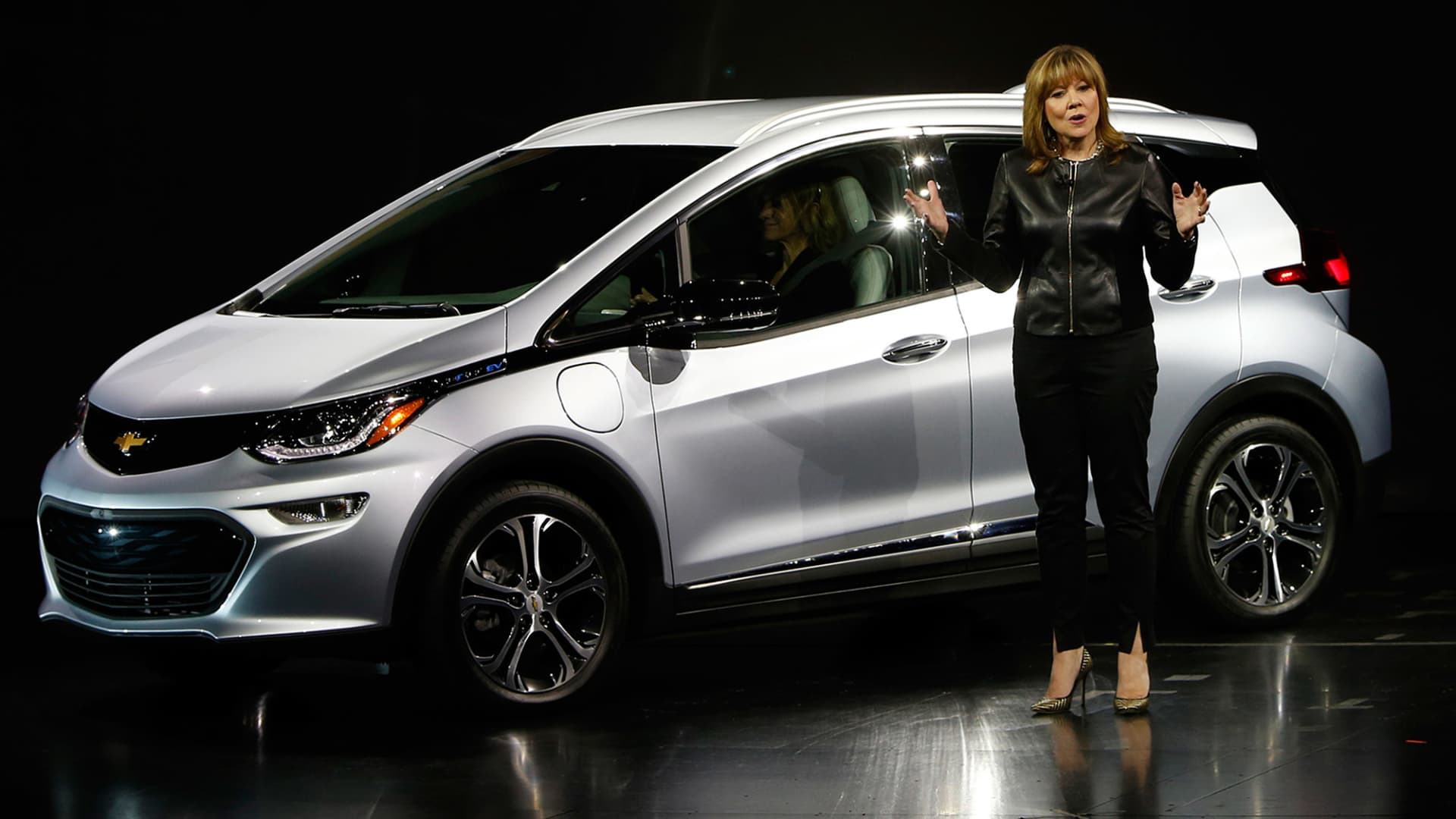
General Motors CEO Mary Barra has confirmed that a next-generation version of the Chevrolet Bolt is in the works, utilizing GM's Ultium battery and drive technology. The upcoming Bolt EV will continue to offer affordability, range, and technology, and will be brought to market on an accelerated timeline by adopting various Ultium and Ultifi advancements. Specific details and launch timetable will be announced later. The next-gen Bolt will join Chevrolet's expanding lineup of all-electric vehicles, including the Silverado EV, Blazer EV, and Equinox EV. The Ultium platform will enable lower battery costs, potentially allowing the next Bolt to have a starting price below $30,000.
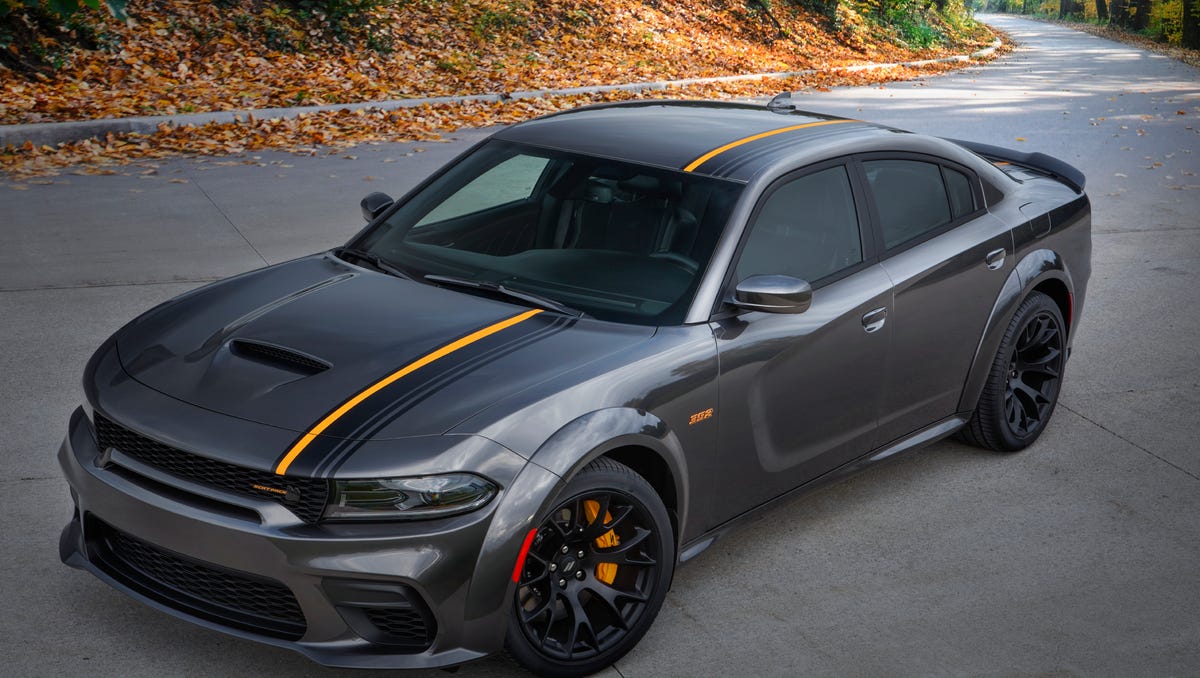
Several popular car models are being discontinued for 2024, including muscle cars like Dodge's Charger and Challenger, electric vehicles like the Chevrolet Bolt, and luxury brands like Audi and Mercedes-Benz. The shift to electric vehicles is a major factor in the discontinuation of these models, as automakers aim to prioritize EV production and meet future sustainability goals.
Several popular car models, including the Dodge Charger and Challenger, Audi R8 and TT, Kia Stinger, Nissan Maxima, and Chevrolet Bolt and Bolt EUV, are being discontinued for 2024. The shift towards electric vehicles is cited as the main reason for these models' discontinuation. Luxury brands like McLaren and Mercedes-Benz are also axing certain car models to make room for new offerings.
General Motors CEO Mary Barra announced that the company will end production of the Chevrolet Bolt EV and EUV by the end of this year, despite the vehicle's recent success and increased production. GM is focusing on profitable electric vehicles and aims to deliver single-digit profits off its EV portfolio by 2025, when it plans to have a production capacity of 1 million electric vehicles in North America. The company's next-generation EVs, built on a new architecture known as Ultium, are expected to be profitable, unlike the Bolt models. GM will replace the Bolt with the upcoming Equinox EV, starting at around $30,000.
General Motors will end production of the Chevrolet Bolt, the least expensive electric vehicle (EV) in the US, by the end of 2021 to make room for larger and more profitable EV trucks. The Bolt's demise comes as the EV market is transitioning from one or two models per automaker to a full slate of vehicles at many price points. GM's decision to discontinue the Bolt has drawn mixed reactions, with some saying it's premature while others see it as fitting as the automaker prepares for an onslaught of new models.
General Motors is discontinuing the Chevrolet Bolt electric sedan at the end of the year, citing new, more appealing EVs coming out this year starting at almost the same price point as the Bolt. The upcoming Chevy Equinox EV will offer more interior space, longer travel range, and sell for about $30,000. Ditching the Bolt also means escaping the EV’s troubled history, with two major recalls in the past three years due to the risk of batteries catching fire. The new vehicles will be capable of charging far more quickly at DC fast chargers than the Bolt.
General Motors reported an 18.5% drop in profits in Q1 2023 due to job cuts and slowing new-vehicle sales in China. The company also announced a new battery factory in the US and plans to stop production of its top-selling electric car, the Chevrolet Bolt. G.M. sold 1.4 million vehicles globally in Q1, down 3% from last year, with US sales up 18% but sales in China down 25%. G.M.'s net income in Q1 fell to $2.4 billion, from $2.9 billion in Q1 2022, and the company lowered its net income outlook for 2023 slightly due to job-cut expenses.