The article discusses the potential and limitations of Apple Shortcuts for automating phone functions, featuring insights from experts on its usefulness and user interface challenges, alongside a review of Meta's Ray-Ban smart glasses and a discussion on affordable quality earbuds.

A teardown of Meta's Ray-Ban Display smart glasses reveals they are extremely difficult to repair due to sophisticated lens technology and glued components, making repairs or lens replacements impractical and costly, with most repairs requiring replacing the entire device.
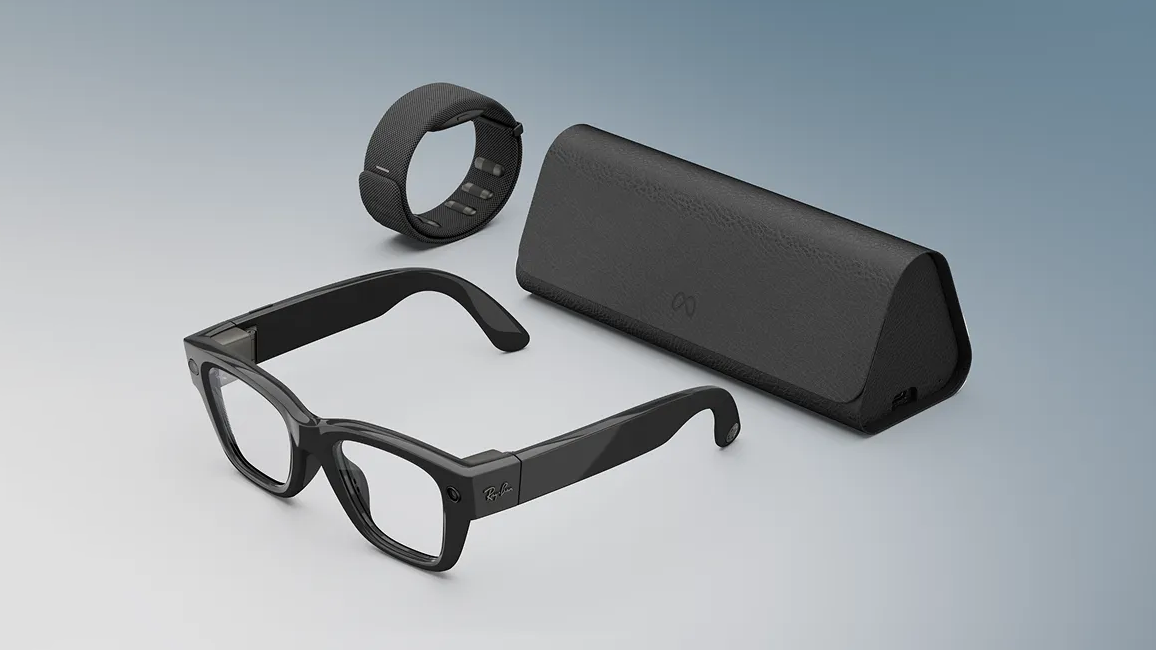
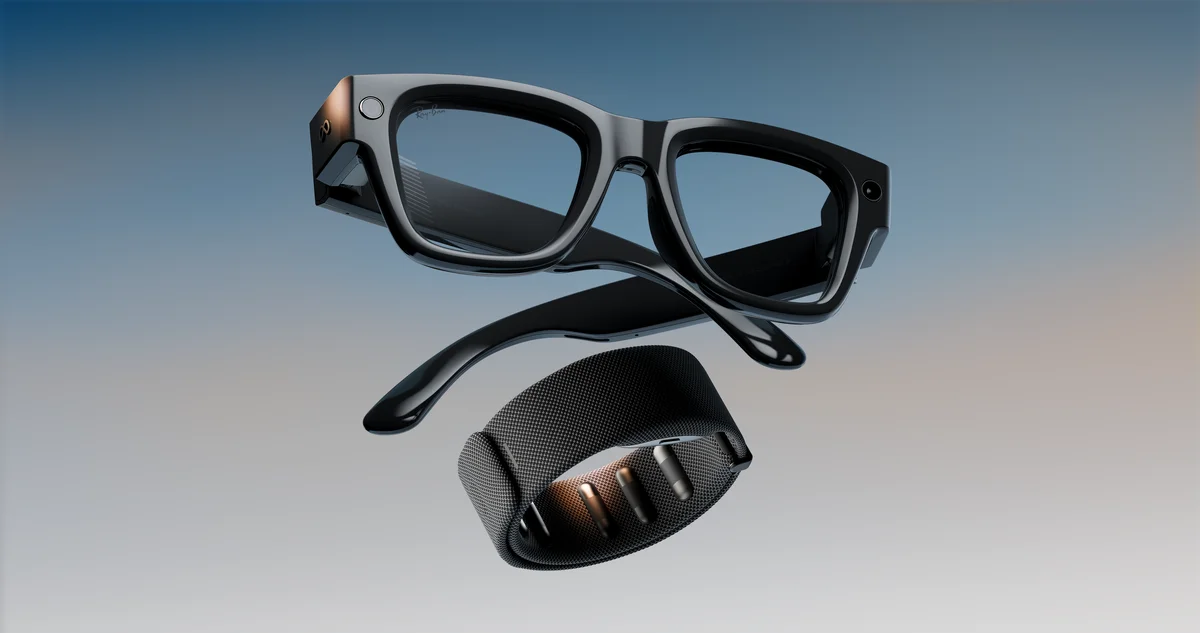
Smart glasses are becoming mainstream, with Meta's Ray-Ban Display leading the way, and innovative wearables like EMG wristbands and smart rings are being developed to control them, indicating a trend towards more integrated and intuitive wearable tech, possibly culminating in smartwatches and advanced hand/eye tracking devices.
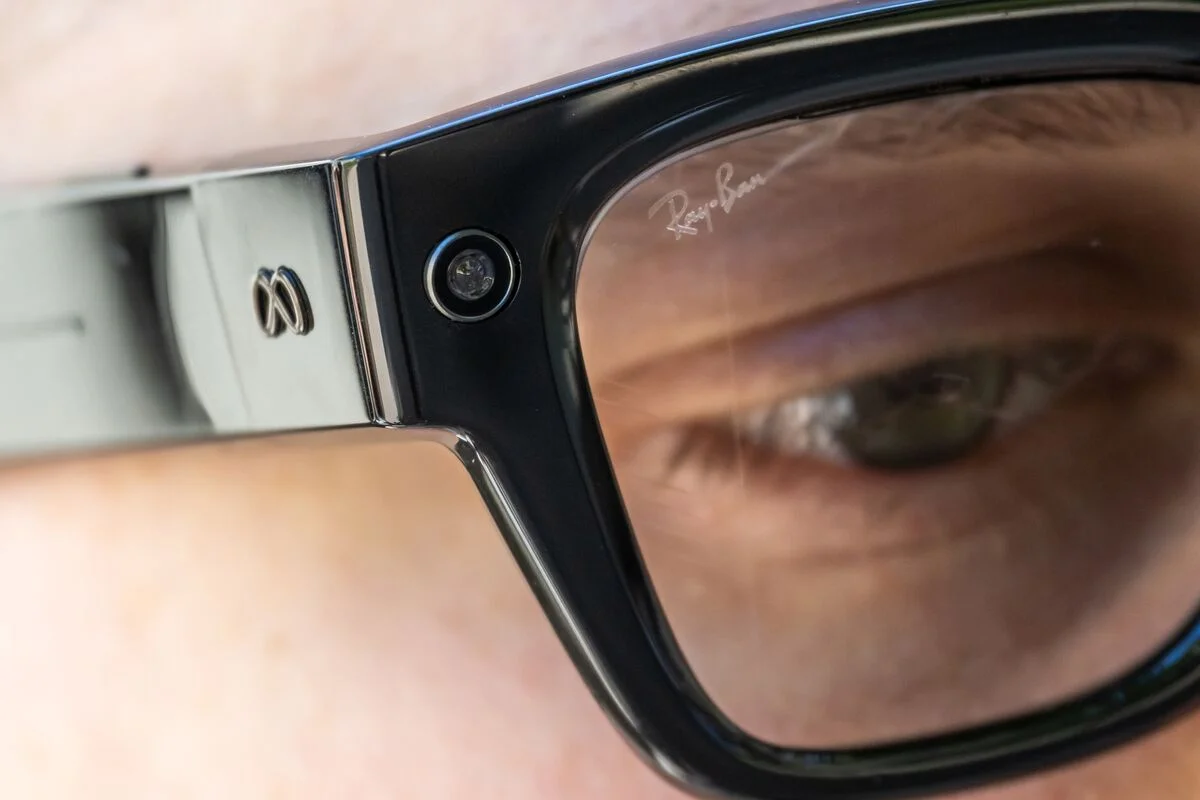
The Meta Ray-Ban Display glasses offer impressive display features and innovative tech like a neural band, but are hindered by bulky design, limited app compatibility, and privacy concerns, making them more suitable for early adopters than everyday users at their current $800 price point.
Meta's new Ray-Ban Display glasses, priced at $799, introduce a built-in screen that enhances the smart glasses experience by allowing users to read messages, view media, and interact with AI, though they currently have hardware limitations and limited app support. Despite these, they demonstrate the potential of smart glasses as a new computing platform, with improvements expected in future versions.
Meta Ray-Ban Display glasses feature a built-in HUD and support custom prescription lenses, but these must be bonded at purchase, making aftermarket options unavailable. The glasses support various visual and communication functions, weigh 69 grams, and have a battery life of around six hours, with a high cost of $1000 including prescription bonding. Availability is limited, requiring demos at retail stores, with delivery taking 5-8 weeks.
Meta Ray-Ban Display, a smart glasses product with a heads-up display and neural band interface, sold out quickly across stores in the US due to high demand, with restocks planned to meet the strong initial interest, despite some availability and supply challenges.
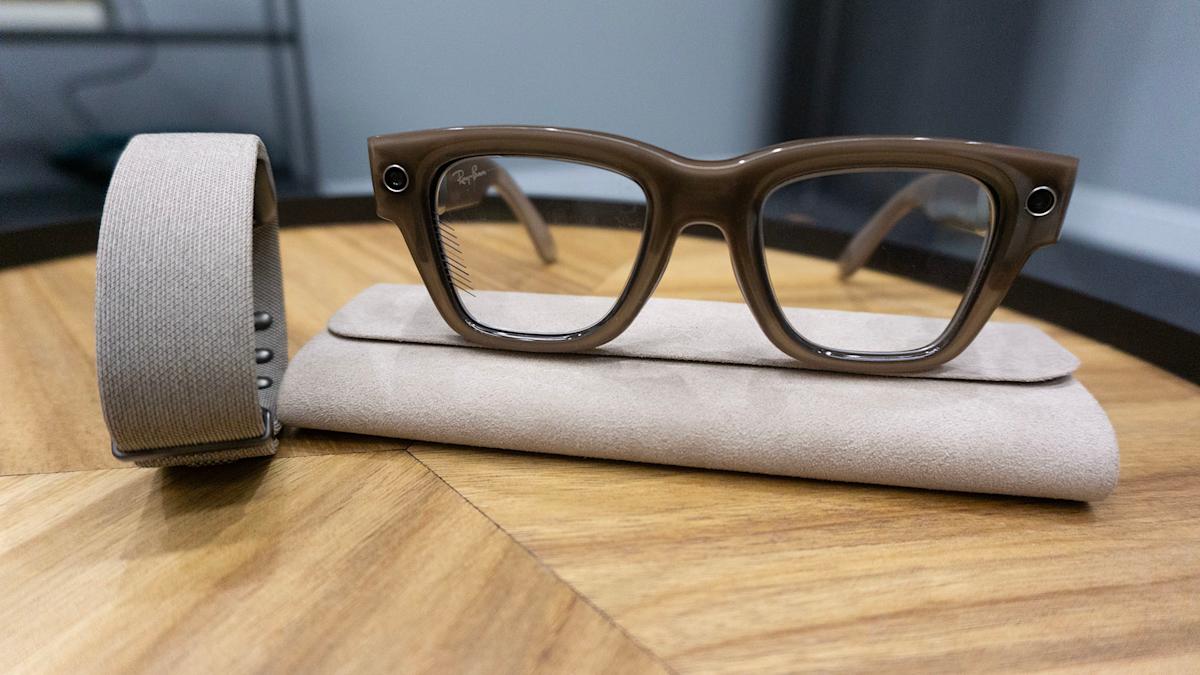
The article provides a hands-on review of Meta's new Ray-Ban Display glasses and Neural Band in New York City, highlighting their features such as navigation, photography, and communication capabilities, while also discussing issues like reflections and battery life, and exploring the potential future of wearable tech and media production.
Meta has launched its Ray-Ban Display smart glasses in select US stores, featuring a heads-up display, gesture controls via the Meta Neural Band, and various smart functionalities like messaging, navigation, and live captions, priced at $800 and available in limited locations with plans for online sales and expansion to other countries.
Meta's Ray-Ban Display glasses are available for purchase only through in-person demos and reservations at select stores in the US, with plans to expand availability internationally by 2026. The $799 glasses require booking an appointment for a demo, and demand is high, making it challenging to acquire them immediately.
Meta's Ray-Ban Display smart glasses face limitations in messaging functionality, especially with iOS, due to restrictions from Apple. Despite claims of supporting message viewing and replying across iOS and Android, Meta's CTO indicated ongoing restrictions, likely preventing full iMessage integration. This could limit the glasses' appeal, particularly in the U.S., where iMessage is widely used, though they may still be useful for users relying on third-party messaging apps like WhatsApp. The situation highlights challenges in hardware-software integration between Meta and Apple.
Meta has launched the Ray-Ban Display, its first smart glasses with an in-lens display, offering new capabilities like messaging, navigation, and recording discreetly, raising both excitement and privacy concerns about the future of wearable technology.
Meta has launched the Ray-Ban Display smart glasses, featuring a full-color heads-up display, a neural wristband for interaction, and AI capabilities, aiming to reduce smartphone dependence and enhance real-world engagement. Priced at $799, they offer advanced features like live captioning, photo framing, and voice commands, marking a significant step toward the post-smartphone era, though they are still early-stage and primarily for tech enthusiasts.
The Meta Ray-Ban Display glasses offer a practical, discreet smart glasses experience with a single, sharp display on one lens, intuitive gesture controls via a wristband, and features like notifications, video calls, and live captions, marking a significant step toward everyday wearable tech, priced at $799.
Meta Connect 2025 showcased new products including the second-generation Ray-Ban smart glasses, Oakley Vanguard glasses, and a generative AI playground called Horizon Studio, along with previews of AI-powered features like Live AI and Meta TV, highlighting Meta's focus on augmented reality, AI, and immersive virtual experiences.