
Tag

Atmospheric Exploration

All articles tagged with #atmospheric exploration

"ISRO's Upcoming Mars Mission to Include Lander, Helicopter, Rover, and Drone: Reports"

Originally Published 1 year ago — by The Economic Times

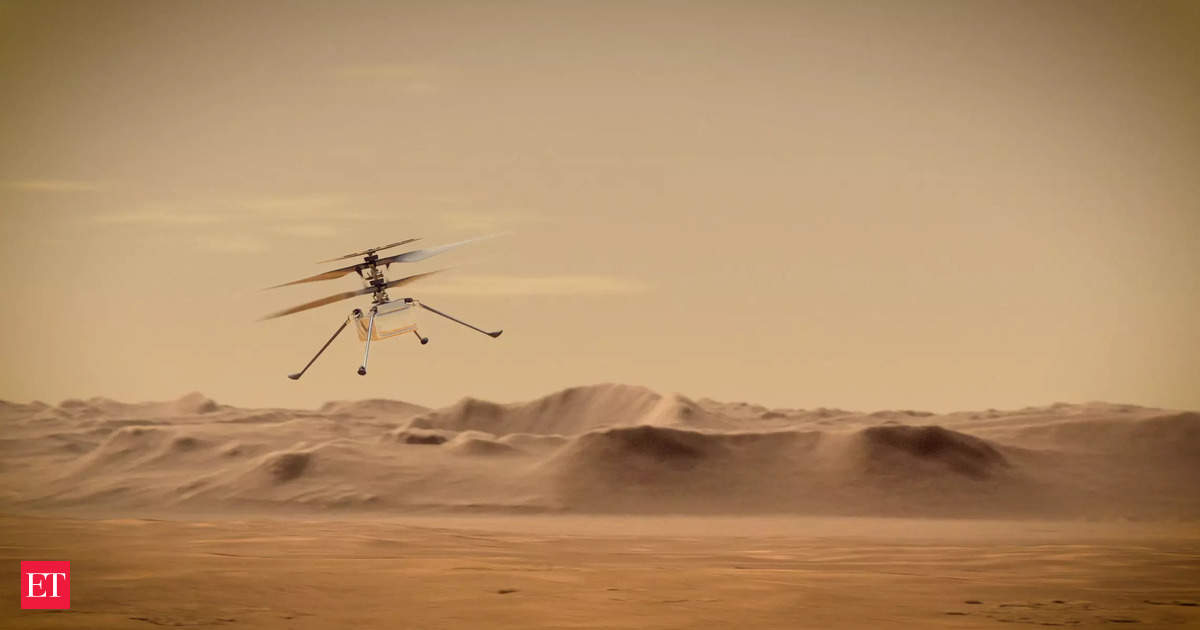
Featured image for "ISRO's Upcoming Mars Mission to Include Lander, Helicopter, Rover, and Drone: Reports"
Source: The Economic Times

ISRO is reportedly planning to send a lander with a rover and a rotocopter (helicopter) to Mars, similar to NASA's Ingenuity quadcopter. The rotocopter, still in the conceptual stage, is expected to carry an instrument suite named the Martian Boundary Layer Explorer (Marble) for aerial exploration of Mars, conducting vertical profiling of atmospheric factors and in-situ measurements within the near-surface boundary layers. This mission aims to enhance understanding of Martian weather patterns and historical climate, providing crucial data for future exploration missions.
"Perseverance Rover Captures Massive Dust Devil Racing Across Mars"

Originally Published 2 years ago — by SciTechDaily

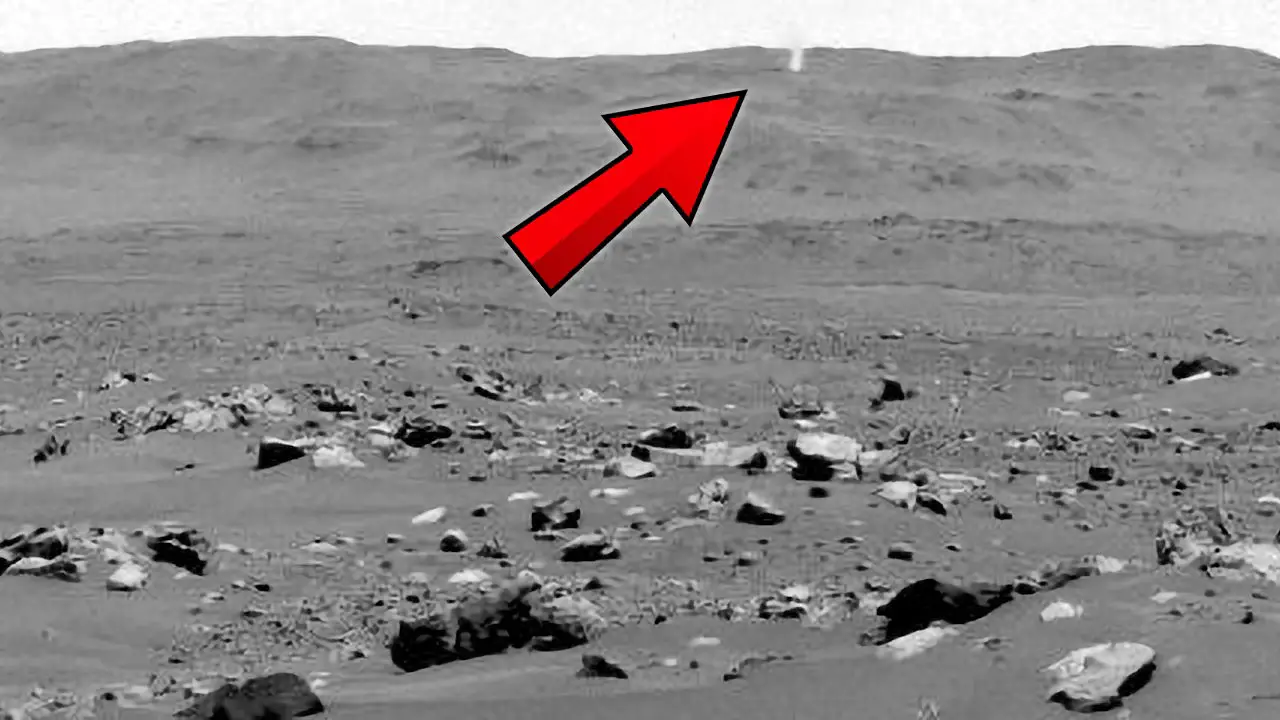
Featured image for "Perseverance Rover Captures Massive Dust Devil Racing Across Mars"
Source: SciTechDaily

NASA's Perseverance rover captured a 200-foot-wide dust devil moving across Mars' Jezero Crater at a speed of about 12 mph. Dust devils are weaker and smaller than tornadoes on Earth but play a role in redistributing dust on Mars. Scientists study them to gain insights into the Martian atmosphere. The rover's imagery helped determine the dust devil's location, width, and estimated height. The mission's objective is to search for signs of ancient microbial life, study the planet's geology and climate, and pave the way for human exploration of Mars.

"Exploring Power Beaming Potential in Venus' Atmosphere: Scientists Investigate Feasibility"

Originally Published 2 years ago — by Phys.org

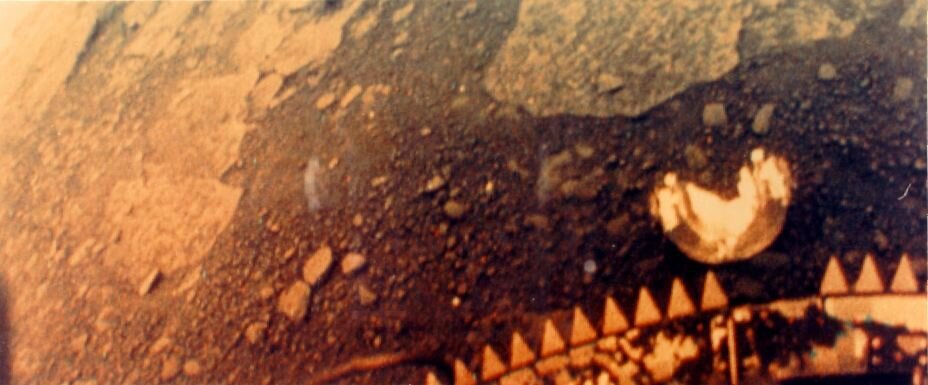
Featured image for "Exploring Power Beaming Potential in Venus' Atmosphere: Scientists Investigate Feasibility"
Source: Phys.org

Scientists are exploring the feasibility of beaming power through the dense atmosphere of Venus to power surface probes. Traditional power sources like solar power, batteries, and radioisotope thermoelectric generators are not suitable for Venus' extreme conditions. The research suggests that power beaming using lasers could be a viable option, as certain "frequency windows" in the atmosphere allow for power transmission. However, the technology for this is still under development. The study also highlights the importance of understanding Venus' atmosphere for designing a specific power-beaming system.