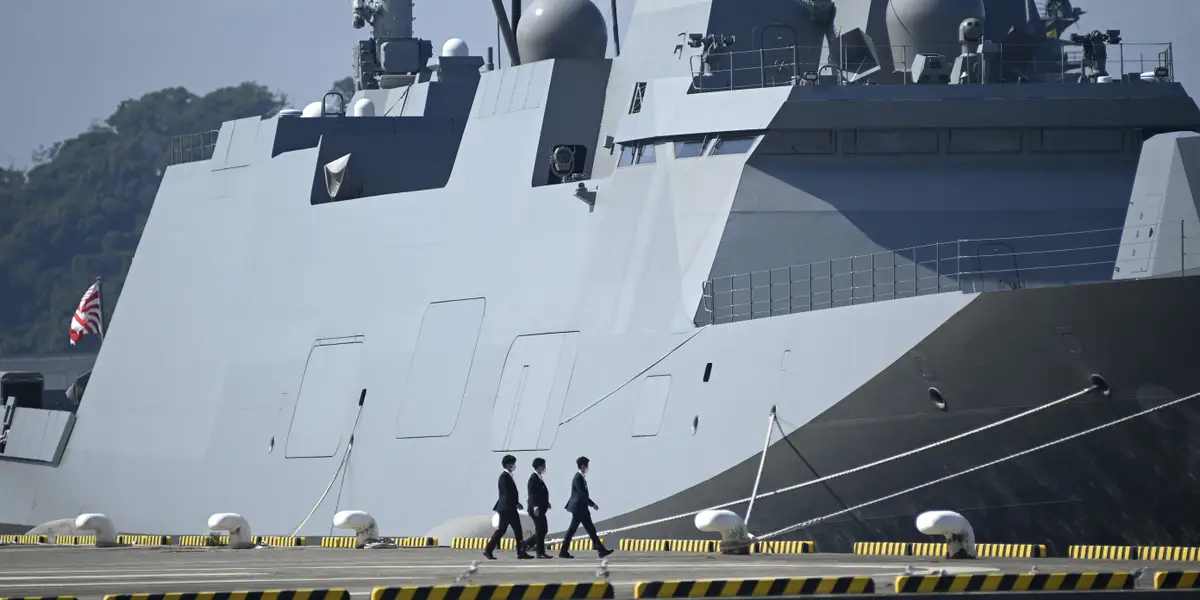
Japan's Mogami-class frigate has secured its first-ever export deal, with Australia purchasing 11 ships for $6.5 billion, marking a significant milestone in Japan's post-WWII weapons industry revival and its growing military ties with Australia amid regional tensions.
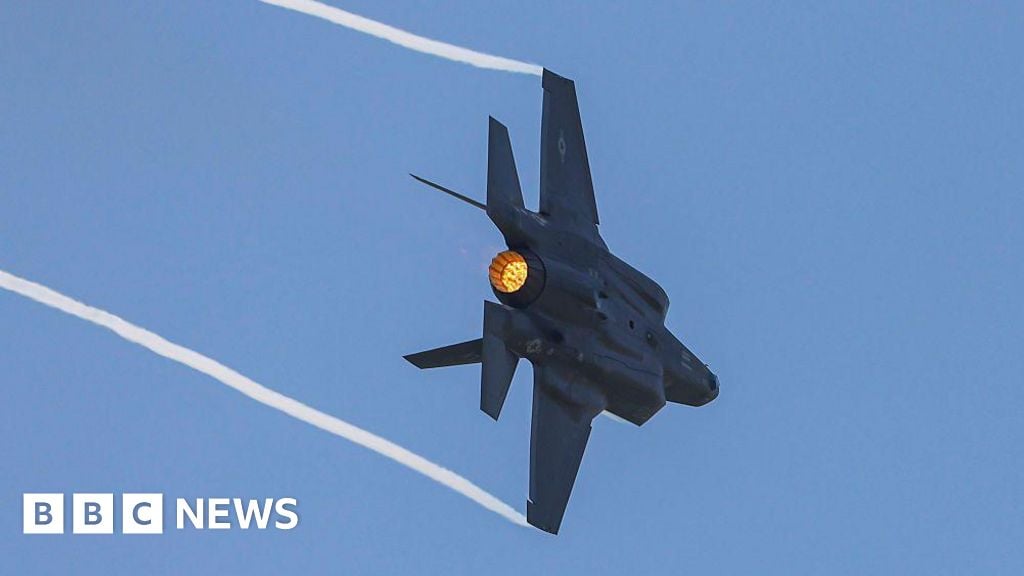
The UK's High Court ruled that it cannot prevent the export of UK-made F-35 parts to Israel, despite concerns over their potential use in violations of international law in Gaza. The decision emphasizes the government's constitutional authority over defense collaborations and highlights ongoing debates about arms exports and international law. Human rights groups are considering an appeal.
Japan has announced that it will prepare to ship Patriot air defense missiles to the United States after revising its arms export guidelines, marking the country's first major overhaul of such export curbs in nine years. The move comes as Japan seeks to boost its defense industry and strengthen the Japan-U.S. alliance amid an increasingly tense security environment in the Indo-Pacific. While the new export controls still prevent Japan from shipping weapons to countries at war, it indirectly benefits Ukraine in its conflict with Russia by providing the United States with extra capacity to provide military aid to Kyiv. The revised guidelines now allow Japan to export completed products to countries where patent holders are based, with re-exports to third countries requiring permission from Tokyo.
Japan has eased its arms export curbs to allow the sale of Patriot missiles to the United States, marking a significant shift in the country's defense policy. This move comes as Japan seeks to strengthen its security alliance with the US amid growing concerns over regional security threats, particularly from North Korea and China. The decision to relax the restrictions reflects Japan's willingness to contribute to international security efforts and enhance its defense capabilities.
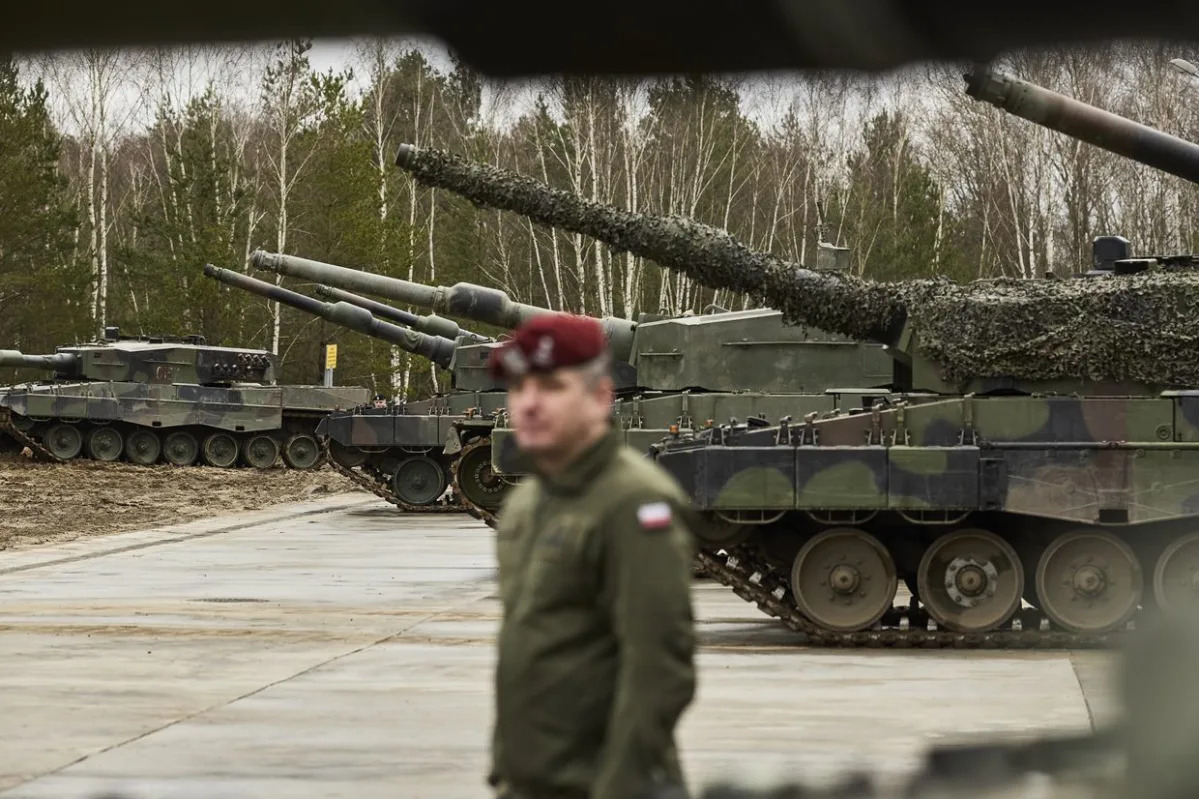
Switzerland has approved the transfer of 25 decommissioned Leopard 2 tanks to Germany, on the condition that they remain within EU or NATO member states and not be sent to Ukraine. The tanks will be returned to their original manufacturer, Rheinmetall. Swiss law prohibits the delivery of Swiss weapons to combat zones, in line with the country's neutrality policy. The Swiss parliament has consistently rejected proposals to amend rules regarding the re-export of Swiss-made weapons to Ukraine.
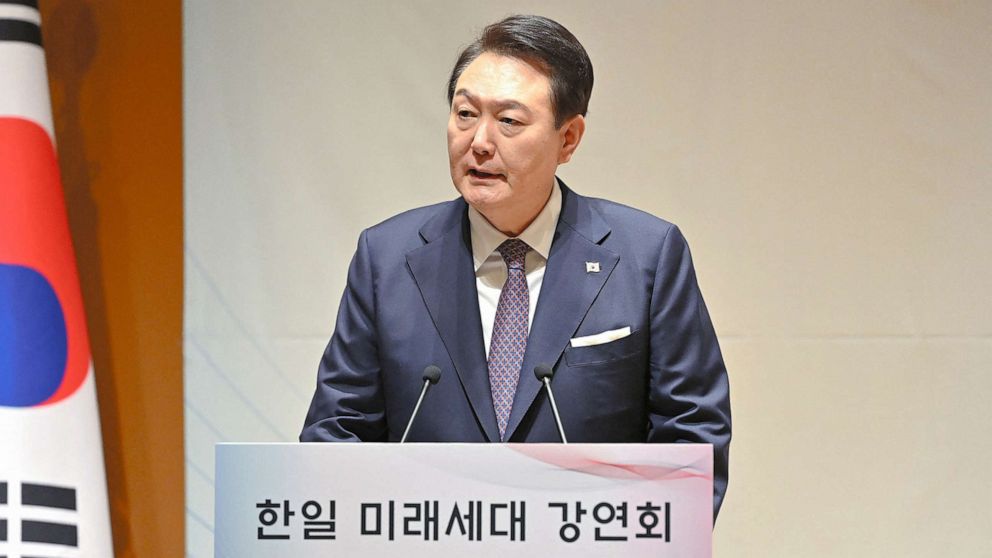
South Korea's arms exports deal to Poland, which includes tanks, fighter jets, howitzers, and multiple rocket launchers, will continue as planned amid controversy over President Yoon Suk Yeol's comments on sending weapons directly to Ukraine if a large-scale attack on civilians is carried out by Russia. Hanwha Aerospace, the largest defense company in South Korea, accounts for more than half of overseas arms exports in the country. The arms exported to Poland include 180 K2 main battle tanks by Hyundai Rotem and Hanwha Aerospace's 672 K9 A1 self-propelled howitzers.
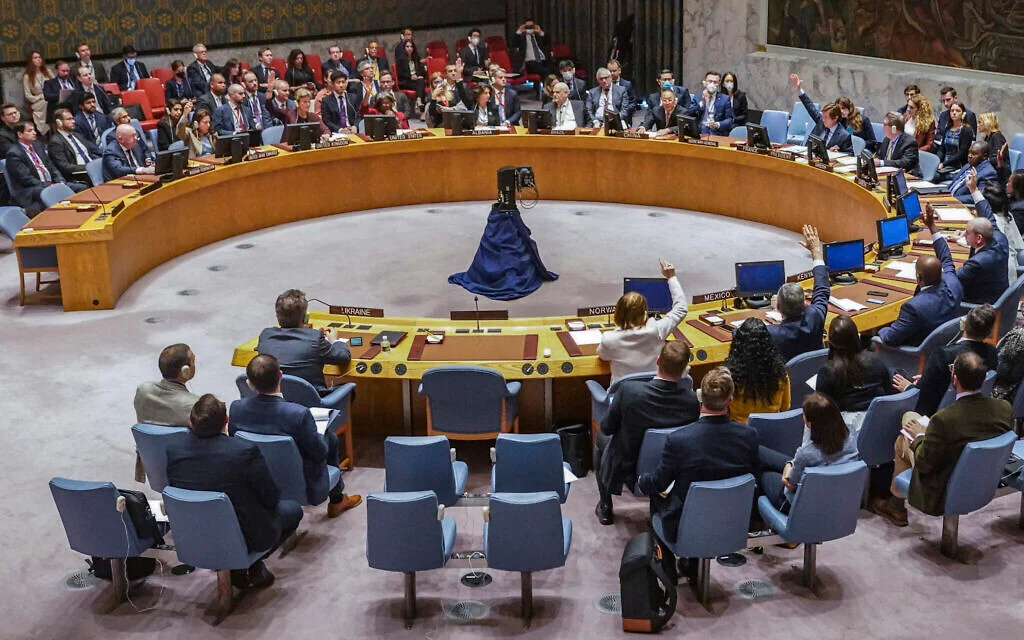
Russia has taken over the rotating presidency of the United Nations’ Security Council for a month, with Ukraine's envoy calling it an "April Fool's Day joke." Russia will be permitted to hold its own sessions at the council, with plans to hold three, including one on "risks stemming from the violations of the agreements regulating the export of weapons and military equipment." The US, UK, and France are expected to downgrade their participation in Russian-sponsored events held by the panel. The move has been criticized by many, with concerns raised about Russia's behavior during the presidency.
India says Russia has not fulfilled a weapons delivery contract due to its involvement in the war in Ukraine, which has affected its ability to export weapons. Russia is struggling to supply its own army in Ukraine and is facing ammunition and equipment shortages. India relies heavily on Russia for its arms supply, with Russia being its largest arms supplier. The delayed delivery reportedly includes two S-400 Triumf air-defense systems, which would have completed an order for five systems worth $5.4 billion.