Tag

Arcturus Variant

All articles tagged with #arcturus variant

Decoding XBB.1.16: The Latest COVID Variant from Omicron's Lineage.

Originally Published 2 years ago — by SciTechDaily

Featured image for Decoding XBB.1.16: The Latest COVID Variant from Omicron's Lineage.
Source: SciTechDaily

The Arcturus variant (XBB.1.16) of COVID-19, a subvariant of Omicron first identified in India, has now been detected in 34 countries including the UK. With its increased transmissibility likely due to its ability to evade immunity from vaccinations and prior infections, the variant has led to a surge in cases, especially in India. While there’s no data on vaccine efficacy against Arcturus, it is not currently believed to be more severe than previous variants, and scientists are developing vaccines to counter such emerging strains.

New COVID-19 variant 'Arcturus' linked to conjunctivitis.

Originally Published 2 years ago — by The Guardian

Featured image for New COVID-19 variant 'Arcturus' linked to conjunctivitis.
Source: The Guardian

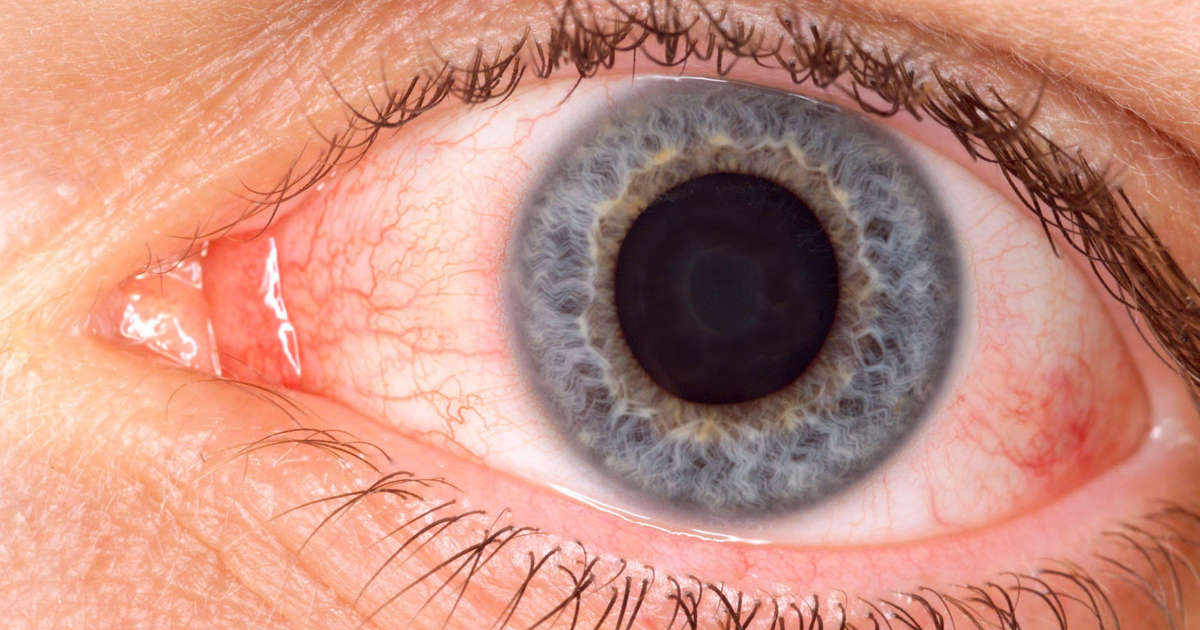
A new Covid variant called "Arcturus" has been suggested to be linked with conjunctivitis, but infectious disease experts say it is part of the normal trajectory for such a virus and should not prompt concerns about a return to earlier stages of the pandemic. The Arcturus strain is not a "variant of concern" because it does not appear to be more severe than other variants, and the Covid vaccines appear to protect well against it. People should continue to take precautions such as vaccines, masking, and rapid tests to combat the virus.

COVID-induced pink eye leads to discovery of pus-filled 'pseudomembrane' in man's eye.

Originally Published 2 years ago — by msnNOW

Featured image for COVID-induced pink eye leads to discovery of pus-filled 'pseudomembrane' in man's eye.
Source: msnNOW

A man experienced a severe case of pink eye caused by COVID-19, which required the removal of a layer of pus from his eye. Experts are concerned that the new Arcturus variant may be causing more cases of viral pink eye. Itchy, watery, or red eyes may be a sign of a COVID-19 infection.

"Arcturus COVID Variant with Pink Eye Symptom Detected in Bay Area"

Originally Published 2 years ago — by KQED

Featured image for "Arcturus COVID Variant with Pink Eye Symptom Detected in Bay Area"
Source: KQED

The Arcturus variant of COVID-19, which is expected to be more transmissible than past variants, has been detected in the Bay Area through wastewater surveillance systems and is set to be the dominant strain by summer. The variant differs from previous strains by having an extra protein, but there is little evidence that infections with this variant are more severe. Older populations are most at risk of serious illness, hospitalization or death. Health experts recommend staying up-to-date on vaccinations and getting tested if feeling sick.

"Arcturus COVID Variant: Symptoms and Concerns"

Originally Published 2 years ago — by AL.com

Featured image for "Arcturus COVID Variant: Symptoms and Concerns"
Source: AL.com

The Arcturus subvariant of COVID-19, also known as XBB.1.16, is spreading rapidly in the US and is expected to outpace the current dominant strain by summer due to its high transmissibility. While it is currently classified as a "variant under monitoring," it is presenting with a higher prevalence of pink eye as a symptom, along with higher fevers. Other symptoms reported in children include high fever and cough. Classic COVID symptoms such as fever, cough, and shortness of breath are also present.

Arcturus COVID Variant: Symptoms to Watch Out For

Originally Published 2 years ago — by Healthline

Featured image for Arcturus COVID Variant: Symptoms to Watch Out For
Source: Healthline

The new Arcturus variant of COVID-19 can present with a new symptom - conjunctivitis, also known as pink eye. Conjunctivitis is irritation of the eye and the eyelid, oftentimes associated with viruses, allergies, or bacterial infections. It can be challenging to tell the difference between viral and allergic conjunctivitis as seasonal allergies have arrived and they can result in similar symptoms. If you are experiencing conjunctivitis symptoms, it would be beneficial to test yourself for COVID-19. Although there has not been a documented correlation scientifically between Arcturus and conjunctivitis, there have been enough cases of conjunctivitis with COVID-19 that it is very plausible.

'Arcturus': The Latest COVID-19 Variant with Unique Symptoms

Originally Published 2 years ago — by WFTV Orlando

Featured image for 'Arcturus': The Latest COVID-19 Variant with Unique Symptoms
Source: WFTV Orlando

The World Health Organization has identified a new COVID-19 variant, XBB.1.16 or "Arcturus," which is currently classified as a "variant under monitoring." The Arcturus variant has a higher transmissibility rate than previous strains and is responsible for a surge in COVID case counts in some parts of the world, including India, where itchy or "sticky" eyes have been most frequently reported in children, along with typical flu-like symptoms of a cough, cold, and fever. The new variant brings with it an all-new COVID-19 symptom: conjunctivitis, also known as pink eye, which is often combined with itchiness.

"Understanding the Arcturus COVID Variant: Symptoms and Threats"

Originally Published 2 years ago — by CBS News

Featured image for "Understanding the Arcturus COVID Variant: Symptoms and Threats"
Source: CBS News

The "Arcturus" COVID variant, also known as XBB.1.16, has been climbing in prevalence around the US and globally, but health officials say it does not seem to be causing new or worse symptoms compared to other variants. Some have pointed to "pink eye" as a potential new symptom caused by the variant, but health authorities have downplayed this, saying it is a known symptom of COVID-19. Preliminary analyses suggest that vaccines may still be effective against the variant, and federal officials think a single vaccine recipe might be able to boost against all of them this fall.

Understanding the Arcturus COVID Variant: What You Need to Know

Originally Published 2 years ago — by The Hill

Featured image for Understanding the Arcturus COVID Variant: What You Need to Know
Source: The Hill

The Arcturus subvariant of the omicron variant has been spreading in several countries, including the US, and has been designated a variant of interest by the WHO. While it has been observed to be more effective at escaping an immune response, no changes in the severity of the virus have been reported. The subvariant may cause pinkeye, a symptom previously not commonly seen as connected to COVID-19. Experts caution against drawing conclusions and recommend getting vaccinated and tested if experiencing symptoms. WHO warns Arcturus could become dominant in some countries and present more cases because of its “growth advantage” and ability to escape immune responses.

"Arcturus COVID Variant: Symptoms, Spread, and Treatment Explained"

Originally Published 2 years ago — by CBS News

Featured image for "Arcturus COVID Variant: Symptoms, Spread, and Treatment Explained"
Source: CBS News

Health authorities are monitoring the XBB.1.16 sublineage, also known as the "Arcturus" variant, which has gradually increased in prevalence around the world and makes up around 9.6% of virus circulating nationwide in the US. The variant is similar to previous strains and does not seem to cause new or worse symptoms, including "pink eye," which is already a known symptom of COVID-19. Preliminary analyses suggest that current vaccines may be effective against the variant, and federal officials believe a single vaccine recipe may be able to boost against all variants this fall. While the variant may spread more globally and cause a rise in incidence, COVID-19 metrics are currently trending downward in the US.

Arcturus: The New COVID Variant of Concern

Originally Published 2 years ago — by NBC Chicago

Featured image for Arcturus: The New COVID Variant of Concern
Source: NBC Chicago

The Arcturus variant of COVID-19, also known as XBB.1.16, may be causing a new symptom of conjunctivitis, which can cause red, itchy eyes or pink eye. The variant is responsible for an estimated 9.6% of current cases in the United States and has caused increases in cases in India. However, there is no evidence that the variant leads to more serious illness or increased hospitalizations. Experts advise residents to take proper precautions, including taking COVID tests if they experience symptoms and to wash hands frequently.

"Florida Reports Arcturus COVID Variant with Unusual Symptom"

Originally Published 2 years ago — by Orlando Sentinel

Featured image for "Florida Reports Arcturus COVID Variant with Unusual Symptom"
Source: Orlando Sentinel

A new COVID-19 variant known as XBB.1.16 or arcturus, which was first detected in India, is spreading in Florida and may be more contagious than other subvariants. Doctors are reporting that the strain may be linked to a rise in red itchy eyes, a potential symptom of the virus. However, it is unlikely that conjunctivitis would be the only symptom associated with a COVID-19 infection. Arcturus makes up as much as 5% of new COVID cases in Florida and is responsible for 9.6% of new infections in the US. Public health experts believe arcturus' percentage will increase in the coming weeks, possibly setting it up to become the next dominant coronavirus strain in the United States.

"Florida Reports Arcturus COVID Variant with Unusual Symptom"

Originally Published 2 years ago — by South Florida Sun Sentinel

Featured image for "Florida Reports Arcturus COVID Variant with Unusual Symptom"
Source: South Florida Sun Sentinel

A new COVID-19 variant known as XBB.1.16 or arcturus, which was first detected in India, is spreading in Florida and is responsible for up to 5% of new COVID cases in the state. The variant appears to be more contagious than other subvariants and may be linked to a rise in red itchy eyes, a potential symptom of the virus. Doctors are reporting that children are coming in with “itchy conjunctivitis with sticky eyes, not seen in earlier waves.” However, health experts say it’s unlikely conjunctivitis would be the only symptom associated with a COVID-19 infection. Public health experts believe arcturus’ percentage will increase in the coming weeks in Florida and other parts of the country, possibly setting it up to become the next dominant coronavirus strain in the United States.

Oregon braces for potential COVID-19 surge in May and June.

Originally Published 2 years ago — by Statesman Journal

Featured image for Oregon braces for potential COVID-19 surge in May and June.
Source: Statesman Journal

Oregon is expected to experience a new wave of COVID-19 hospitalizations in May due to the highly contagious Arcturus variant, according to state health officials. However, COVID-19 cases, deaths, and hospitalizations are currently trending downward in Oregon and nationally. The Arcturus variant has not yet been identified in Oregon, but it is the most transmissible COVID variant to-date. Oregon Health & Science University predicts COVID-19 hospitalizations statewide will begin in May and peak at about 500 at the end of June. The federal emergency is set to end on May 11, and as a result, OHA will no longer hold FEMA funded community vaccination events.

Chicago's Top Doctor Warns of Arcturus' Highly-Transmissible COVID-19 Variant

Originally Published 2 years ago — by NBC Chicago

Featured image for Chicago's Top Doctor Warns of Arcturus' Highly-Transmissible COVID-19 Variant
Source: NBC Chicago

Dr. Allison Arwady, commissioner of the Chicago Department of Public Health, says that current COVID boosters are still providing protection against the "Arcturus" variant, which could potentially cause conjunctivitis. The World Health Organization has considered the strain a "variant under monitoring" since March 22, and as of Friday, cases have been confirmed in around 20 countries. Arwady says that residents should focus on getting new booster shots if they haven't already, and said that the bivalent boosters that became available in the fall should still provide protection. Despite COVID rates being at a low level, doctors still insist that people adhere to COVID prevention measures.