Tag

Archaeological Science

All articles tagged with #archaeological science

science1 year ago

"Unveiling Stonehenge's Mystery: A Breathtaking 3D 'Acoustic' Model Reveals the Truth"

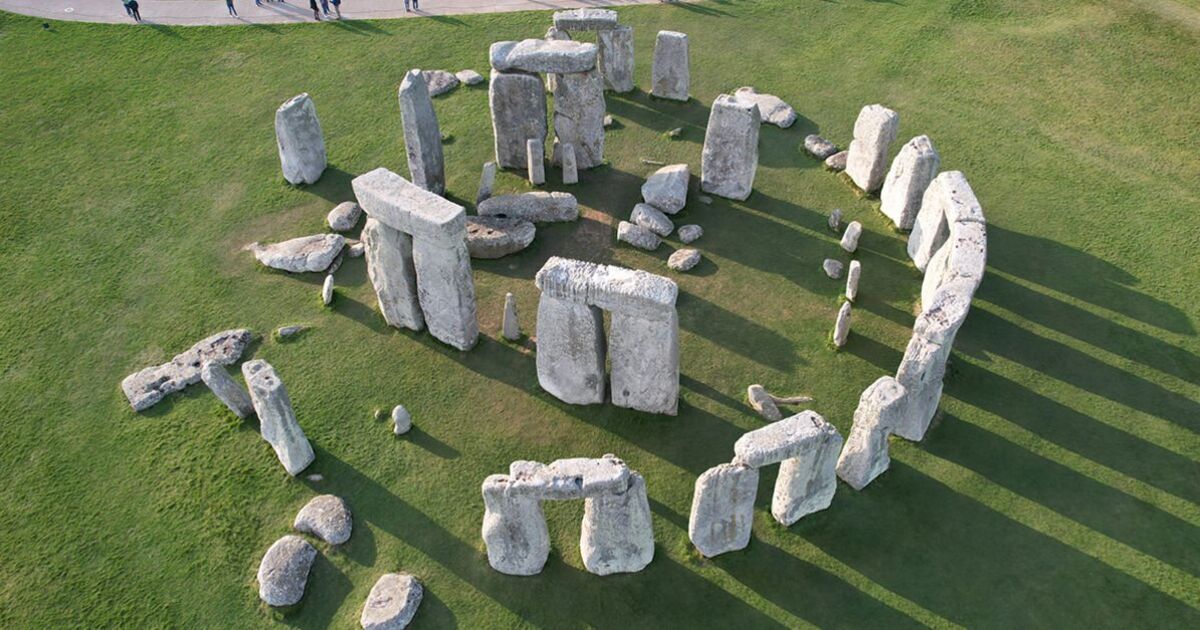
Researchers have created a 3D scaled-down model of Stonehenge to explore its acoustic properties, aiming to mimic ancient ceremonies at the site. The model, named 'Stonehenge Lego,' was constructed using laser scans and 3D printing technology, with replicas of 27 stones and 130 additional elements. The model demonstrated that the structure may have acted as an acoustic chamber, enhancing auditory experiences within its confines for ceremonial or funerary purposes. This study sheds new light on how the monument might have been used in prehistory, using modern techniques to uncover insights about the distant past.
archaeology1 year ago

"Experimental Archaeology: Using Stone Age Tools to Uncover Ancient Techniques"

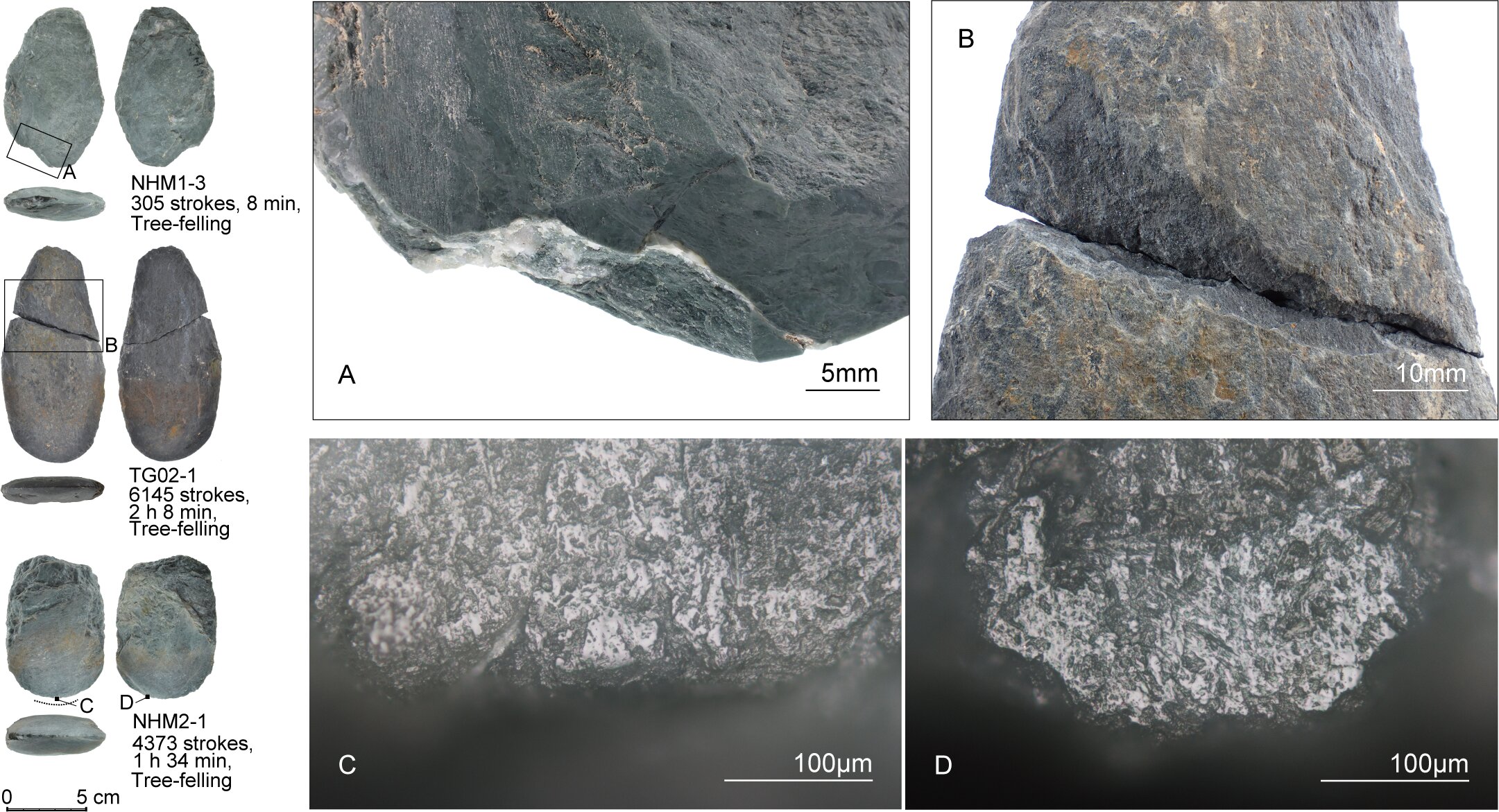
Researchers from Tokyo Metropolitan University conducted experiments with replica Stone Age tools to understand how different activities create traces on the edges. They found that a combination of macroscopic and microscopic traces can help identify the use of stone edges, particularly for wood-felling. This study may change our understanding of early human woodworking technology and how it spread into different environments.

archaeology1 year ago

"Revealing the Identities of Alexander the Great's Family in Ancient Greek Tombs"

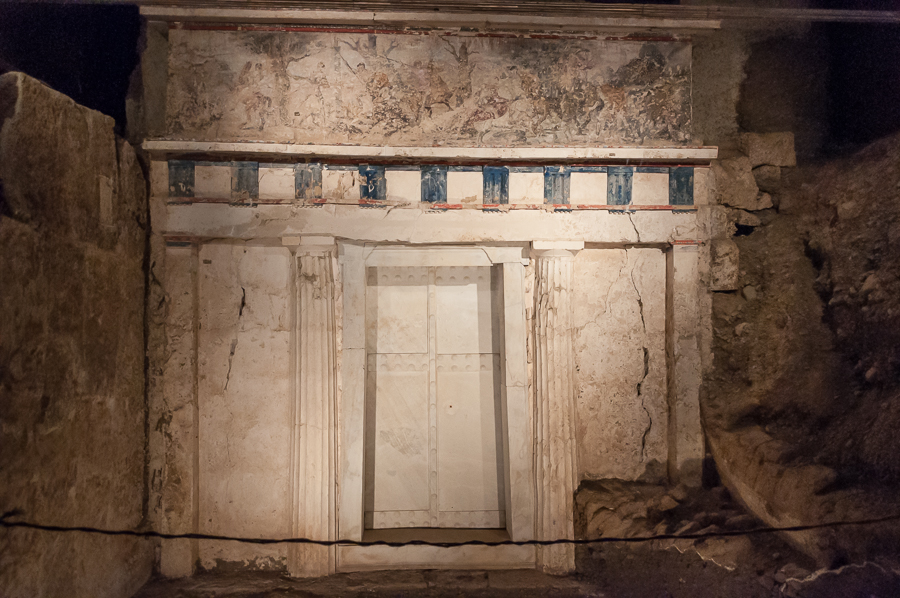
The occupants of the 4th-century BCE Royal Tombs at Vergina in northern Greece have been identified as Alexander the Great’s father, King Philip II, his wife Cleopatra, and their newborn child in Tomb I; King Arrhidaeus and his wife Adea Eurydice in Tomb II; and Alexander the Great’s teenage son, Alexander IV, in Tomb III. The identification was made through osteological analyses, historical sources, and examination of skeletal elements, with evidence supporting the conclusion that Tomb I belongs to King Philip II, Tomb II to King Arrhidaeus, and Tomb III to Alexander IV.

archaeology2 years ago

Reevaluating the Neanderthal 'Flower Burial': New Pollen Study Challenges Previous Findings

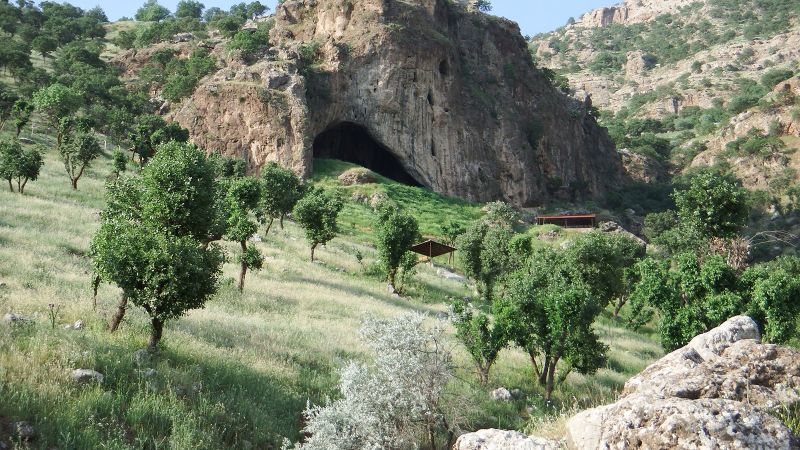
A new study challenges the long-held belief that Neanderthals buried their dead with flowers. The hypothesis was based on the discovery of pollen clumps near a Neanderthal skeleton in Shanidar Cave in 1960. However, recent research suggests that the pollen might have been brought into the cave by bees, rather than intentionally placed by Neanderthals. Analysis of the pollen and its composition cast doubt on the original flower burial theory. Nevertheless, the study supports the idea that Neanderthals treated their dead with care, as evidenced by the separate interments and common orientations of the skeletons in the cave.