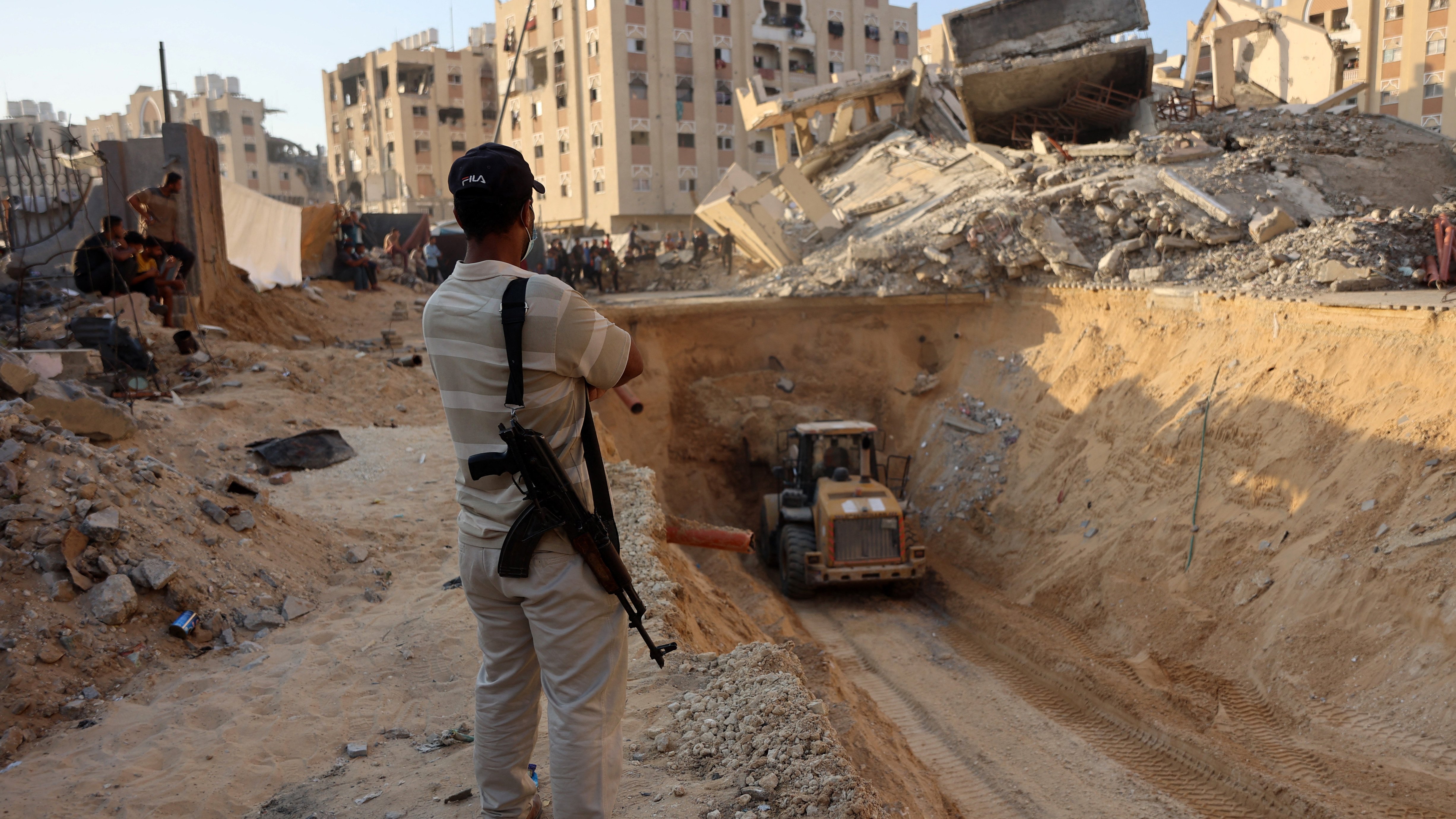
Arab peacekeepers in Gaza face significant challenges and risks, including potential Israeli fire and political complexities, as plans for an international stabilization force progress, with key players like Egypt, Jordan, and the US involved, amid concerns over legitimacy, neutrality, and regional stability.
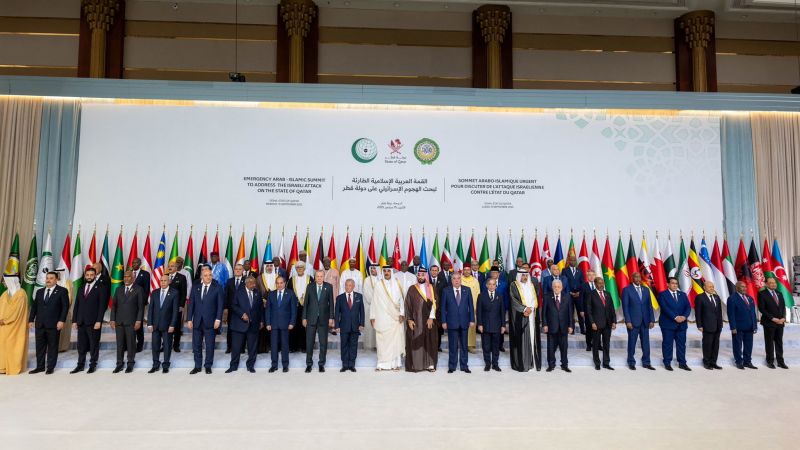
Arab leaders gathered in Doha to show support for Qatar amid Israel's recent strikes on Gaza, but their summit resulted in a vague condemnation without concrete action, highlighting the limited influence of Arab nations despite their wealth and strategic alliances, especially with the US, in addressing the Gaza conflict.
France's foreign minister announced that Arab countries will condemn Hamas and call for its disarmament at the UN, aiming to encourage more European countries to recognize Palestinian statehood, with France planning to do so at the UN General Assembly on September 21. The initiative involves a proposed post-war roadmap for a two-state solution and calls for the removal of the financial blockade on the Palestinian Authority.
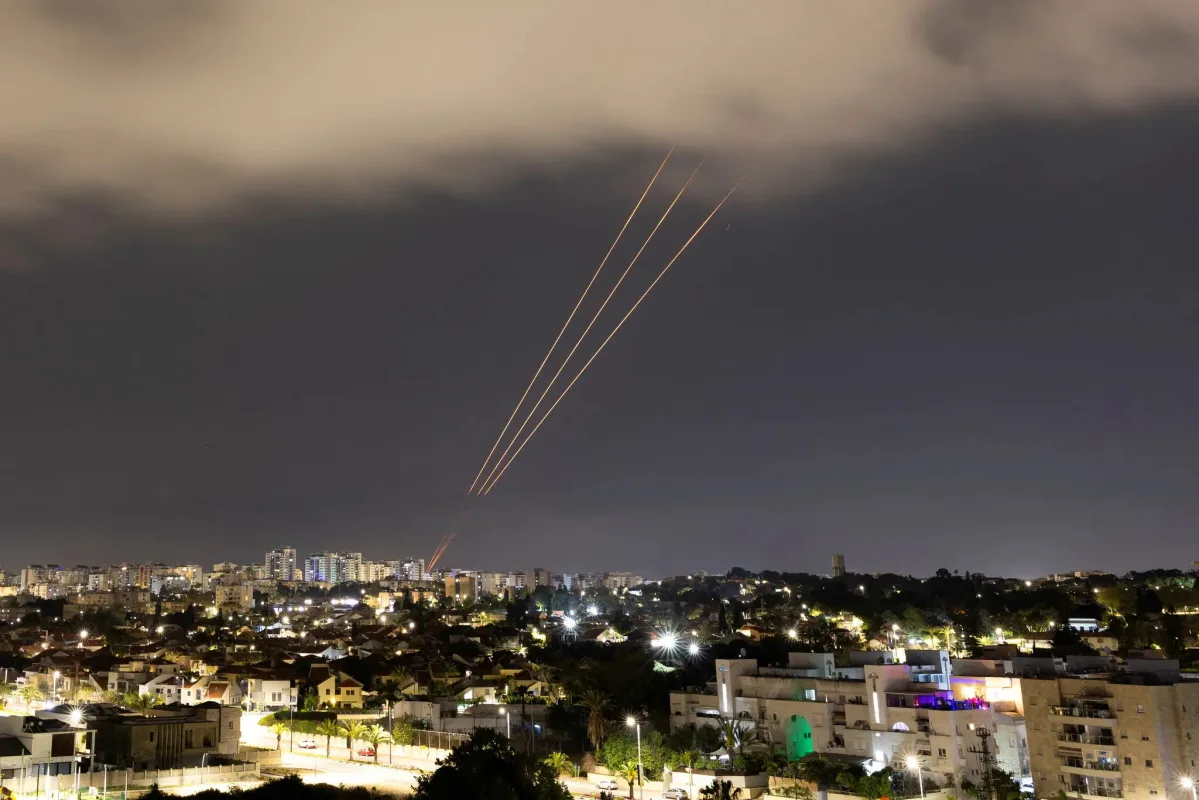
Arab countries fear an expanding conflict as Iran's drone and missile attack on Israel over the weekend has put the entire region on alert, leading to concerns of a direct confrontation between Israel and Iran that could drag the region into a wider conflict. While some Arab countries urge de-escalation and seek diplomatic solutions, others are divided over their ties to the United States and Iran. The war in Gaza has strained relations between Israel and some Arab states, but none have completely cut off ties. Qatar and Oman are actively involved in shuttle diplomacy to bring about a cease-fire in Israel and renew diplomatic efforts between Iran and the United States.
The foreign ministers of Saudi Arabia, Qatar, the United Arab Emirates, and Iraq were urged by the US to relay a message to Iran to avoid escalating tensions with Israel, which could hinder efforts to reach a ceasefire in Gaza, following talks with President Biden's senior adviser on Middle East affairs.
Israel is reportedly in talks with the United States to establish a peacekeeping force in Gaza, potentially including soldiers from three Arab nations. The force, funded by the US, aims to stabilize the region after the recent conflict and facilitate aid for reconstruction and humanitarian assistance. However, the Biden Administration is hesitant to approve any plans until commitments on a two-state solution are made, and Israel's position remains unclear as they prefer to wait until Hamas is defeated and hostages are released. Defense Minister Yoav Gallant has signaled his intention to continue advancing the project in talks with American counterparts.
U.S. Secretary of State Antony Blinken stated at the Munich Security Conference that there is an "exceptional opportunity" for Israel to normalize ties with Arab states, with "virtually every Arab country" seeking to integrate Israel into the region. Blinken also emphasized the need for urgent progress towards a Palestinian state that ensures Israel's security, mentioning a regional effort to reform the Palestinian Authority.
Ukraine's military spy agency has reported that Russian forces are purchasing Starlink satellite internet terminals in "Arab countries" for use on the battlefield, with an audio intercept revealing Russian soldiers discussing buying units from Arab providers. While Starlink has stated that it does not do business with Russia or operate on Russian territory, Ukrainian officials have expressed concerns about Russian forces increasingly relying on the service during their ongoing invasion.
Five Arab countries are proposing a new agreement in the Gaza Strip, aiming to establish a path towards a Palestinian state in exchange for Saudi Arabia's recognition of Israel and normalization between the two countries. The proposal, submitted to Israel via the US, has been met with resistance from the Israeli government, primarily due to the creation of a Palestinian state.
US Secretary of State Antony Blinken stated that Arab countries are hesitant to participate in the reconstruction of Gaza if the Palestinian enclave is at risk of being destroyed again in the future, emphasizing the need to address the Palestinian statehood issue.
Protesters in several Arab countries, including Jordan and Lebanon, rallied in solidarity with Palestinians in Gaza, expressing their support against the ongoing Israeli military campaign. In Jordan, a large march took place in Amman, while in Lebanon, protesters held a silent sit-in near the French embassy, calling for a ceasefire and displaying body bags representing the civilian casualties in Gaza.
Western fast-food giants like McDonald's, Starbucks, and KFC are being severely affected by a boycott campaign against Israeli products in Arab countries such as Egypt, Jordan, and Turkey. The campaign, which gained momentum after Israel's war on Gaza, targets companies perceived to have pro-Israeli stances or financial ties to Israel. The boycott is spreading to other Arab countries, including Kuwait and Morocco, with calls to shift to local alternatives. The campaign is part of the pro-Palestine Boycott, Divestment and Sanctions (BDS) movement, which aims to cut economic ties with Israel to promote the Palestinian cause.
Western brands, including fast food chains like McDonald's and Starbucks, are facing the impact of a grassroots boycott campaign in some Arab countries over Israel's military offensive in the Gaza Strip. The boycott, largely spread through social media, has led to deserted outlets and a shift towards local alternatives. While the campaign has gained traction in Egypt, Jordan, Kuwait, and Morocco, its impact has been minor in Saudi Arabia and the United Arab Emirates. The targeted brands have refuted allegations of pro-Israeli stances or financial ties to Israel, but the boycott continues to gain momentum.
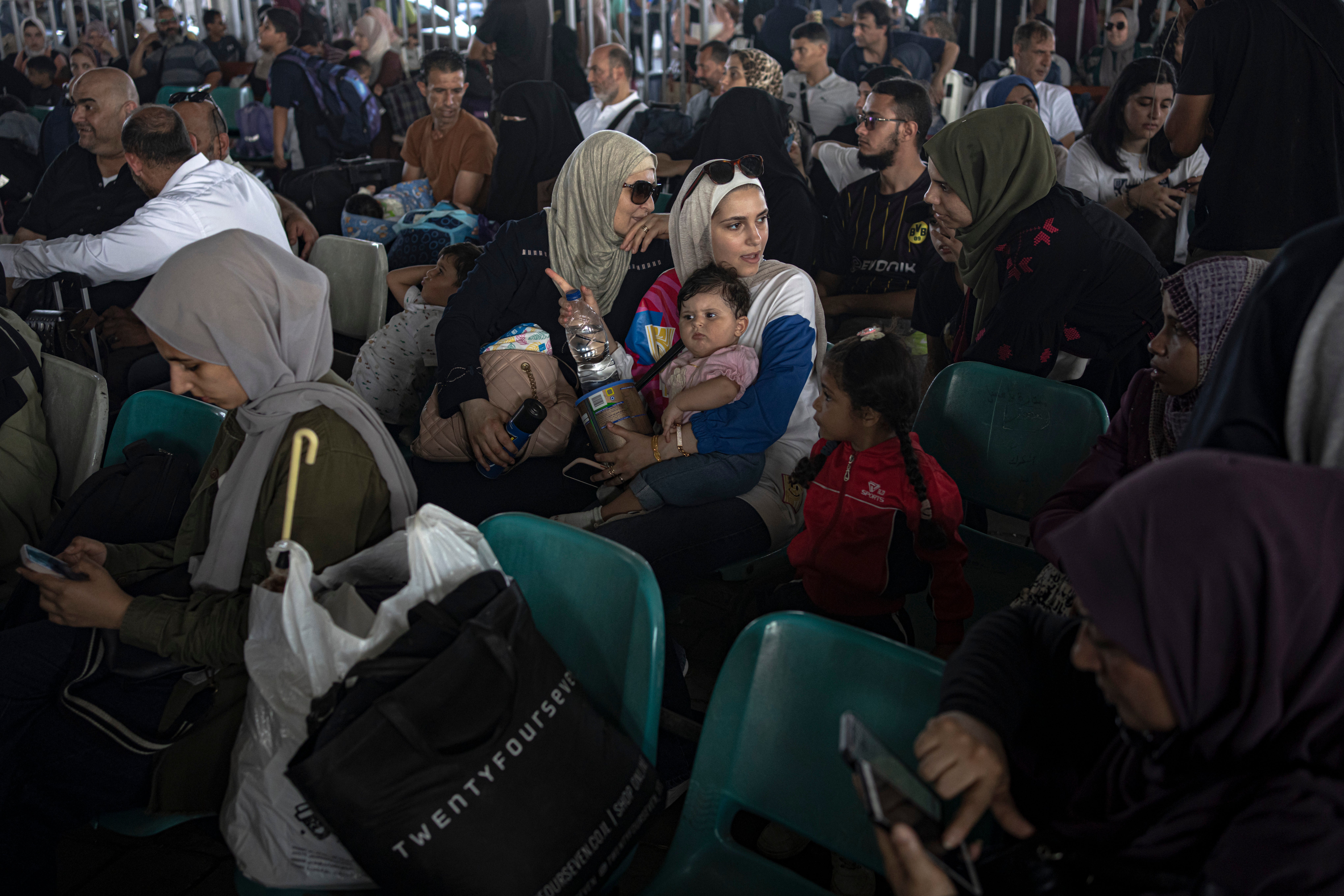
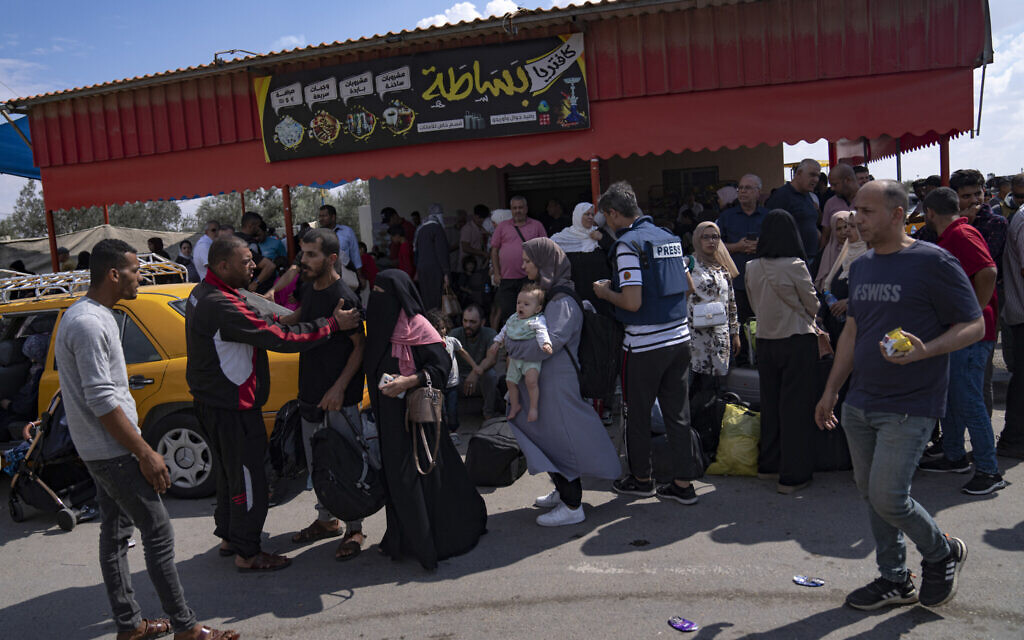
Despite the condemnation of Israel's military response in Gaza at a recent summit of Arab and Muslim states, no immediate solution for the 1.5 million internally displaced Palestinians in Gaza was offered. Arab countries, including those in the Arab Gulf, Jordan, Morocco, and Egypt, have not taken practical steps to help the civilian population due to their aversion to Hamas and concerns that aiding Gaza could inadvertently benefit the organization. Egypt and Jordan, the two Arab countries bordering Israel, have refused to offer refuge to Palestinians from Gaza due to domestic concerns and logistical challenges. The historical and emotional significance of the Nakba, when many Palestinians were forced to flee during Israel's war for independence, also plays a role in Arab countries' reluctance to host Palestinian refugees.
Arab diplomats from countries with ties to Israel expressed horror at the Hamas onslaught in southern Israel, which resulted in the deaths of over 1,400 people. While condemning the attacks, the diplomats criticized Israel's long-standing strategy of ignoring the Palestinian issue. They also noted that Israel's response in Gaza has strained its relationship with some Arab allies. The diplomats expressed concern over calls for Egypt to take in refugees from Gaza, as it could set a precedent for mass transfers of Palestinians from the West Bank into Jordan, which both countries oppose. The diplomats emphasized that despite the Abraham Accords, Arab sympathies and allegiances still lie with the Palestinians.