The article compares NASA's historic Apollo 8 mission in 1968, which famously saved 1968 and inspired the world, with the upcoming Artemis 2 mission in 2026, highlighting the challenges, historical significance, and the potential for renewed space leadership as NASA prepares to send humans around the moon again.

Omega has released an updated version of its Speedmaster Dark Side of the Moon chronograph, paying tribute to NASA's Apollo 8 mission. The new watch features a Saturn V-shaped seconds hand and incorporates design elements inspired by the moon's distant side. Priced at $14,300, the timepiece includes laser-engraved details of the lunar surface and the Apollo 8 mission, and retains the black ceramic bezel and dial from the previous model. The watch also features a yellow-themed design and a perforated strap, and pays homage to the Apollo program with engravings on the caseback.
Omega has unveiled a new version of the Speedmaster Dark Side of the Moon Apollo 8, featuring a black ceramic case, a skeletonized aluminum dial, and a Calibre 3869 movement with a laser-ablated depiction of the Moon. The watch also includes a tiny Saturn V rocket as the running seconds hand, engraved references to the Apollo 8 mission, and a price tag of $14,300. This luxury timepiece offers a unique and striking take on the iconic Speedmaster, making it a standout choice for enthusiasts seeking a distinctive watch.
Actor Tom Hanks discusses his "out of body" experience while watching the 1968 Apollo 8 moon landing mission in an interview with CNN's Christiane Amanpour, coinciding with the opening of a new exhibit at London's Lightroom called "The Moonwalkers."
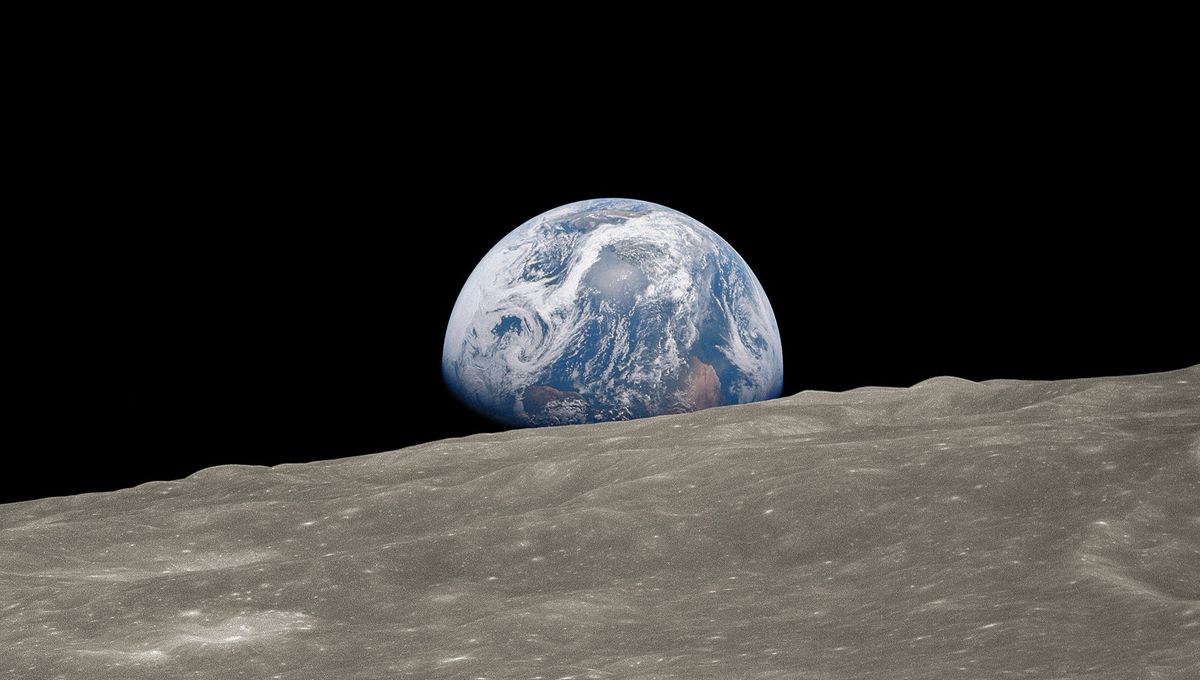
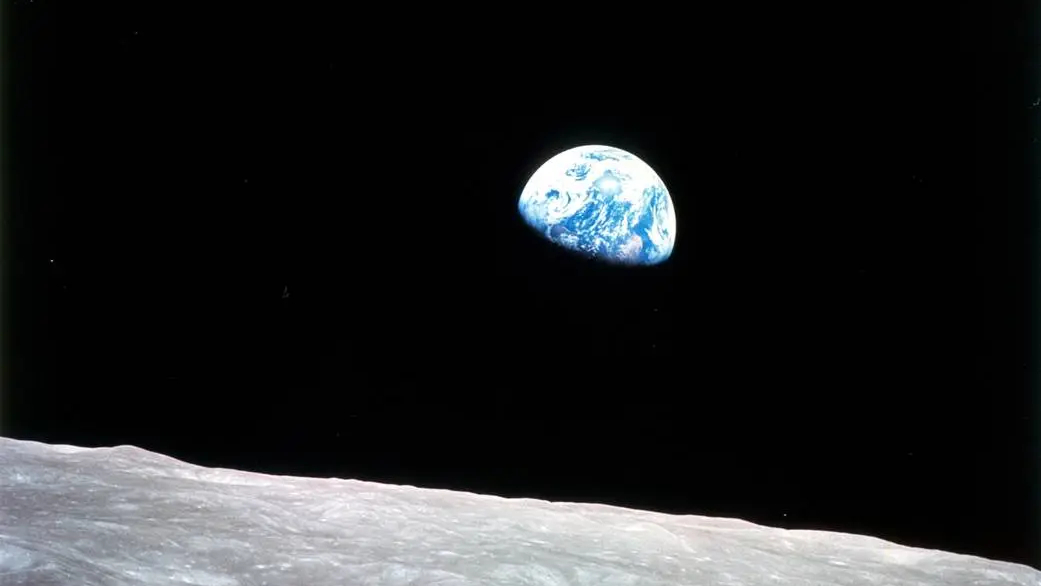
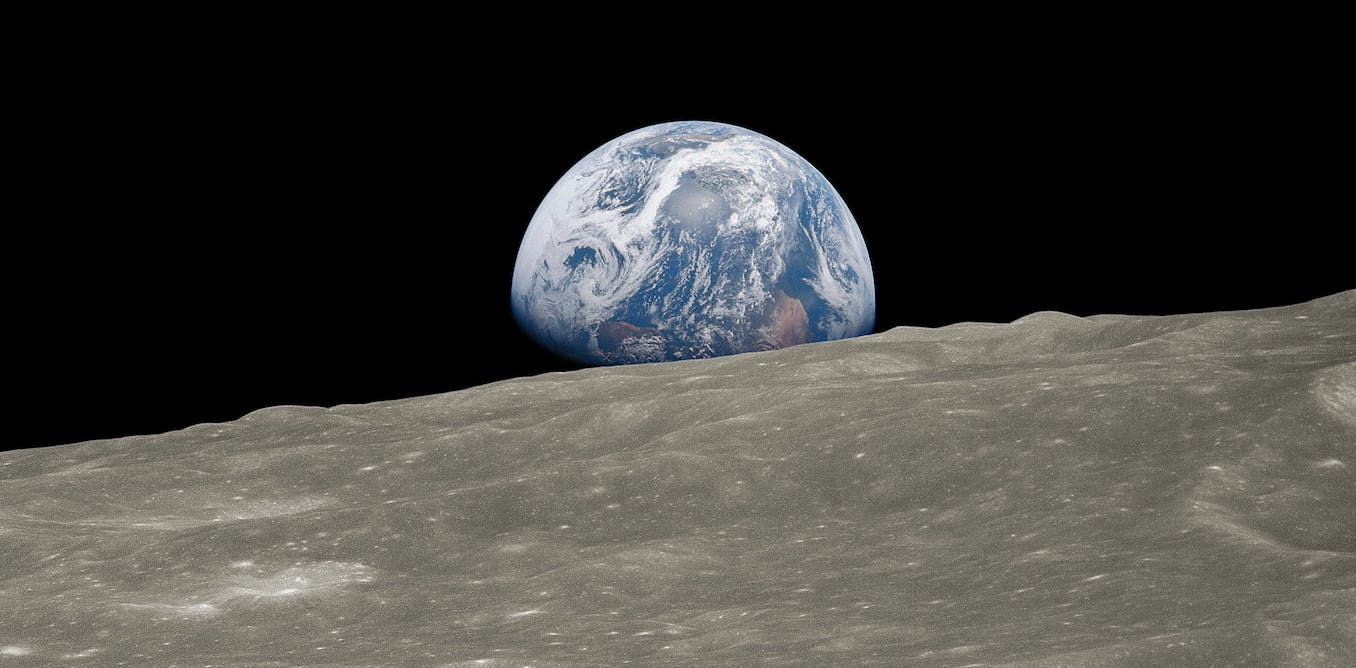
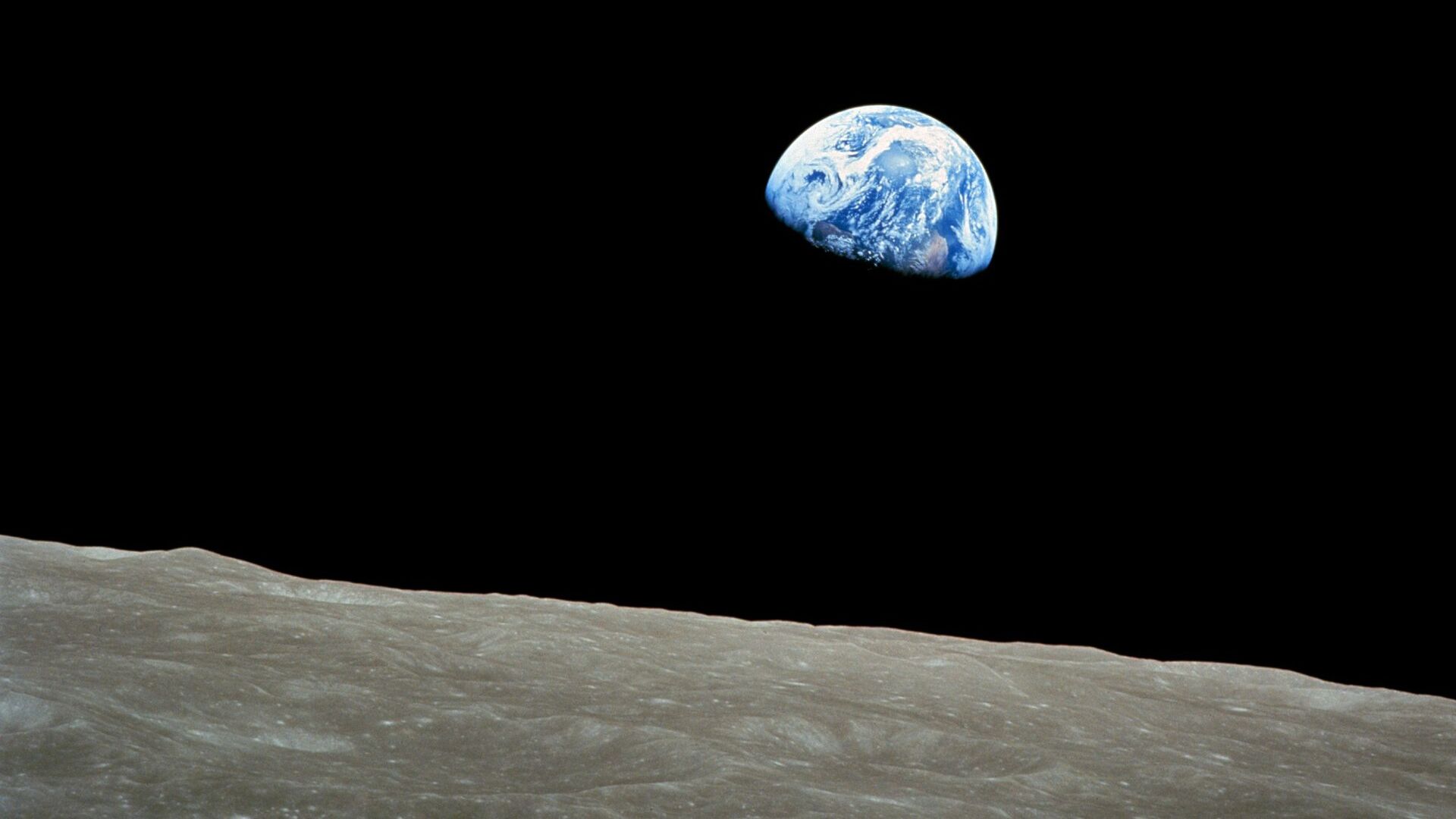
Historian research reveals that the famous "Earthrise" photo taken by the Apollo 8 crew during their mission to the Moon in 1968 was not a spontaneous capture, but rather a planned event. The crew had been briefed extensively on how to set up the camera and were specifically instructed to take a shot of Earthrise. The iconic image, along with the crew's reading from the Book of Genesis during a live broadcast, had a profound impact on the world and highlighted the significance of the mission.
The famous "Earthrise" photo taken during NASA's Apollo 8 mission in 1968 was not a spontaneous capture but a planned event. Detailed research in NASA's archives reveals that the crew had been briefed on how to set up the camera and were instructed to prioritize taking photos of lunar geology. However, the crew managed to capture the iconic image of Earth rising above the lunar horizon, which had a profound impact on viewers. Additionally, the crew's reading from the Book of Genesis during a live broadcast from lunar orbit was not pre-approved by NASA, but the astronauts were given the freedom to decide what to say. The reading, chosen by commander Frank Borman, added a spiritual dimension to the mission.
The true story behind the iconic "Earthrise" photo taken by the Apollo 8 mission in 1968 has been revealed through detailed research in NASA's archives. Contrary to popular belief, the crew was not caught off-guard by the sight of the Earth rising from behind the Moon. The photo was anticipated, and hours were spent briefing the astronauts on how to set up the camera. Additionally, the crew's reading from the Book of Genesis during a live broadcast from lunar orbit was not a spontaneous act but a carefully planned and considered message.
Frank Borman, astronaut and former CEO of Eastern Air Lines, played a crucial role in the Apollo 8 mission and is remembered for the historic Christmas Eve broadcast from lunar orbit. The reading from the book of Genesis during the broadcast touched millions and helped mark mankind's first departure from Earth. Borman's death serves as a reminder of the message conveyed during the Apollo 8 mission, emphasizing the importance of focusing on a larger cause and putting daily squabbles into perspective. The famous "Earthrise" photograph taken during the mission also highlighted the fragility of human existence in the vastness of space.
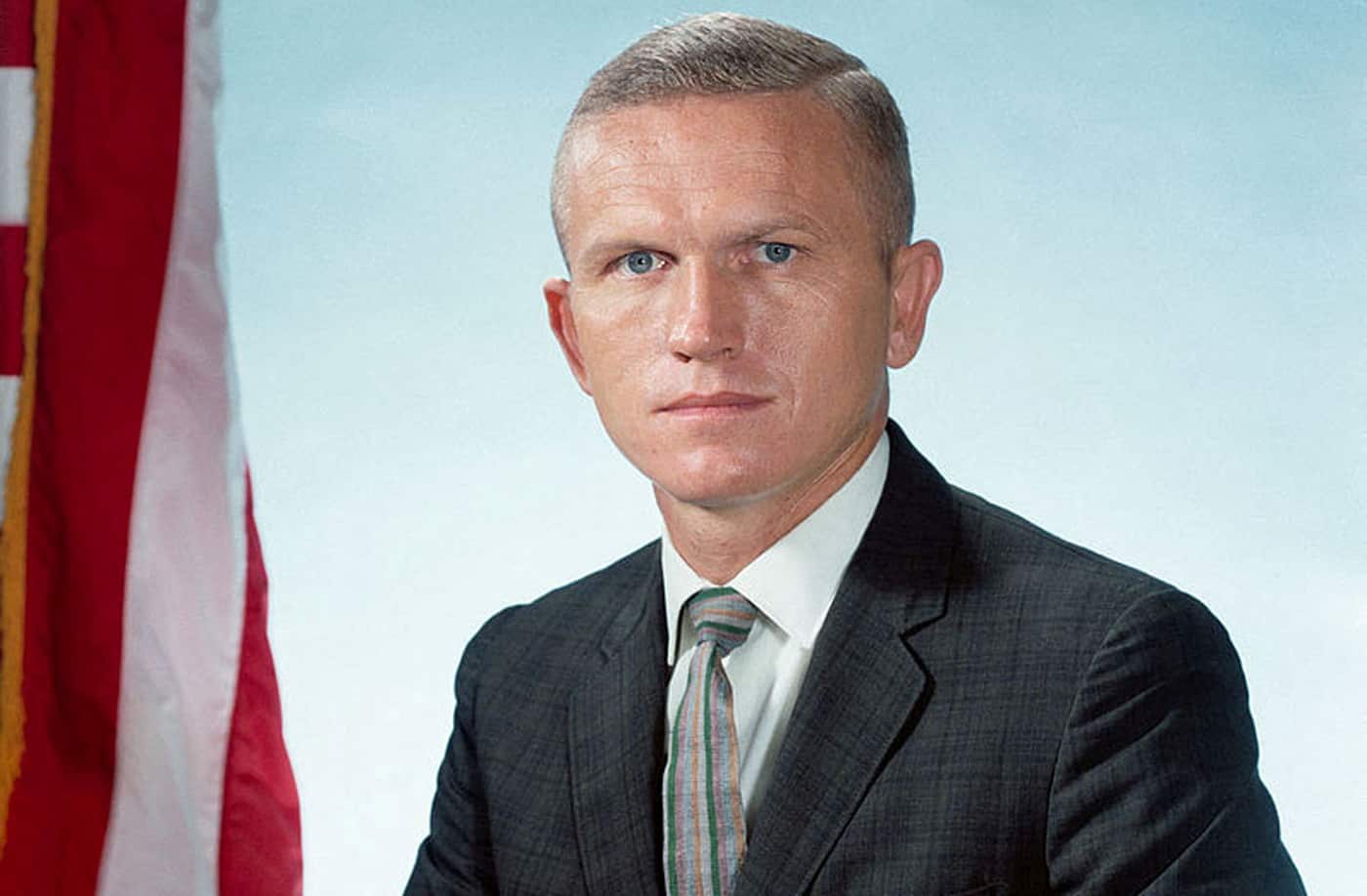
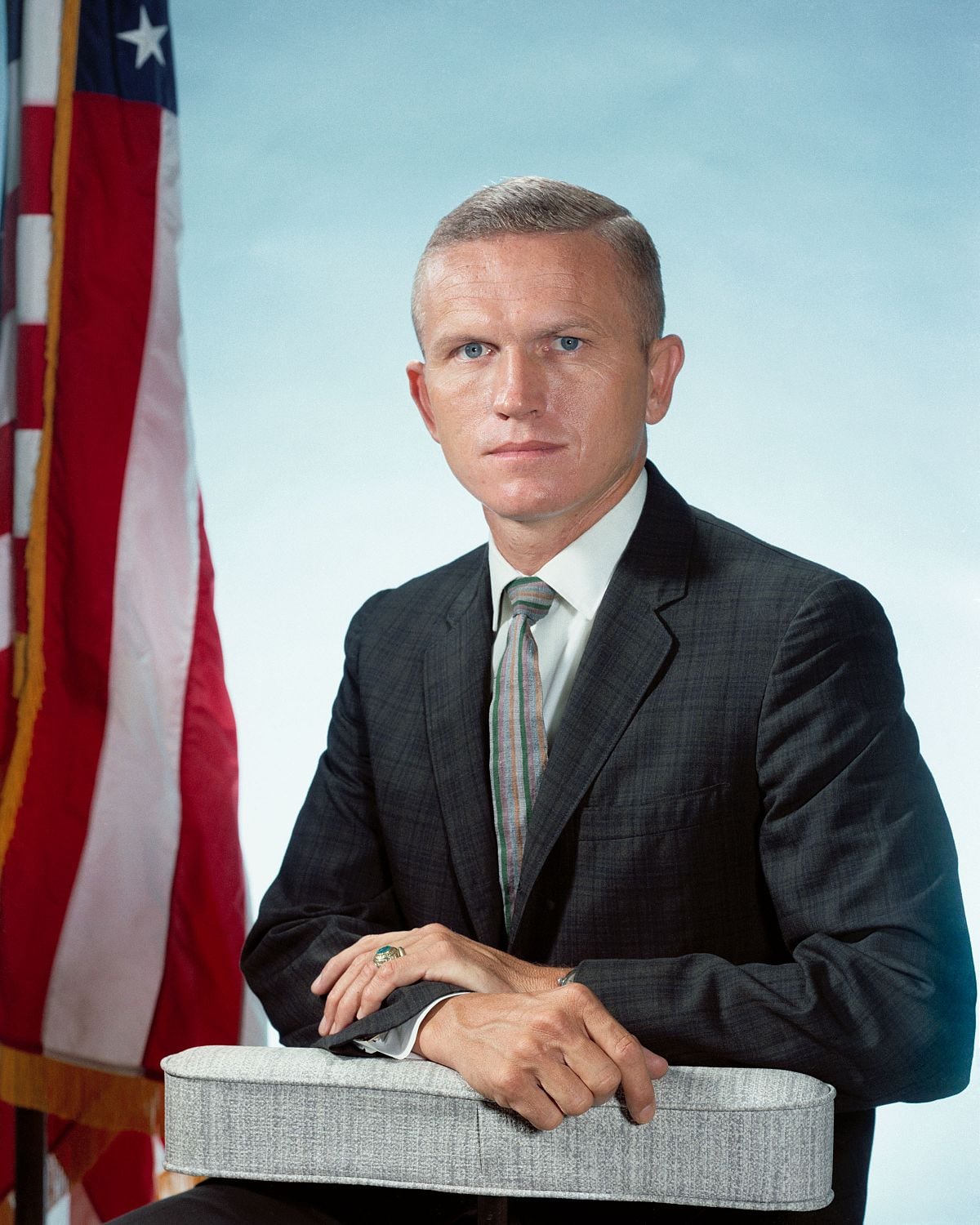
Frank Borman, NASA's oldest living astronaut and a key figure in American space exploration, has died at the age of 95. Borman played a crucial role in two NASA missions, including the historic Apollo 8 mission, the first to orbit a human around the moon. He also contributed to the investigation and reengineering of the Apollo capsule after the Apollo 1 tragedy. Borman's legacy as a pioneer in space exploration and his commitment to the team that outpaced the Soviets will continue to inspire future space explorers.
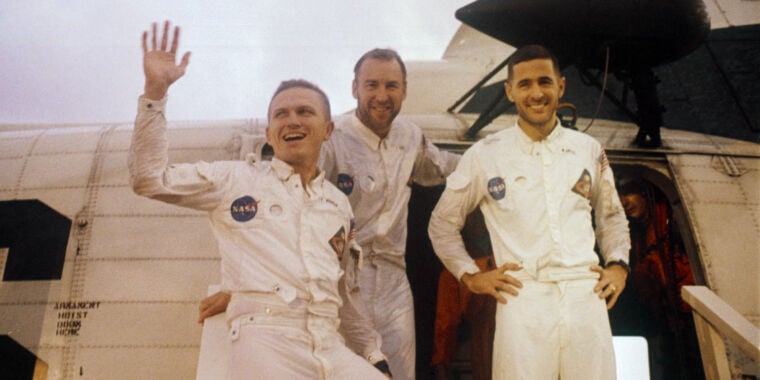
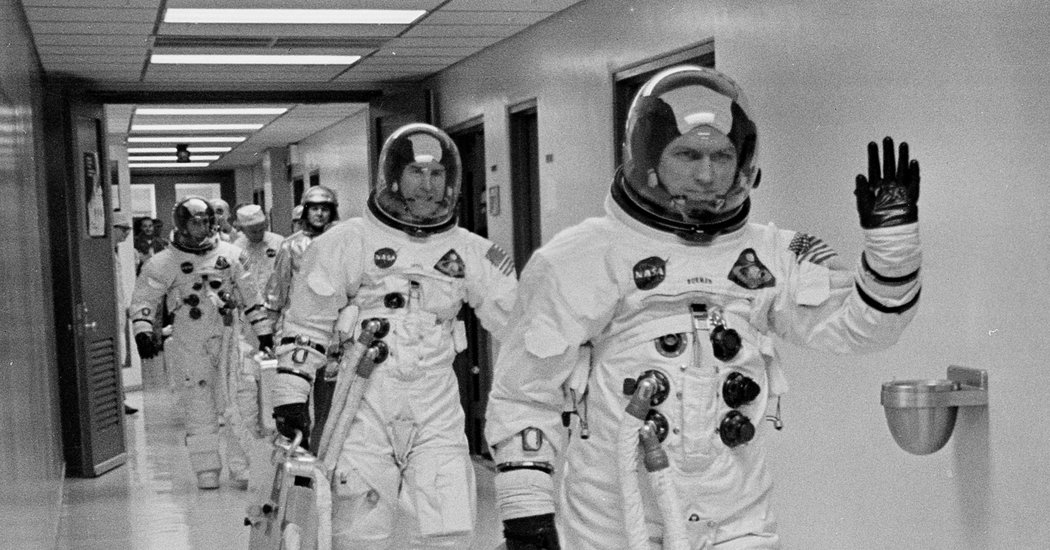
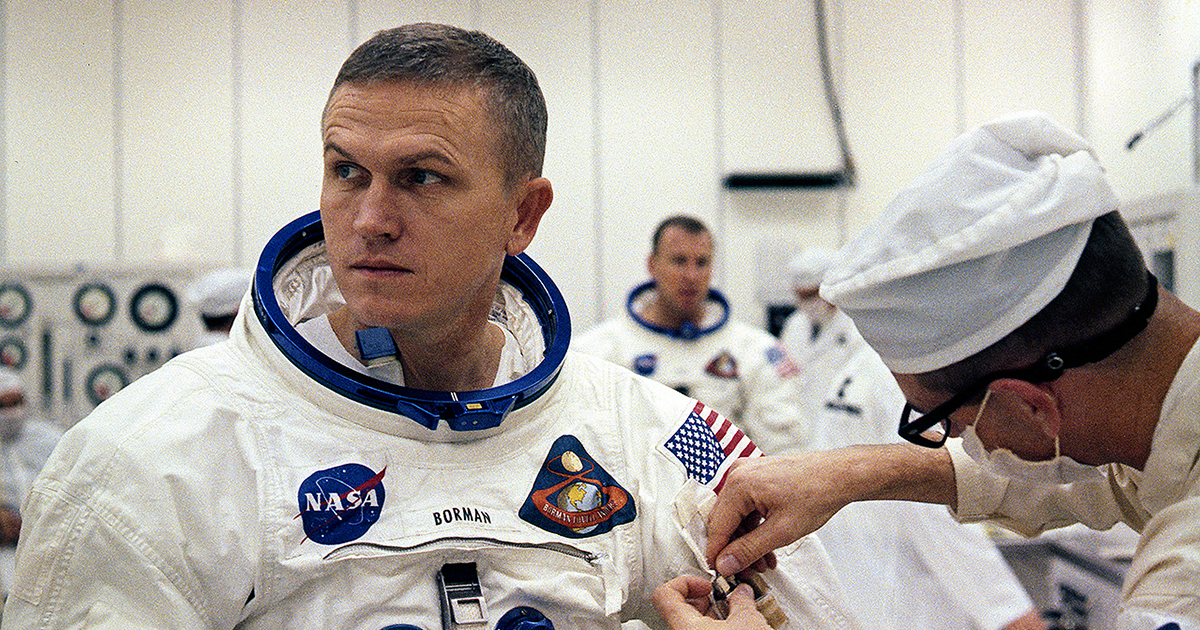
Frank Borman, the commander of the Apollo 8 mission and the first crew to fly to the Moon in 1968, has passed away at the age of 95. Borman, along with his crewmates Jim Lovell and Bill Anders, orbited the Moon and became the first people to see the Earth from another world. He played a critical role in the aftermath of the Apollo 1 fire and defended the Apollo program to Congress. Borman's legacy includes his contributions to space exploration and his iconic "Earthrise" photograph.
Frank Borman, the NASA astronaut who commanded Apollo 8, the first crewed mission to orbit the moon, and later served as the chief executive of Eastern Air Lines, has died at the age of 95. Borman played a significant role in space exploration, including setting an endurance record in space during the Gemini 7 mission. As the CEO of Eastern Air Lines, he successfully piloted the carrier through a challenging business climate but ultimately faced its takeover and demise. Borman's legacy includes his contributions to space exploration and his leadership in the aviation industry.
Frank Borman, the commander of NASA's Apollo 8 mission in 1968, which became the first manned spacecraft to orbit the moon, has passed away at the age of 95. Borman, along with his fellow astronauts James A. Lovell Jr. and William A. Anders, captured the iconic image known as Earthrise and delivered a Christmas message from space. He also commanded the Gemini 7 mission in 1965, setting a record for time spent in space. Borman, known for his exceptional piloting skills, later served as the chairman of Eastern Airlines.
NASA Administrator Bill Nelson pays tribute to former astronaut Frank Borman, who passed away at the age of 95. Borman, a true American hero, served as the commander of the Apollo 8 mission, humanity's first mission around the Moon in 1968. He was also a veteran of Gemini 7 and played a critical role in space exploration. Borman's love for aviation and exploration, as well as his dedication to NASA and the nation, will inspire future generations to reach new cosmic shores.
Frank Borman, the former NASA astronaut who led the first mission to fly humans to the moon in 1968, has passed away at the age of 95. Borman, along with his crewmates Jim Lovell and Bill Anders, became the first astronauts to orbit the moon aboard Apollo 8. He played a crucial role in the early days of the space program and was awarded numerous honors for his service. Borman's death marks the end of an era for NASA's pre-space shuttle crews.
In October 1968, NASA made significant progress towards President Kennedy's goal of landing a man on the Moon. The successful Apollo 7 mission marked the return of American astronauts to space after a 23-month hiatus, while preparations for the Apollo 8 mission to orbit the Moon were underway. The redesigned Apollo spacecraft was thoroughly tested, including live television broadcasts from space. Meanwhile, the Soviet Union resumed its crewed missions, and rumors of a Soviet crewed lunar mission influenced NASA's decision to send Apollo 8 on its historic circumlunar flight in December.