A study finds that following the Mediterranean diet can reduce the risk of dementia by at least 35% in individuals with the APOE4 gene, which is associated with a higher risk of Alzheimer's, highlighting the importance of diet in neurodegenerative disease prevention.

A 34-year study found that following a Mediterranean diet can reduce dementia risk by at least 35% in individuals with two copies of the APOE4 gene, a major Alzheimer's risk factor, with diet and lifestyle changes showing significant protective effects.
A long-term study published in Nature found that the Mediterranean diet can reduce dementia risk by at least 35%, especially in individuals with the APOE4 gene linked to Alzheimer's disease, emphasizing the diet's potential protective effects.
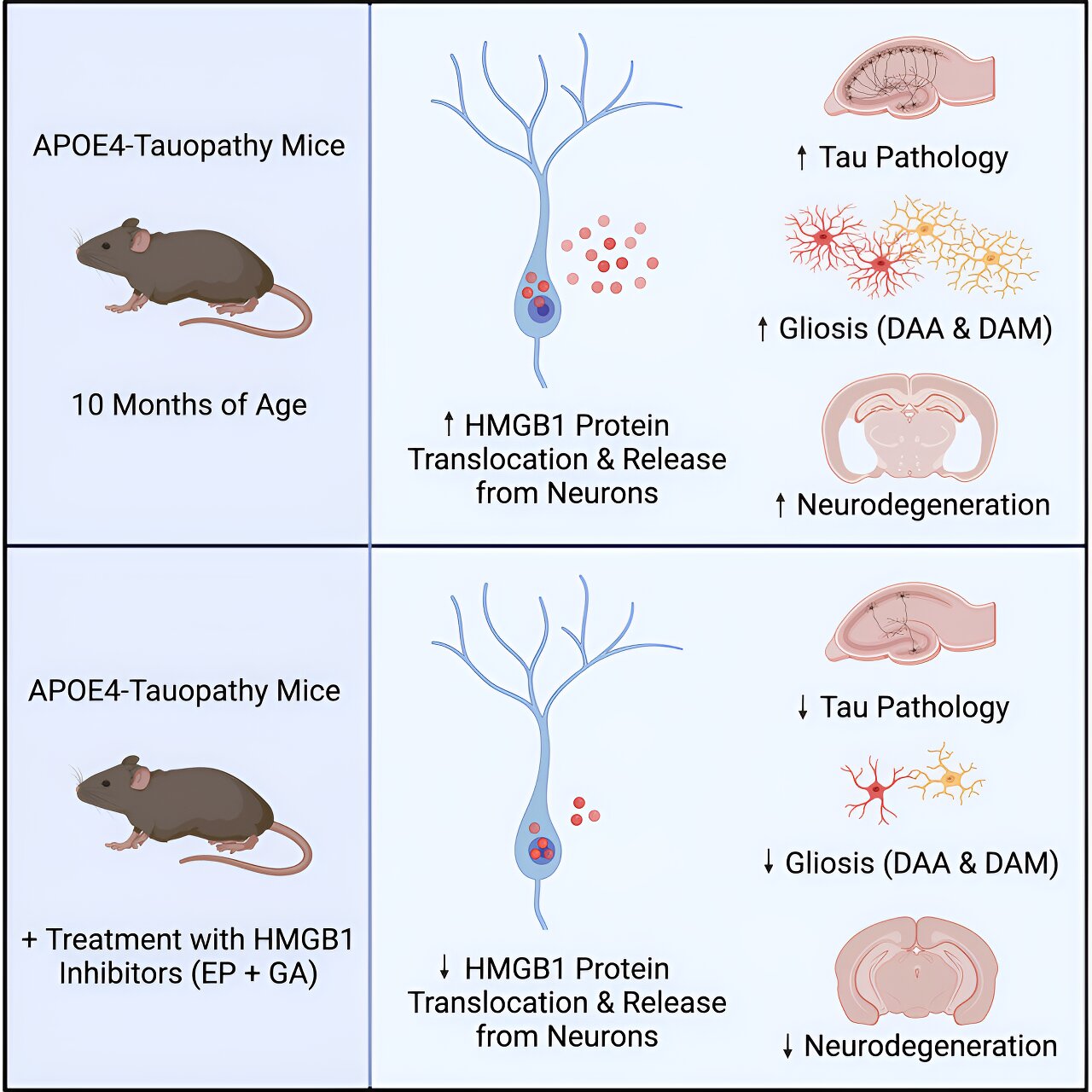
Scientists at Gladstone Institutes have discovered that neurons producing the APOE4 gene variant release an immune signaling molecule called HMGB1 at higher rates, which activates brain immune cells called microglia, leading to inflammation and neurodegeneration. By blocking the release of HMGB1 with experimental drugs, mouse models showed reduced microglial activation and neurodegeneration. This finding suggests that targeting HMGB1 could be a potential drug target for treating APOE4-related Alzheimer's disease.