SDL 3.4 has been released, introducing new APIs, improved Emscripten support for web browsers, native PNG support, better GPU interoperability, and various platform-specific enhancements, benefiting cross-platform gaming and development.
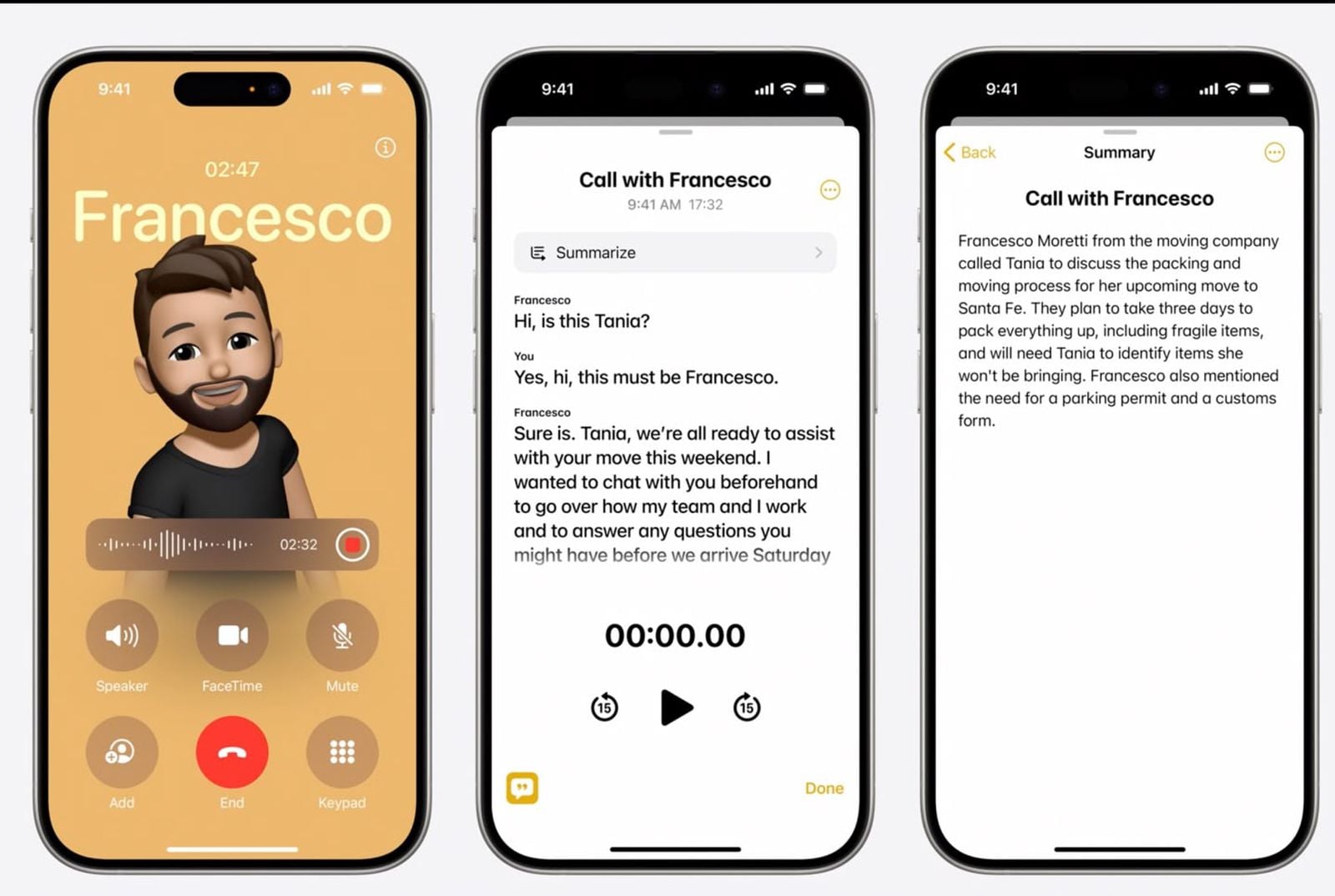
Apple's new speech-to-text APIs in iOS 26 and macOS Tahoe outperform rival tools like Whisper, processing large video files significantly faster through on-device processing, which could revolutionize transcription efficiency for users handling extensive multimedia content.
Adobe introduces Firefly Services, offering over 20 new generative and creative APIs, tools, and services to enterprise developers, allowing access to AI-powered features from its Creative Cloud tools like Photoshop. The company also launches Custom Models, enabling businesses to fine-tune Firefly models based on their assets. These offerings aim to help brands speed up content creation workflows and address concerns about brand safety when using generative AI.
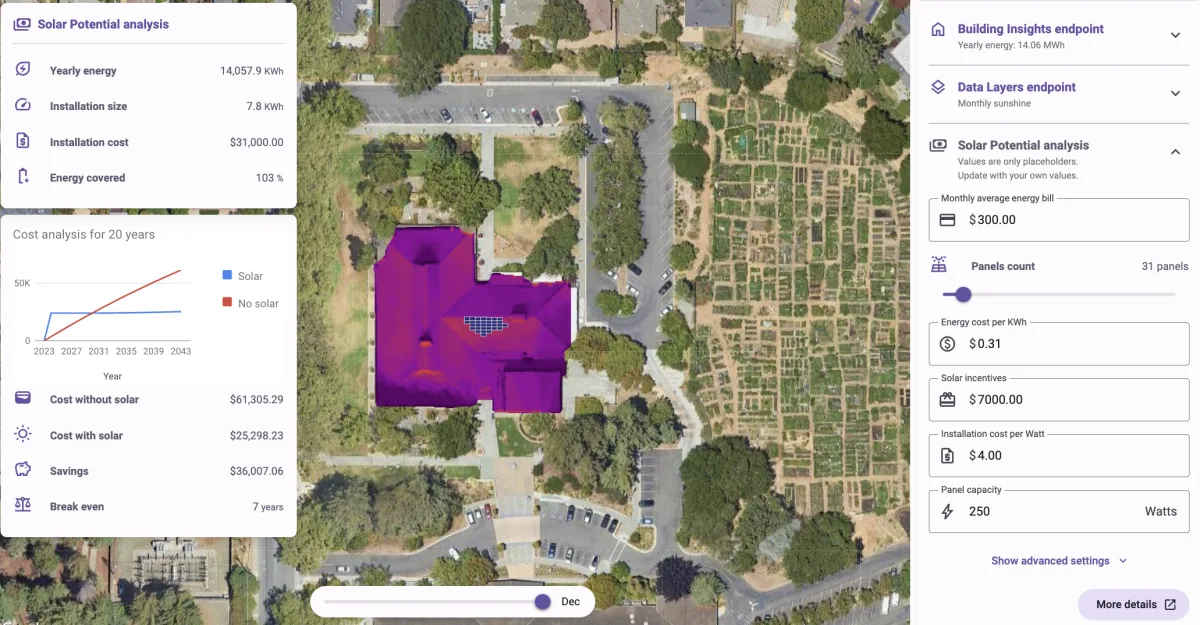
Google is launching a suite of new sustainability APIs that utilize AI to provide real-time solar potential, air quality, and pollen level information. The Solar API, an expansion of Project Sunroof, uses AI models to estimate solar panel energy production by analyzing rooftop angles, shade estimates, weather data, and energy pricing. The Air Quality API validates and organizes data from various sources to provide a local and universal index, taking into account traffic conditions and vehicle volume. The Pollen API tracks pollen release in over 65 countries, incorporating wind patterns and annual trends, providing users with local pollen count data and allergen information. These APIs aim to help individuals, cities, and partners reduce carbon emissions and improve planning for daily commutes or vacations.
Apple will require developers to explain why their apps use certain APIs before submitting them to the App Store. These "Required Reason APIs" aim to crack down on fingerprinting and tracking users across different apps and websites. Starting in spring 2024, apps that use these APIs without a valid reason will be rejected. While this measure prioritizes privacy, some developers are concerned about increased app rejection rates, especially for common APIs like UserDefaults. Apple will allow developers to appeal rejections and submit requests for situations not covered in the guidelines.
The Bank for International Settlements (BIS) and the Bank of England have successfully developed 33 API functionalities to test over 30 CBDC use cases, including offline payments, peer-to-peer transfers, and retail payments, demonstrating the versatility of CBDCs. The experiment explored the potential of an API layer to support a retail CBDC, enabling secure payments across various use cases, and tested an array of payment options such as online, offline, in-store payments, and interactions with QR codes, mobile phones, smart cards, among others. The successful implementation of 33 API functionalities to support 30 retail CBDC cases has set a precedent for the potential of CBDC systems, fostering a significant contribution to global digital currency conversations.
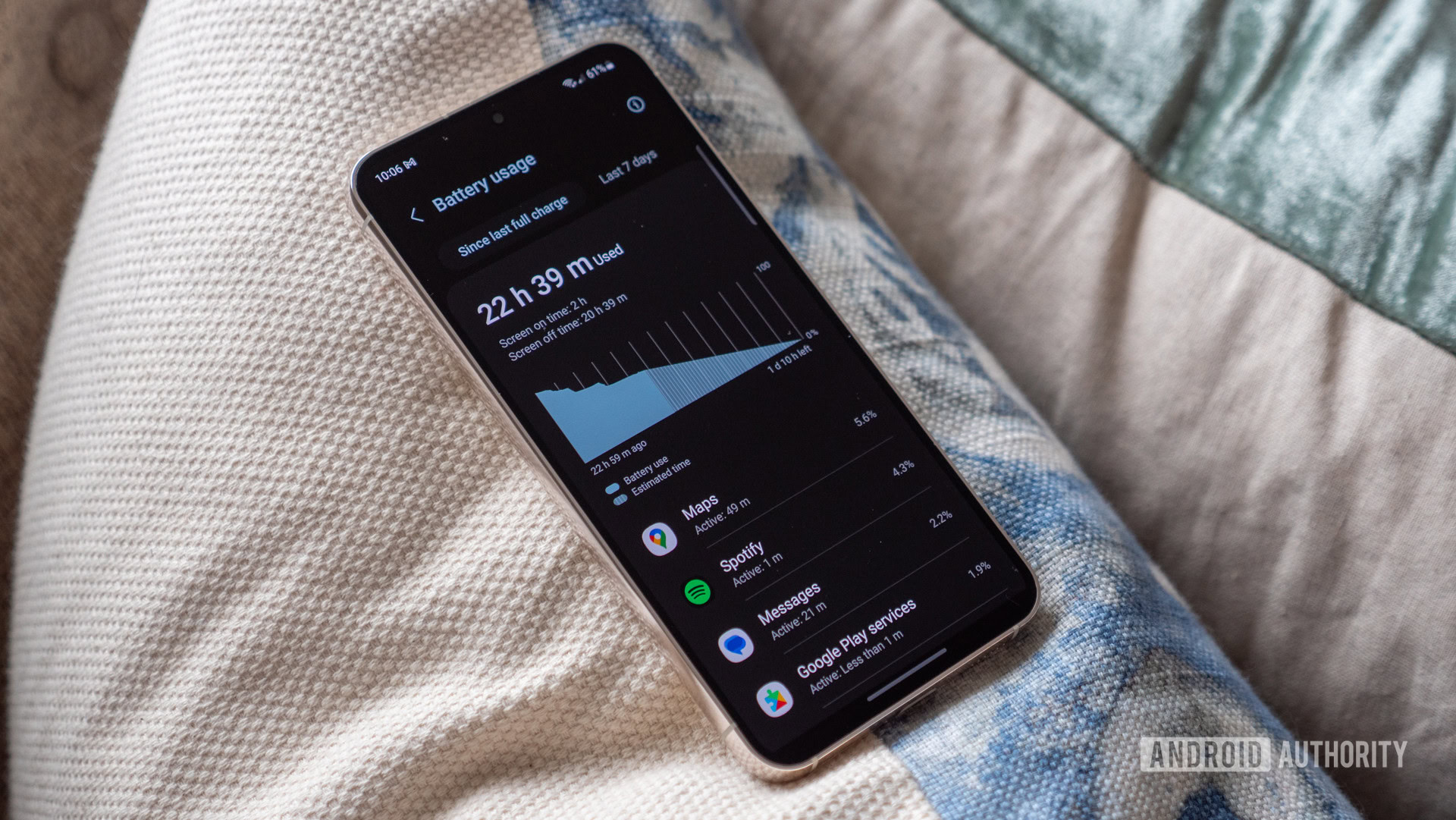
Android 14 has added APIs that allow apps to display key battery details such as manufacturing date, date of first use, charging policy, state of health, cycle count, and charging status. An open-source app called Batt can show the number of charging cycles undertaken on the phone, and more details can be accessed by granting the requisite BATTERY_STATS permission through ADB. The feature is not yet ready for public release, but the existence of the APIs indicates that Google is working on it and intends to release it someday.
Google's Privacy Sandbox tools will be available in Chrome 115 from July 18, to prepare for the slow phase-out of third-party cookies next year. The Privacy Sandbox APIs will allow advertisers to target ads at those with specific interests and get data about how those ads perform without third-party cookies. However, critics argue that the Privacy Sandbox APIs fail to reproduce the functionality of the systems they're designed to replace while degrading advertising performance and possibly violating EU law.
Microsoft plans to remove Twitter from its advertising platform instead of paying for access to its API, outraging Twitter CEO Elon Musk who claims Microsoft used Twitter's data to train AI models without consent. Musk set Twitter's API monthly access price at $42,000 for access to 50 million tweets, $125,000 for 100 million tweets, and $210,000 for the highest plan with 200 million tweets. Microsoft raked in over $12 billion in digital advertising revenue last year from ads created and managed through its advertising platform.