Is It Possible to Overcome Allergies?
Allergies are increasing globally, especially among children, but advancements in treatments are making it easier and safer for people to manage even severe allergies.

All articles tagged with #allergy treatment
Allergies are increasing globally, especially among children, but advancements in treatments are making it easier and safer for people to manage even severe allergies.

A woman with a lifelong severe peanut allergy undergoes oral immunotherapy, which involves gradually increasing peanut doses to desensitize her immune system, leading to a life-changing ability to eat peanuts safely and live more freely, despite ongoing maintenance requirements.
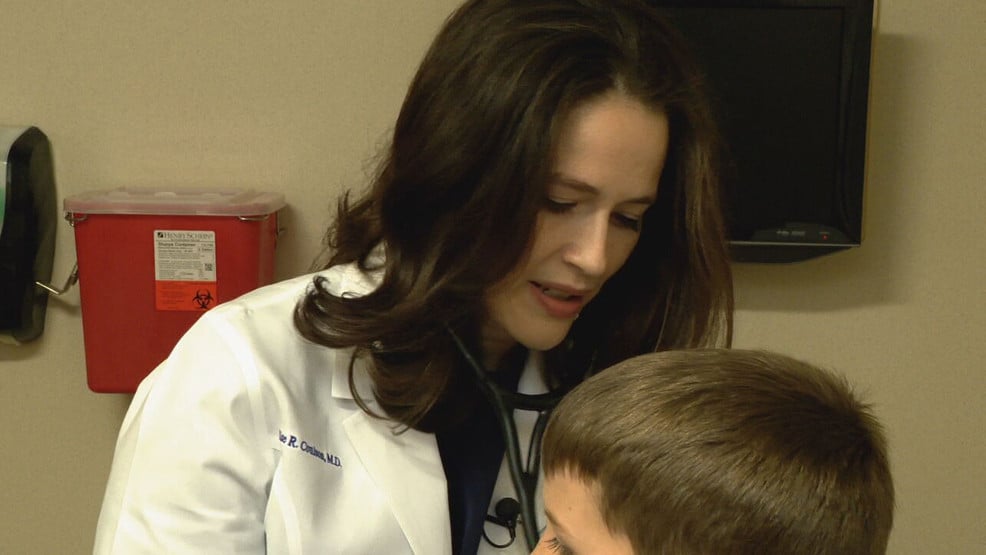
Dr. Elise Coulson, an allergist with Allergy Partners, notes that allergy symptoms are starting earlier and are more severe this year, attributing it to higher levels of allergens like pollen in the air, which can be linked to climate change and vegetation changes. Warmer weather and updated plant hardiness zoning maps are contributing to the prolonged allergy season. Coulson advises managing symptoms with nose spray, eye drops, and allergy shots, as well as minimizing exposure to allergens indoors.
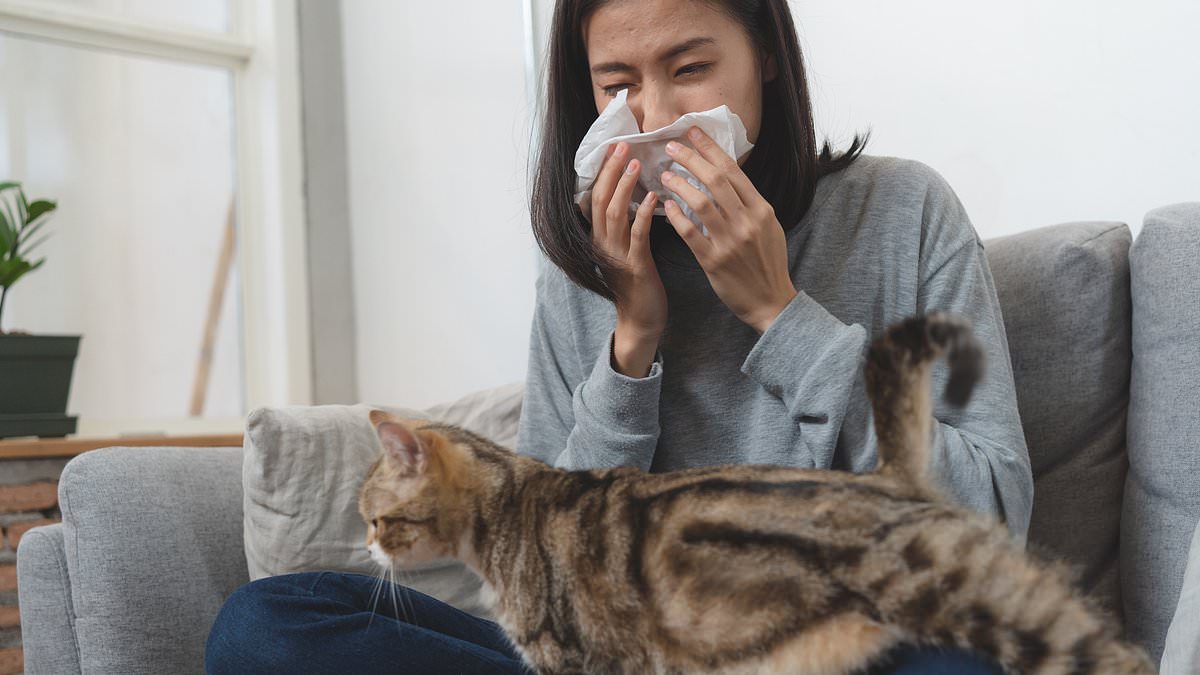
A TikToker claims to have cured his cat allergy by adding egg white protein powder to his pet's food, with an allergist explaining the science behind this method. The protein in the powder, derived from chickens exposed to cats, can neutralize the allergy-causing proteins in cats' saliva. While this approach shows promise, there is no guarantee that the chickens producing the eggs were exposed to cats. Other anti-allergy treatments for pets include shampoos, sprays, and medications.
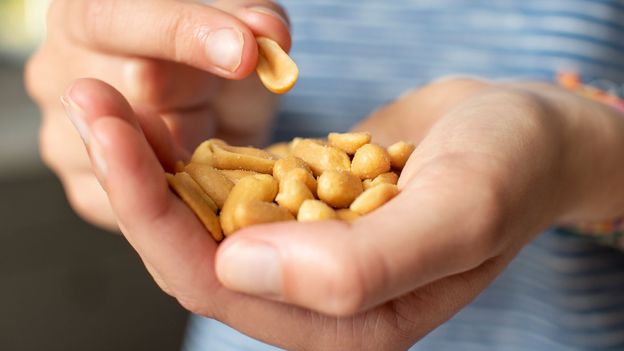
The FDA has approved the use of Xolair, an asthma drug also known as omalizumab, for severe food allergies, offering hope for those affected. Xolair, administered through injections, reduces the likelihood of severe allergic reactions in cases of accidental exposure to allergens, providing a preventative measure for individuals with food allergies. While it represents a significant breakthrough in allergy treatment, questions remain about its long-term effectiveness and accessibility due to its cost.
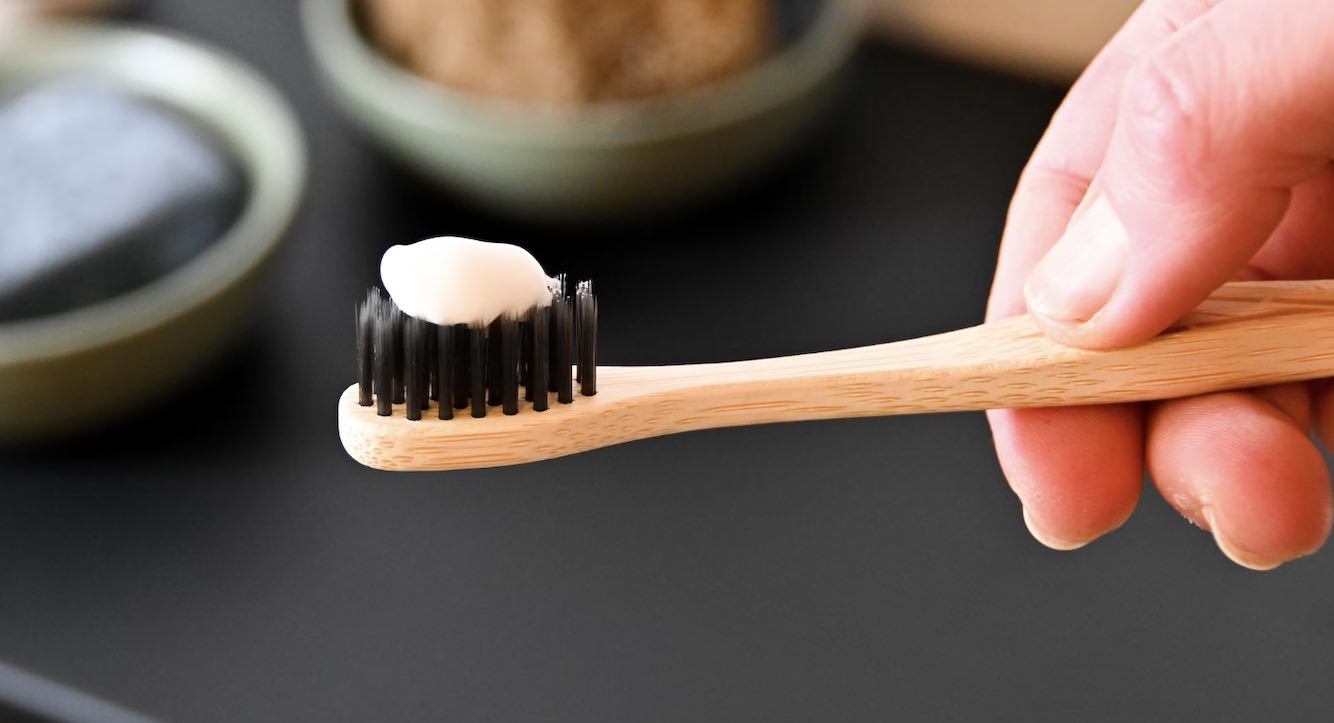
A special toothpaste containing small amounts of peanuts may soon be available to help desensitize people with peanut allergies. In a small trial, all participants tolerated the highest dose of the peanut toothpaste without any moderate or severe reactions. The toothpaste, known as Oral Mucosal Immunotherapy (OMIT), delivers allergenic peanut proteins to the oral cavity, allowing for targeted delivery and simple administration. This method has the potential to desensitize patients to peanuts without requiring numerous clinic visits over several years. Further testing is needed before the toothpaste can be made available to patients.