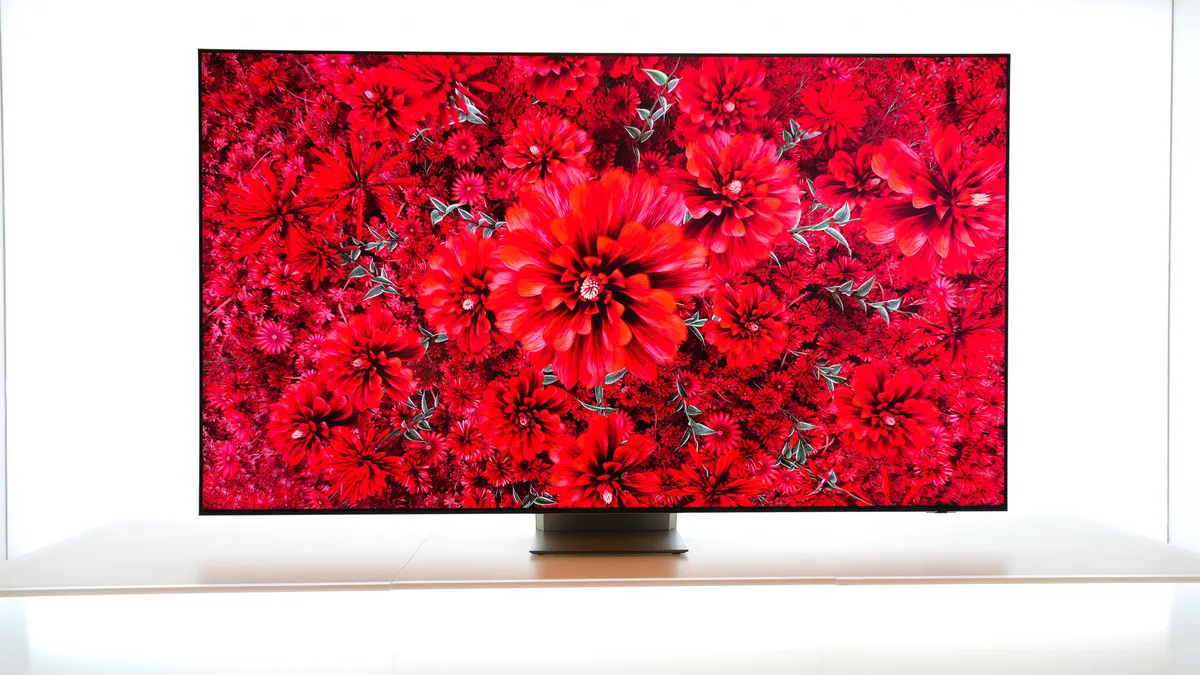
Samsung is expanding its Micro RGB TV lineup in 2026 with new sizes, utilizing advanced LED technology for highly accurate and vibrant images, enhanced by AI features like motion enhancement and color boosting, offering a compelling alternative to OLED screens.
YouTube Premium users are getting a new AI-powered search carousel to enhance content discovery, while non-Premium users are gaining access to the platform's existing conversational AI, Gemini, for easier interaction with video content.
Google has paused the rollout of its AI-powered 'Ask Photos' feature in Google Photos due to issues with latency, quality, and user experience, but plans to improve and relaunch it soon. The company also announced enhancements to keyword search within Photos, allowing more precise queries. This pause follows previous instances where Google halted AI features after inaccuracies or issues emerged, highlighting the challenges in deploying AI at scale.
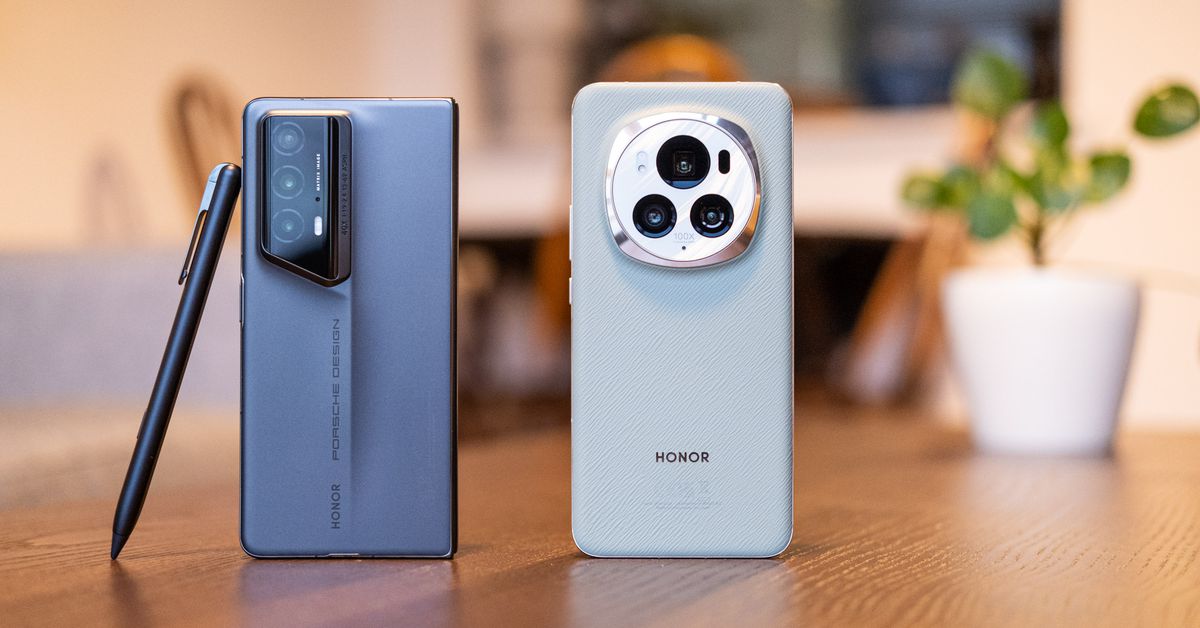
Honor has launched its Magic 6 Pro flagship smartphone internationally at Mobile World Congress, along with a special edition Porsche Design Honor Magic V2 RSR. The Magic 6 Pro features AI-powered eye tracking, a Snapdragon 8 Gen 3 processor, 5,600mAh battery, and a 6.8-inch 120Hz OLED display. The Porsche Design version offers higher specs and a stylus in the box, with 1TB of storage and more durable glass on its external display. Both devices are set to be available in European markets, with the Magic 6 Pro priced at €1,299 and the Porsche Design Magic V2 RSR at €2,699.
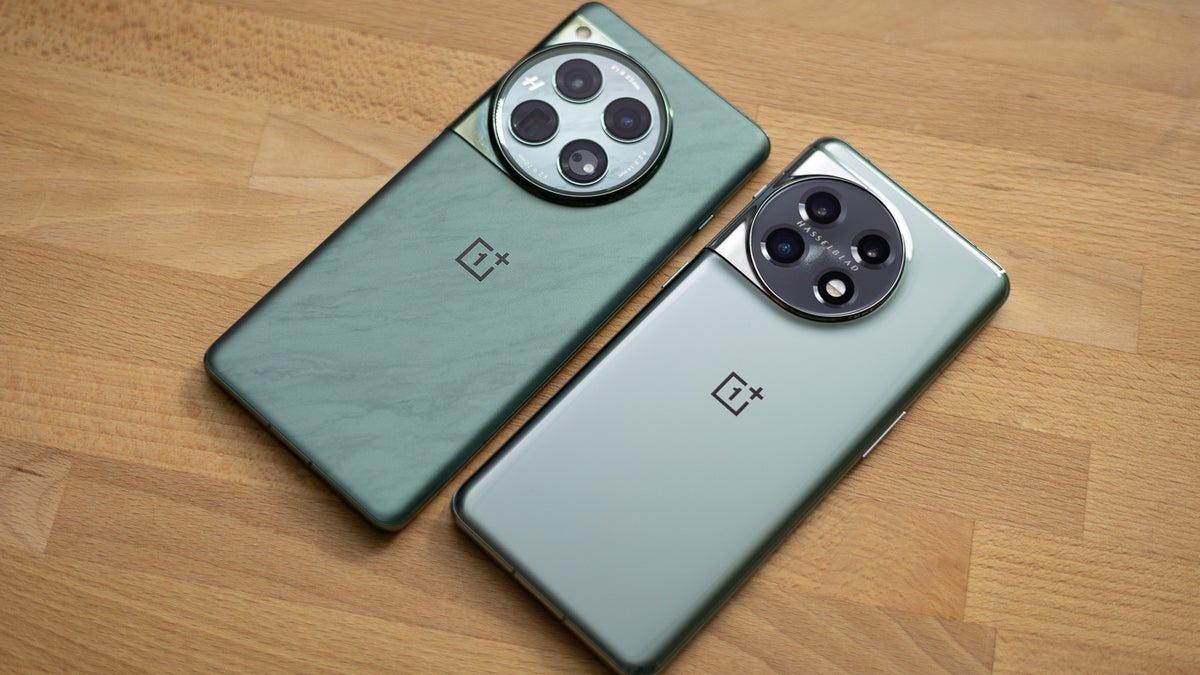
OnePlus is rolling out new updates for its OnePlus 11 and OnePlus 12 smartphones in China, introducing AI-powered features such as AI Summariser for call summaries, AIGC Remover for photo editing, and article summary generation. The updates also include improvements like control for QQ Music on Always-On display and the ability to use fingerprint unlock without waking up the screen. These updates are expected to be rolled out globally soon.
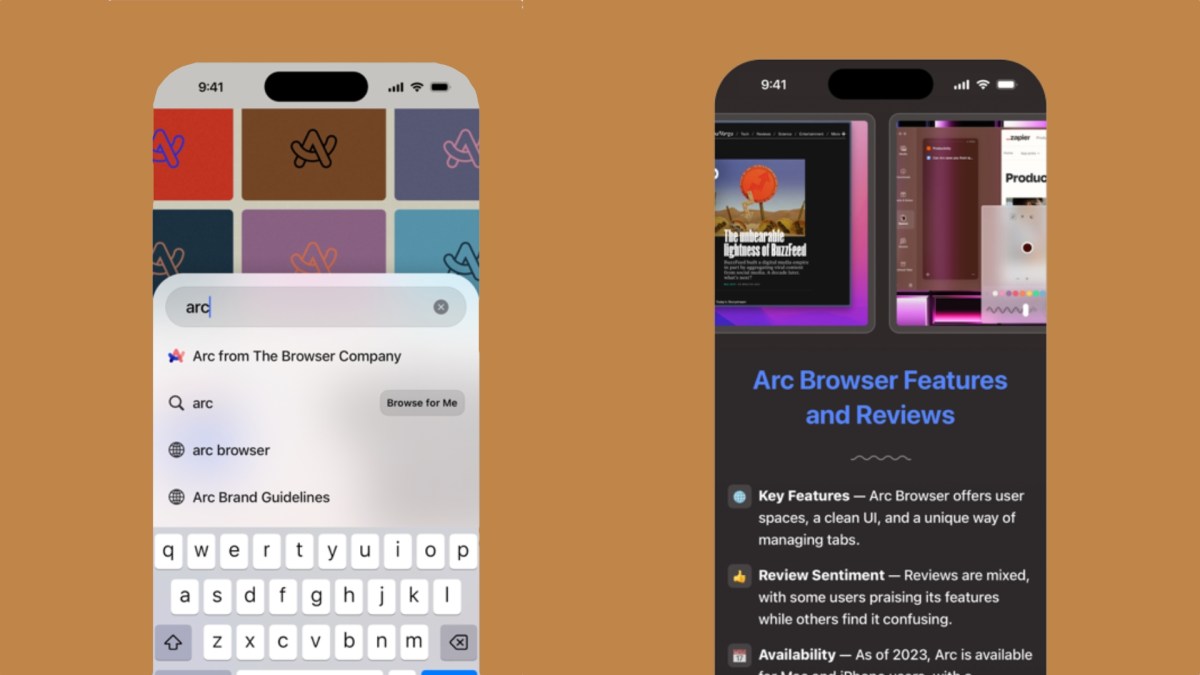
The Browser Company's Arc Search is a new mobile app that focuses on the search experience, featuring an AI-powered "Browse for me" feature that creates custom webpages with information from at least six sources. The app also includes other features such as reader mode, tab archiving, and automatic blocking of popups, ads, and trackers. The company plans to merge its mobile and desktop browser clients and launch cross-browser syncing in the future.
Google Chrome is experimenting with AI-powered features including AI-generated tab backgrounds, AI-powered tab organization, and an AI-writing tool expected to ship next month. The tab grouping feature allows users to organize and group tabs based on similar topics, while the AI-writing tool will help users get started with writing. Google's move to integrate AI features mirrors Microsoft's efforts with Microsoft Edge, as both companies aim to enhance their browsers with AI capabilities.
The upcoming Galaxy S24 series from Samsung is rumored to feature an AI-powered voice recorder for meeting transcriptions, as well as a new search method that allows users to circle any subject or object in an image to retrieve information from the internet. The phone will also have on-device AI processing for faster and more reliable performance, and support features like text summarization and 10x zoom in the Single Take mode. The Galaxy S24 series is expected to be announced on January 17, 2024.
Microsoft Teams is introducing two new AI-powered features to enhance video calls. The "decorate your background" feature uses generative AI effects to clean up and replace clutter in the background, while the voice isolation feature suppresses other noises to ensure only the speaker's voice is heard. These additions aim to improve the overall video and audio quality in Teams meetings.
Google Maps has unveiled new AI-powered features, including Immersive View for routes that provides a 3D view of your journey and allows you to explore places before visiting, and Google Lens in Maps that uses AI and augmented reality to help you navigate and find nearby amenities. The update also includes more realistic navigation details, improved lane details, and information about HOV lanes and speed limits. For electric vehicle drivers, Google Maps now provides more information about charging stations, including compatibility and charging speed, and alerts users when a charger is out of service. Additionally, Google Maps offers a more visual and inspiring search experience with photo-based results and themed suggestions for activities and dining.
Google Maps is introducing new AI-powered features for iPhone users to enhance trip planning and navigation. The Immersive View for Routes feature allows users to preview their entire journey in a multidimensional view, offering detailed turn-by-turn directions and the ability to plan departure times based on simulated traffic and weather conditions. Another feature called Lens in Maps utilizes AI and augmented reality to help users acclimate to their surroundings by providing information about nearby amenities. Additionally, Google Maps will offer more lifelike representations of buildings and enhanced lane details for better orientation during navigation. The platform is also improving information for electric vehicle drivers, offering enhanced charging station details and indicating charger compatibility. Lastly, Google is enhancing search capabilities in Maps, providing visually oriented results and thematic search suggestions for activities and dining options.
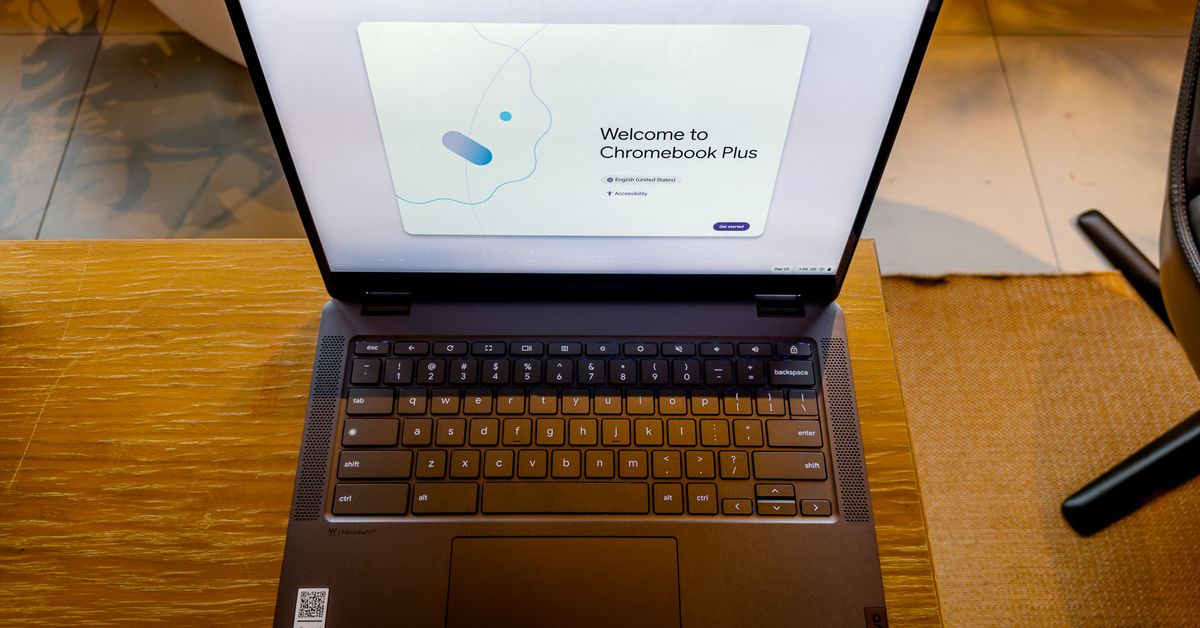
Google has introduced the Chromebook Plus certification, similar to Intel's Evo program for Windows PCs, to help shoppers identify high-quality Chromebooks. Devices with the Chromebook Plus branding must meet specific requirements, including an Intel Core or AMD Ryzen CPU, 1080p resolution IPS panel, 8GB of RAM, and 128GB of storage. Battery life, although not mentioned in the press release, is also a requirement. Chromebooks with the Plus certification will have access to exclusive AI-powered features and come with subscriptions to Photoshop on the Web and GeForce Now. Several Chromebook Plus devices from Lenovo, HP, and Acer have been announced and will be available in the coming weeks.
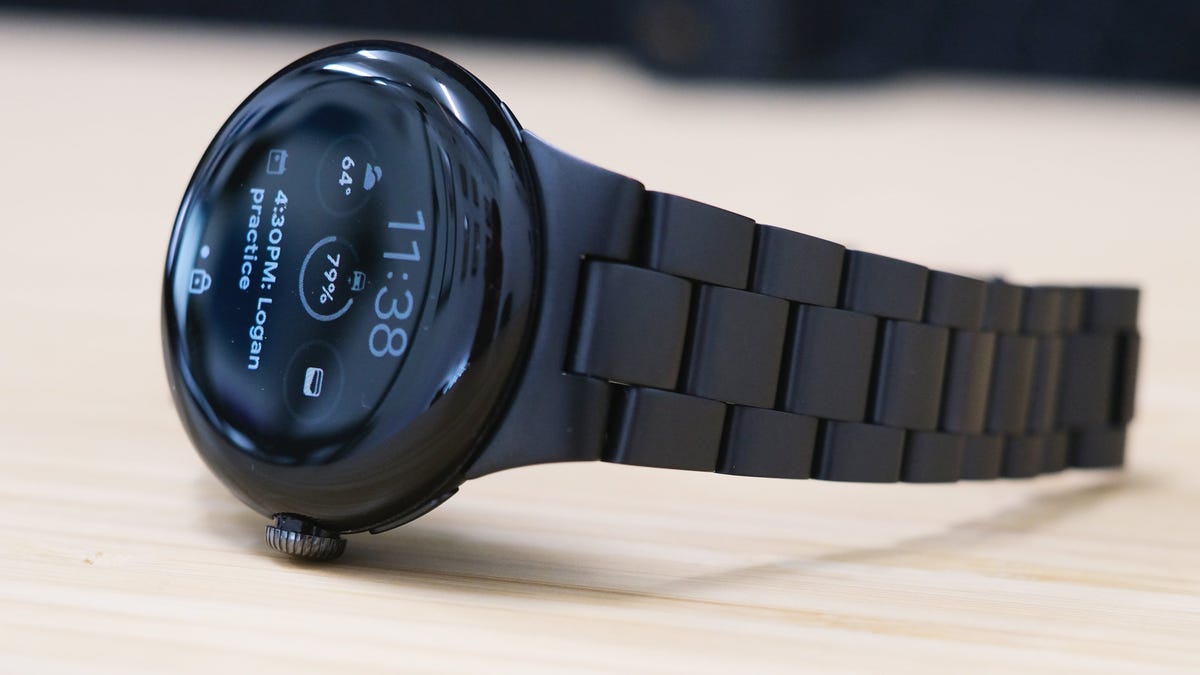
A leaked promo video for the Pixel Watch 2 reveals impressive new features, including a skin temperature sensor, improved heart rate tracking, body-response stress level analysis, FitBit integration, safety features like "Safety Check" and emergency contact sharing, and a promised 24-hour battery life. The watch is set to be released on October 5 and is expected to be a significant upgrade over its predecessor.
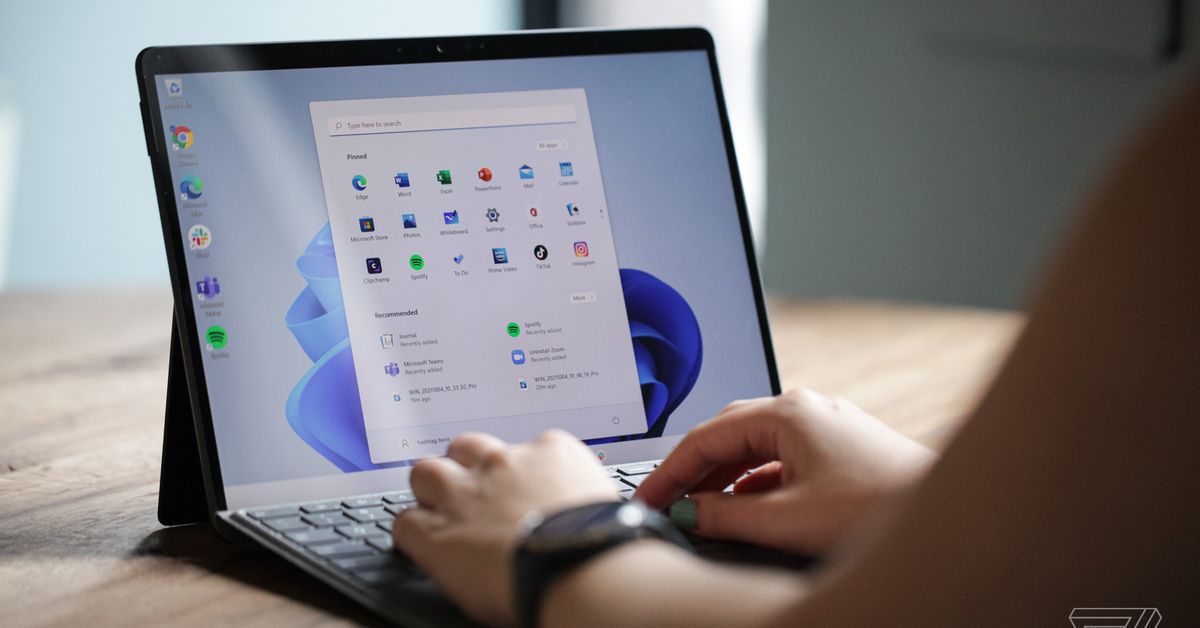
Microsoft is rolling out a major update to Windows 11, introducing several new features. The update includes Windows Copilot, an AI-powered digital assistant integrated into various parts of the operating system. AI enhancements have also been added to Paint, Snipping Tool, and the Photos app, offering features such as transparency and layers in Paint, text extraction and redaction in Snipping Tool, and background blur in Photos. Additionally, the update brings improvements to File Explorer, native RGB lighting controls for PC gamers, support for passkeys as an alternative to passwords, and integration of Windows 365 Cloud PCs for IT admins and developers. More features are planned for a future update in the fourth quarter of 2023.
The upcoming Google Pixel 8 smartphone is rumored to feature an AI-powered photo editing option that allows users to change people's faces and manipulate photos directly in the camera app. The leaked trailer showcases the ability to swap facial expressions, remove unwanted objects, and replace sections of a photo. While AI photo editing is not new, the Pixel 8's proposed feature raises concerns about the potential impact on self-perception and the sharing of edited photos with a wider audience.