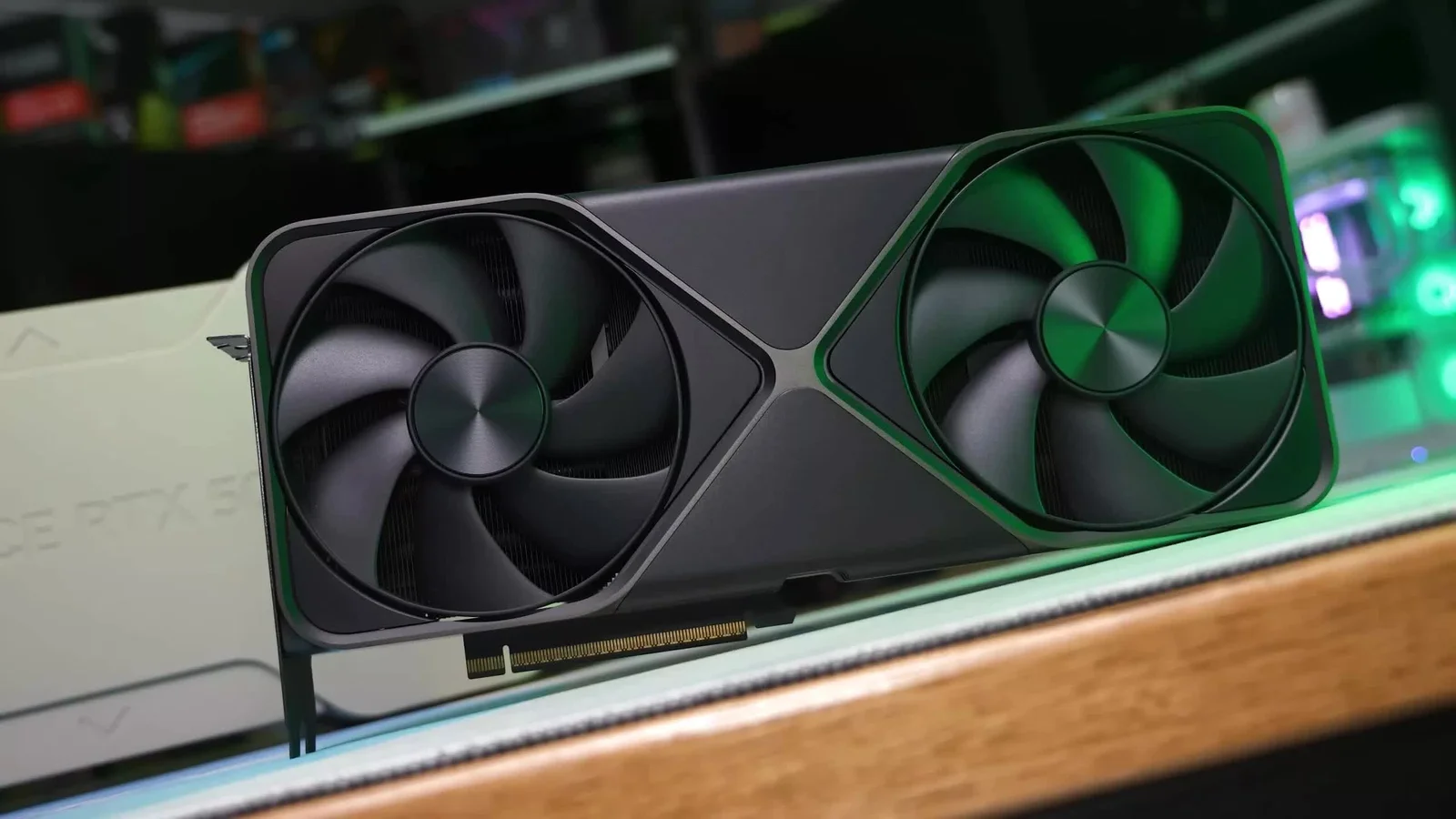
Nvidia reportedly cuts RTX 50-series production by 15-20% through at least Q3 2026 to meet booming AI demand, risking deeper GPU shortages as several models become scarce or halted; a Q4 review is planned, with shortages likely to persist through 2026.
Nvidia is rumored to be resuming production of its discontinued GeForce RTX 3060 graphics card in early 2026 to address ongoing GPU shortages caused by increased AI development and rising memory prices, amidst rising costs for consumer GPUs from Nvidia and AMD.
Nvidia plans to cut RTX 50 GPU production by up to 40% in 2026 due to global memory shortages, primarily affecting midrange models, which may impact PC builds and market prices, while possibly paving the way for a future RTX 50 Super refresh.
OpenAI CEO Sam Altman is seeking an audacious $5-$7 trillion investment from investors, including the UAE, to address the scarcity of GPUs crucial for training and running large language models. The funding aims to expand global semiconductor manufacturing capacity and support the growing demand for AI-specific chips, reflecting the strategic importance of semiconductor production. However, potential geopolitical concerns arise due to the US government's cautious approach to foreign control over microchip supply, despite ongoing efforts to bolster domestic chip manufacturing.
NVIDIA's consumer and gaming GPUs, particularly the RTX 40 series, are facing global shortages as the company reportedly prioritizes the production of AI chips for data centers. This shift in focus has led to reduced stock and increased prices in various markets, including China, the United States, and Europe. While the exact reasons for the supply issue are not confirmed, the trend towards AI accelerators being more profitable than gaming GPUs is suggested as a potential cause. The shortage has resulted in price hikes for NVIDIA's GPUs on platforms like eBay, with the GeForce RTX 4090 selling well above its MSRP.
The demand for Graphics Processing Units (GPUs) to fuel AI technology is surging, but there is a limited supply, threatening to hinder AI's potential. The shortage of GPUs, caused by factors such as increased demand during the pandemic and scalpers using automated bots, is impacting various industries. As large-scale deep learning projects and AI applications continue to rise, businesses are facing challenges in obtaining the necessary hardware, dampening their capacity for innovation. To adapt, enterprises can consider alternative computing solutions, develop more efficient AI algorithms, explore alternative hardware accelerators, or outsource GPU processing to cloud or computing providers. The GPU shortage presents both a challenge and an opportunity for companies to become more innovative and responsive.
Japanese retailers are reportedly facing shortages of NVIDIA GeForce RTX 4090 and RTX 4080 GPUs, with the Akihabara marketplace experiencing a developing shortage. The high demand for the RTX 4090 is making it difficult to meet customer needs, and there are speculations of a worldwide supply shortage. Despite the shortages, prices remain stable and below MSRP. The shortage may be due to NVIDIA's focus on allocating more manufacturing resources towards its AI GPU family or to avoid overstocking the market.
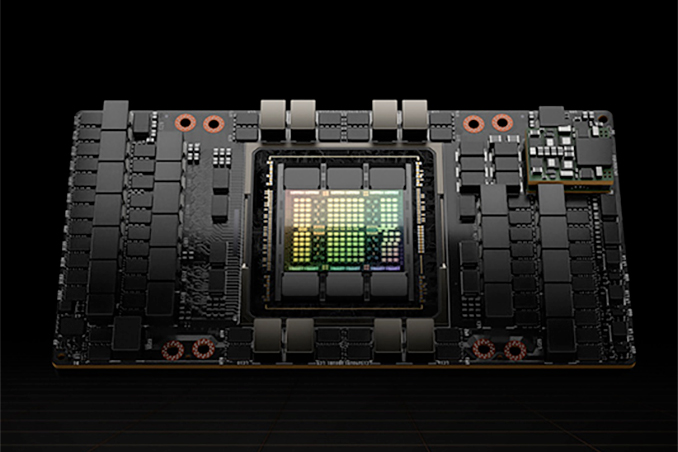
TSMC, the leading chip manufacturer, has acknowledged that the shortage of compute GPUs used for AI and HPC servers is due to a bottleneck in its chip-on-wafer-on-substrate (CoWoS) packaging capacity. The company is expanding its CoWoS capacity, but expects the shortage to persist for 1.5 years. TSMC produces the majority of processors for AI services, including compute GPUs, FPGAs, and specialized ASICs. The shortage is impacting the availability of high-bandwidth memory (HBM) used in these devices. Traditional outsourced semiconductor assembly and test (OSAT) companies are less motivated to offer advanced packaging services due to the higher financial risks involved. TSMC is investing billions in advanced packaging facilities to increase capacity.
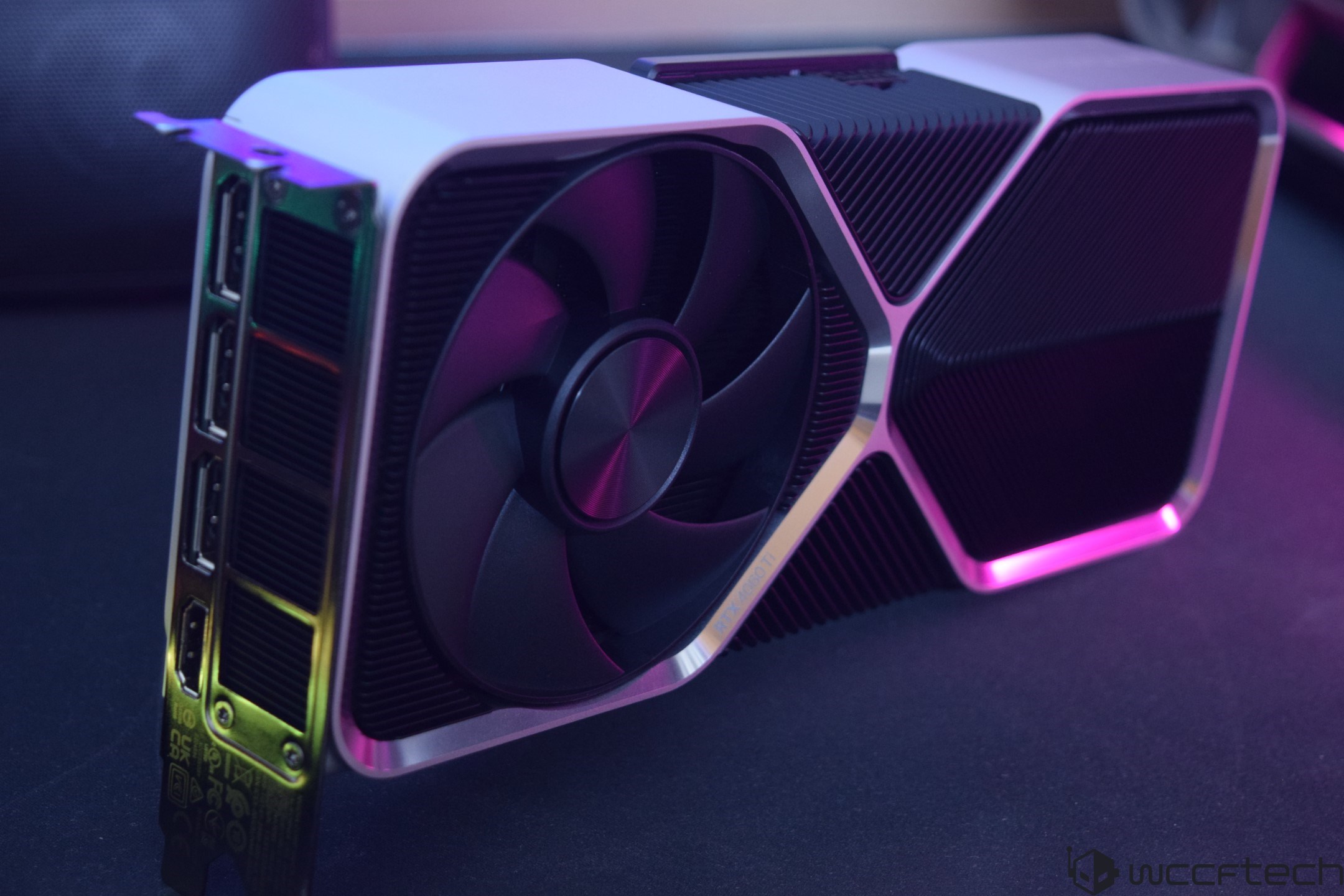
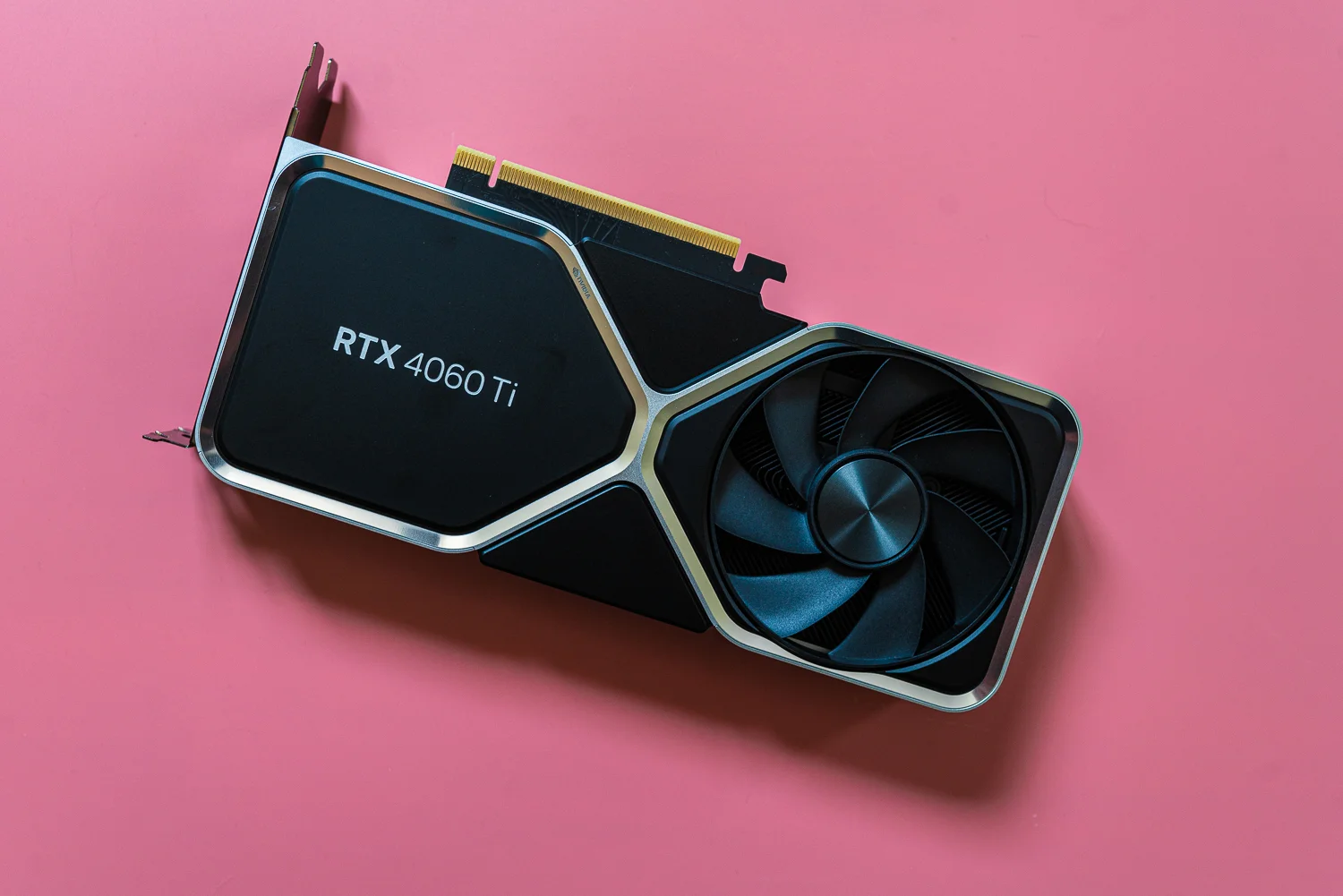
Nvidia's upcoming RTX 4060 Ti 16GB graphics card may face a lack of support from its board partners, as there is reportedly very little interest in promoting the GPU. The card's limited VRAM and high price tag compared to other options, such as the RTX 4070, make it a less appealing choice for consumers. With doubts surrounding its performance and value, the RTX 4060 Ti may struggle to find success in the market.
Graphics card sales have dipped nearly 13% since last quarter and almost 40% compared to the same time last year, according to a report by Jon Peddie Research. However, the attach rate, which is the number of graphics cards actually in PCs, is up 8% compared to last quarter. AMD's market share has fallen from 24% to 12%, while Nvidia's has grown from 75% to 84%. Intel's Arc A770 and A750 have taken 4% of the market, doubling in the last quarter, indicating that Intel could have a future in the world of discrete graphics cards.