The article criticizes advocacy groups like the Planetary Society for not supporting or mentioning a recent NASA budget protest, despite their previous efforts like a global petition, highlighting a perceived lack of active citizen involvement and unity in addressing budget cuts affecting the entire space sector.
Migrant families and advocacy groups are preparing for potential mass deportations under President-elect Donald Trump, which could separate up to 4 million mixed-status families. In states like Arizona and Pennsylvania, families are creating emergency plans, including obtaining passports and powers of attorney, to prepare for possible separations. Advocacy groups are also responding to state-level immigration laws, such as Arizona's Proposition 314, which could increase deportations. Concerns about community trust and law enforcement capacity are being raised by local officials.
LGBTQ advocacy groups criticize Tulsa County District Attorney's decision not to press charges in the case of Nex Benedict, an Oklahoma high school student who died after a fight in the girls' bathroom. The district attorney cited the medical examiner's report attributing Benedict's death to suicide, but LGBTQ groups argue that key information about the case remains unknown and that the decision fails to hold perpetrators accountable for violent behavior. They also call for investigations into the school district and state education department, alleging a culture of bullying and harassment against transgender and gender non-conforming individuals.
During Olivia Rodrigo's "Guts" world tour, her team partnered with local advocacy groups to distribute free emergency contraceptive pills and condoms at her St. Louis concert as part of the Fund 4 Good initiative, aiming to support reproductive health freedom. A portion of ticket sales from the tour goes to the National Network of Abortion Funds, and Rodrigo has been vocal about reproductive health care rights, particularly in response to the Supreme Court's ruling on Roe v. Wade. The move was praised by fans and advocacy groups in light of the ongoing reproductive health crisis in banned states like Missouri.
A report by Americans for Tax Fairness and the Institute for Policy Studies reveals that senior executives at 35 major US companies received more in compensation than their companies paid in federal taxes between 2018 and 2022, with a collective net federal income tax bill of negative $1.72bn. Advocacy groups are calling for an increase in the corporate tax rate, citing the need for big businesses to pay their fair share. President Joe Biden has also emphasized the importance of ending tax breaks for big corporations and executives, while the report highlights how aggressive tax avoidance and excessive executive pay negatively impact working families and small businesses.
Antisemitic and Islamophobic incidents have surged in the United States since the start of the Israel-Hamas conflict on October 7, according to two advocacy groups. The Council on American-Islamic Relations (CAIR) reported 774 complaints of incidents motivated by Islamophobia and bias against Palestinians and Arabs, the highest level since 2015. The Anti-Defamation League (ADL) recorded a 388% rise in antisemitic incidents compared to the previous year, with 312 incidents reported, including harassment, vandalism, and assault. The incidents included violent messages on online platforms and rallies expressing support for Hamas and violence against Jews in Israel. The U.S. Justice Department is monitoring the rising threats against Jews and Muslims, and President Joe Biden has condemned antisemitism and Islamophobia.
Families of individuals with Down syndrome are advocating for access to Alzheimer's trials and treatments, as Alzheimer's is the most common cause of death for people with Down syndrome. Advocacy groups are urging companies like Eisai and Eli Lilly to include people with Down syndrome in clinical trials for Alzheimer's treatments. However, neurologists caution against immediate use of these drugs in the Down syndrome population due to safety concerns. Advocacy groups are also seeking changes to Medicare policies to ensure reimbursement for treatments. While safety trials are being planned, it could be several years before results are available, prompting advocates to push for the removal of barriers to FDA-approved drugs.
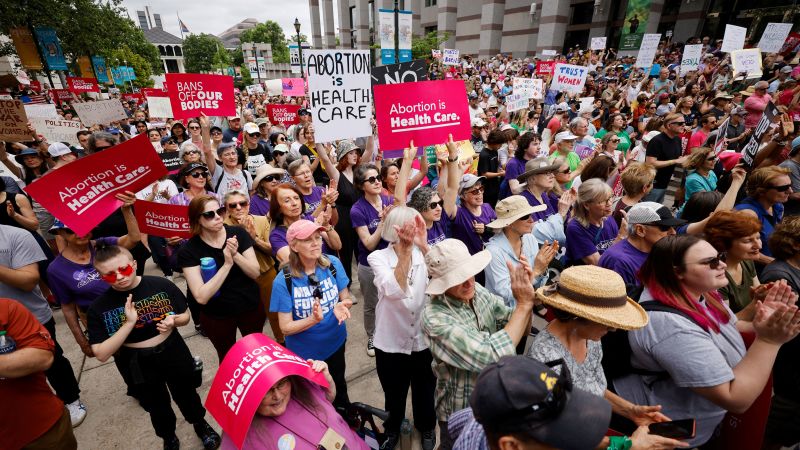
A federal judge has blocked two provisions of a near-total ban on abortions after 12 weeks in North Carolina, ruling in favor of advocacy groups. The judge found that one provision was unconstitutionally vague, while the other lacked medical evidence. The blocked provisions included a requirement for surgical abortions after 12 weeks to take place exclusively in hospitals and a mandate for doctors to document the location of early pregnancies with ultrasound evidence before prescribing a medication abortion. The judge's order is seen as a step forward in fighting against harmful abortion bans, according to the plaintiffs.
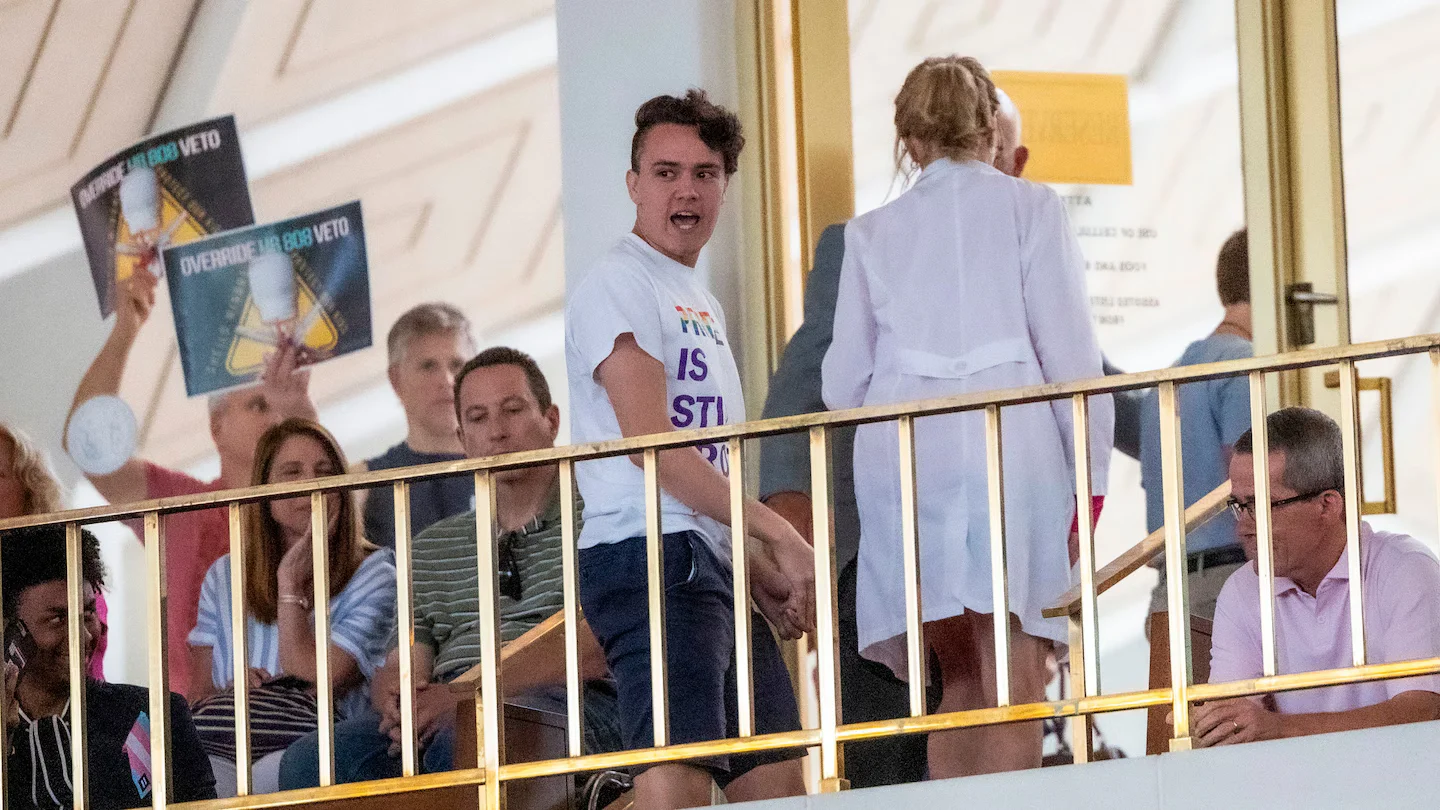
North Carolina's Republican supermajority has overridden Governor Roy Cooper's veto to enact a trio of anti-trans bills, causing confusion and uncertainty around gender-affirming care. The laws restrict what names and pronouns teachers can use for trans students, which team sports trans girls can participate in, and access to gender-affirming care for trans children. Medical professionals are now prohibited from providing hormone therapy, puberty-blocking drugs, and surgical gender-transition procedures to anyone under 18, with limited exceptions. The new restrictions have raised questions about the continuation of ongoing care and have prompted families to seek out-of-state options. Advocacy groups are providing resources and emergency grants to support trans youth affected by the legislation.
A coalition of reproductive and civil rights groups in Arizona, led by the ACLU, Planned Parenthood, and NARAL, has launched a political action committee called Arizona for Abortion Access to advance a constitutional amendment that would enshrine abortion rights in the state's constitution. They aim to place the amendment on the November 2024 ballot, seeking to protect reproductive rights in the post-Roe era. Similar efforts are underway in Ohio, Florida, and Missouri, while discussions are ongoing for initiatives in other states with restrictive abortion laws. The citizen-led ballot initiative process is seen as a way to bridge the gap between supportive voter attitudes on abortion and conservative legislatures. The proposed amendment in Arizona would allow abortions until about the 22nd week of pregnancy, with exceptions for the life and health of the mother. Anti-abortion groups have criticized the effort as extreme and barbaric.
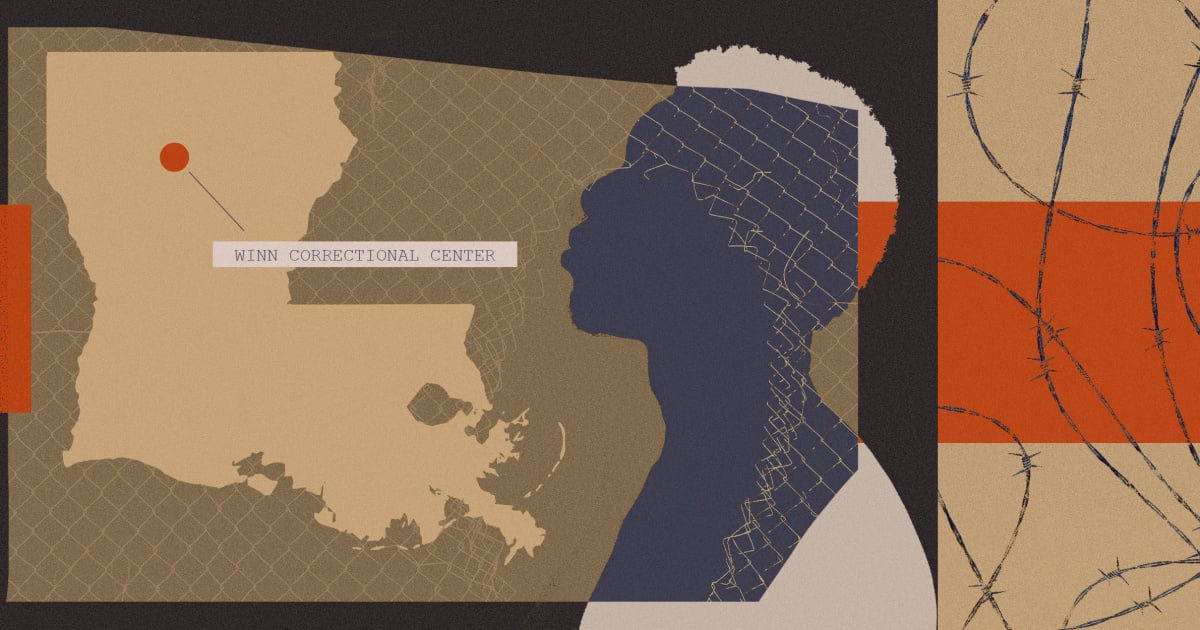
Detainees and advocates have raised concerns about the "horrific" conditions at the Winn Correctional Center, an ICE detention center in Louisiana. Complaints include inadequate medical care, unsanitary accommodations, and mistreatment of detainees. Despite promises from immigration officials to improve living conditions, the facility has failed to address these issues. Detainees report undrinkable water, limited access to doctors, and the constant threat of solitary confinement. Advocacy groups have called for the closure of the facility, but ICE has not taken sufficient action to address the ongoing problems. The number of detainees at Winn has increased by 53% since September 2021, despite assurances from ICE that the population would be reduced.
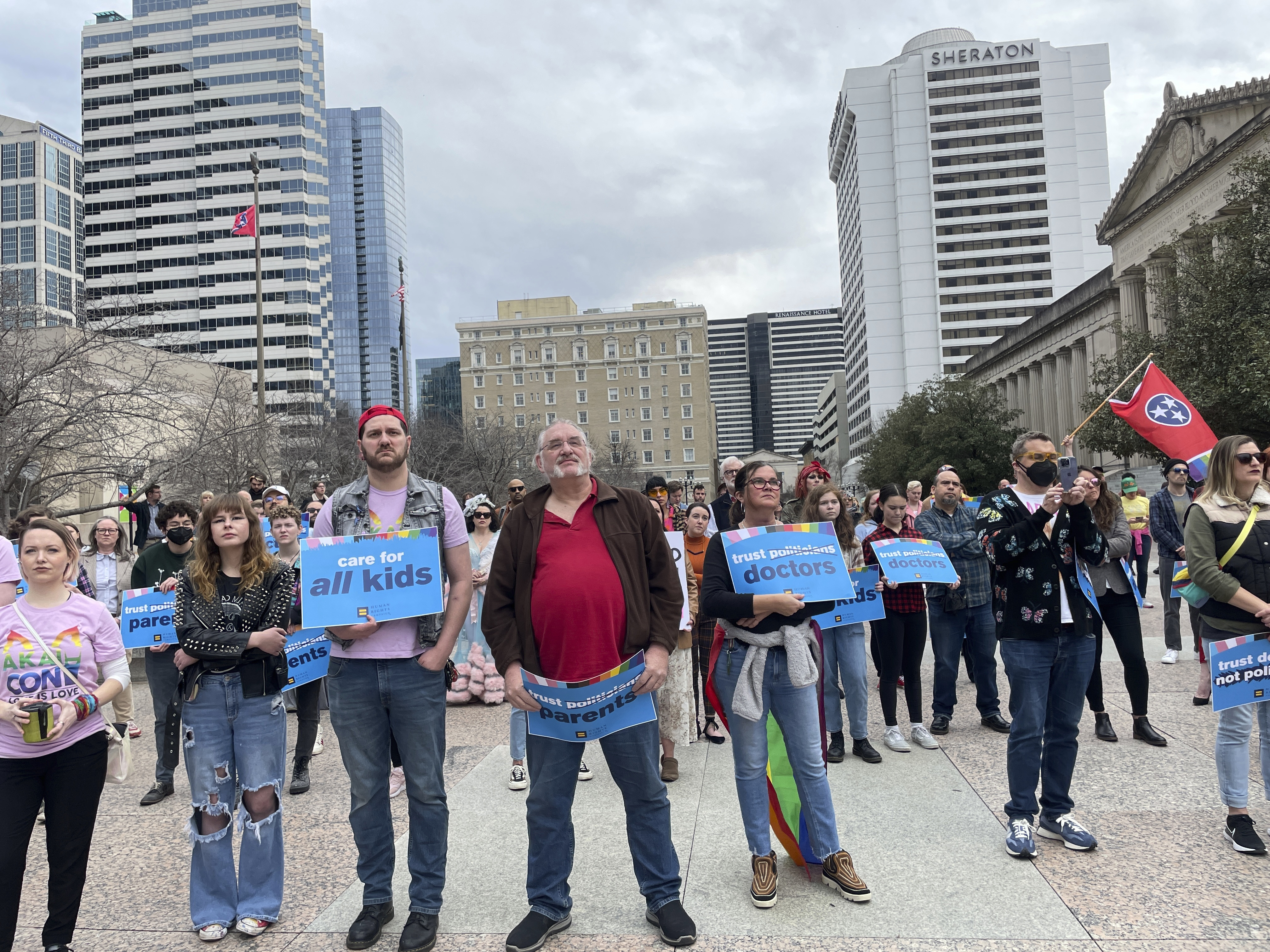
A U.S. appeals court has ruled that a ban on gender-affirming care for transgender youth in Tennessee can go into effect immediately, temporarily staying a lower court's ruling. This marks the first federal court ruling of its kind and diverges from recent patterns of federal courts blocking similar bans in other states. The decision prevents doctors in Tennessee from providing gender-affirming care to minors, including puberty blockers and gender-affirming surgery. The court plans to issue a full ruling by September 30 after hearing arguments for a full appeal of the ban. Advocacy groups challenging the ban have expressed disappointment and vowed to continue fighting against it.
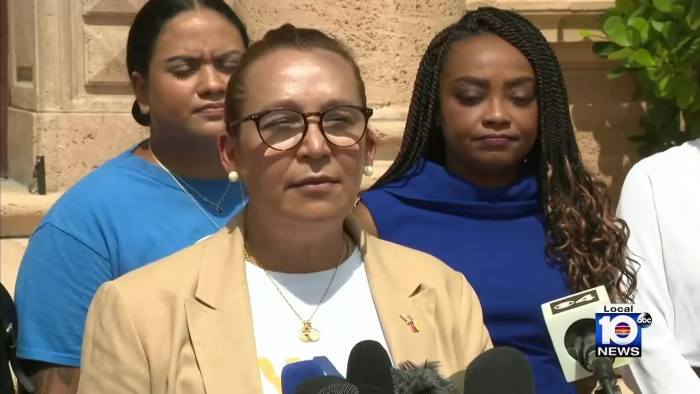
Immigrant advocacy groups in Miami held a news conference to denounce a controversial bill signed by Gov. Ron DeSantis, which requires employers to check worker status through E-Verify, raises human trafficking penalties, bans undocumented immigrants from using out-of-state driver’s licenses, and requires hospitals to report costs of care. The new law also funds a migrant transport program that Democrats have criticized around the country. Advocacy organizations criticized the measures and Cuban-American Republican state lawmakers for supporting the bill, calling it an act of basic political cowardice.