Nvidia is projected to reach over $8.5 trillion in market cap, driven by strong demand for its AI chips and a new 'Golden Wave' of AI adoption, with analysts raising their price targets significantly ahead of its upcoming earnings report.
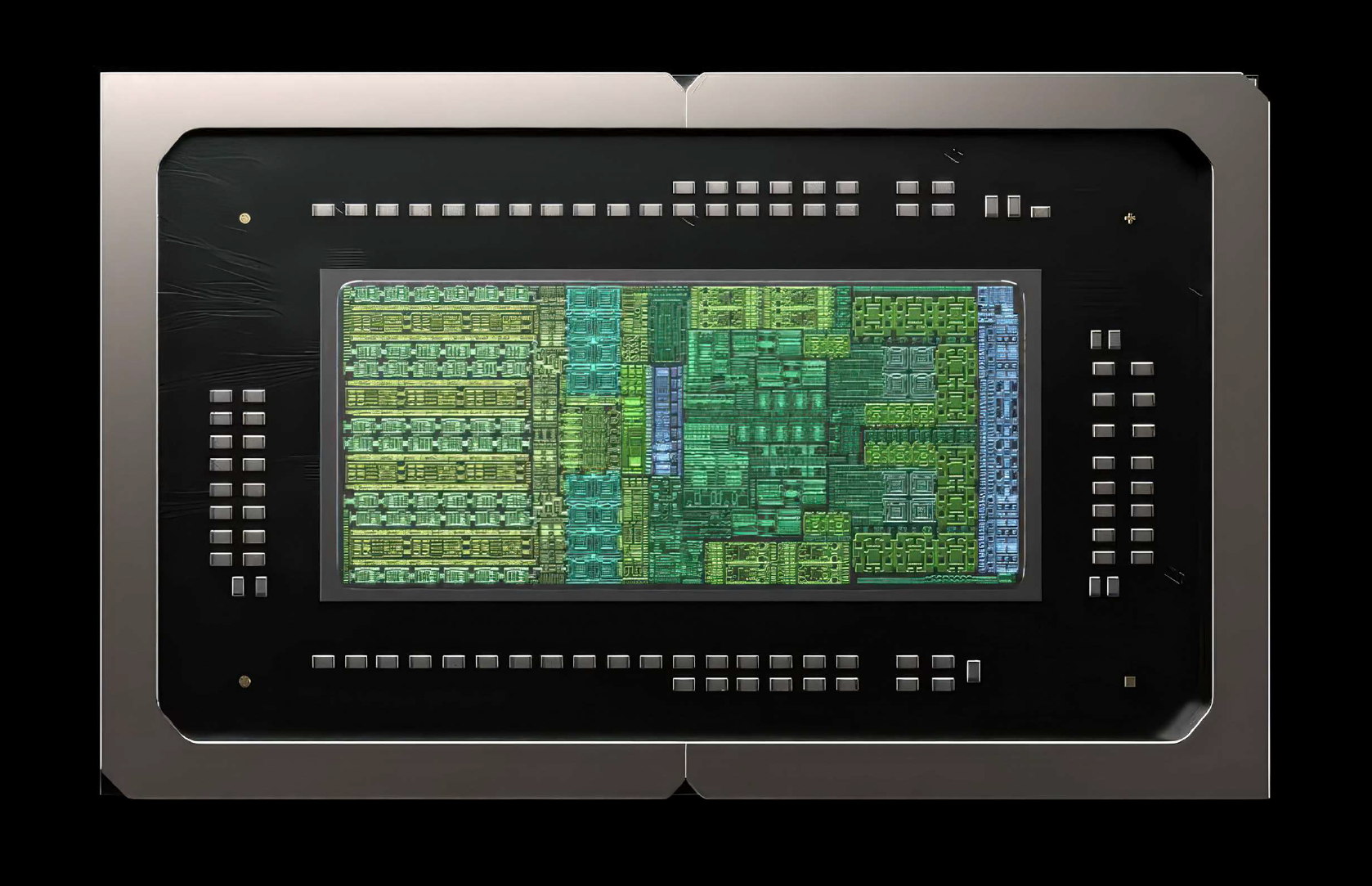
NVIDIA has unveiled the GB10 Superchip, a 3nm SoC featuring a Blackwell GPU and ARM v9.2 CPU cores, designed for mini supercomputers and AI workstations, with scalable multi-chip configurations and advanced packaging technology, hinting at future consumer devices.
Nvidia is set to report its fiscal third-quarter earnings on November 20, with analysts expecting strong results driven by its new Blackwell GPU, despite reported overheating issues. The company, which dominates the AI chip market, has seen its stock triple over the past year. Analysts have raised their price targets for Nvidia, anticipating continued growth in AI infrastructure investment. However, concerns about potential cooling problems and economic slowdowns remain. Nvidia's earnings are expected to highlight its role in AI development and future growth drivers beyond large language models.
Nvidia is set to report its fiscal third-quarter earnings on November 20, with significant attention on its new Blackwell GB200 GPU, which is expected to drive sales despite reported overheating issues in high-capacity server racks. Analysts have updated Nvidia's stock price targets, reflecting both the potential of the new chips and concerns over installation delays. Nvidia's dominance in the AI chip market remains strong, with major clients like Google, Microsoft, and Tesla relying on its technology.
Nvidia is set to report its third-quarter earnings on November 20, and there is speculation that its stock may soar following the announcement. Investors are particularly focused on future guidance and the launch of Nvidia's Blackwell GPU architecture, which has seen high demand. However, potential supply chain issues with Super Micro Computer could pose short-term challenges. While Nvidia's long-term prospects remain positive, investors are advised to be cautious due to the stock's recent volatility and lack of concrete information on Blackwell.
As Nvidia prepares to report its fiscal 2025 Q3 earnings on November 20, two key figures to watch are the progress of its $50 billion stock buyback program and the impact of its new Blackwell GPU launch. Nvidia has already repurchased $15.1 billion in shares, with $7.5 billion remaining under its current authorization, plus an additional $50 billion approved. The success of the Blackwell GPU, projected to generate $10 billion in revenue, could be affected by Nvidia's decision to shift orders away from Super Micro Computer due to its recent accounting scandal. These factors could influence Nvidia's stock valuation and future buyback decisions.
Nvidia's decision to shift its Blackwell GPU orders away from Supermicro, amid concerns over Supermicro's accounting practices and auditor resignation, has negatively impacted Supermicro's stock, which has already fallen 58% since a critical report by Hindenburg Research. While this move may decelerate Supermicro's growth, Nvidia's stock continues to rise, reflecting investor excitement for the Blackwell launch. Investors are advised to monitor the situation as both companies experience volatility.
Tenstorrent's CEO Jim Keller criticizes NVIDIA's $10 billion R&D costs on Blackwell GPUs, suggesting that the company could have saved billions by using a more cost-effective interconnect method, such as Ethernet. Keller's criticism stems from the proprietary nature and high cost of NVIDIA's NVLINK interconnect technology. While Ethernet interconnect presents a more affordable and open-source alternative, it is still in the development phase. Despite the debate over R&D costs, the demand for NVIDIA's Blackwell AI GPUs remains high, solidifying the company's dominance in the market.
Nvidia is set to unveil its latest tech, including the RTX 50-series "Blackwell" GB203 and new GB205 GPUs, at the 2024 GTC event. Despite a recent stock decline, Wedbush analysts raised their price target on Nvidia to $1,000 per share. Matt Bryson of Wedbush Securities discusses the semiconductor landscape, highlighting Nvidia's efforts to maintain its market share lead and the potential impact on competitors like Intel and AMD. Additionally, Intel's funding situation for chip manufacturing is under scrutiny.
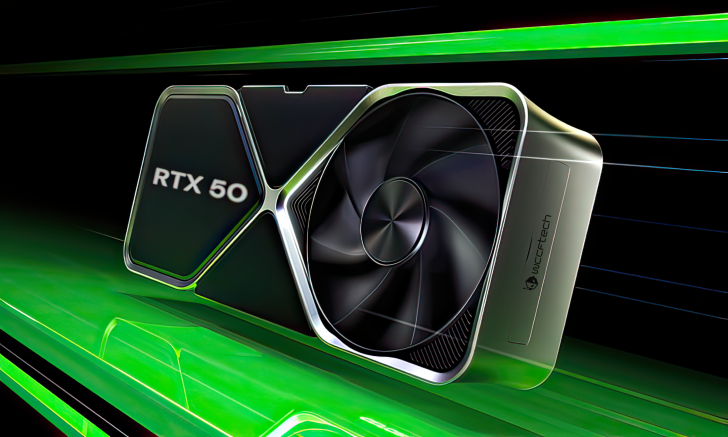
NVIDIA is reportedly developing its next-gen GPU lineup, codenamed Blackwell, which is expected to power the GeForce RTX 50 gaming lineup. The leak suggests that there will be at least six SKUs for the gaming lineup, including the flagship GB202, followed by GB203, GB205, GB206, and GB207. The existence of the GB205 SKU indicates further segmentation, replacing the AD104 SKU. However, the release of the GeForce RTX 50 lineup is not expected until 2025, giving NVIDIA time to refine its gaming lineup.