Intel has announced its Panther Lake architecture, the first client SoCs built on the advanced 18A process, set to power AI PCs and extend to edge applications, with high-volume production starting later this year at its Arizona fab, strengthening U.S. manufacturing leadership.
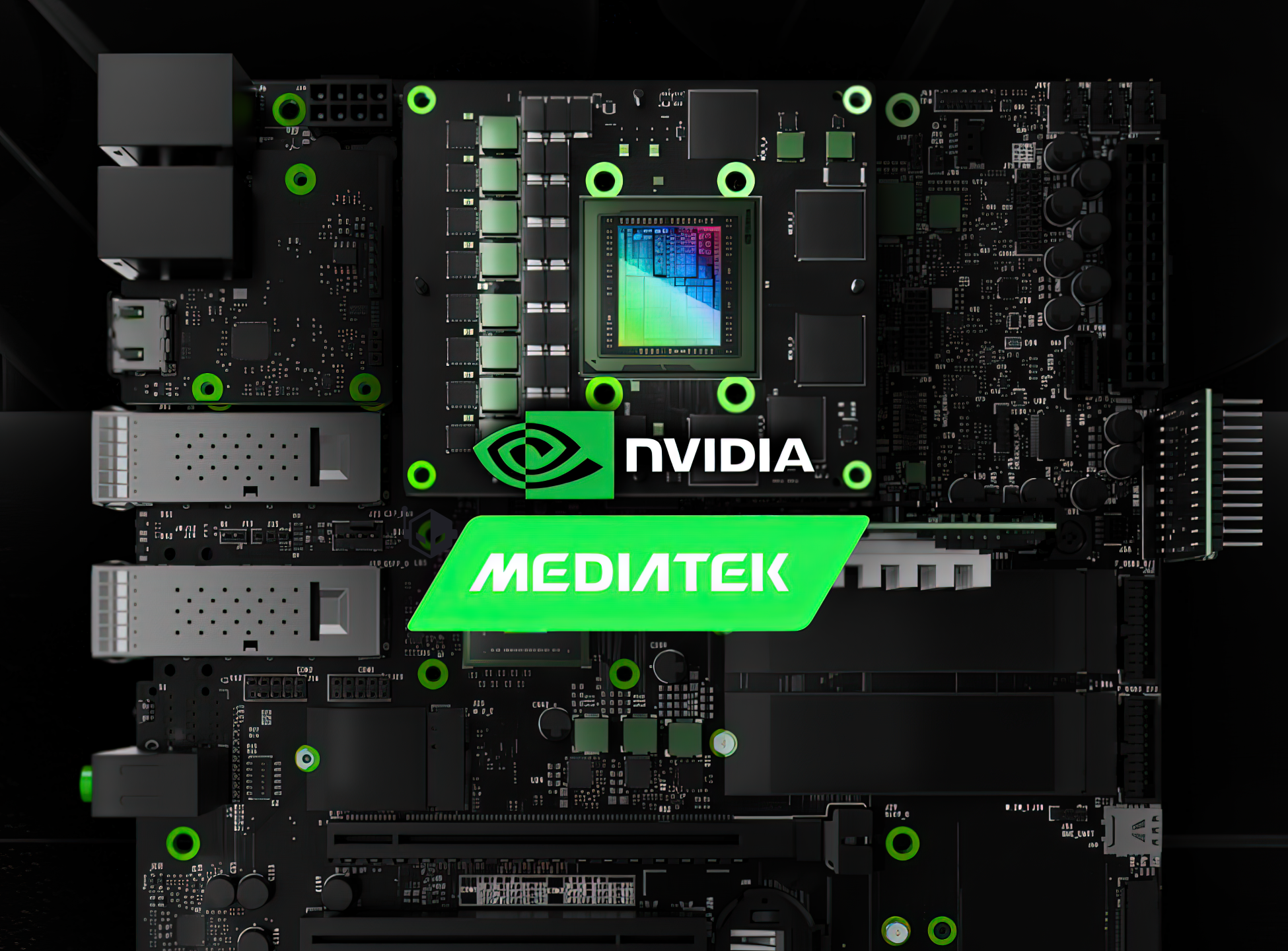
NVIDIA has unveiled the GB10 Superchip, a 3nm SoC featuring a Blackwell GPU and ARM v9.2 CPU cores, designed for mini supercomputers and AI workstations, with scalable multi-chip configurations and advanced packaging technology, hinting at future consumer devices.
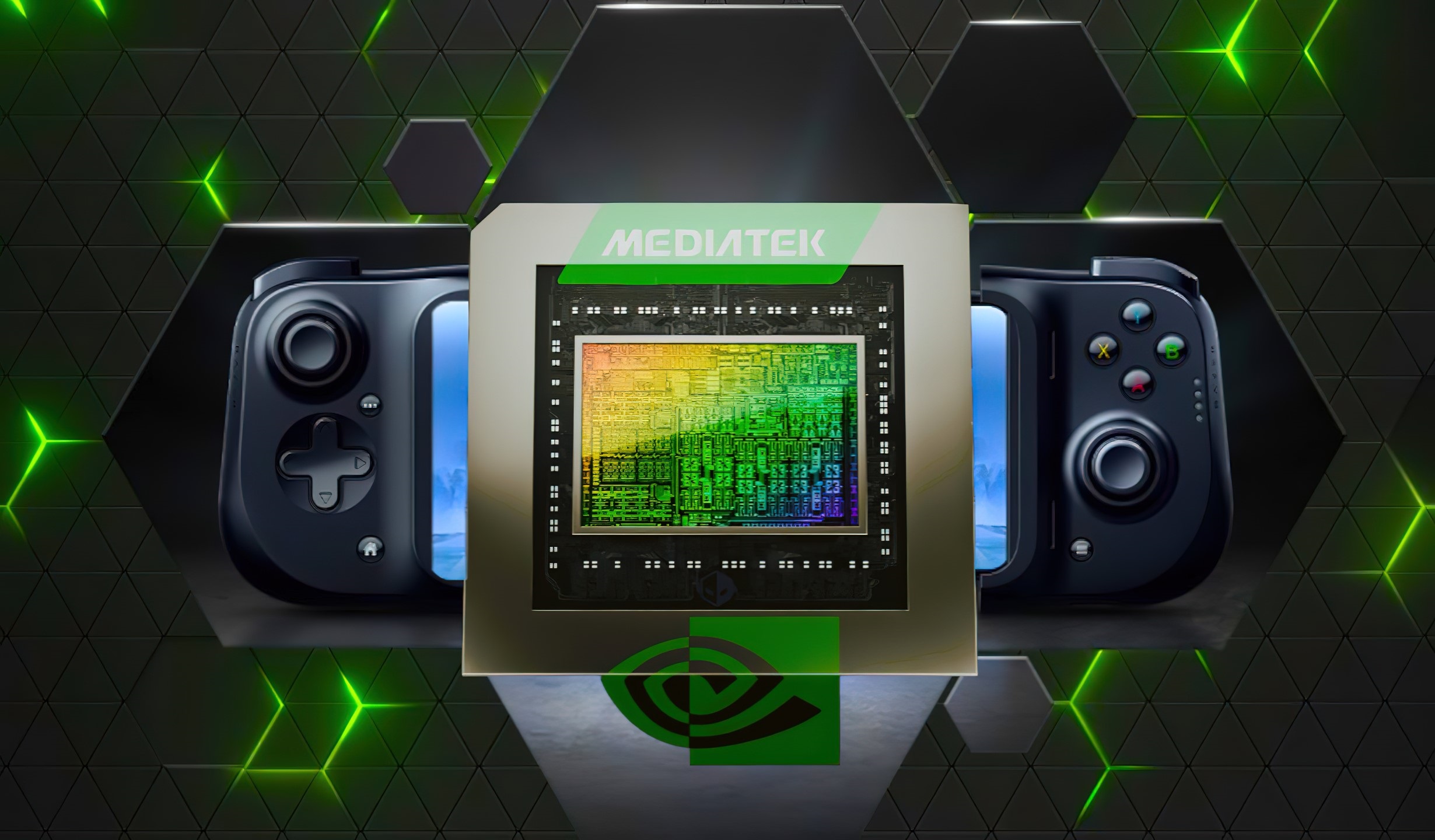
NVIDIA and MediaTek are reportedly developing a dedicated APU for gaming laptops, expected to launch by early 2024, initially exclusive to Dell's Alienware lineup, aiming to compete in the mobile processor market dominated by AMD and Intel.
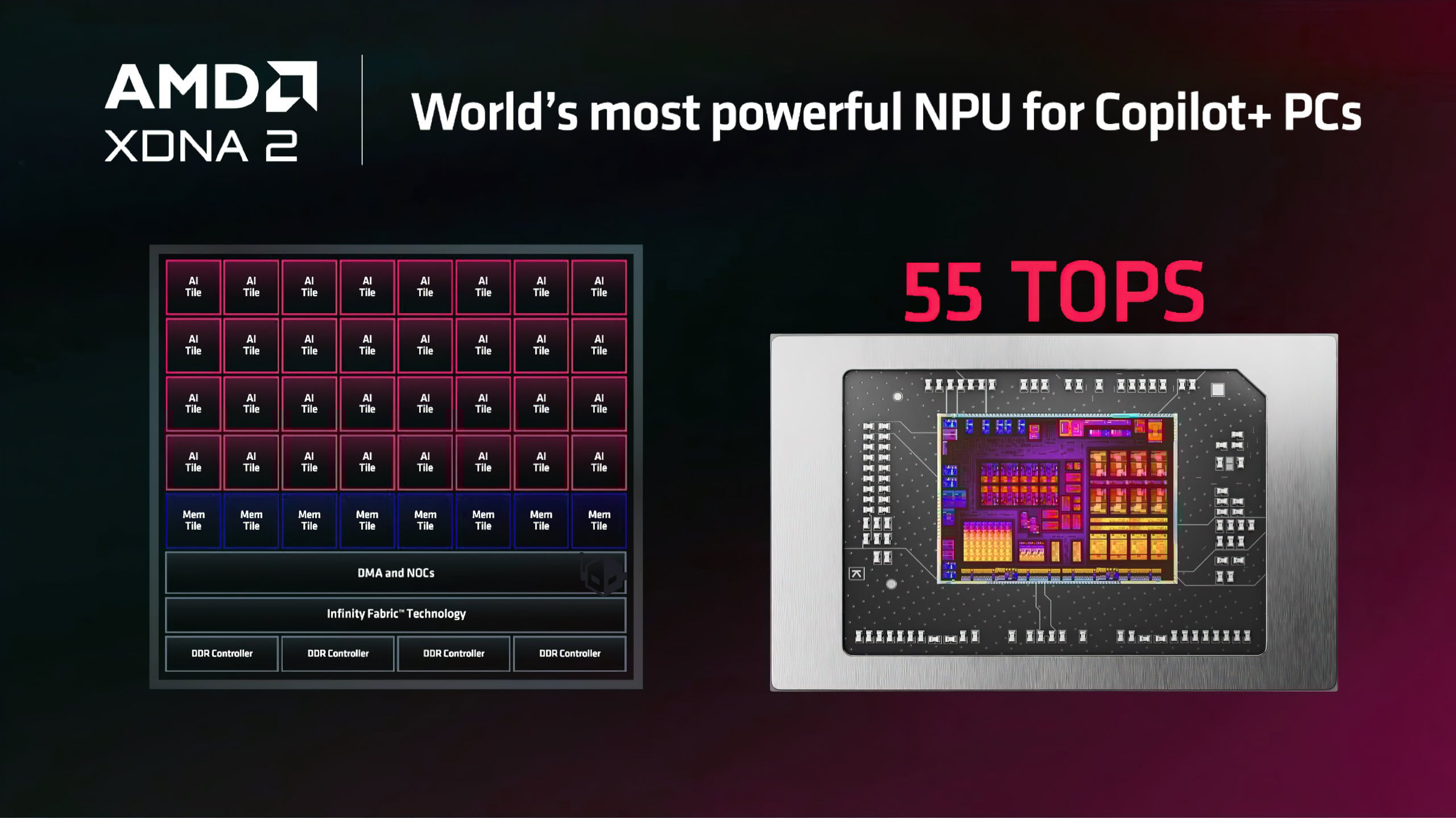
HP has launched the OmniBook Ultra, touted as the "world's highest-performance AI PC," featuring AMD's Ryzen AI 300 APU with up to 55 TOPs. The laptop, revealed at the "Imagine AI" event in New York, promises enhanced creativity, productivity, and security with AI-driven features, a 21-hour battery life, and a 2240 x 1400 resolution display. Priced at $1,449.99, it will be available by early August.
NVIDIA's next-gen "AI PC" SOC is rumored to feature Arm Cortex X5 Blackhawk CPUs, Blackwell RTX GPUs, and LPDDR6 memory, potentially revolutionizing the AI PC segment. The SOCs, leveraging a 3nm process node and advanced packaging, could also pave the way for new handheld consoles. This development aligns with NVIDIA's strategy to integrate high-end GPU architectures with ARM CPUs, similar to their datacenter solutions.
NVIDIA and Dell are planning to enter the "AI PC" market next year, with NVIDIA's CEO Jensen Huang hinting at advanced AI-focused features and custom silicon solutions. This move comes as competition in the AI PC segment intensifies, with companies like Qualcomm making significant strides. NVIDIA aims to leverage its Tensor Core architecture and cutting-edge processes to offer high-performance AI computing solutions, potentially scaling from consumer PCs to high-end workstations.
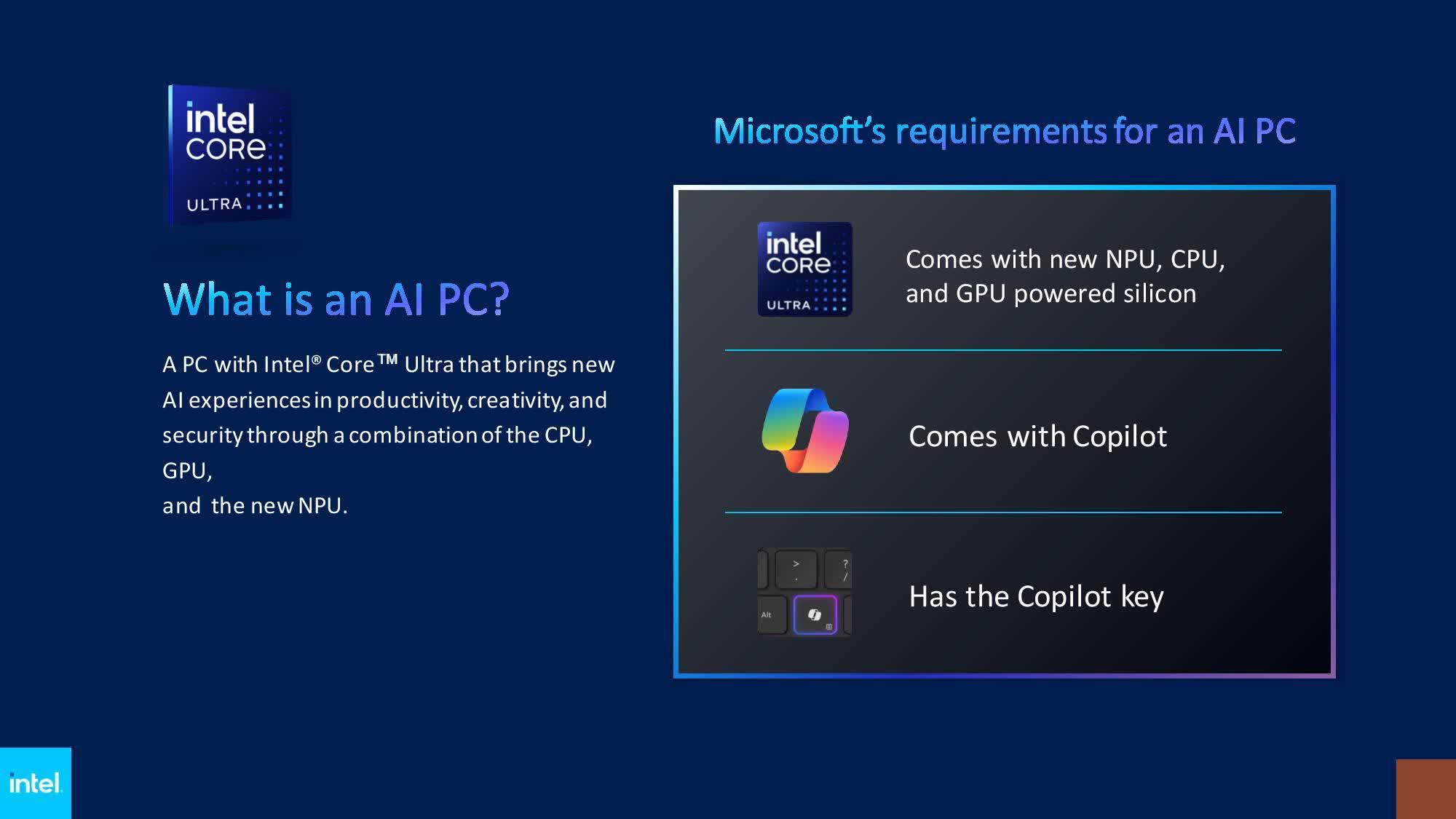
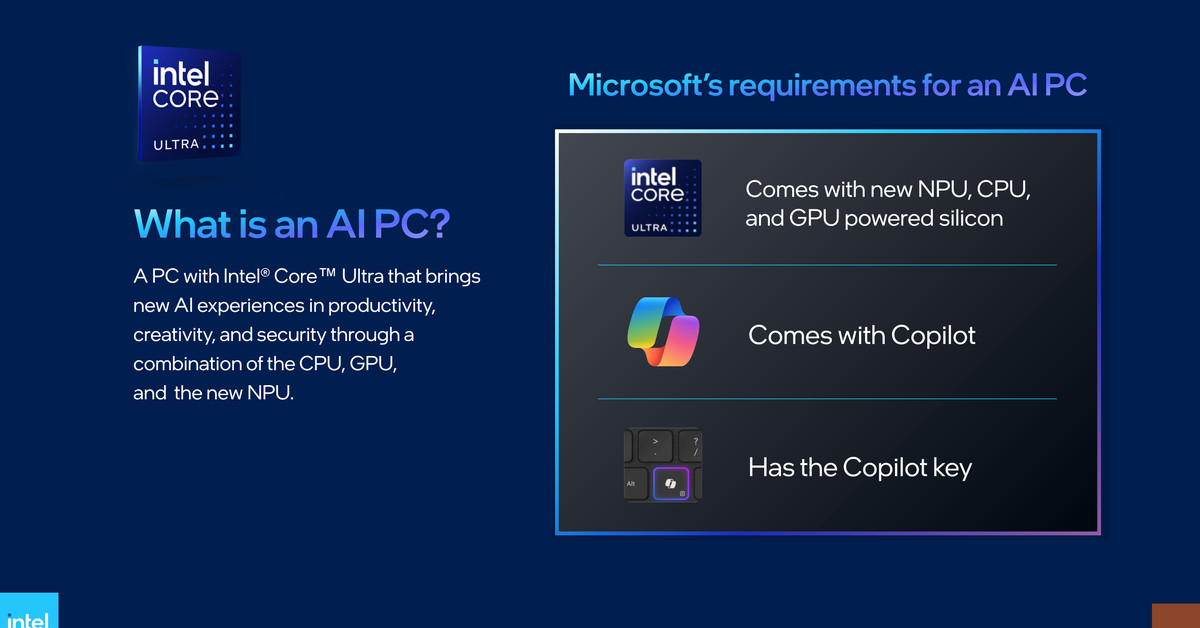
Microsoft and Intel are collaborating to define the "AI PC," with Intel confirming that Windows PCs will soon utilize NPUs to run Microsoft Copilot locally, reducing its reliance on the cloud. Microsoft is expected to integrate NPUs into Copilot with the 24H2 update, possibly arriving this summer, and is introducing a dedicated Copilot key to the specifications for Windows keyboards. Intel has listed 40 TOPs of NPU performance as a requirement for next-generation AI PCs and is providing resources for developers to create new software to leverage AI. NPUs have begun to appear in various chipmakers' platforms, and while they can improve battery life by alleviating workload on CPUs and GPUs, the impact on system requirements remains unclear.
Intel and Microsoft are working on developing "AI PCs" with built-in neural processing units (NPUs) and Microsoft's Copilot key for keyboards, aiming to run more elements of Copilot locally on the client to reduce lag and improve user privacy. Microsoft will require NPUs in "next-gen AI PCs" to hit speeds of 40 trillion operations per second (TOPS), with Intel, AMD, and Qualcomm competing in this space. Intel is offering an "AI PC development kit" centered on an Asus NUC Pro 14, a mini PC built around Intel's Meteor Lake silicon, as part of its developer program.
Microsoft is requiring OEMs to include a Copilot key in their AI PCs, which must also feature a Neural Processing Unit (NPU), the latest CPUs and GPUs. Intel and Microsoft have aligned on Core Ultra, Copilot, and Copilot key, but some laptops, like Asus’ new ROG Zephyrus, have shipped without the key. Intel is expanding its AI PC acceleration program to reach smaller developers and hardware vendors, aiming to optimize apps and hardware for AI PCs. The race for Intel is against Qualcomm, which is about to launch Snapdragon X Elite laptops, and Google is releasing an optimized version of Chrome for Windows on Arm. Microsoft will outline its vision for AI hardware and software at an upcoming event on May 20th.
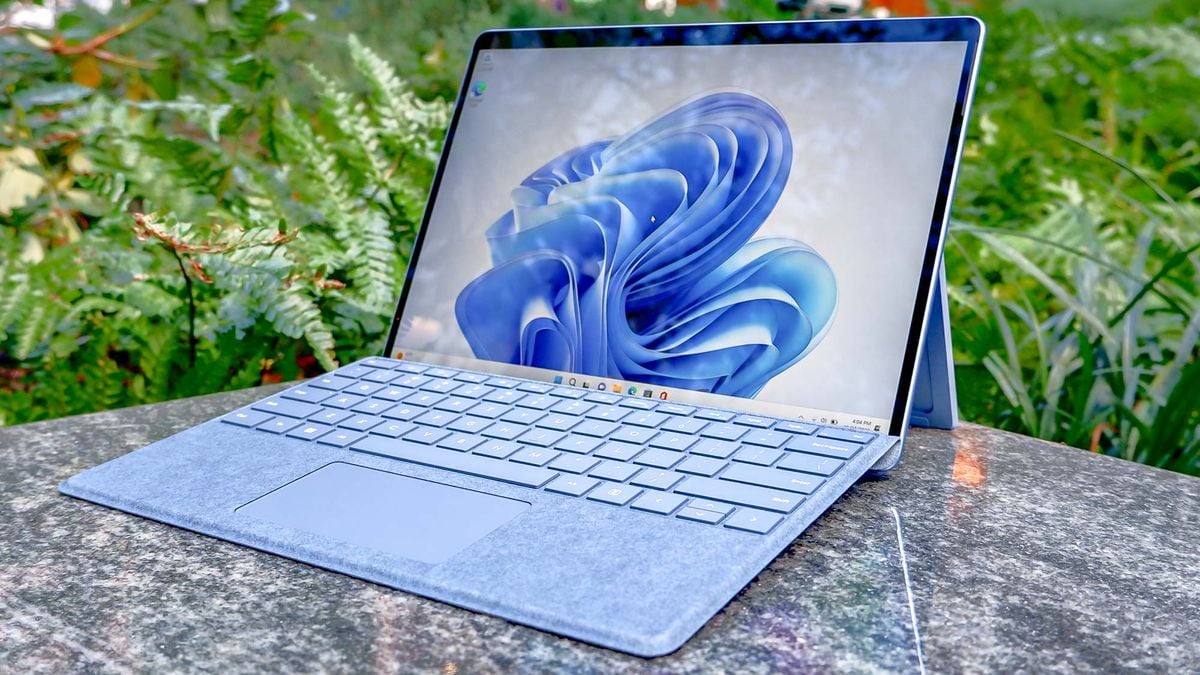
Qualcomm's CMO hinted in an interview that the upcoming Microsoft Surface Pro 10 could be powered by the Snapdragon X Elite chipset, marking the arrival of the "next gen PC." This aligns with reports of an OLED-equipped Surface Pro 10 and Surface Laptop 6 being announced in both Intel and Qualcomm versions. The Snapdragon X Elite is expected to enable distributed compute and AI capabilities, potentially leading to innovative use cases and form factors in the future of computing.
Dell Technologies is gearing up to release a range of new devices, emphasizing the shift towards AI PCs, despite the current divide between AI and non-AI hardware. With the industry banking on the AI hype to drive sales, Dell showcased new hardware at the Mobile World Congress, including the Latitude 7350 convertible and Precision 3680 tower, while also promoting its AI-based Premier Wireless ANC headset. The company sees AI hardware, such as Neural Processing Units, as the future of PCs, although defining use cases for AI remains a challenge. Dell anticipates a surge in demand for AI-capable PCs as older devices are replaced, aligning with Microsoft's push for Windows 11 compatibility.
TrendForce predicts a significant expansion in edge AI applications in 2024, with AI servers paving the way for AI PCs and other terminal devices. The global AI server market is projected to exceed 1.6 million units, growing at a rate of 40%, while AI PCs are expected to meet Microsoft’s benchmark of 40 TOPS in computational power. Qualcomm, AMD, and Intel are racing to meet these requirements, with LPDDR expected to represent a significant portion of PC DRAM demand due to the need for faster data transmission in AI PCs.
TrendForce predicts a significant expansion in edge AI applications in 2024, with AI servers and AI PCs playing a crucial role. The global AI server market is projected to exceed 1.6 million units, growing at a rate of 40%, while AI PCs are expected to meet Microsoft’s benchmark of 40 TOPS in computational power. Qualcomm, Intel, and AMD are set to intensify competition in the AI PC market, with LPDDR expected to represent approximately 30–35% of PC DRAM demand this year.
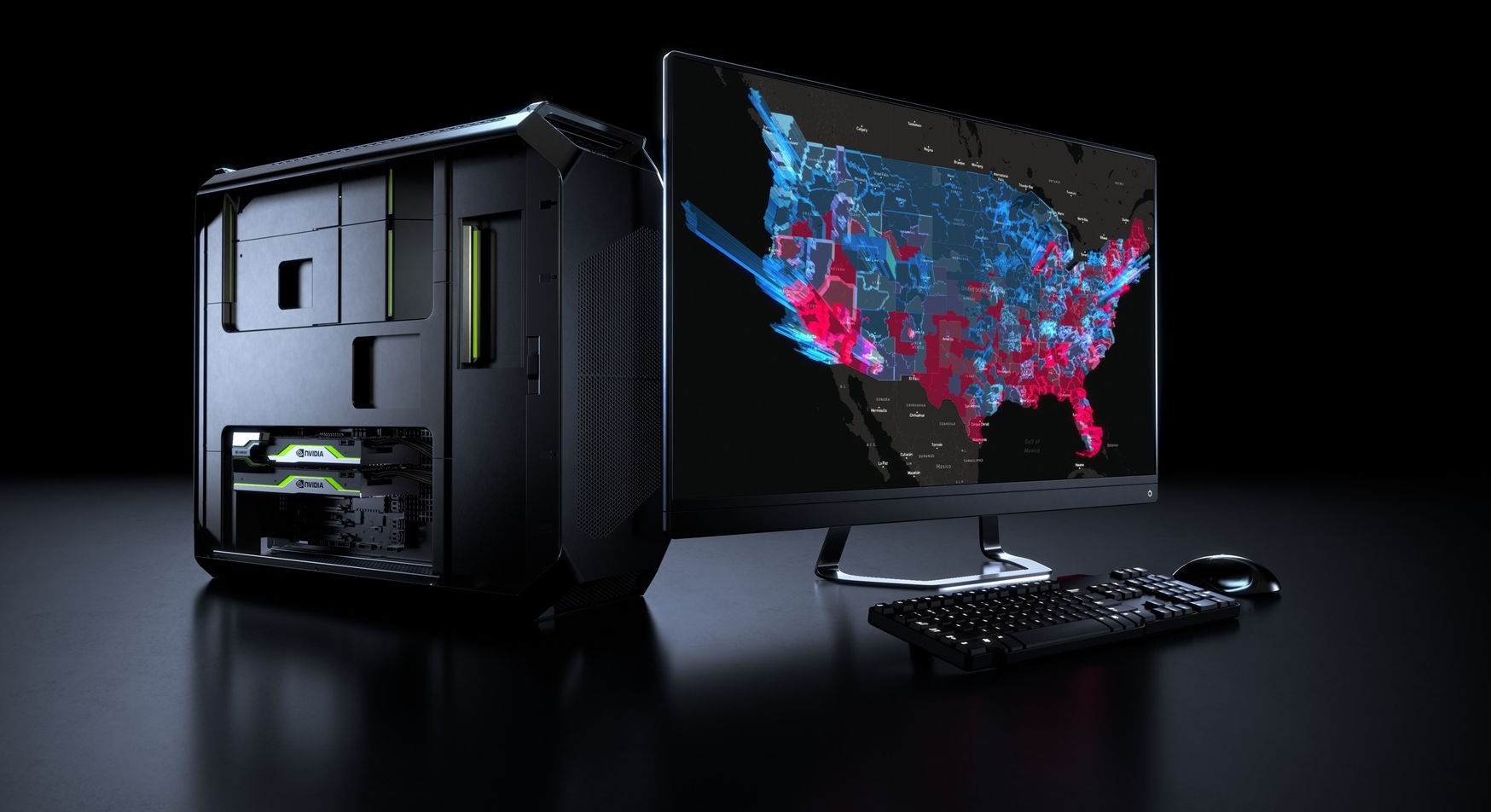
Nvidia, a leader in AI with a history of pioneering GPU chips and software ecosystems, is making a push to be recognized in the AI PC race dominated by Intel, AMD, Qualcomm, and Microsoft. The company aims to position its high-performance GPUs as essential for AI applications on PCs, emphasizing their raw computing power and potential for innovative AI development. Nvidia showcased demos at CES highlighting the capabilities of AI on the PC, including real-time conversations with AI characters and personalized chatbot assistants, all running on Nvidia GPUs. While integrated NPUs offer power efficiency, Nvidia's GPUs provide significantly higher computing capability for AI work, making them a crucial component in the AI PC revolution.
At CES 2024, Lenovo unveiled new ThinkBook laptops, ThinkCentre desktops, and accessories for small and medium-sized businesses, featuring AI PC enhancements and innovative features. The ThinkBook Plus Gen 5 Hybrid offers a flexible solution with a laptop base system and a tablet that seamlessly switches between Windows and Android. The ThinkBook 13x Gen 4 is Lenovo’s first carbon-neutral laptop for SMBs, while the ThinkBook 14 i Gen 6+ boasts a stunning 14.5-inch 3K display and a Graphics Extension dock for AI computing power. Lenovo also introduced the ThinkCentre neo Ultra and ThinkCentre neo 50a Gen 5 all-in-one desktops, along with unique proof-of-concept devices like the Mechanical Energy Harvesting Combo and the ThinkBook 13x Gen 4 SPE with a customizable E-ink top cover. These products showcase Lenovo’s innovation and leadership in the SMB market, offering powerful performance, smart designs, and AI capabilities.