
Listening for Stone-Age Voices: How Humans Learned to Talk
TL;DR Summary
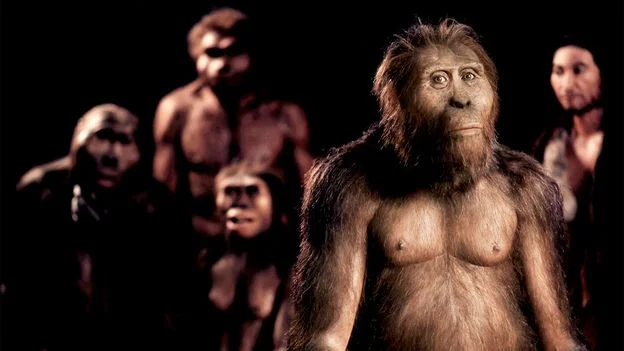
A BBC feature explains how scientists infer what early humans sounded like by examining fossil skulls, vocal‑tract anatomy and brain development, outlining two main theories of language origins (sudden symbolic thought vs gradual evolution) and tracing a timeline from primate vocal capacity 27 million years ago to Cro-Magnon speech ~30,000 years ago, suggesting Neanderthals could have spoken and that Homo sapiens eventually developed a full language-ready system, ending with a note on today’s thousands of languages and their fragility.
Reading Insights
Total Reads
0
Unique Readers
4
Time Saved
19 min
vs 20 min read
Condensed
98%
3,951 → 79 words
Want the full story? Read the original article
Read on BBC